Medieval Studies – serie
Visar alla böcker i serien Medieval Studies. Handla med fri frakt och snabb leverans.
5 produkter
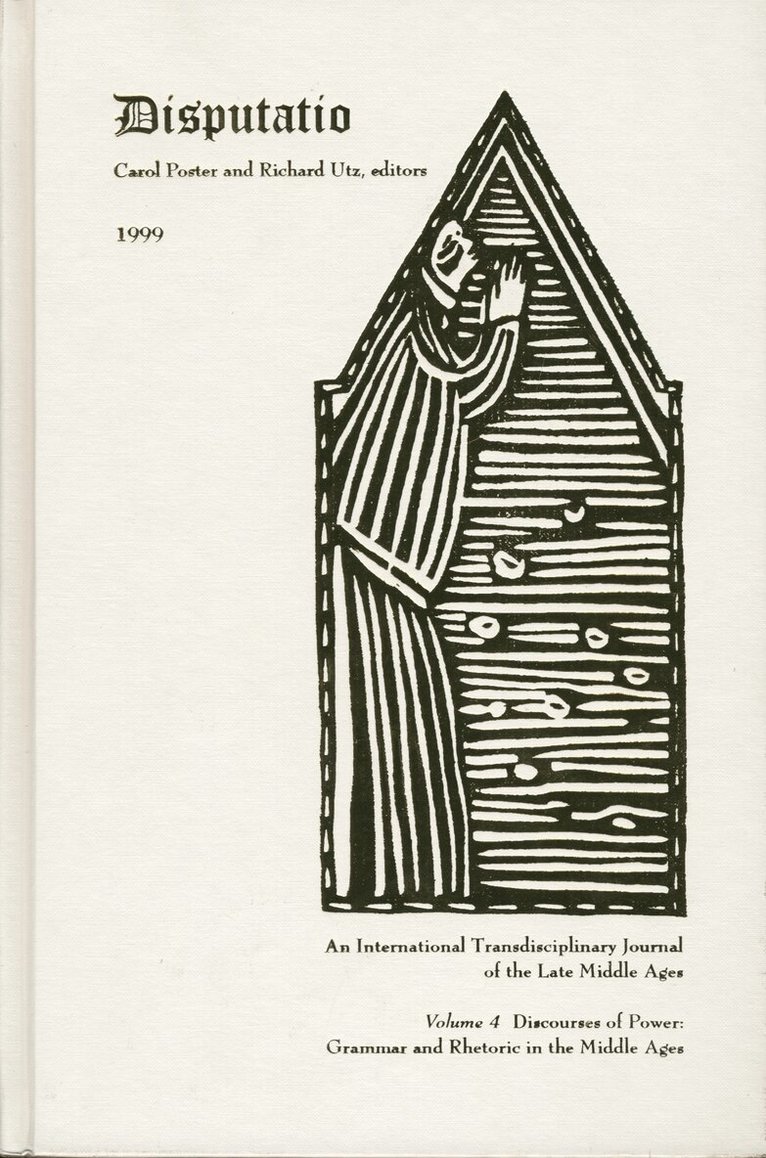
Disputatio V. 4
An International Journal of the Late Middle Ages
Av Carol Poster, Richard J. Utz
Inbunden, 2000
888 kr
Lägg i varukorg
The fourth in a journal of the late Middle Ages, this volume provides an exhaustive treatment of its subject by scholars representing various nations, approaches and disciplines. The text consists of scholarly articles, inclusive review essays and an extensive bibliography.
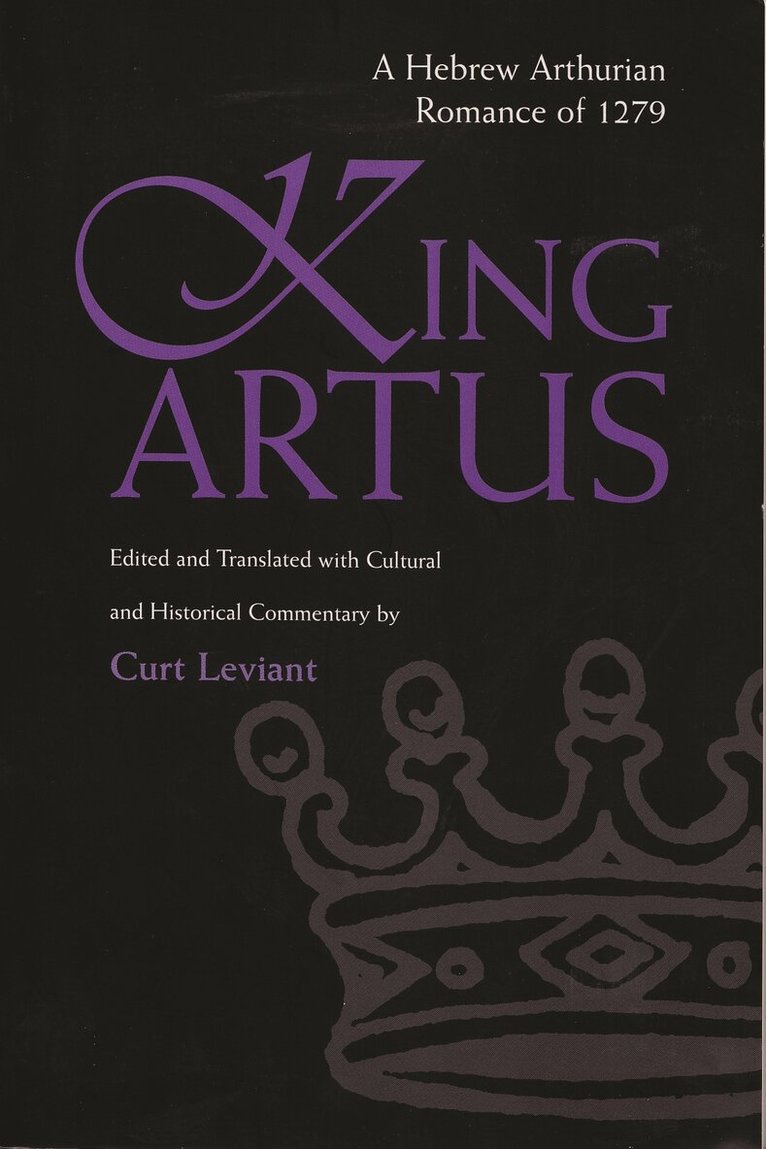
King Artus
A Hebrew Arthurian Romance of 1279
Häftad, 2003
251 kr
Lägg i varukorg
An English translation of one of the most fascinating works in medieval Hebrew letters. A rarity, this refurbished Hebrew translation of an Arthurian romance is the only known text of its kind in existence. Based on the writings of an anonymous Italian Jew in 1279, the author presents two stories. …
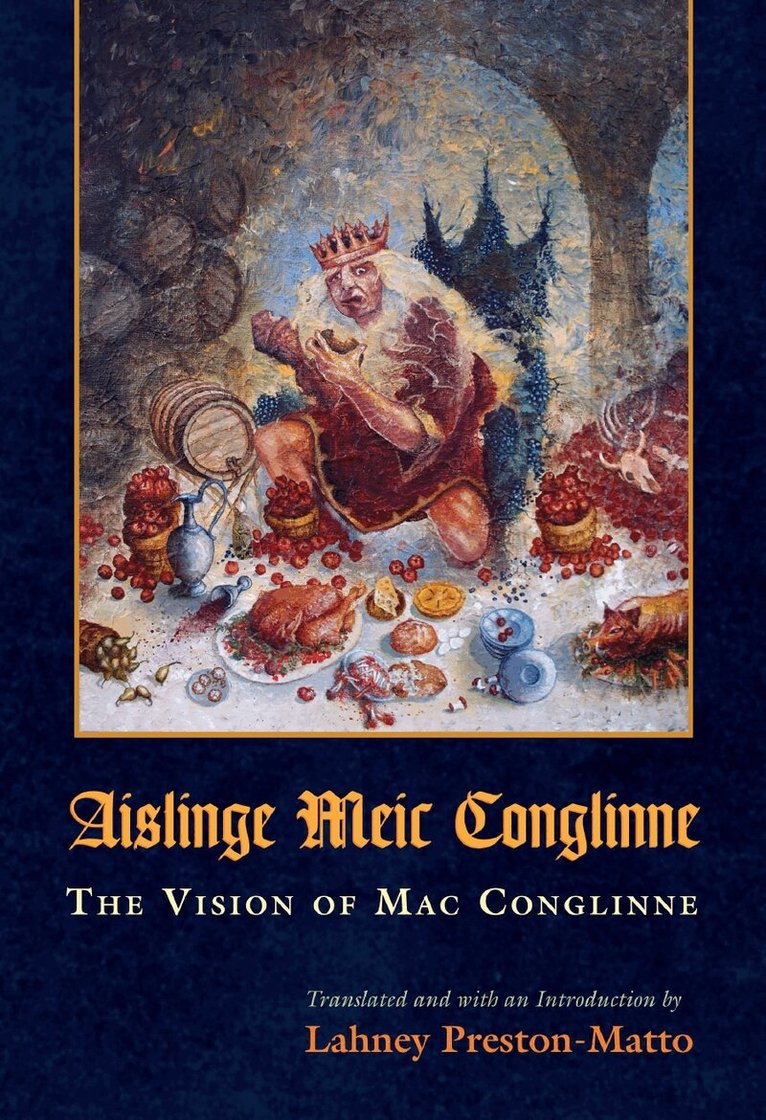
Aislinge Meic Conglinne
The Vision of Mac Conglinne
Inbunden, 2010
265 kr
Lägg i varukorg
An accomplished and original eleventh-century satiric narrative poem, this is the first time this text is available as a stand-alone translation. The volume includes an introduction that places the romance in its rich historical and literary context, and extensive notes that illuminate the wealth …
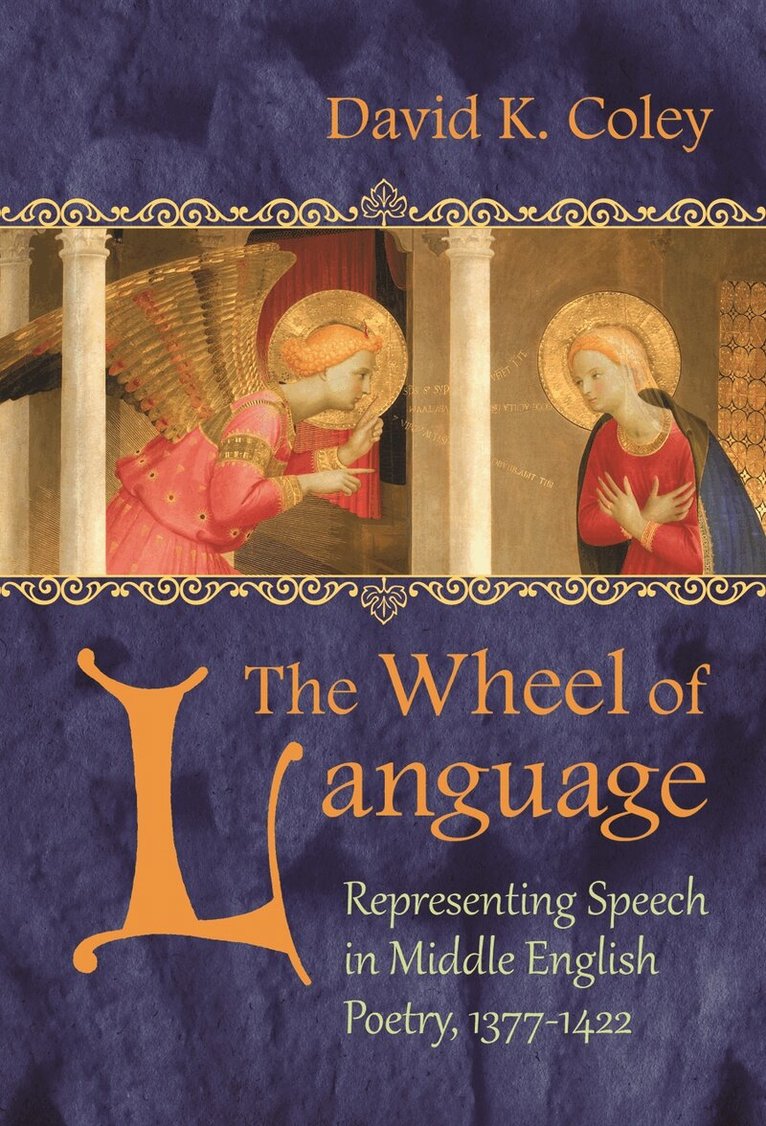
Wheel of Language
Representing Speech in Middle English Poetry 1377-1422
Av David Coley
Inbunden, 2012
402 kr
Lägg i varukorg
In The Wheel of Language, Coley explores representations of speech in English poetry of the later Middle Ages, proposing that the spoken word, both within Ricardian and Lancastrian poetry and within late medieval English culture, was understood as an efficacious, powerful medium. Representing …
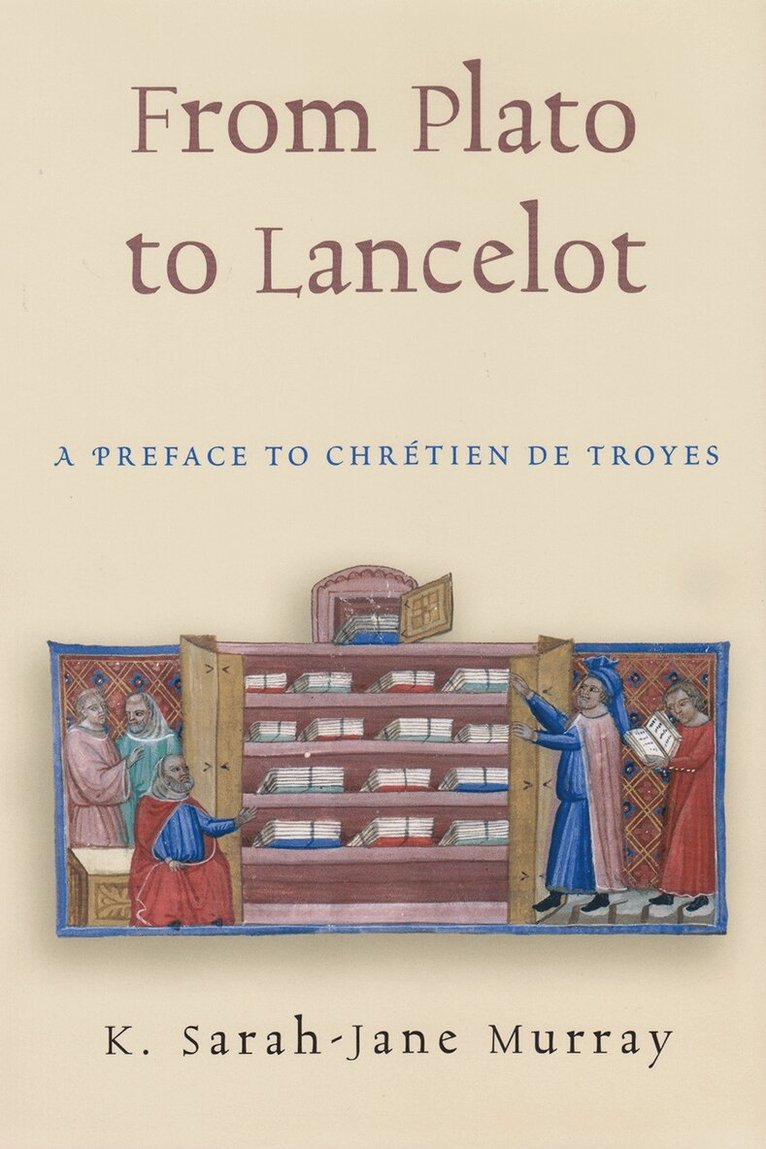
From Plato to Lancelot
A Preface to Chrétien De Troyes
Inbunden, 2008
346 kr
Tillfälligt slut
Considered the most important figure in medieval French literature, Chretien de Troyes is credited with inventing the modern novel. The roots of his influential Arthurian romance narratives remain the subject of investigation and great debate among medieval scholars. In ""From Plato to Lancelot"", …