Mellon Slavic Studies Initiative Book - Böcker
Visar alla böcker i serien Mellon Slavic Studies Initiative Book. Handla med fri frakt och snabb leverans.
2 produkter
2 produkter
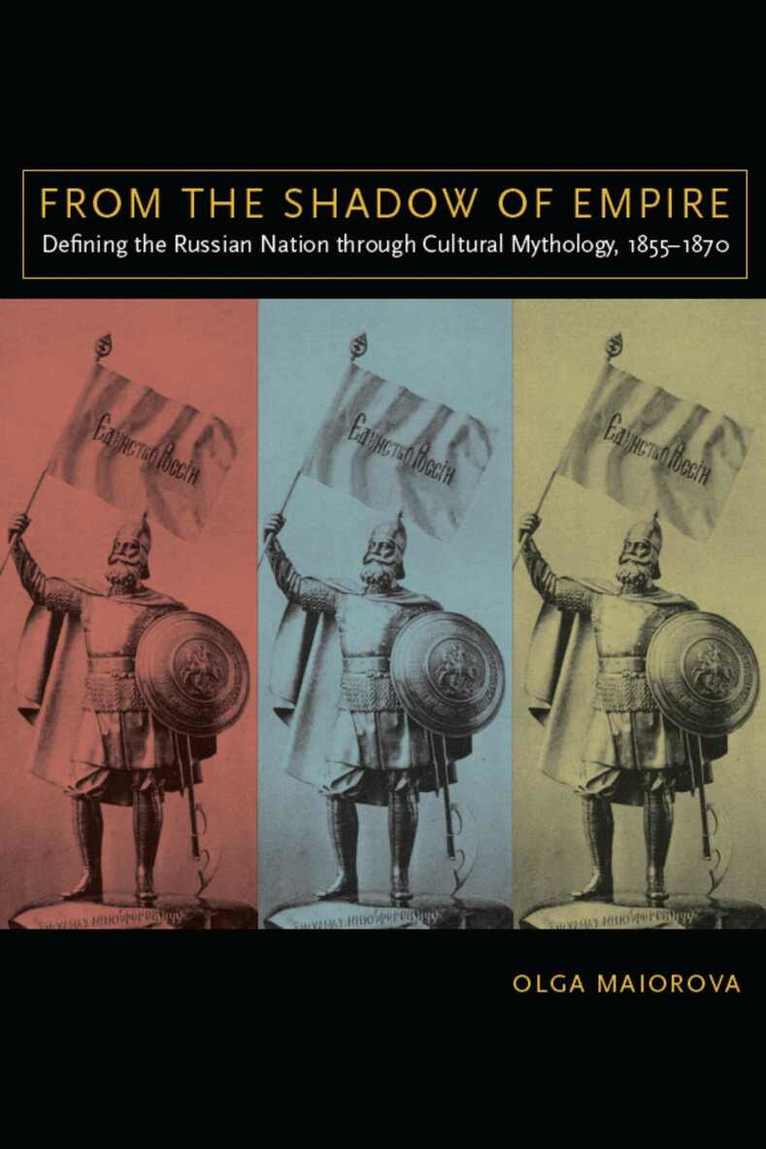
From the Shadow of Empire
Defining the Russian Nation Through Cultural Mythology, 1855–1870
Häftad, Engelska, 2010
362 kr
Skickas inom 10-15 vardagar
As nationalism spread across nineteenth-century Europe, Russia's national identity remained murky: there was no clear distinction between the Russian nation and the expanding multiethnic empire that called itself 'Russian.' When Tsar Alexander II's Great Reforms (1855-1870s) allowed some freedom for public debate, Russian nationalist intellectuals embarked on a major project - which they undertook in daily press, popular historiography, and works of fiction - of finding the Russian nation within the empire and rendering the empire in nationalistic terms. From the Shadow of Empire traces how these nationalist writers refashioned key historical myths - the legend of the nation's spiritual birth, the tale of the founding of Russia, stories of Cossack independence - to portray the Russian people as the ruling nationality, whose character would define the empire. In an effort to press the government to alter its traditional imperial policies, writers from across the political spectrum made the cult of military victories into the dominant form of national myth-making: in the absence of popular political participation, wars allowed for the people's involvement in public affairs and conjured an image of unity between ruler and nation. With their increasing reliance on the war metaphor, Reform-era thinkers prepared the ground for the brutal Russification policies of the late nineteenth century and contributed to the aggressive character of twentieth-century Russian nationalism.
362 kr
Skickas inom 10-15 vardagar
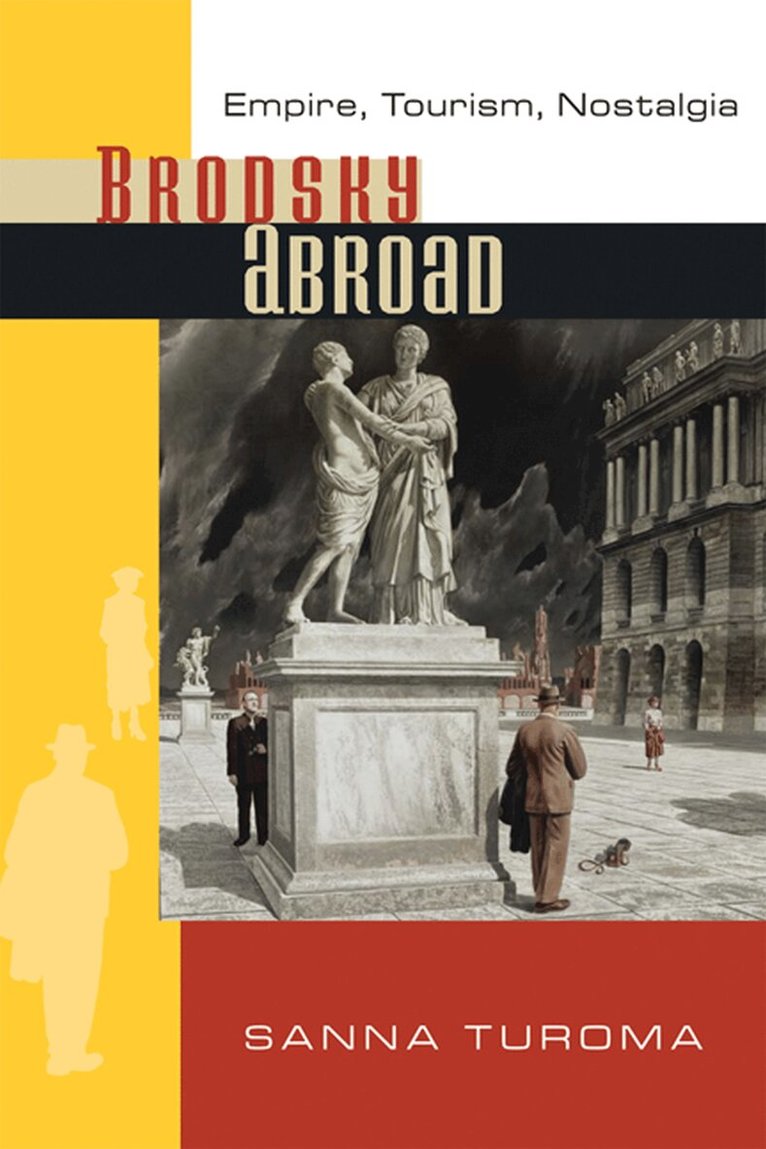
Expelled from the Soviet Union in 1972 and honored with the Nobel Prize fifteen years later, poet Joseph Brodsky in many ways fit the grand tradition of exiled writer. But Brodsky’s years of exile did not render him immobile: though he never returned to his beloved Leningrad, he was free to travel the world and write about it. In Brodsky Abroad, Sanna Turoma discusses Brodsky’s poems and essays about Mexico, Brazil, Turkey, and Venice. Challenging traditional conceptions behind Brodsky’s status as a leading émigré poet and major descendant of Russian and Euro-American modernism, she relocates the analysis of his travel texts in the diverse context of contemporary travel and its critique. Turoma views Brodsky’s travel writing as a response not only to his exile but also to the postmodern and postcolonial landscape that initially shaped the writing of these texts. In his Latin American encounters, Brodsky exhibits disdain for third-world politics and invokes the elegiac genre to reject Mexico’s postcolonial reality and to ironically embrace the romanticism of an earlier Russian and European imperial age. In an essay on Istanbul he assumes Russia’s ambiguous position between East and West as his own to negotiate a distinct, and controversial, interpretation of Orientalism. And, Venice, the emblematic tourist city, becomes the site for a reinvention of his lyric self as more fluid, hybrid, and cosmopolitan. Brodsky Abroad reveals the poet’s previously uncharted trajectory from alienated dissident to celebrated man of letters and offers new perspectives on the geopolitical, philosophical, and linguistic premises of his poetic imagination.