Middle East Environmental Histories - Böcker
Visar alla böcker i serien Middle East Environmental Histories. Handla med fri frakt och snabb leverans.
3 produkter
3 produkter
1 202 kr
Skickas inom 7-10 vardagar
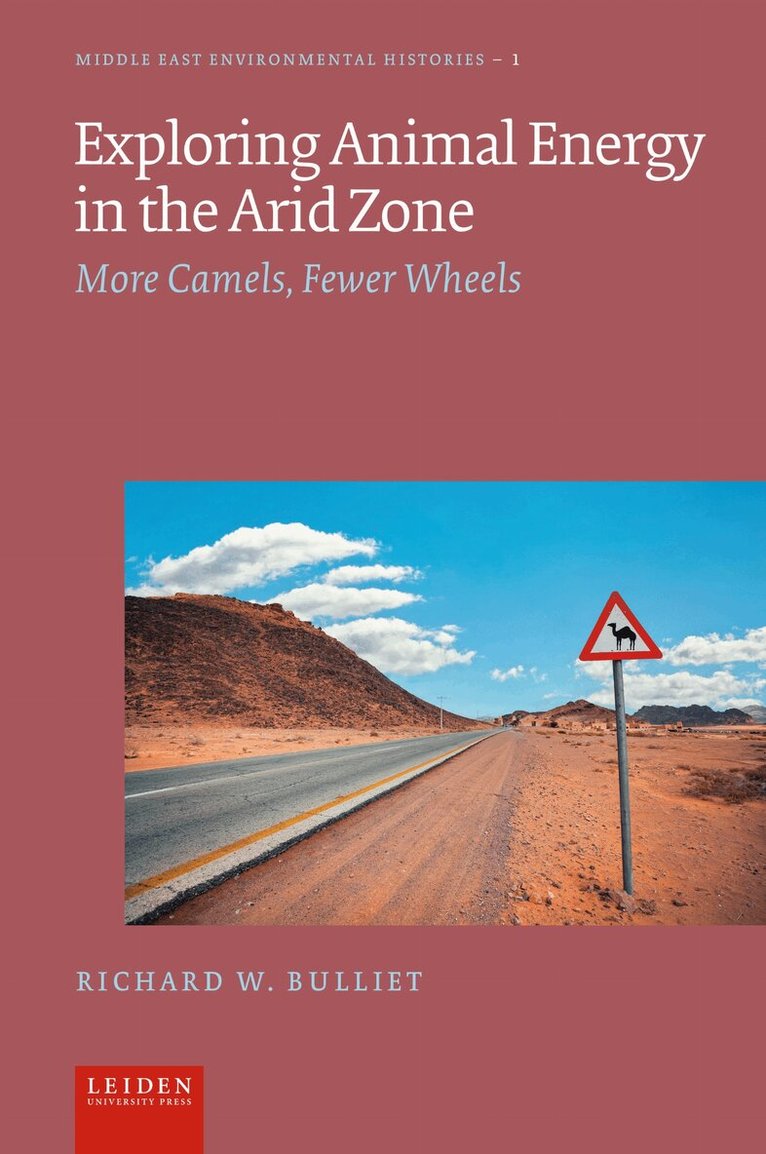
Every society has an energy profile, that is, an array of energy sources, ranging in complexity from human power to nuclear fusion, that can be ranked according to their relative importance to that society. From about 4000 BE onward, animal muscle power becomes integrated into the energy profiles of many societies. The forms this integration takes include riding, carrying burdens, pulling wheeled vehicles and sleighs, operating mills and irrigation devices, and pulling plows, threshing sleds, and other agricultural implements. The use of animal power varies from region to region. These variations can be understood as falling into six discrete zones. The distinctive features of the arid zone from Morocco to Mongolia constitute the primary focus of this book. Successive chapters deal with caravan trading as a mode of production, the relationship between dairying and the availability of working animals, the spread of hybrid animal breeding (mules, bukhts, dzos) as an economic enterprise, and the integration of pastoral nomadism into the overall economy.
1 202 kr
Skickas inom 7-10 vardagar
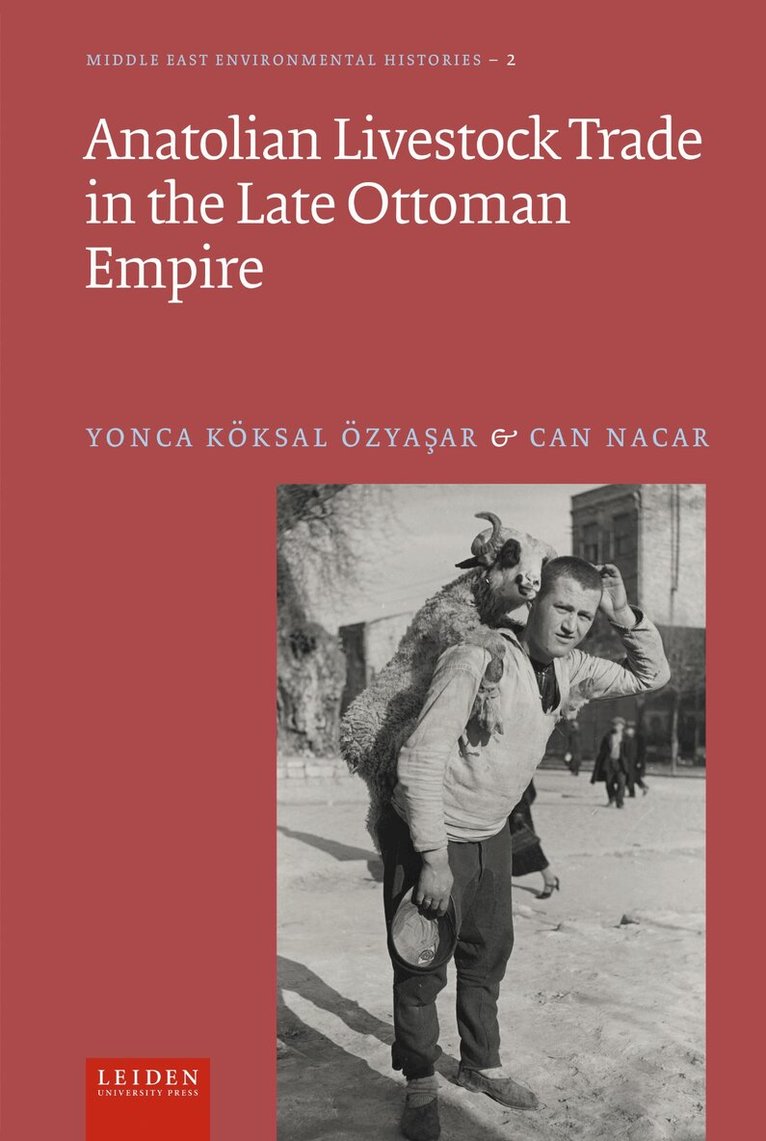
This book analyzes the expansion of the Anatolian livestock trade, focusing on sheep and cattle, during the nineteenth and early twentieth centuries— a period marked by significant changes in state policies, society and environment. It examines the impact of these changes on both human and non-human actors, maps trade routes and networks, and explores their transformations over time, thereby contributing to the literature on Ottoman environmental and socioeconomic history. The book identifies three regions -central, northeastern, and northwestern Anatolia- and four Eastern Mediterranean ports (İzmir, İskenderun, Mersin, and Antalya) as major centers of livestock trade. It examines a combination of environmental, economic, social, and political dynamics that shaped the emergence of these regions as primary suppliers of sheep to Istanbul and the ports as gateways for livestock exports. By highlighting diverse ecosystems and socioeconomic dynamics, and utilizing a variety of primary sources including Ottoman and British state documents, newspapers, memoirs, and travel accounts, the book aims to address several key questions: How did the ecosystems and socioeconomic dynamics of these regions and ports change in the nineteenth and early twentieth centuries? What were the repercussions of these changes on livestock production and trade? And how did they impact the organization of livestock and meat trade in Istanbul?
496 kr
Skickas inom 7-10 vardagar
Every society has an energy profile, that is, an array of energy sources, ranging in complexity from human power to nuclear fusion, that can be ranked according to their relative importance to that society. From about 4000 BE onward, animal muscle power becomes integrated into the energy profiles of many societies. The forms this integration takes include riding, carrying burdens, pulling wheeled vehicles and sleighs, operating mills and irrigation devices, and pulling plows, threshing sleds, and other agricultural implements. The use of animal power varies from region to region. These variations can be understood as falling into six discrete zones. The distinctive features of the arid zone from Morocco to Mongolia constitute the primary focus of this book. Successive chapters deal with caravan trading as a mode of production, the relationship between dairying and the availability of working animals, the spread of hybrid animal breeding (mules, bukhts, dzos) as an economic enterprise, and the integration of pastoral nomadism into the overall economy.