Midwest Archaeological Perspectives – serie
Visar alla böcker i serien Midwest Archaeological Perspectives. Handla med fri frakt och snabb leverans.
6 produkter
6 produkter
1 384 kr
Skickas inom 10-15 vardagar
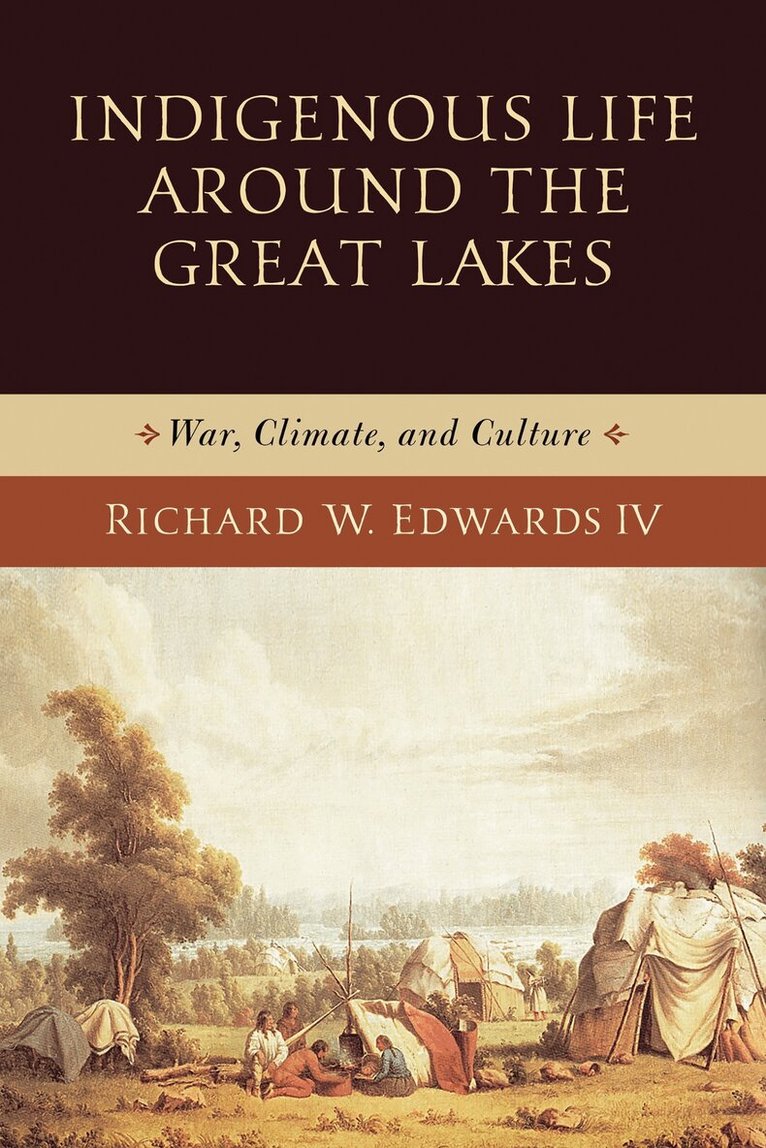
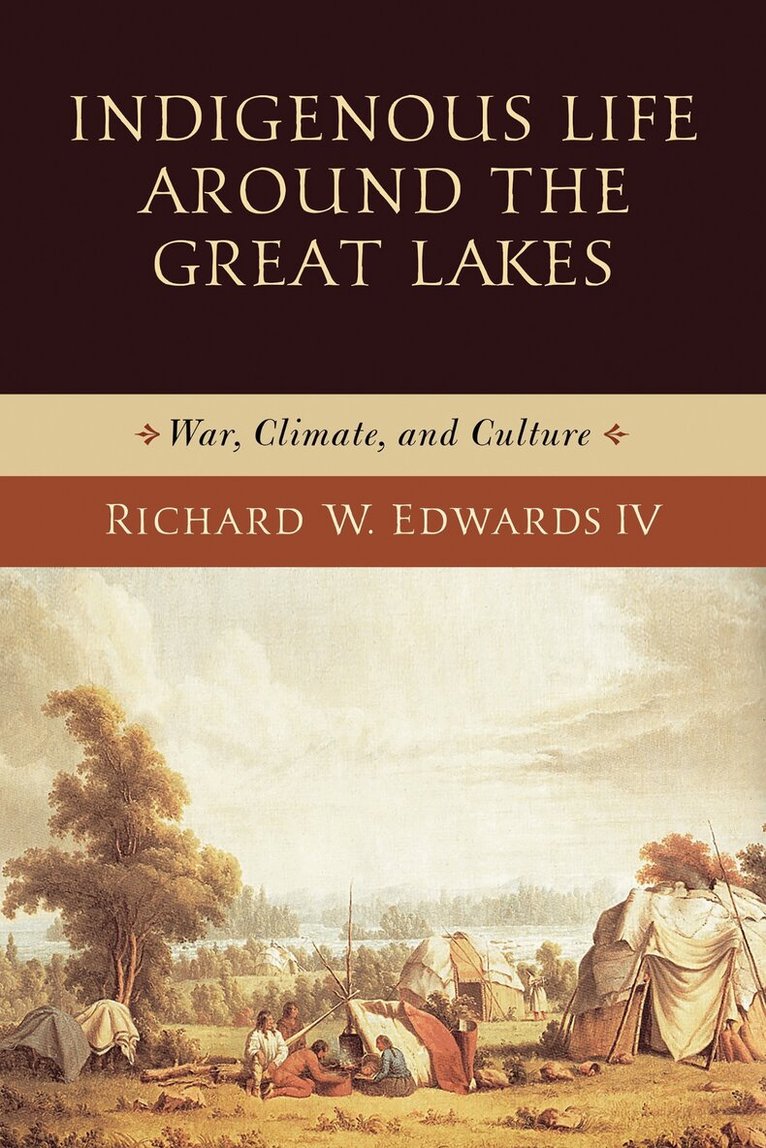
Enormous changes affected the inhabitants of the Eastern Woodlands area during the eleventh through fifteenth centuries AD. At this time many groups across this area (known collectively to archaeologists as Oneota) were aggregating and adopting new forms of material culture and food technology. This same period also witnessed an increase in intergroup violence, as well as a rise in climatic volatility with the onset of the Little Ice Age. In Indigenous Life around the Great Lakes, Richard W. Edwards explores how the inhabitants of the western Great Lakes region responded to the challenges of climate change, social change, and the increasingly violent physical landscape. As a case study, Edwards focuses on a group living in the Koshkonong Locality in what is now southeastern Wisconsin. Edwards contextualizes Koshkonong within the larger Oneota framework and in relation to the other groups living in the western Great Lakes and surrounding regions. Making use of a canine surrogacy approach, which avoids the destruction of human remains, Edwards analyzes the nature of groups' subsistence systems, the role of agriculture, and the risk-management strategies that were developed to face the challenges of their day. Based on this analysis, Edwards proposes how the inhabitants of this region organized themselves and how they interacted with neighboring groups. Edwards ultimately shows how the Oneota groups were far more agricultural than previously thought and also demonstrates how the maize agriculture of these groups was related to the structure of their societies.In bringing together multiple lines of archaeological evidence into a unique synthesis, Indigenous Life around the Great Lakes is an innovative book that will appeal to archaeologists who study the Midwest and surrounding regions, and it will also appeal to those who research risk management, agriculture, and the development of hierarchical societies more generally.
489 kr
Skickas inom 10-15 vardagar
Enormous changes affected the inhabitants of the Eastern Woodlands area during the eleventh through fifteenth centuries AD. At this time many groups across this area (known collectively to archaeologists as Oneota) were aggregating and adopting new forms of material culture and food technology. This same period also witnessed an increase in intergroup violence, as well as a rise in climatic volatility with the onset of the Little Ice Age. In Indigenous Life around the Great Lakes, Richard W. Edwards explores how the inhabitants of the western Great Lakes region responded to the challenges of climate change, social change, and the increasingly violent physical landscape. As a case study, Edwards focuses on a group living in the Koshkonong Locality in what is now southeastern Wisconsin. Edwards contextualizes Koshkonong within the larger Oneota framework and in relation to the other groups living in the western Great Lakes and surrounding regions. Making use of a canine surrogacy approach, which avoids the destruction of human remains, Edwards analyzes the nature of groups' subsistence systems, the role of agriculture, and the risk-management strategies that were developed to face the challenges of their day. Based on this analysis, Edwards proposes how the inhabitants of this region organized themselves and how they interacted with neighboring groups. Edwards ultimately shows how the Oneota groups were far more agricultural than previously thought and also demonstrates how the maize agriculture of these groups was related to the structure of their societies.In bringing together multiple lines of archaeological evidence into a unique synthesis, Indigenous Life around the Great Lakes is an innovative book that will appeal to archaeologists who study the Midwest and surrounding regions, and it will also appeal to those who research risk management, agriculture, and the development of hierarchical societies more generally.
1 109 kr
Skickas inom 10-15 vardagar
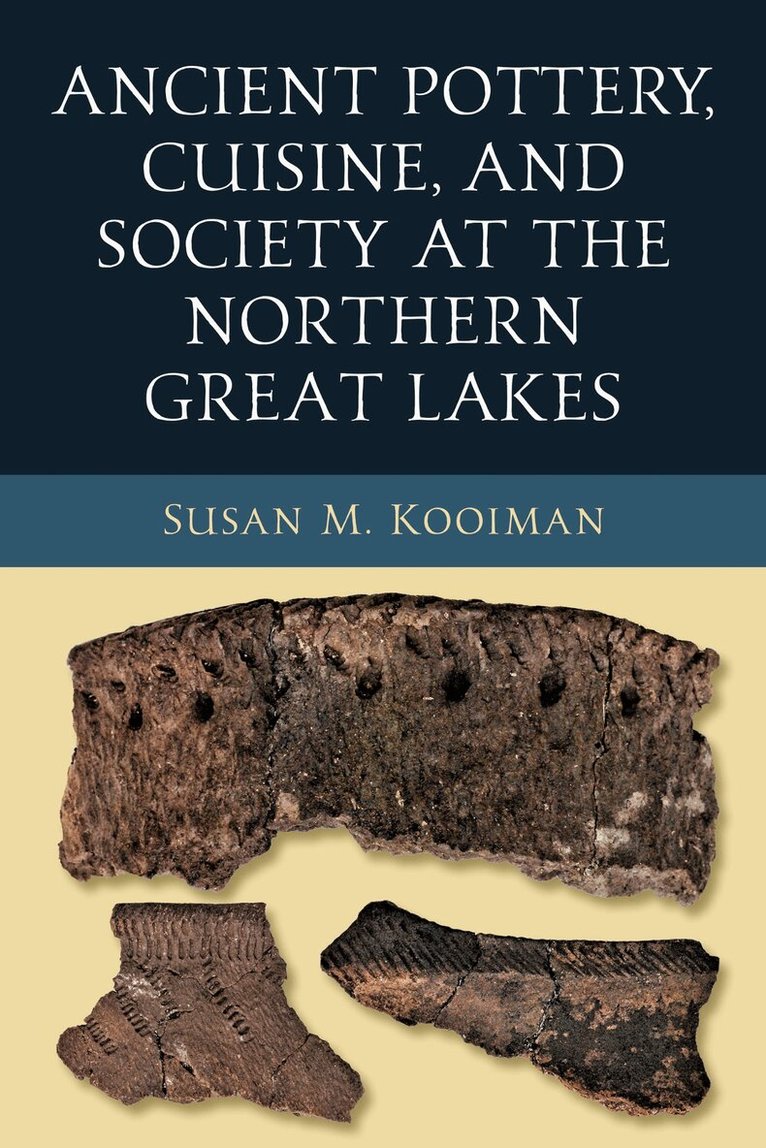
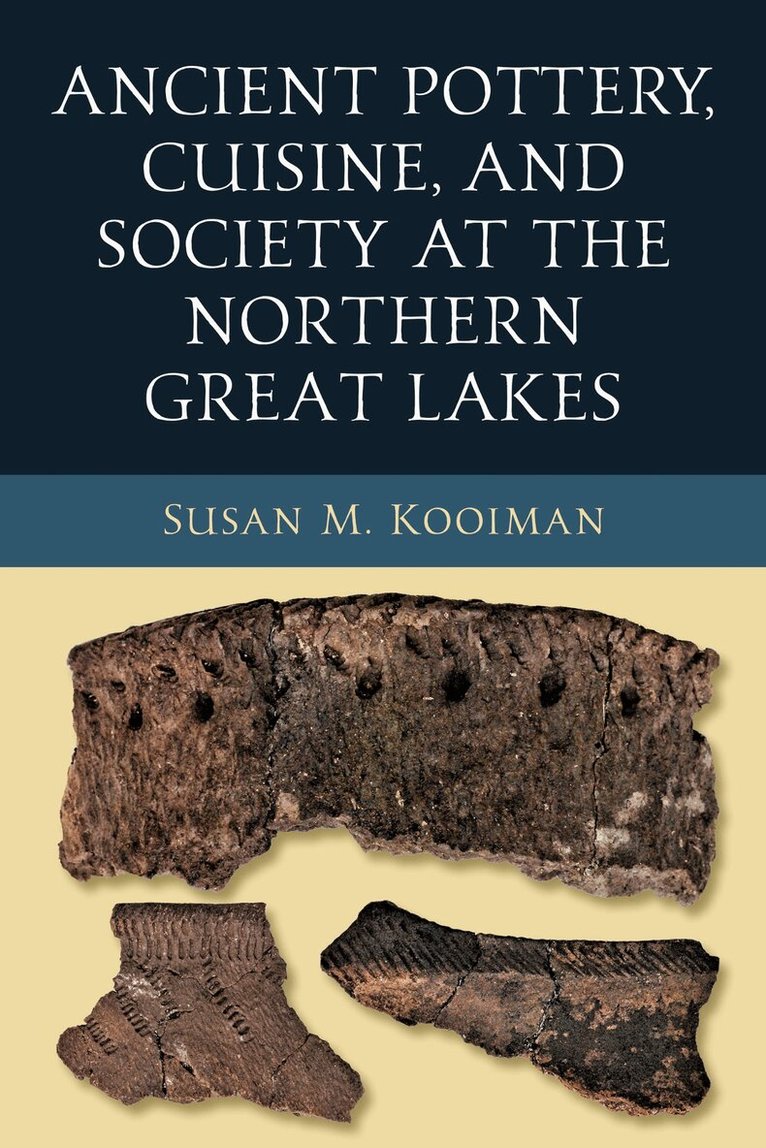
This innovative archaeological study of diet and cooking technology sheds light on ancient cuisine.Ancient cuisine is one of the hot topics in today's archaeology. This book explores changing settlement and subsistence in the Northern Great Lakes from the perspective of food-processing technology and cooking. Susan Kooiman examines precontact Indigenous pottery from the Cloudman site on Drummond Island on the far eastern end of Michigan's Upper Peninsula to investigate both how pottery technology, pottery use, diet, and cooking habits change over time and how these changes relate to hypothesized transitions in subsistence, settlement, and social patterns among Indigenous pottery-making groups in this area.Kooiman demonstrates that ceramic technology and cooking techniques evolved to facilitate new subsistence and processing needs. Her interpretations of past cuisine and culinary identities are further supported and enhanced through comparisons with ethnographic and ethnohistoric accounts of local Indigenous cooking and diet. The complementary nature of these diverse methods demonstrates a complex interplay of technology, environment, and social relationships, and underscores the potential applications of such an analytic suite to long-standing questions in the Northern Great Lakes and other archaeological contexts worldwide. This clearly written book will interest students and scholars of archaeology and anthropology, as well as armchair archaeologists who want to learn more about Indigenous/Native American studies, food studies and cuisine, pottery, cooking, and food history.
489 kr
Skickas inom 10-15 vardagar
This innovative archaeological study of diet and cooking technology sheds light on ancient cuisine.Ancient cuisine is one of the hot topics in today's archaeology. This book explores changing settlement and subsistence in the Northern Great Lakes from the perspective of food-processing technology and cooking. Susan Kooiman examines precontact Indigenous pottery from the Cloudman site on Drummond Island on the far eastern end of Michigan's Upper Peninsula to investigate both how pottery technology, pottery use, diet, and cooking habits change over time and how these changes relate to hypothesized transitions in subsistence, settlement, and social patterns among Indigenous pottery-making groups in this area.Kooiman demonstrates that ceramic technology and cooking techniques evolved to facilitate new subsistence and processing needs. Her interpretations of past cuisine and culinary identities are further supported and enhanced through comparisons with ethnographic and ethnohistoric accounts of local Indigenous cooking and diet. The complementary nature of these diverse methods demonstrates a complex interplay of technology, environment, and social relationships, and underscores the potential applications of such an analytic suite to long-standing questions in the Northern Great Lakes and other archaeological contexts worldwide. This clearly written book will interest students and scholars of archaeology and anthropology, as well as armchair archaeologists who want to learn more about Indigenous/Native American studies, food studies and cuisine, pottery, cooking, and food history.
1 124 kr
Kommande
305 kr
Kommande