Minorities in Architecture – serie
Visar alla böcker i serien Minorities in Architecture. Handla med fri frakt och snabb leverans.
5 produkter
5 produkter
665 kr
Skickas inom 10-15 vardagar
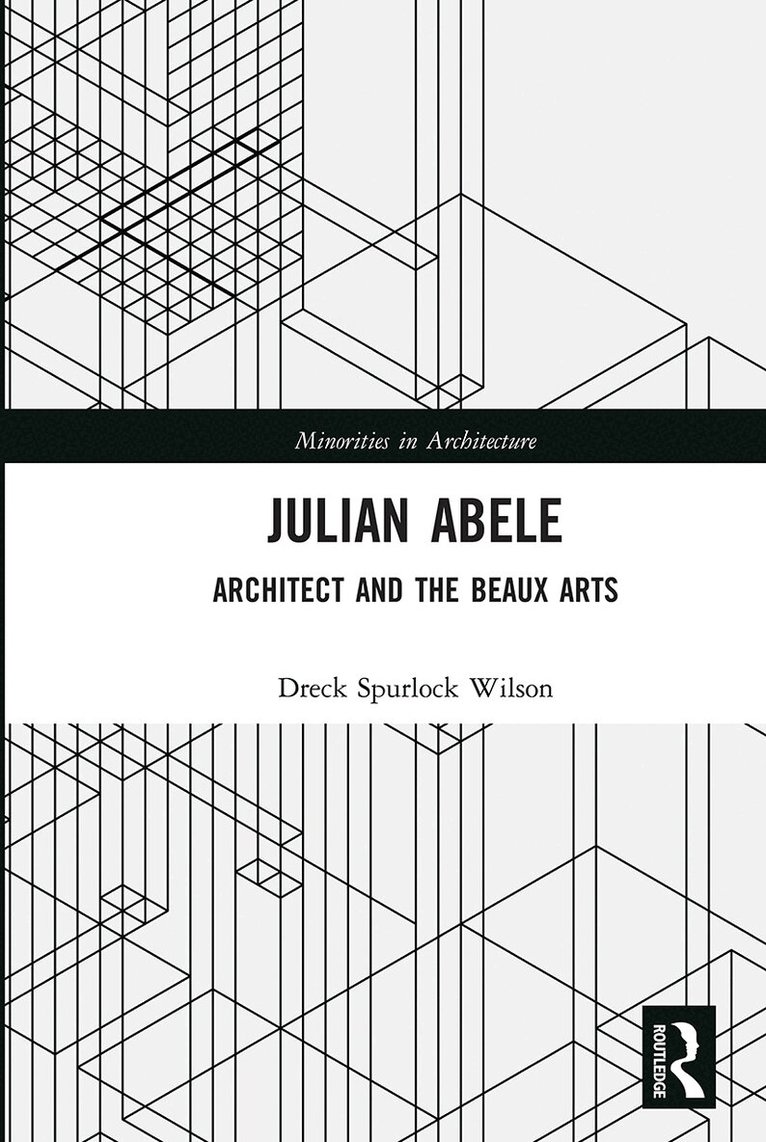
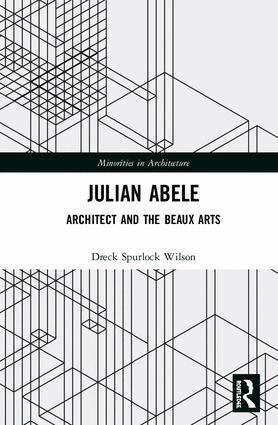
Julian Abele, Architect and the Beaux Arts uncovers the life of one of the first beaux arts trained African American architects. Overcoming racial segregation at the beginning of the twentieth century, Abele received his architecture degree from the University of Pennsylvania in 1902. Wilson traces Abele’s progress as he went on to become the most formally educated architect in America at that time. Abele later contributed to the architectural history of America by designing over 200 buildings throughout his career including the Widener Memorial Library (1913) at Harvard University and the Free Library of Philadelphia (1917). Architectural history is a valuable resource for those studying architecture. As such this book is beneficial for academics and students of architecture and architectural historians with a particular interest in minority discussions.
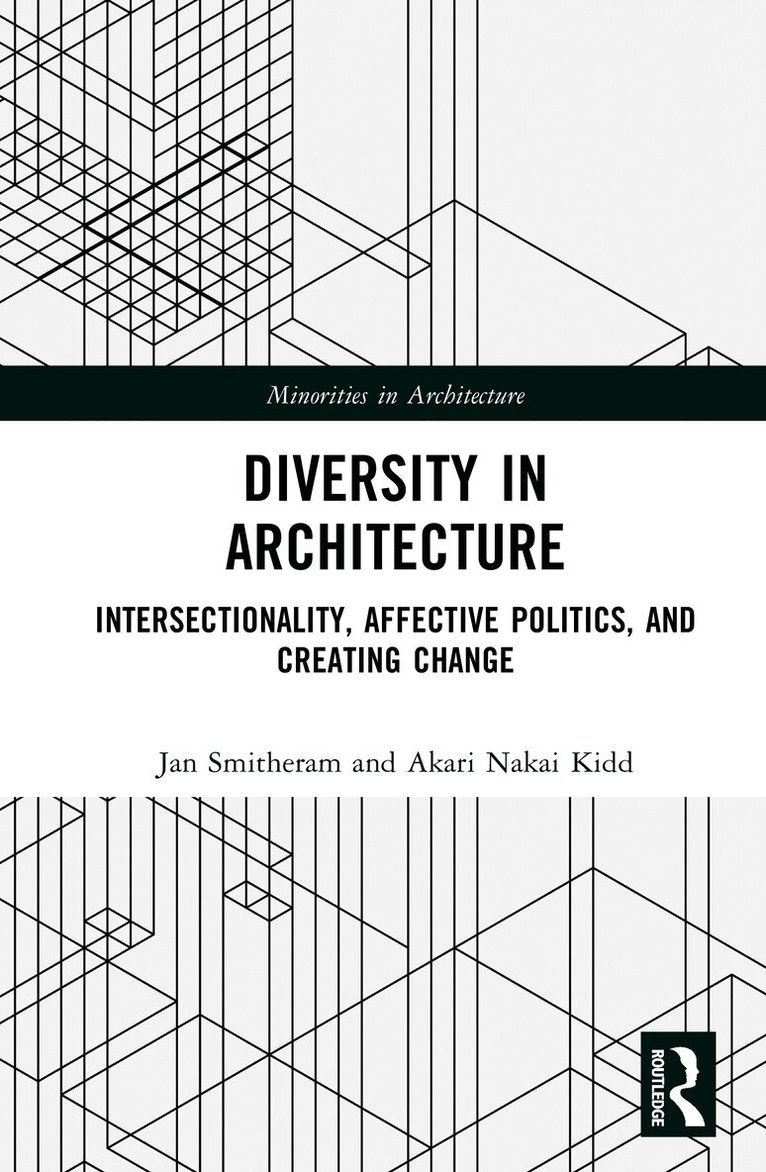
Diversity in Architecture
Intersectionality, Affective Politics, and Creating Change
Inbunden, Engelska, 2025
2 176 kr
Skickas inom 10-15 vardagar
Diversity in Architecture: Intersectionality, Affective Politics, and Creating Change explores diversity in architecture through an intersectional lens. It examines how overlapping individual identities, cultural ideologies, and institutional practices shape the profession.Divided into two parts, this book first explores how values, norms, and ideologies are constructed, circulated, and reinforced through media representations – both from without and from within. The second leans into voices from academics and architects within spaces of education and practice, who share their lived experiences navigating power structures and affective politics that marginalise diverse voices. Considering praxis and actions to create change where care is central, it asks: what happens if we bring intersectionality to the picture of diversity in architecture – through media, education, practice? How can affective solidarity and relationality foster change? What role does intersectional care play in dismantling systemic barriers and reimagining a more inclusive future? Written in dialogue with, and for architectural academics, practitioners, students, as well as wider audiences invested in diversity, this book opens its readers to the importance of mobilising diversity in architecture through intersectionality and affect, towards lasting change.
2 325 kr
Kommande
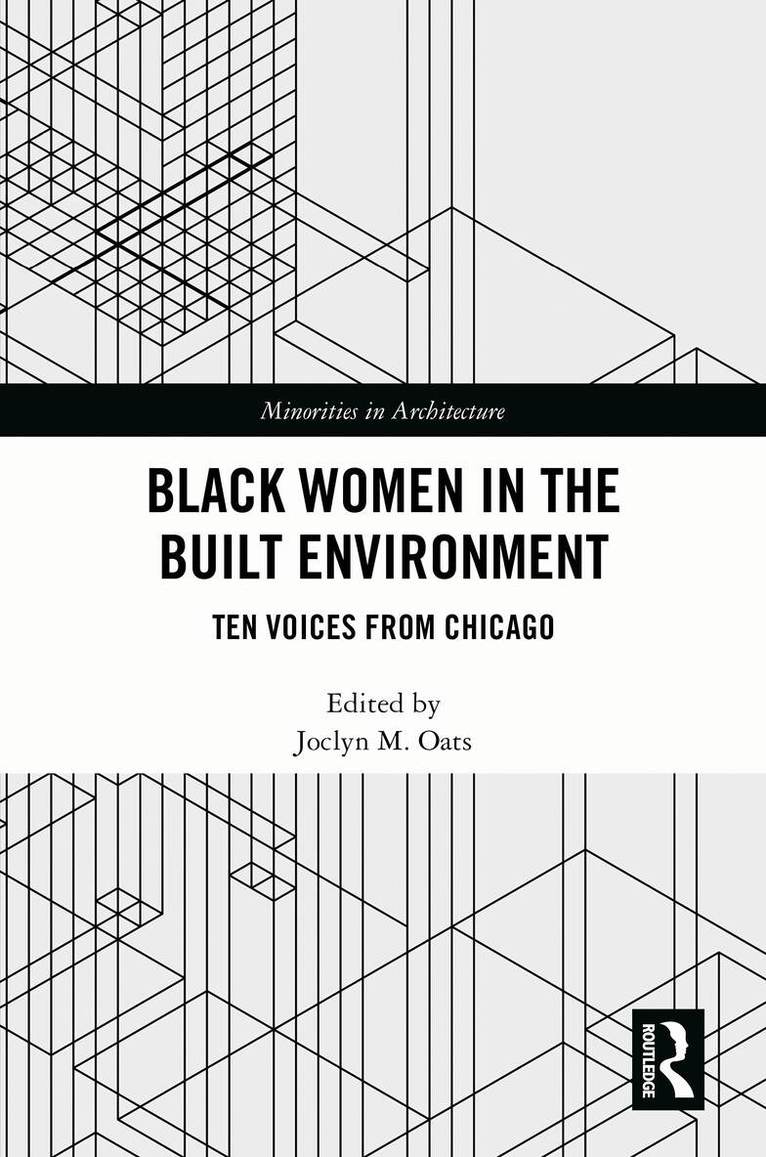
This book showcases the women of the Black Diaspora and quantifies their impact in reshaping the built environment in the 21st century. The collection includes experiences from black female architects, urban planners, interior architects, interior designers to demonstrate how they have, and still are, repaving the landscape for future generations.The book focuses specifically on ten diasporic women connected to Chicago, which has long been a laboratory for architectural innovation and experimentation. The women span generations and have gained prominence for their contributions, not only physically shaping the built environment, but authoring a changed perspective of ‘who’ are the contributors. Each woman in her own way has assisted in establishing a path for Black Diasporic Women to build careers in architecture and tangential professions. The book’s content is a compilation of ten stories, which each woman narrating her memories and experiences throughout her career journey accompanied by images of selected projects. The book focuses on the women’s stories and their journey to becoming a model for success. However, critical to the theme is understanding that belonging to the same African Diasporic community does not inherently speak to the same black experience and journey.This book will both inform and inspire future generations of Black Diasporic Women and demonstrate the role they can play in reshaping the built environment’s landscape. It will be of interest to academics and students of the built environment, as well as gender studies, and race and ethnicity studies.
2 325 kr
Kommande
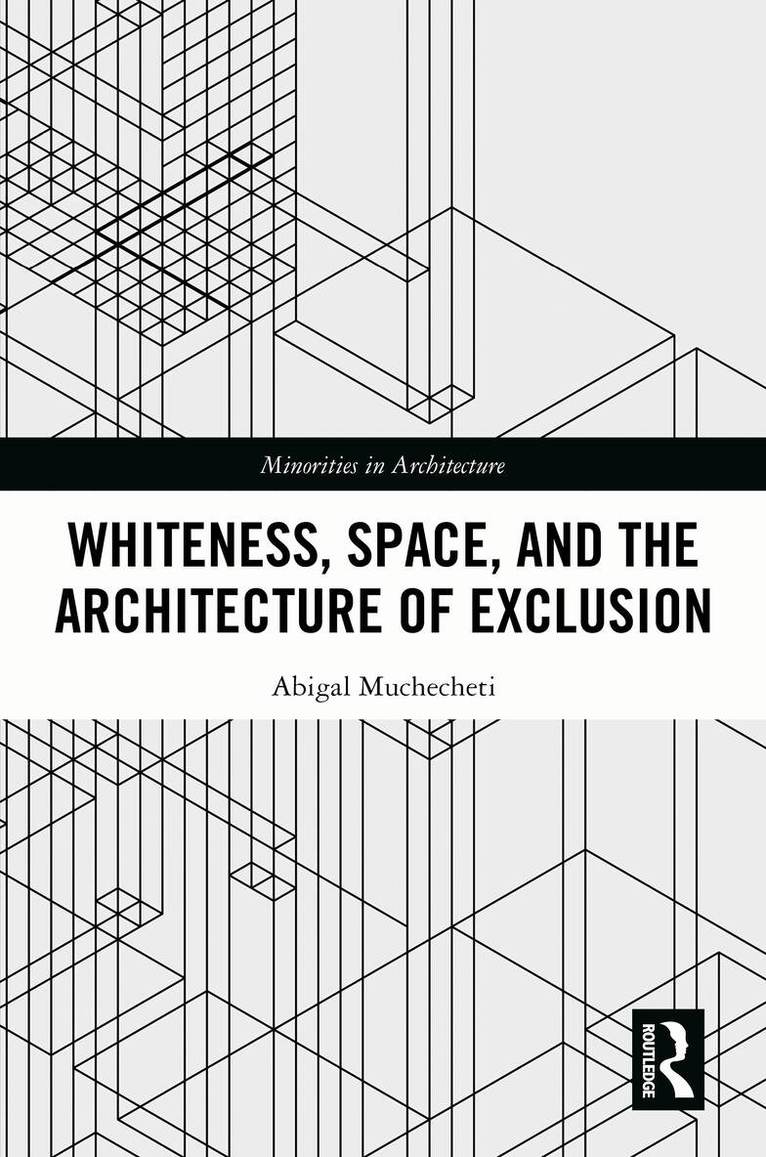
Whiteness, Space, and the Architecture of Exclusion examines how institutional spaces, lecture theatres, corridors, offices, and boardrooms actively shape who belongs and who is marginalised. While diversity and inclusion efforts often focus on representation, leadership, and policy, this book argues that space itself is a critical and overlooked dimension of inequality.Drawing on Black feminist theory, disability justice, and spatial analysis, the book explores how whiteness operates through architectural design, temporal regimes, and everyday institutional practices. It combines conceptual analysis with lived experience to examine themes such as architectural privilege, the performance of inclusion, containment through bureaucracy, and the regulation of movement, access, and visibility. By shifting attention from who occupies space to how space is organised, this book offers a new framework for understanding institutional power.This book will be of interest to scholars and students of critical race studies, architecture, geography, higher education, and organisational studies, as well as policymakers, architects, and institutional leaders concerned with equity, access, and social justice.
2 176 kr
Skickas inom 10-15 vardagar
Julian Abele, Architect and the Beaux Arts uncovers the life of one of the first beaux arts trained African American architects. Overcoming racial segregation at the beginning of the twentieth century, Abele received his architecture degree from the University of Pennsylvania in 1902. Wilson traces Abele’s progress as he went on to become the most formally educated architect in America at that time. Abele later contributed to the architectural history of America by designing over 200 buildings throughout his career including the Widener Memorial Library (1913) at Harvard University and the Free Library of Philadelphia (1917). Architectural history is a valuable resource for those studying architecture. As such this book is beneficial for academics and students of architecture and architectural historians with a particular interest in minority discussions.