
Natural Resources of South-East Asia – serie
Visar alla böcker i serien Natural Resources of South-East Asia. Handla med fri frakt och snabb leverans.
3 produkter
3 produkter
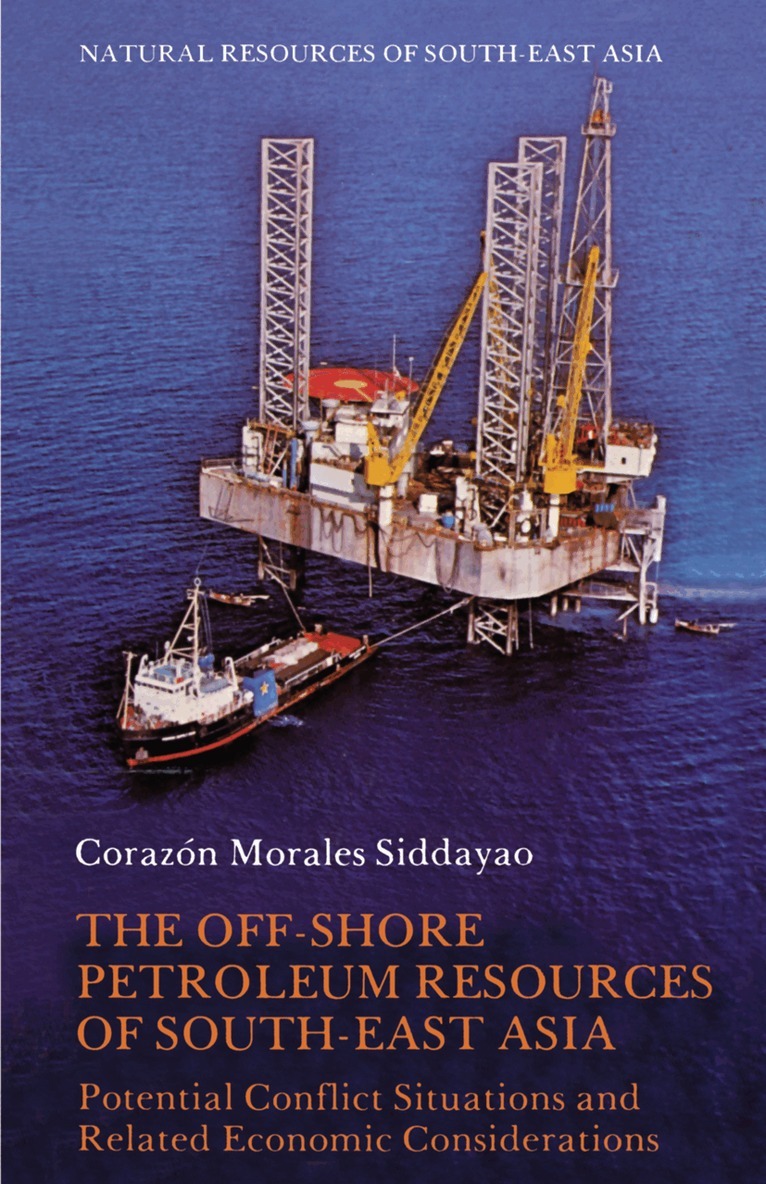
Häftad, Engelska, 1978
545 kr
Skickas inom 10-15 vardagar
l INTEREST in the off-shore petroleum resources of South-East Asia was manifested in the 1960s when development in off-shore technol ogy allowed oil companies to search beyond prospective land areas.
Häftad, Engelska, 2012
545 kr
Skickas inom 10-15 vardagar
which may be termed 'political. risks'-may be important deter minants of investment. After taking such risks into consideration in the exploration and development stage, a firm computing the pres ent value of its probable income stream must consider several other factors. In addition to the current rate of production, it must con sider these: (I) engineering limits to the rate of extraction in any given period, (2) physical limits to the total amount of the resource that can be produced within a given location, and (3) limits to the availability of new petroleum sources at the same costs as at the present location. It might be useful at this point to note that the firm as an explo ration agent in South-East Asia operates largely as a contractor to the host government who has ownership and final control over the petroleum resources. The group of suppliers of petroleum reserves in the region is characterized by the presence of the major com panies, directly or through subsidiaries, as well as by many small er, and even independent, companies. Three major companies currently dominate exploration and producing operations in two countries-Exxon and Shell in Malaysia, Shell in Brunei. In Indonesia, Caltex and Stanvac dominate production. Outside Malaysia and Brunei the bulk of new exploration is conducted by relatively smaller companies side-by-side with the major companies like Exxon, Gulf, Mobil, Shell, and Texaco.
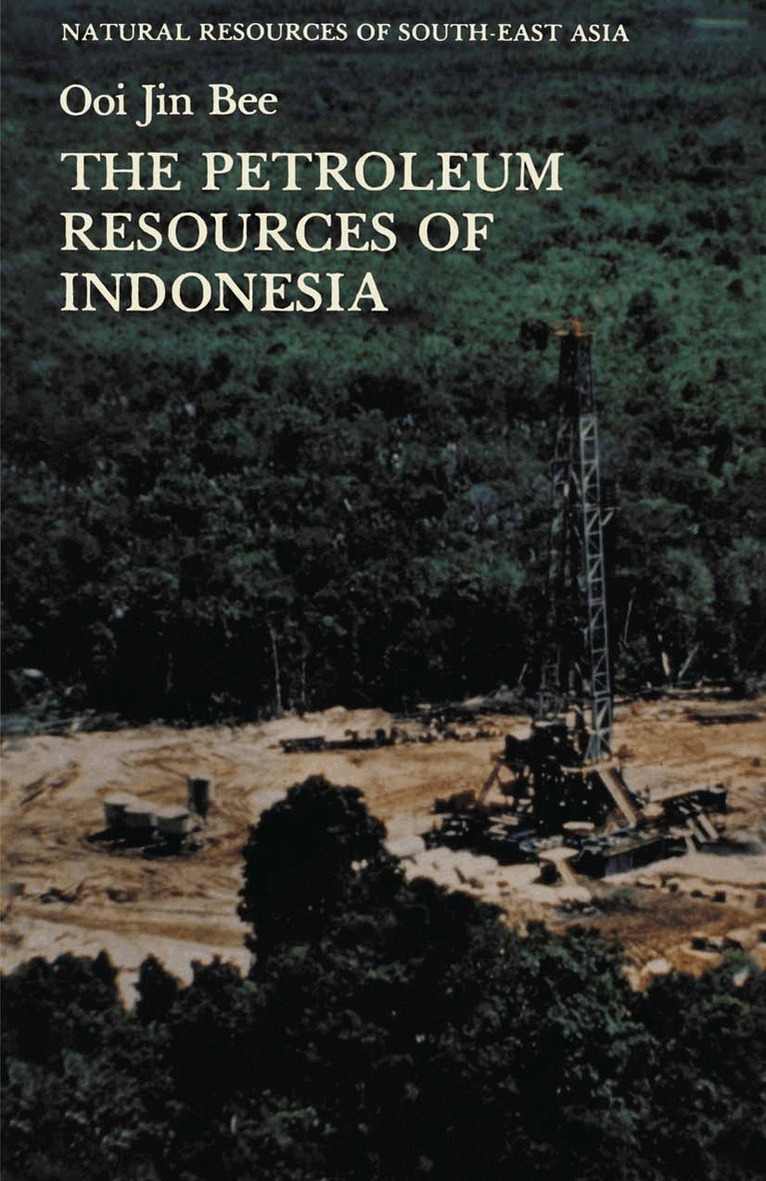
Häftad, Engelska, 2013
545 kr
Skickas inom 10-15 vardagar
THE quadrupling of oil prices within a few months in late 1973 and early 1974 brought to an abrupt end the era of inexpensive oil. Since then the continuing increases in the price of oil traded in the international market and the higher prices of imports of manu factured goods have seriously disrupted the foreign exchange balances of many developing countries and forced them to replan their development programmes. The impact of high oil prices is felt in every country, whether developed or developing, and has brought to world attention the fact that not only are petroleum resources in limited supply and exhaustible but also that substitutes cannot be found easily or quickly. In a world faced with the certainty of declining supplies of petroleum there is widespread interest and concern among all the oil producing countries to evaluate the extent of their petroleum resources and to examine more closely the problems of their development, rates of depletion and methods of conservation. The present work reviews some of the above issues and problems in relation to Indonesia, an OPEC member, and the major oil producing country in South-East Asia. More specifically, it seeks to provide the reader with an overview of the petroleum resources of the country their nature, extent, distribution as well as the problems of their development.