New Biological Anthropology - Böcker
Visar alla böcker i serien New Biological Anthropology. Handla med fri frakt och snabb leverans.
10 produkter
10 produkter
754 kr
Skickas inom 10-15 vardagar
Genetic Ancestry focuses on the scientific nature and limitations of genetic ancestry testing. Co-authored by a genetic anthropologist and a cultural anthropologist, it examines the social, historical, and cultural dimensions of how people interpret genetic ancestry data. Utilizing examples from popular culture around the world and case studies from the Caribbean, the chapters highlight how genetic technology can sometimes bolster racial thinking and serve as tool of resistance and social justice.
Dialectical Primatologist
The Past, Present and Future of Life in the Hominoid Niche
Inbunden, Engelska, 2021
2 113 kr
Skickas inom 10-15 vardagar
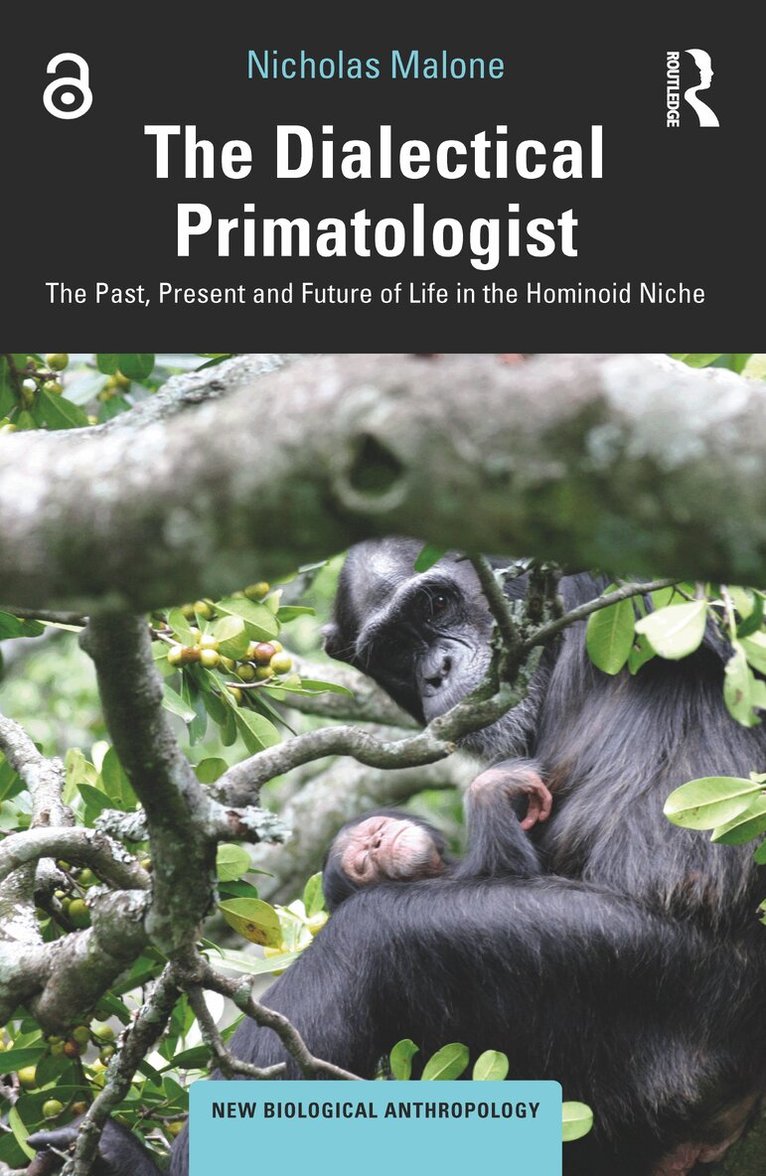
The Dialectical Primatologist identifies the essential parameters vital for the continued coexistence of hominoids (apes and humans), synthesising primate research and conservation in order to develop culturally compelling conservation strategies required for the facilitation of hominoid coexistence.As unsustainable human activities threaten many primate species with extinction, effective conservation strategies for endangered primates will depend upon our understanding of behavioural response to human-modified habitats. This is especially true for the apes, who are arguably our most powerful connection to the natural world. Recognising the inseparability of the natural and the social, the dialectical approach in this book highlights the heterogeneity and complexity of ecological relationships. Malone stresses that ape conservation requires a synthesis of nature and culture that recognises their inseparability in ecological relationships that are both biophysically and socially formed, and seeks to identify the pathways that lead to either hominoid coexistence or, alternatively, extinction.This book will be of keen interest to academics in biological anthropology, primatology, environmental anthropology, conservation and human–animal studies.The Open Access version of this book, available at http://www.taylorfrancis.com, has been made available under a Creative Commons Attribution-Non Commercial-No Derivatives (CC-BY-NC-ND) 4.0 license.
Dialectical Primatologist
The Past, Present and Future of Life in the Hominoid Niche
Häftad, Engelska, 2021
564 kr
Skickas inom 10-15 vardagar
The Dialectical Primatologist identifies the essential parameters vital for the continued coexistence of hominoids (apes and humans), synthesising primate research and conservation in order to develop culturally compelling conservation strategies required for the facilitation of hominoid coexistence.As unsustainable human activities threaten many primate species with extinction, effective conservation strategies for endangered primates will depend upon our understanding of behavioural response to human-modified habitats. This is especially true for the apes, who are arguably our most powerful connection to the natural world. Recognising the inseparability of the natural and the social, the dialectical approach in this book highlights the heterogeneity and complexity of ecological relationships. Malone stresses that ape conservation requires a synthesis of nature and culture that recognises their inseparability in ecological relationships that are both biophysically and socially formed, and seeks to identify the pathways that lead to either hominoid coexistence or, alternatively, extinction.This book will be of keen interest to academics in biological anthropology, primatology, environmental anthropology, conservation and human–animal studies.The Open Access version of this book, available at http://www.taylorfrancis.com, has been made available under a Creative Commons Attribution-Non Commercial-No Derivatives (CC-BY-NC-ND) 4.0 license.
333 kr
Skickas inom 10-15 vardagar
Genetic Ancestry focuses on the scientific nature and limitations of genetic ancestry testing. Co-authored by a genetic anthropologist and a cultural anthropologist, it examines the social, historical, and cultural dimensions of how people interpret genetic ancestry data. Utilizing examples from popular culture around the world and case studies from the Caribbean, the chapters highlight how genetic technology can sometimes bolster racial thinking and serve as tool of resistance and social justice.
2 176 kr
Skickas inom 10-15 vardagar
How do we age? Why do we age? How and why does menopause happen? Do different cultures have different approaches and attitudes to, and experiences of, aging and menopause? Reframing Aging: Insights from Biology and Culture of Midlife Japanese uses a biocultural framework to try to answer these questions, and gain insights on aging and menopause in Japan, the United States, and beyond.Drawing on years of fieldwork and lab work in Japan, and over a decade of living and working in Japan at several universities and the National Institute of Health and Nutrition, with follow‑up interviews spanning over 20 years, Melissa Melby challenges what are often considered “normal” experiences of aging and menopause. This book introduces a proximate‑ultimate biocultural framework to guide the reader through questions of how (proximate) and why (ultimate) we age, and experience menopause, as we do. Drawing insights from evolutionary biology and societal‑level phenomena, and the language of lived experience, it explores how cross‑cultural variation in expectations, medicalization, collectivism, lifestyles, and other factors may influence how symptoms of aging and menopause are perceived, experienced, and treated.Reframing Aging: Insights from Biology and Culture of Midlife Japanese offers new approaches and insightful perspectives for students of biological/cultural/medical anthropology, gerontology, Asian studies, women and gender studies, medicine, and public health.
595 kr
Skickas inom 10-15 vardagar
How do we age? Why do we age? How and why does menopause happen? Do different cultures have different approaches and attitudes to, and experiences of, aging and menopause? Reframing Aging: Insights from Biology and Culture of Midlife Japanese uses a biocultural framework to try to answer these questions, and gain insights on aging and menopause in Japan, the United States, and beyond.Drawing on years of fieldwork and lab work in Japan, and over a decade of living and working in Japan at several universities and the National Institute of Health and Nutrition, with follow‑up interviews spanning over 20 years, Melissa Melby challenges what are often considered “normal” experiences of aging and menopause. This book introduces a proximate‑ultimate biocultural framework to guide the reader through questions of how (proximate) and why (ultimate) we age, and experience menopause, as we do. Drawing insights from evolutionary biology and societal‑level phenomena, and the language of lived experience, it explores how cross‑cultural variation in expectations, medicalization, collectivism, lifestyles, and other factors may influence how symptoms of aging and menopause are perceived, experienced, and treated.Reframing Aging: Insights from Biology and Culture of Midlife Japanese offers new approaches and insightful perspectives for students of biological/cultural/medical anthropology, gerontology, Asian studies, women and gender studies, medicine, and public health.
2 113 kr
Skickas inom 10-15 vardagar
This book argues for a contemporary primatology that recognizes humans as integral components in the ecologies of primates. This contemporary primatology uses a broadened theoretical lens and methodological toolkit to study primate behavior and ecology in increasingly anthropogenic contexts and seeks points of intersection and spaces for collaborative exchange across the natural sciences, social sciences, and humanities. The book begins by exploring the American tradition of anthropology, providing historical and disciplinary context for the emergence of field primatology and how it became a part of this tradition. It then examines how primatology transformed into a field dominated by evolutionary approaches and highlights how the increasingly anthropogenic environments in which primates live present opportunities to understand primate adaptability at work. In doing so, it explores how an extended evolutionary approach can help explain behavioral variation in these contemporary environments. Focus is then given to the ethnoprimatological approach, a contemporary approach that provides a pluralistic framework, drawing from the natural and social sciences and humanities, needed to study human-primate coexistence in the Anthropocene. Finally, the book considers how such a crossing of disciplines can inform primate conservation in the future.An important interdisciplinary reassessment, this book will be of significant interest to primatologists, biological anthropologists, and scholars of anthropology more generally, as well as evolutionary and conservation biologists.
564 kr
Skickas inom 10-15 vardagar
This book argues for a contemporary primatology that recognizes humans as integral components in the ecologies of primates. This contemporary primatology uses a broadened theoretical lens and methodological toolkit to study primate behavior and ecology in increasingly anthropogenic contexts and seeks points of intersection and spaces for collaborative exchange across the natural sciences, social sciences, and humanities. The book begins by exploring the American tradition of anthropology, providing historical and disciplinary context for the emergence of field primatology and how it became a part of this tradition. It then examines how primatology transformed into a field dominated by evolutionary approaches and highlights how the increasingly anthropogenic environments in which primates live present opportunities to understand primate adaptability at work. In doing so, it explores how an extended evolutionary approach can help explain behavioral variation in these contemporary environments. Focus is then given to the ethnoprimatological approach, a contemporary approach that provides a pluralistic framework, drawing from the natural and social sciences and humanities, needed to study human-primate coexistence in the Anthropocene. Finally, the book considers how such a crossing of disciplines can inform primate conservation in the future.An important interdisciplinary reassessment, this book will be of significant interest to primatologists, biological anthropologists, and scholars of anthropology more generally, as well as evolutionary and conservation biologists.
2 316 kr
Skickas inom 10-15 vardagar
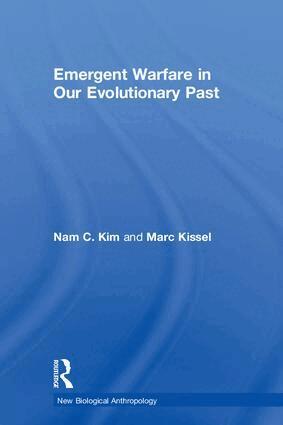
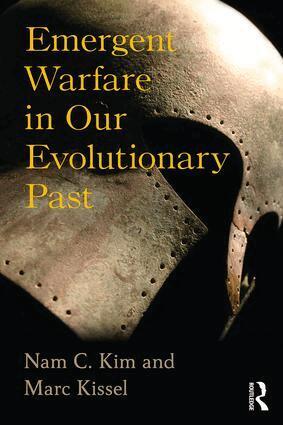
Why do we fight? Have we always been fighting one another? This book examines the origins and development of human forms of organized violence from an anthropological and archaeological perspective. Kim and Kissel argue that human warfare is qualitatively different from forms of lethal, intergroup violence seen elsewhere in the natural world, and that its emergence is intimately connected to how humans evolved and to the emergence of human nature itself.
581 kr
Skickas inom 10-15 vardagar
Why do we fight? Have we always been fighting one another? This book examines the origins and development of human forms of organized violence from an anthropological and archaeological perspective. Kim and Kissel argue that human warfare is qualitatively different from forms of lethal, intergroup violence seen elsewhere in the natural world, and that its emergence is intimately connected to how humans evolved and to the emergence of human nature itself.