New Directions in Classics – serie
Visar alla böcker i serien New Directions in Classics. Handla med fri frakt och snabb leverans.
19 produkter
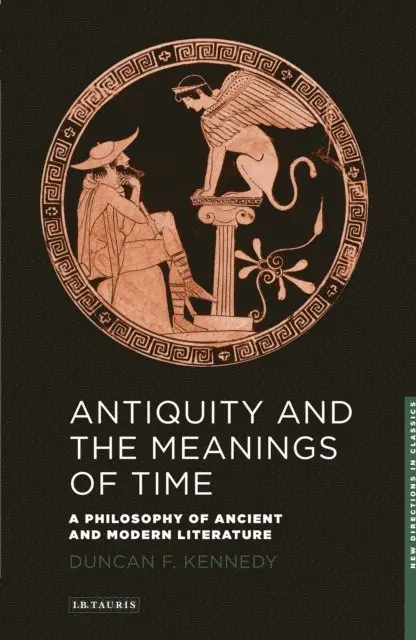
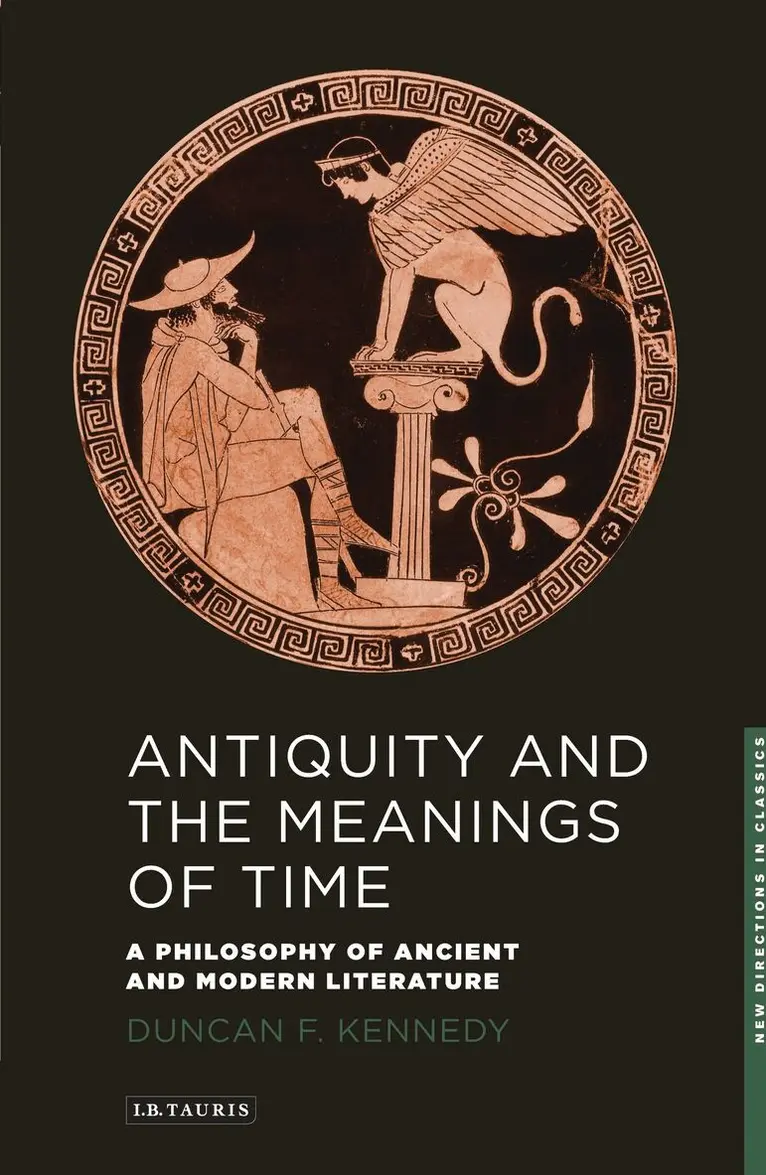
Antiquity and the Meanings of Time
A Philosophy of Ancient and Modern Literature
E-bok, 2013
466 kr
Lägg i varukorg
Society and contemporary culture seem forever fascinated by the topic of time. In modern fiction, Ian McEwan (The Child in Time) and Martin Amis (Time's Arrow) have led the way in exploring the human condition in relation to past, present and future. In cinema, several cultural texts (Memento, …
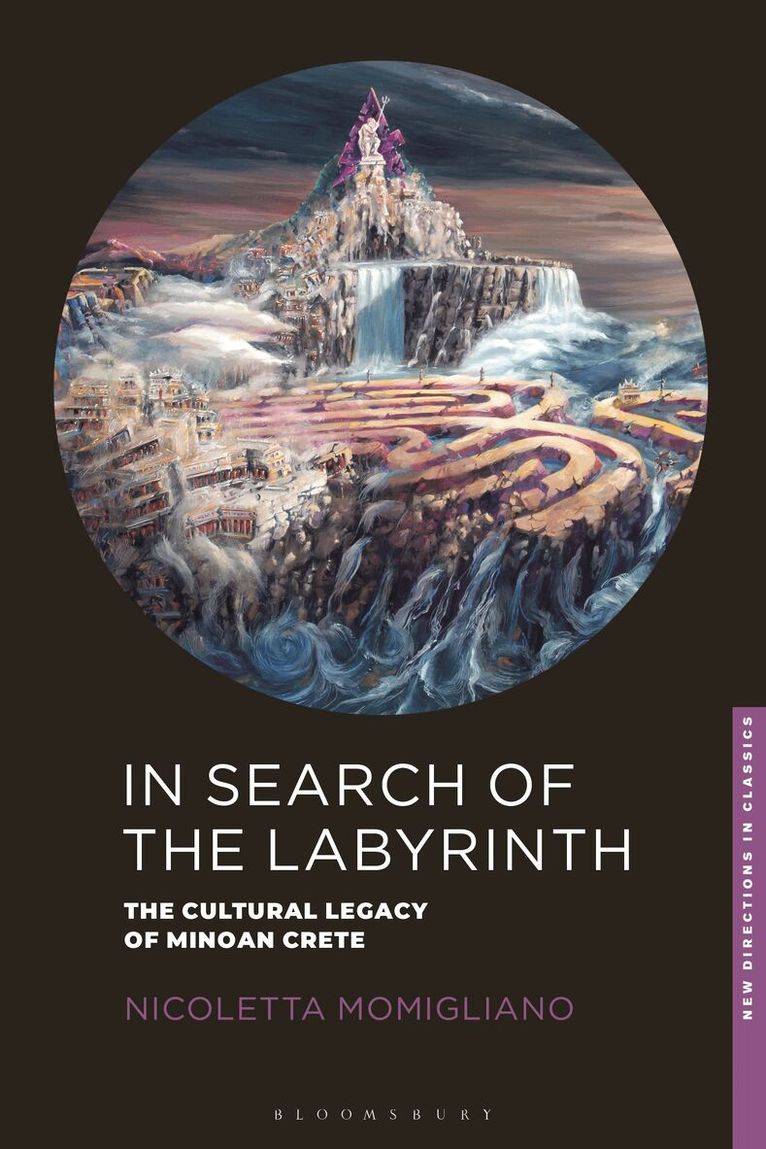
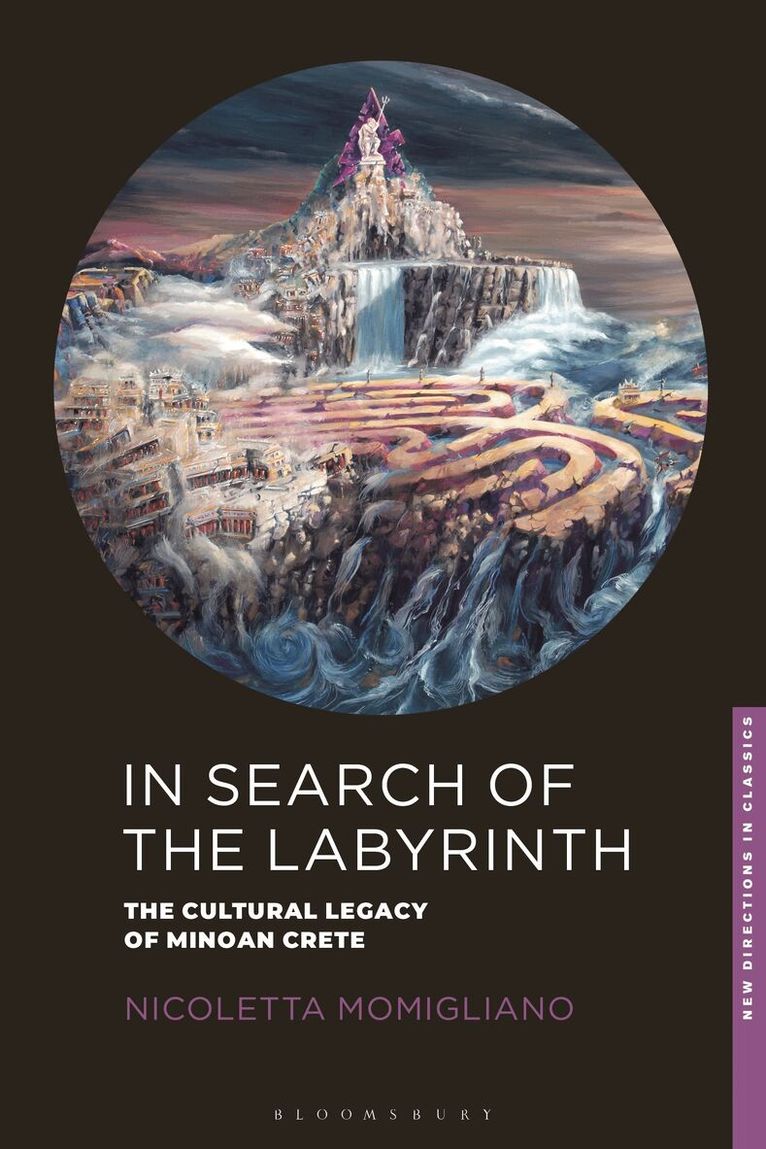
In Search of the Labyrinth
The Cultural Legacy of Minoan Crete
Av Nicoletta Momigliano, Fiachra Mac Góráin
Häftad, 2020
325 kr
Lägg i varukorg
Longlisted for the Runciman Book Award 2021Shortlisted for the European Association of Archaeologists 2023 book prizeIn Search of the Labyrinth explores the enduring cultural legacy of Minoan Crete by offering an overview of Minoan archaeology and modern responses to it in literature, the visual …
In Search of the Labyrinth
The Cultural Legacy of Minoan Crete
E-bok, 2020
385 kr
Lägg i varukorg
Longlisted for the Runciman Book Award 2021 Shortlisted for the European Association of Archaeologists 2023 book prize In Search of the Labyrinth explores the enduring cultural legacy of Minoan Crete by offering an overview of Minoan archaeology and modern responses to it in literature, the visual …
In Search of the Labyrinth
The Cultural Legacy of Minoan Crete
E-bok, 2020
385 kr
Lägg i varukorg
Longlisted for the Runciman Book Award 2021 Shortlisted for the European Association of Archaeologists 2023 book prize In Search of the Labyrinth explores the enduring cultural legacy of Minoan Crete by offering an overview of Minoan archaeology and modern responses to it in literature, the visual …
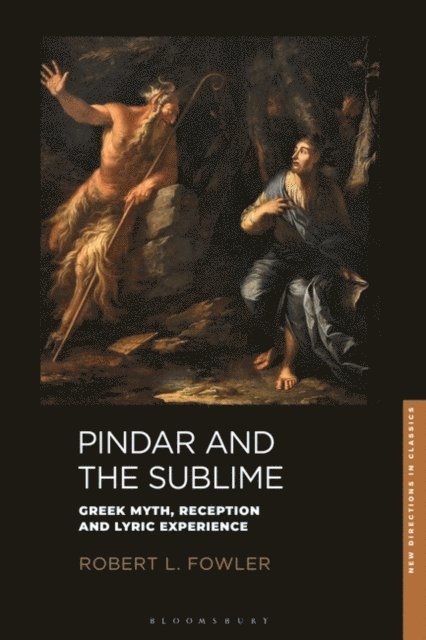
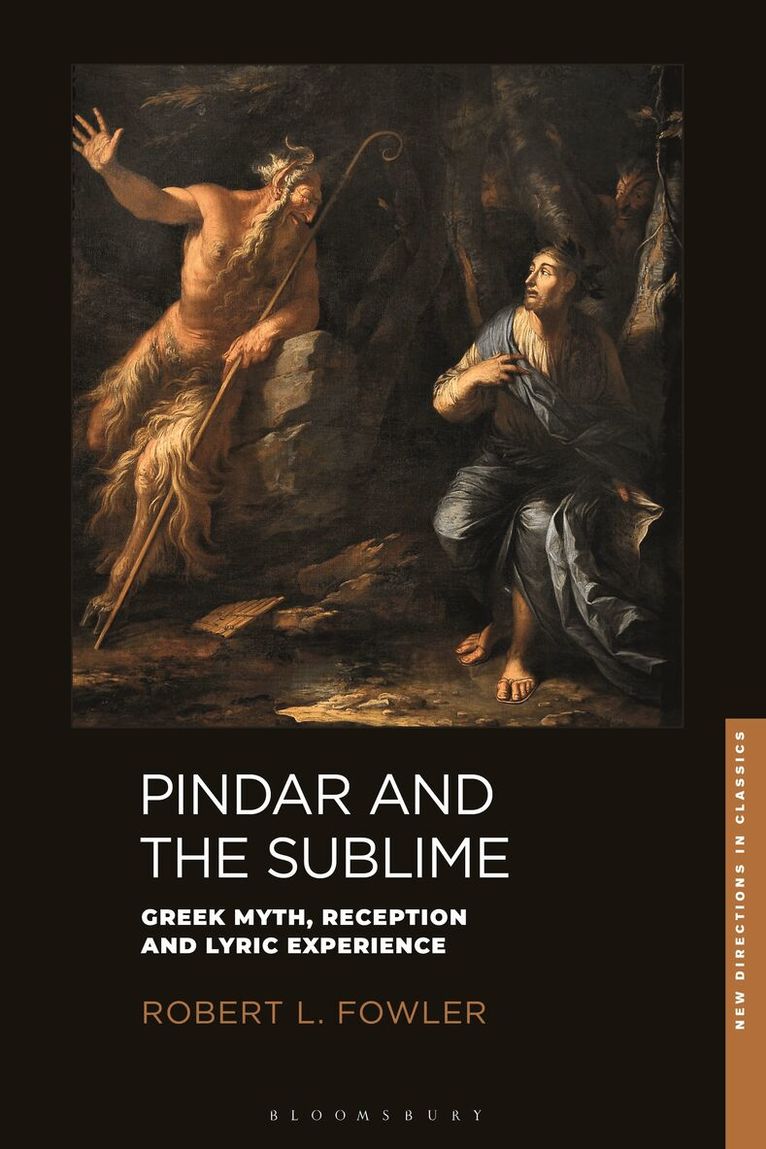
Pindar and the Sublime
Greek Myth, Reception, and Lyric Experience
E-bok, 2022
412 kr
Lägg i varukorg
Pindar-the ''Theban eagle'', as Thomas Gray famously called him-has often been taken as the archetype of the sublime poet: soaring into the heavens on wings of language and inspired by visions of eternity. In this much-anticipated new study, Robert Fowler asks in what ways the concept of the …
Pindar and the Sublime
Greek Myth, Reception, and Lyric Experience
E-bok, 2022
404 kr
Lägg i varukorg
Pindar-the ''Theban eagle'', as Thomas Gray famously called him-has often been taken as the archetype of the sublime poet: soaring into the heavens on wings of language and inspired by visions of eternity. In this much-anticipated new study, Robert Fowler asks in what ways the concept of the …
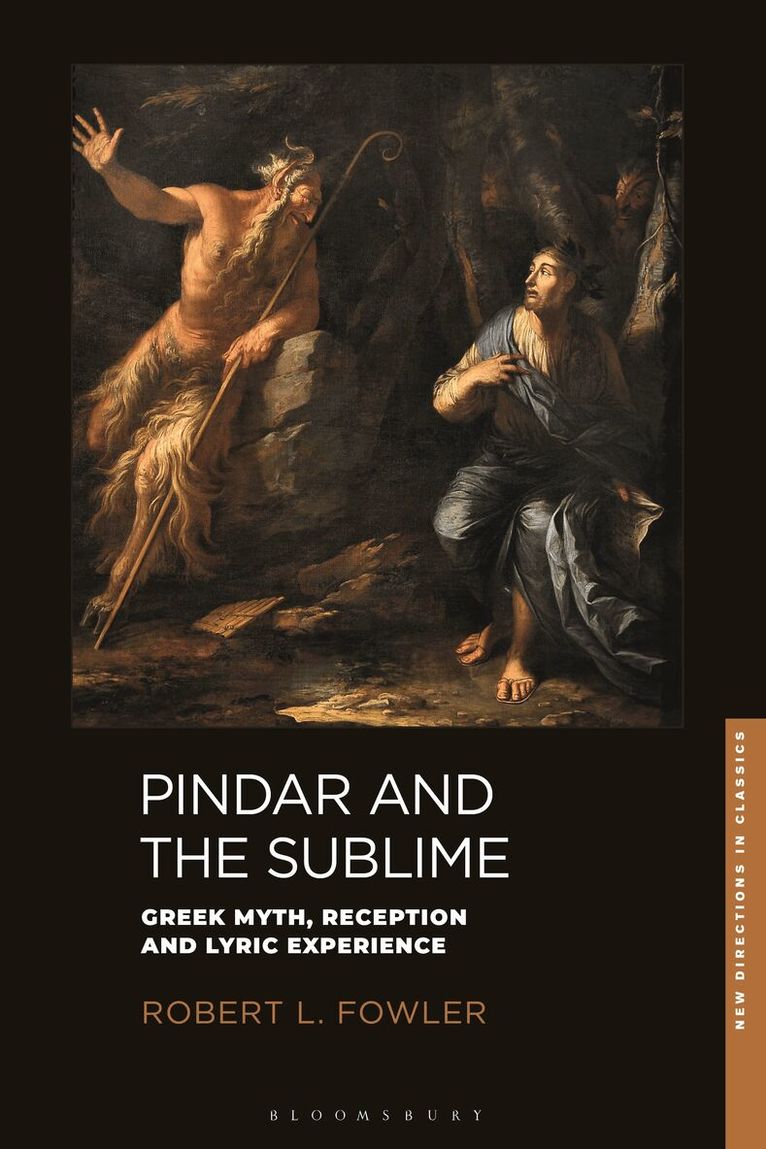
Pindar and the Sublime
Greek Myth, Reception, and Lyric Experience
Av Robert L. Fowler, Fiachra Mac Góráin
Häftad, 2022
381 kr
Lägg i varukorg
Pindar—the ‘Theban eagle’, as Thomas Gray famously called him—has often been taken as the archetype of the sublime poet: soaring into the heavens on wings of language and inspired by visions of eternity. In this much-anticipated new study, Robert Fowler asks in what ways the concept of the sublime …
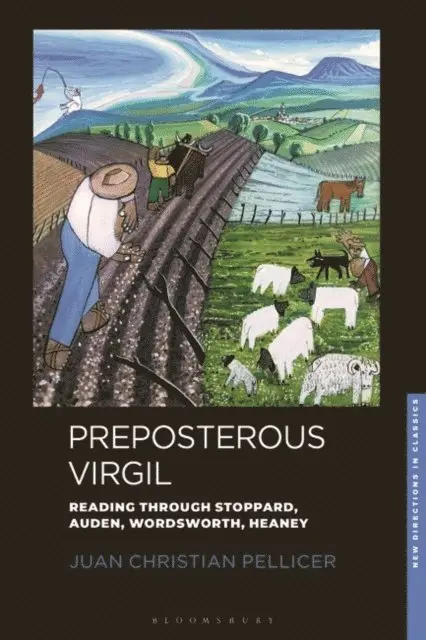
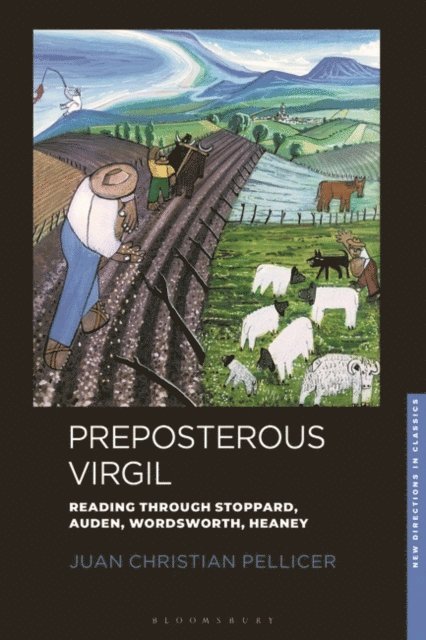
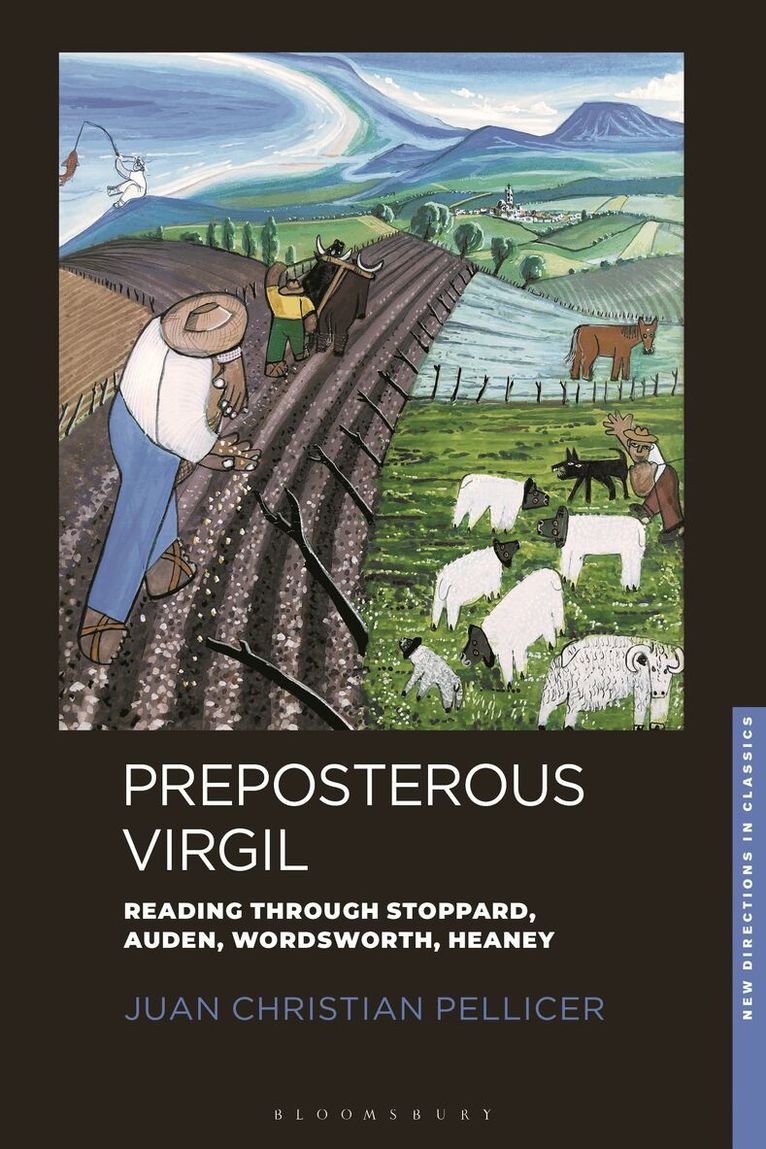
Preposterous Virgil
Reading Through Stoppard, Auden, Wordsworth, Heaney
E-bok, 2022
412 kr
Lägg i varukorg
This study in reception develops close readings of English literature as means of interrogating Virgil''s texts. Through four case studies, bookended by wide-ranging introductory and concluding chapters, this book shows how interpreting the Eclogues , Georgics and Aeneid through modern responses …
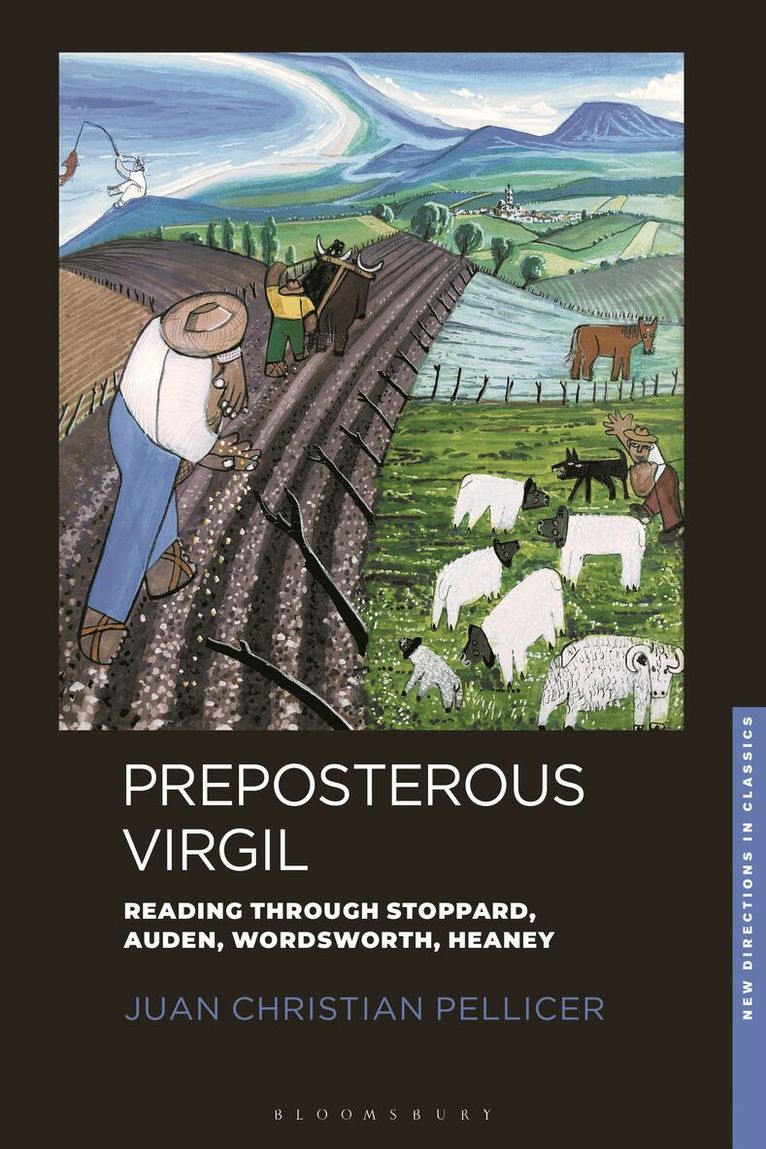
Preposterous Virgil
Reading Through Stoppard, Auden, Wordsworth, Heaney
E-bok, 2022
412 kr
Lägg i varukorg
This study in reception develops close readings of English literature as means of interrogating Virgil''s texts. Through four case studies, bookended by wide-ranging introductory and concluding chapters, this book shows how interpreting the Eclogues , Georgics and Aeneid through modern responses …
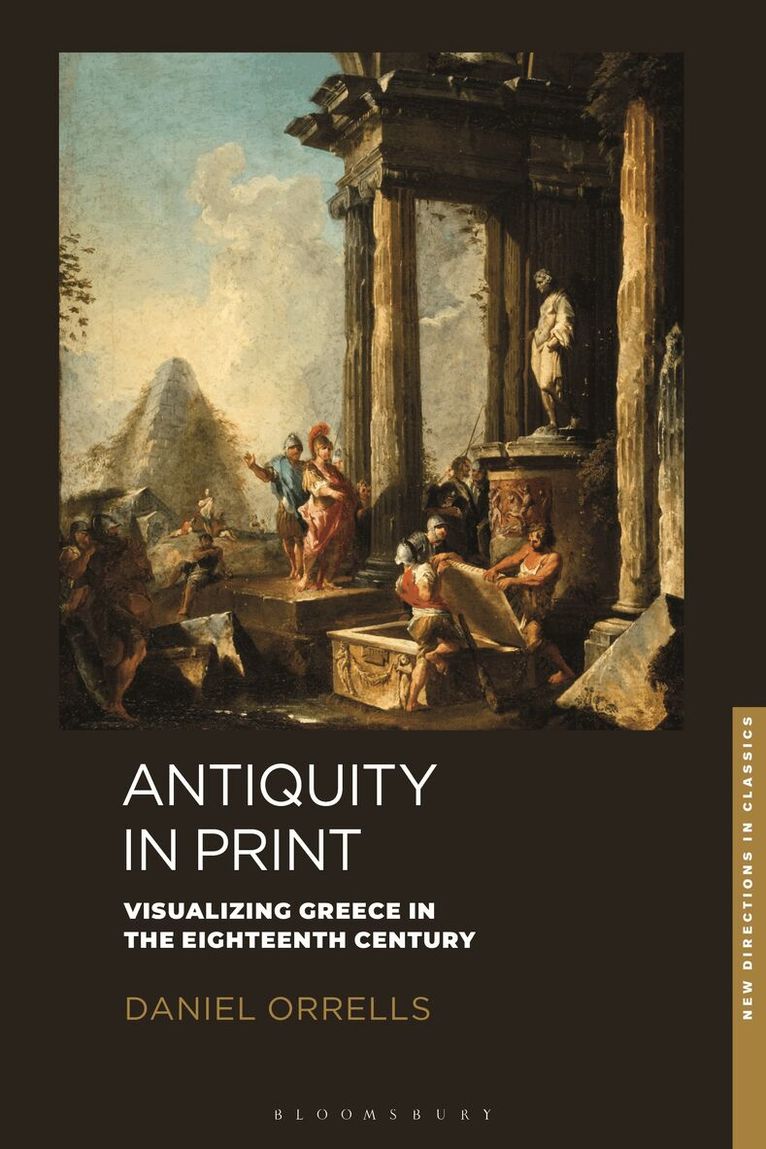
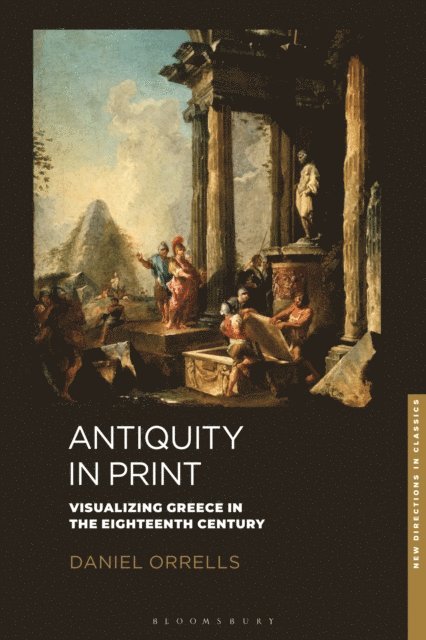
Antiquity in Print
Visualizing Greece in the Eighteenth Century
Av Daniel Orrells, Fiachra Mac Góráin
Inbunden, 2024
1226 kr
Lägg i varukorg
Daniel Orrells examines the ways in which the ancient world was visualized for Enlightenment readers, and reveals how antiquarian scholarship emerged as the principal technology for envisioning ancient Greek culture, at a time when very few people could travel to Greece which was still part of the …
Antiquity in Print
Visualizing Greece in the Eighteenth Century
Av Daniel Orrells, Fiachra Mac Góráin m. fl.
Häftad, 2024
358 kr
Lägg i varukorg
Daniel Orrells examines the ways in which the ancient world was visualized for Enlightenment readers, and reveals how antiquarian scholarship emerged as the principal technology for envisioning ancient Greek culture, at a time when very few people could travel to Greece which was still part of the …
Antiquity in Print
Visualizing Greece in the Eighteenth Century
E-bok, 2024
430 kr
Lägg i varukorg
Daniel Orrells examines the ways in which the ancient world was visualized for Enlightenment readers, and reveals how antiquarian scholarship emerged as the principal technology for envisioning ancient Greek culture, at a time when very few people could travel to Greece which was still part of the …
Antiquity in Print
Visualizing Greece in the Eighteenth Century
E-bok, 2024
430 kr
Lägg i varukorg
Daniel Orrells examines the ways in which the ancient world was visualized for Enlightenment readers, and reveals how antiquarian scholarship emerged as the principal technology for envisioning ancient Greek culture, at a time when very few people could travel to Greece which was still part of the …
In Search of the Labyrinth
The Cultural Legacy of Minoan Crete
Av Nicoletta Momigliano, Fiachra Mac Góráin
Inbunden, 2020
1243 kr
Lägg i varukorg
Longlisted for the Runciman Book Award 2021Shortlisted for the European Association of Archaeologists 2023 book prizeIn Search of the Labyrinth explores the enduring cultural legacy of Minoan Crete by offering an overview of Minoan archaeology and modern responses to it in literature, the visual …
Pindar and the Sublime
Greek Myth, Reception, and Lyric Experience
Av Robert L. Fowler, Fiachra Mac Góráin
Inbunden, 2022
1226 kr
Lägg i varukorg
Pindar—the ‘Theban eagle’, as Thomas Gray famously called him—has often been taken as the archetype of the sublime poet: soaring into the heavens on wings of language and inspired by visions of eternity. In this much-anticipated new study, Robert Fowler asks in what ways the concept of the sublime …
Antiquity and the Meanings of Time
A Philosophy of Ancient and Modern Literature
Häftad, 2013
430 kr
Lägg i varukorg
Society and contemporary culture seem forever fascinated by the topic of time. In modern fiction, Ian McEwan (The Child in Time) and Martin Amis (Time's Arrow) have led the way in exploring the human condition in relation to past, present and future. In cinema, several cultural texts (Memento, …
Preposterous Virgil
Reading through Stoppard, Auden, Wordsworth, Heaney
Av Juan Christian Pellicer, Fiachra Mac Góráin
Inbunden, 2022
1226 kr
Lägg i varukorg
This study in reception develops close readings of English literature as means of interrogating Virgil’s texts. Through four case studies, bookended by wide-ranging introductory and concluding chapters, this book shows how interpreting the Eclogues, Georgics and Aeneid through modern responses can …
Preposterous Virgil
Reading through Stoppard, Auden, Wordsworth, Heaney
Av Juan Christian Pellicer, Fiachra Mac Góráin
Häftad, 2022
381 kr
Lägg i varukorg
This study in reception develops close readings of English literature as means of interrogating Virgil’s texts. Through four case studies, bookended by wide-ranging introductory and concluding chapters, this book shows how interpreting the Eclogues, Georgics and Aeneid through modern responses can …
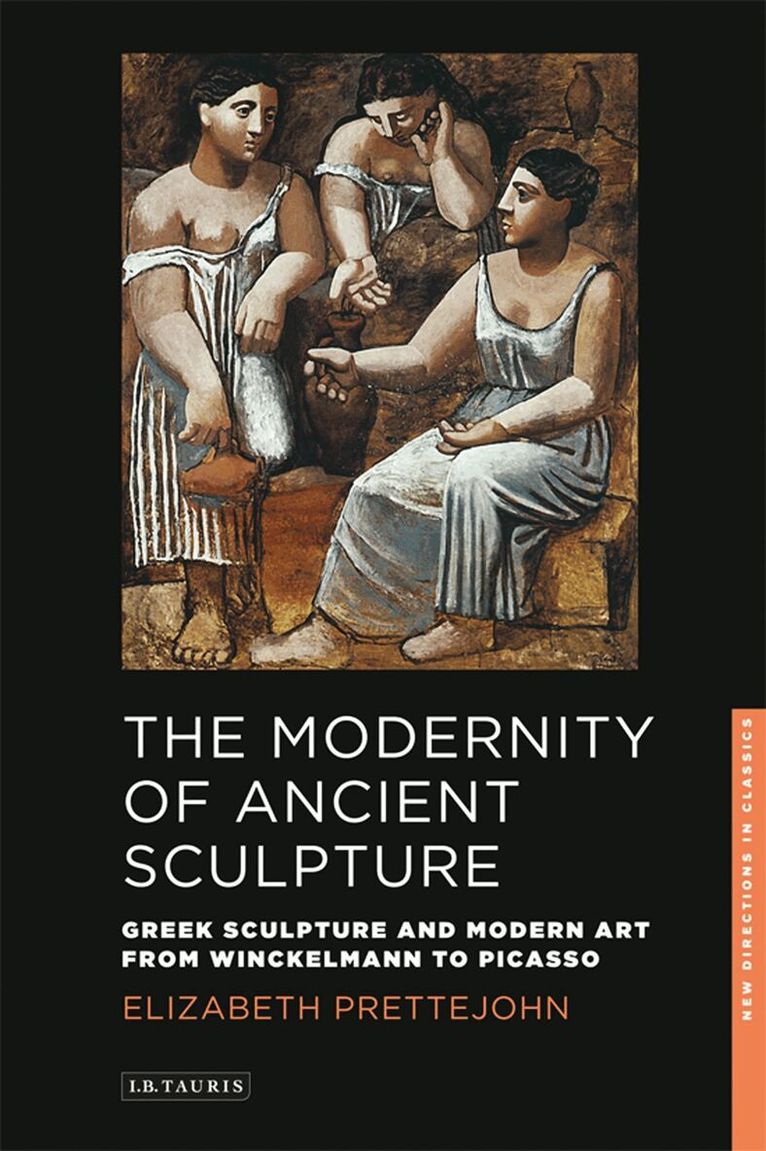
Modernity of Ancient Sculpture
Greek Sculpture and Modern Art from Winckelmann to Picasso
Av Elizabeth Prettejohn, Fiachra Mac Góráin
Häftad, 2012
400 kr
Lägg i varukorg
What can modern art have to do with ancient sculpture? Surely the excitement of modern art lies in its utter repudiation of classical example? Elizabeth Prettejohn's important and revisionist new book argues otherwise: that ancient sculpture and modern art have been in constant dialogue since …