Nicoletta Momigliano – författare
Visar alla böcker från författaren Nicoletta Momigliano. Handla med fri frakt och snabb leverans.
19 produkter
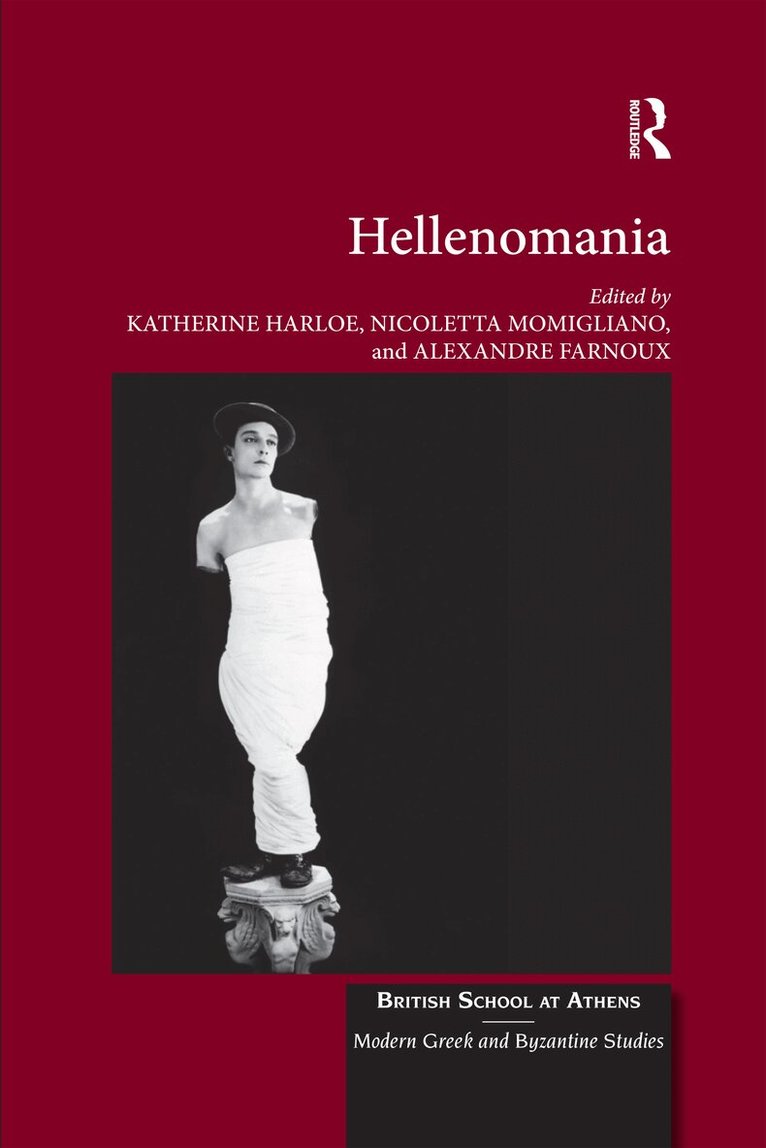
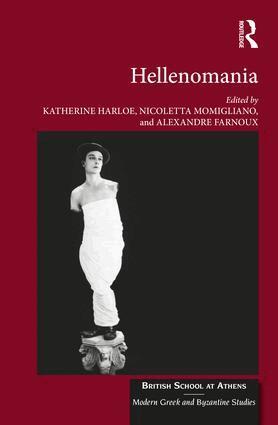
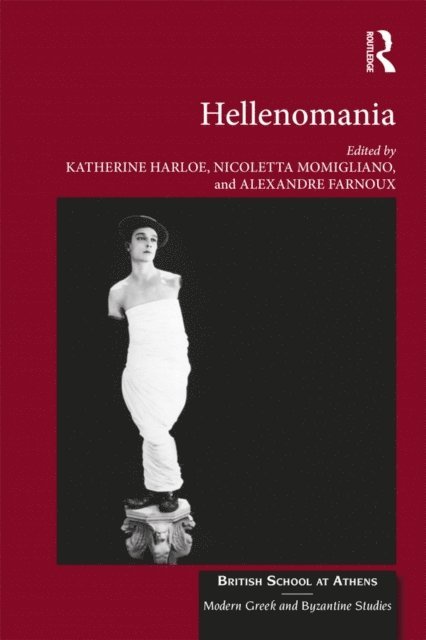
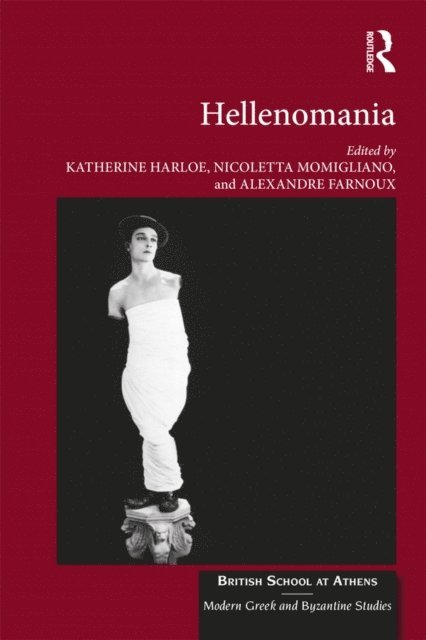
Hellenomania
Av Katherine Harloe, Nicoletta Momigliano m. fl.
Häftad, 2020
928 kr
Lägg i varukorg
Hellenomania, the second volume in the MANIA series, presents a wide-ranging, multi-disciplinary exploration of the modern reception of ancient Greek material culture in cultural practices ranging from literature to architecture, stage and costume design, painting, sculpture, cinema, and the …
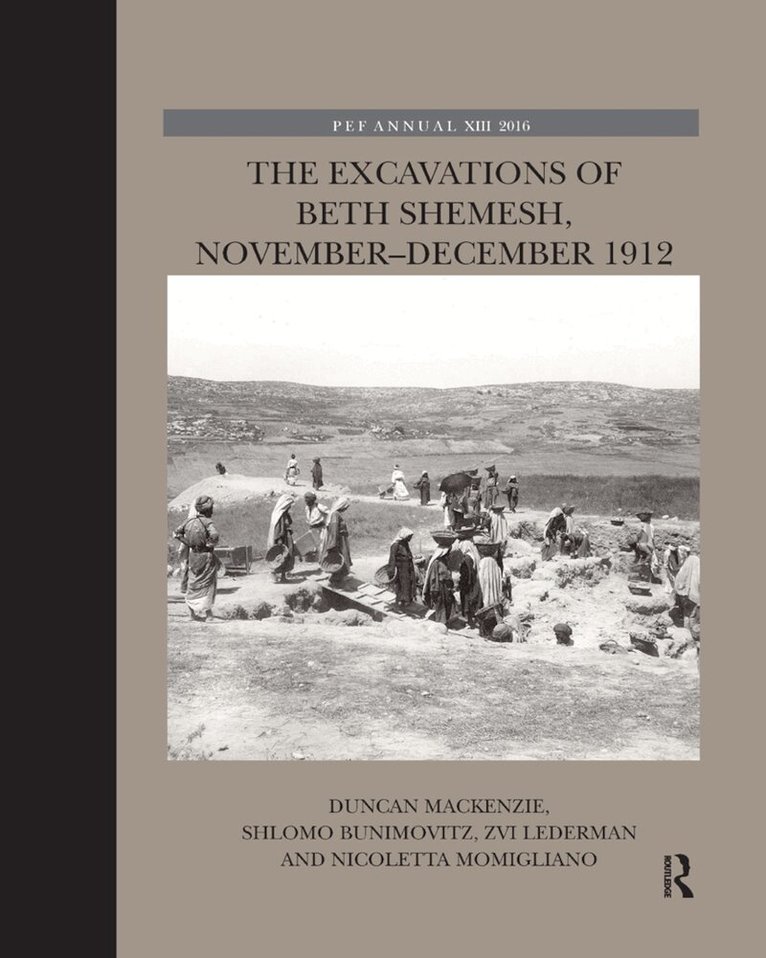
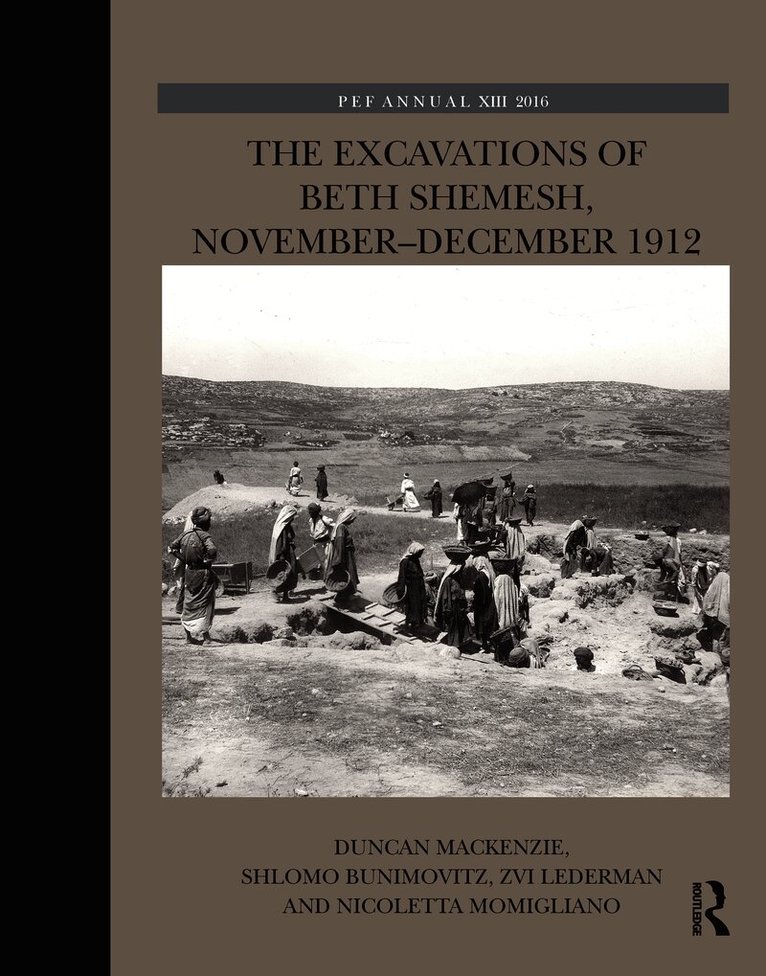
Excavations of Beth Shemesh, November-December 1912
Av Duncan MacKenzie, Shlomo Bunimovitz m. fl.
Häftad, 2019
756 kr
Lägg i varukorg
In 1909 the Scottish archaeologist Duncan Mackenzie, Sir Arthur Evans’s right-hand man on the excavations of the legendary ‘Palace of Minos’ at Knossos since 1900, was appointed ‘Explorer’ of the Palestine Exploration Fund (PEF). From the spring of 1910 until December 1912 he was engaged in …
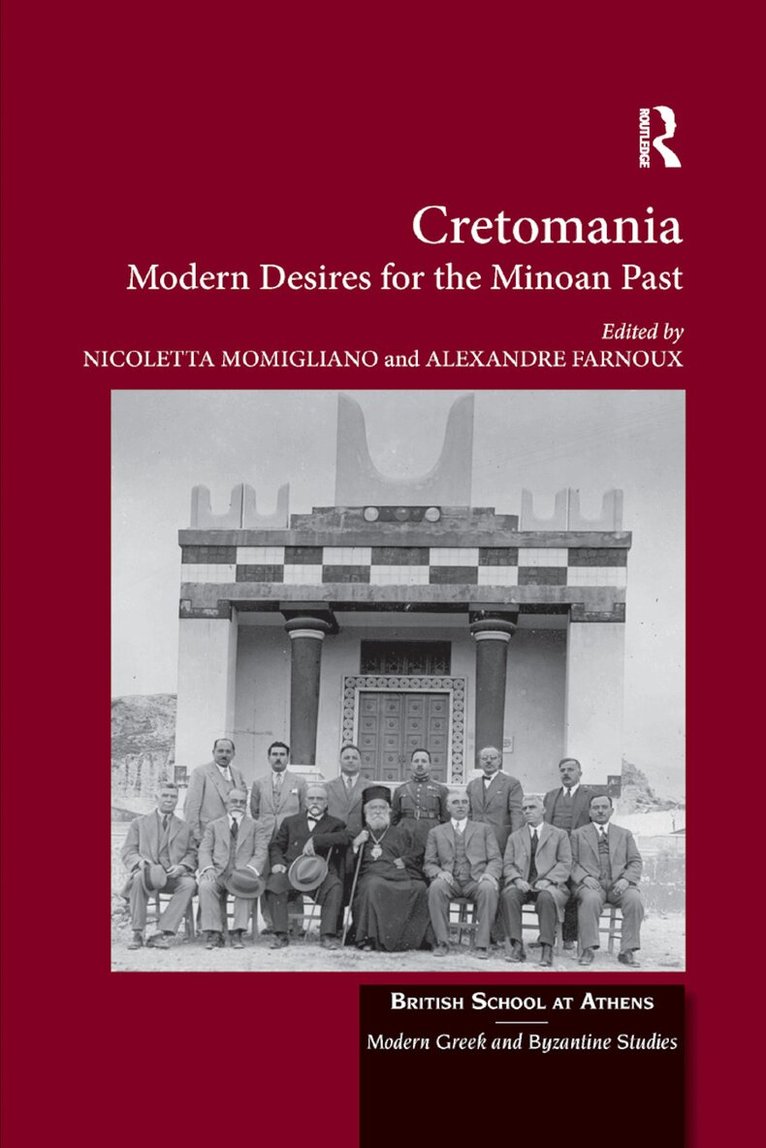
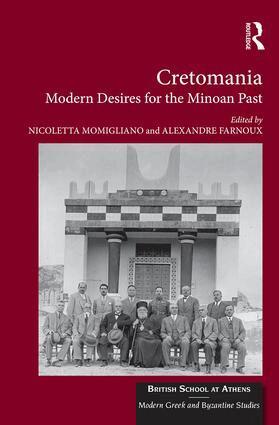
Cretomania
Modern Desires for the Minoan Past
Av Nicoletta Momigliano, Alexandre Farnoux
Häftad, 2019
831 kr
Lägg i varukorg
Since its rediscovery in the early 20th century, through spectacular finds such as those by Sir Arthur Evans at Knossos, Minoan Crete has captured the imagination not only of archaeologists but also of a wider public. This is shown, among other things, by its appearance and uses in a variety of …
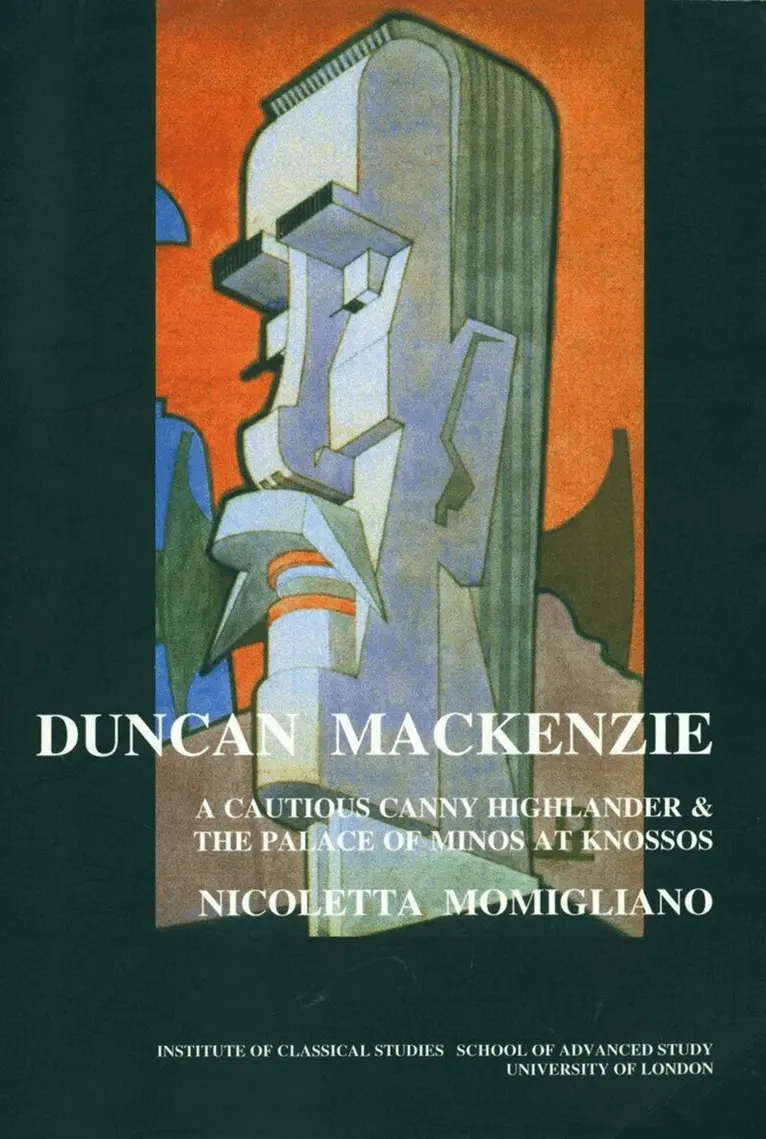
Duncan Mackenzie: A Cautious Canny Highlander and the Palace of Minos At Knossos (BICS Supplement 72)
Häftad, 1999
949 kr
Lägg i varukorg
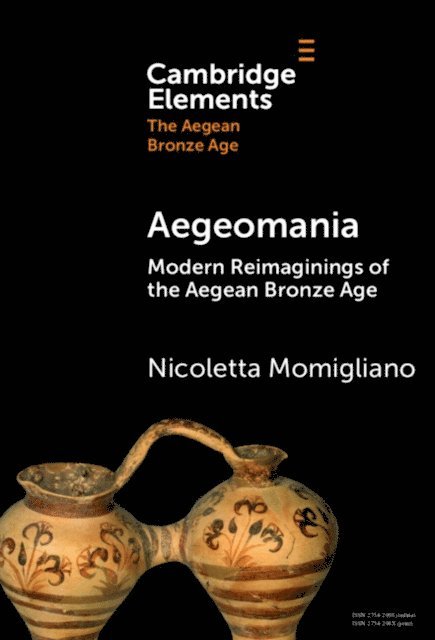
Aegeomania
Modern Reimaginings of the Aegean Bronze Age
Häftad, 2024
317 kr
Lägg i varukorg
This Element provides an overview of Aegeomania: the fascination, sometimes bordering on the obsession, with the Aegean Bronze Age, which manifests itself in the uses of Aegean Bronze Age material culture to create something new in literature, the visual and performing arts, and many other cultural …
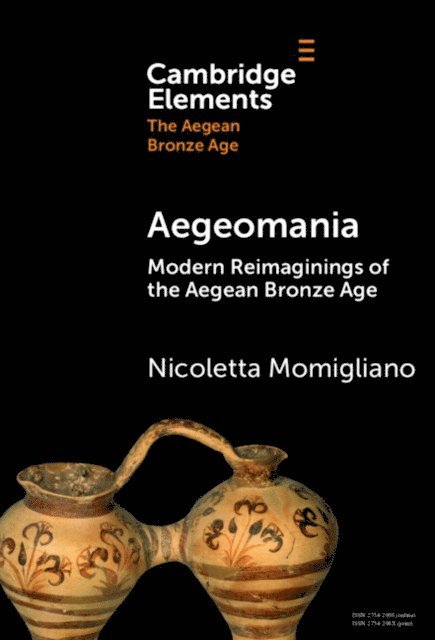
Aegeomania
Modern Reimaginings of the Aegean Bronze Age
Inbunden, 2024
918 kr
Lägg i varukorg
This Element provides an overview of Aegeomania: the fascination, sometimes bordering on the obsession, with the Aegean Bronze Age, which manifests itself in the uses of Aegean Bronze Age material culture to create something new in literature, the visual and performing arts, and many other cultural …
Hellenomania
Av Katherine Harloe, Nicoletta Momigliano m. fl.
Inbunden, 2018
3154 kr
Lägg i varukorg
Hellenomania, the second volume in the MANIA series, presents a wide-ranging, multi-disciplinary exploration of the modern reception of ancient Greek material culture in cultural practices ranging from literature to architecture, stage and costume design, painting, sculpture, cinema, and the …
Excavations of Beth Shemesh, November-December 1912
Av Duncan MacKenzie, Shlomo Bunimovitz m. fl.
Inbunden, 2016
2585 kr
Lägg i varukorg
In 1909 the Scottish archaeologist Duncan Mackenzie, Sir Arthur Evans’s right-hand man on the excavations of the legendary ‘Palace of Minos’ at Knossos since 1900, was appointed ‘Explorer’ of the Palestine Exploration Fund (PEF). From the spring of 1910 until December 1912 he was engaged in …
Excavations of Beth Shemesh, November-December 1912
Av Nicoletta Momigliano, Zvi Lederman m. fl.
E-bok, 2015
892 kr
Lägg i varukorg
In 1909 the Scottish archaeologist Duncan Mackenzie, Sir Arthur Evans’s right-hand man on the excavations of the legendary ‘Palace of Minos’ at Knossos since 1900, was appointed ‘Explorer’ of the Palestine Exploration Fund (PEF). From the spring of 1910 until December 1912 he was engaged …
Excavations of Beth Shemesh, November-December 1912
Av Nicoletta Momigliano, Zvi Lederman m. fl.
E-bok, 2015
892 kr
Lägg i varukorg
In 1909 the Scottish archaeologist Duncan Mackenzie, Sir Arthur Evans’s right-hand man on the excavations of the legendary ‘Palace of Minos’ at Knossos since 1900, was appointed ‘Explorer’ of the Palestine Exploration Fund (PEF). From the spring of 1910 until December 1912 he was engaged …
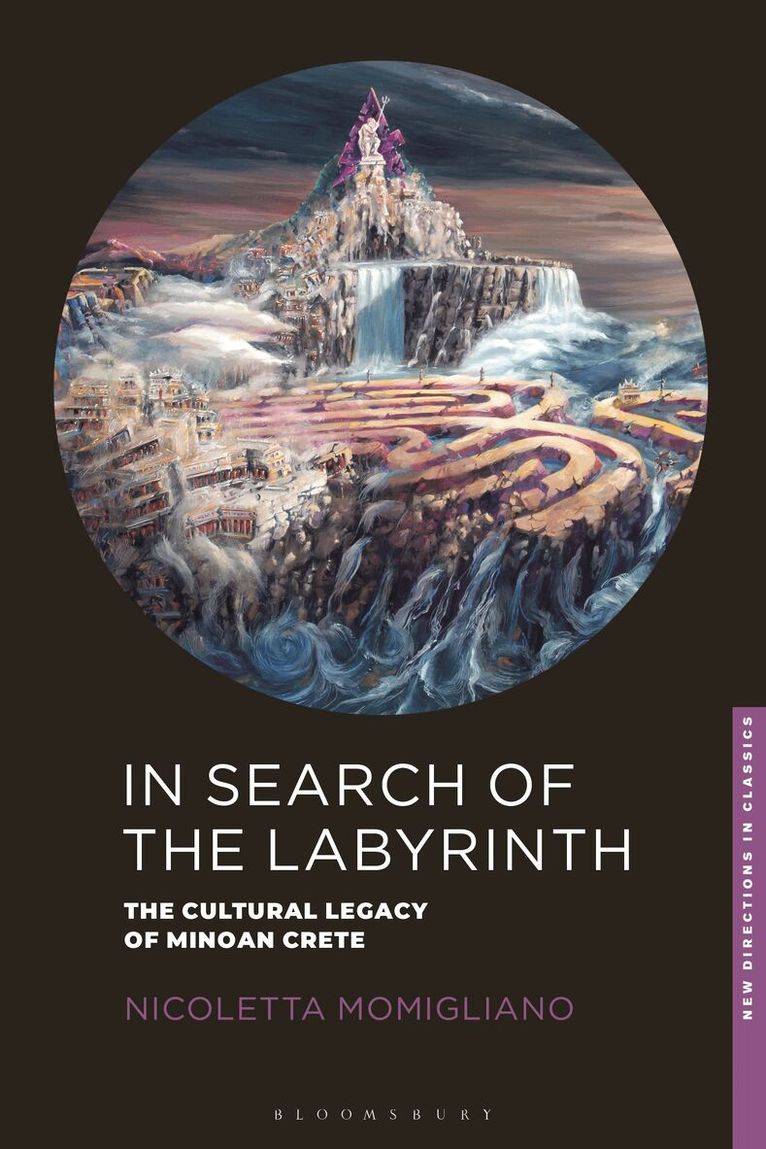
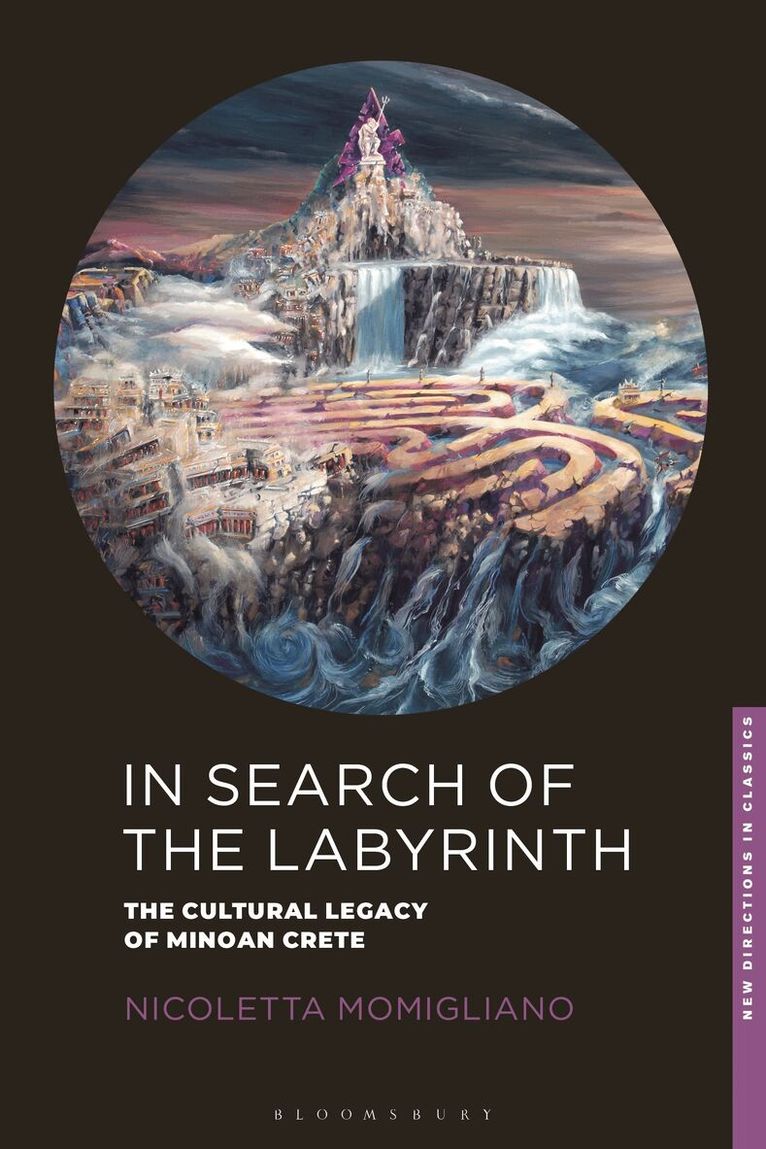
In Search of the Labyrinth
The Cultural Legacy of Minoan Crete
Av Nicoletta Momigliano, Fiachra Mac Góráin
Häftad, 2020
325 kr
Lägg i varukorg
Longlisted for the Runciman Book Award 2021Shortlisted for the European Association of Archaeologists 2023 book prizeIn Search of the Labyrinth explores the enduring cultural legacy of Minoan Crete by offering an overview of Minoan archaeology and modern responses to it in literature, the visual …
In Search of the Labyrinth
The Cultural Legacy of Minoan Crete
E-bok, 2020
385 kr
Lägg i varukorg
Longlisted for the Runciman Book Award 2021 Shortlisted for the European Association of Archaeologists 2023 book prize In Search of the Labyrinth explores the enduring cultural legacy of Minoan Crete by offering an overview of Minoan archaeology and modern responses to it in literature, the visual …
In Search of the Labyrinth
The Cultural Legacy of Minoan Crete
E-bok, 2020
385 kr
Lägg i varukorg
Longlisted for the Runciman Book Award 2021 Shortlisted for the European Association of Archaeologists 2023 book prize In Search of the Labyrinth explores the enduring cultural legacy of Minoan Crete by offering an overview of Minoan archaeology and modern responses to it in literature, the visual …
Hellenomania
Av Alexandre Farnoux, Nicoletta Momigliano m. fl.
E-bok, 2018
1095 kr
Lägg i varukorg
Hellenomania , the second volume in the MANIA series, presents a wide-ranging, multi-disciplinary exploration of the modern reception of ancient Greek material culture in cultural practices ranging from literature to architecture, stage and costume design, painting, sculpture, cinema, and the …
Hellenomania
Av Alexandre Farnoux, Nicoletta Momigliano m. fl.
E-bok, 2018
1095 kr
Lägg i varukorg
Hellenomania , the second volume in the MANIA series, presents a wide-ranging, multi-disciplinary exploration of the modern reception of ancient Greek material culture in cultural practices ranging from literature to architecture, stage and costume design, painting, sculpture, cinema, and the …
Cretomania
Modern Desires for the Minoan Past
Av Nicoletta Momigliano, Alexandre Farnoux
Inbunden, 2016
2585 kr
Lägg i varukorg
Since its rediscovery in the early 20th century, through spectacular finds such as those by Sir Arthur Evans at Knossos, Minoan Crete has captured the imagination not only of archaeologists but also of a wider public. This is shown, among other things, by its appearance and uses in a variety of …
In Search of the Labyrinth
The Cultural Legacy of Minoan Crete
Av Nicoletta Momigliano, Fiachra Mac Góráin
Inbunden, 2020
1243 kr
Lägg i varukorg
Longlisted for the Runciman Book Award 2021Shortlisted for the European Association of Archaeologists 2023 book prizeIn Search of the Labyrinth explores the enduring cultural legacy of Minoan Crete by offering an overview of Minoan archaeology and modern responses to it in literature, the visual …