New Directions in Narrative History - Böcker
Visar alla böcker i serien New Directions in Narrative History. Handla med fri frakt och snabb leverans.
6 produkter
6 produkter
346 kr
Skickas inom 7-10 vardagar
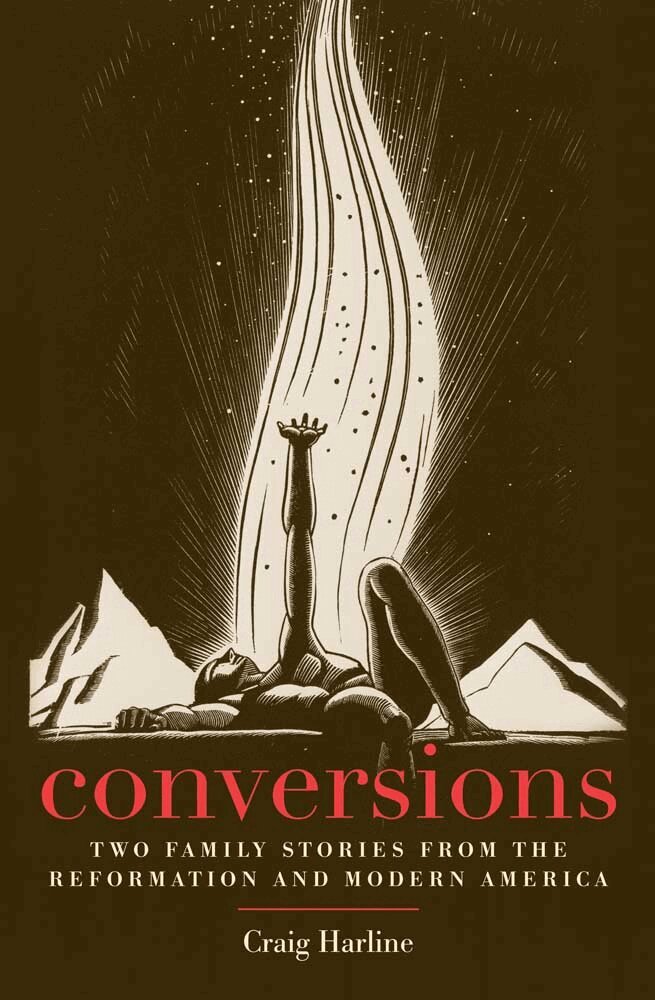
The experiences of two families—one in seventeenth-century Holland, the other in America today—and how they coped when a family member changed religionsThis powerful and innovative work by a gifted cultural historian explores the effects of religious conversion on family relationships, showing how the challenges of the Reformation can offer insight to families facing similarly divisive situations today.Craig Harline begins with the story of young Jacob Rolandus, the son of a Dutch Reformed preacher, who converted to Catholicism in 1654 and ran away from home, causing his family to disown him. In the companion story, Michael Sunbloom, a young American, leaves his family's religion in 1973 to convert to Mormonism, similarly upsetting his distraught parents. The modern twist to Michael's story is his realization that he is gay, causing him to leave his new church, and upsetting his parents again—but this time the family reconciles.Recounting these stories in short, alternating chapters, Harline underscores the parallel aspects of the two far-flung families. Despite different outcomes and forms, their situations involve nearly identical dynamics and heart-wrenching choices. Through the author's deeply informed imagination, the experiences of a seventeenth-century European family are transformed into immediately recognizable terms.
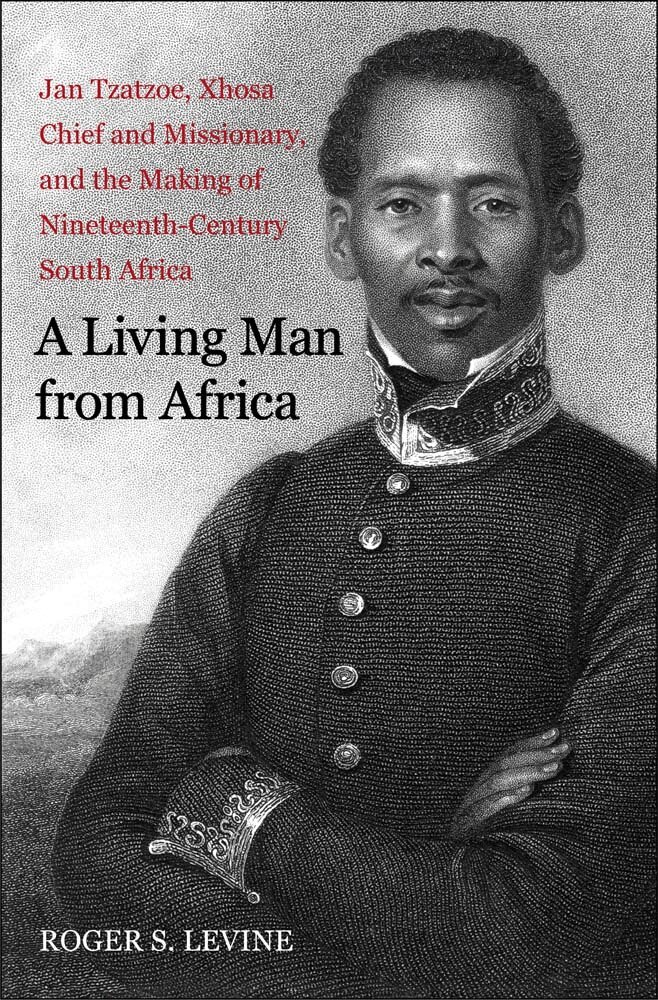
Living Man from Africa
Jan Tzatzoe, Xhosa Chief and Missionary, and the Making of Nineteenth-Century South Africa
Häftad, Engelska, 2013
571 kr
Skickas inom 5-8 vardagar
Born into a Xhosa royal family around 1792 in South Africa, Jan Tzatzoe was destined to live in an era of profound change—one that witnessed the arrival and entrenchment of European colonialism. As a missionary, chief, and cultural intermediary on the eastern Cape frontier and in Cape Town and a traveler in Great Britain, Tzatzoe helped foster the merging of African and European worlds into a new South African reality. Yet, by the 1860s, despite his determined resistance, he was an oppressed subject of harsh British colonial rule. In this innovative, richly researched, and splendidly written biography, Roger S. Levine reclaims Tzatzoe's lost story and analyzes his contributions to, and experiences with, the turbulent colonial world to argue for the crucial role of Africans as agents of cultural and intellectual change.
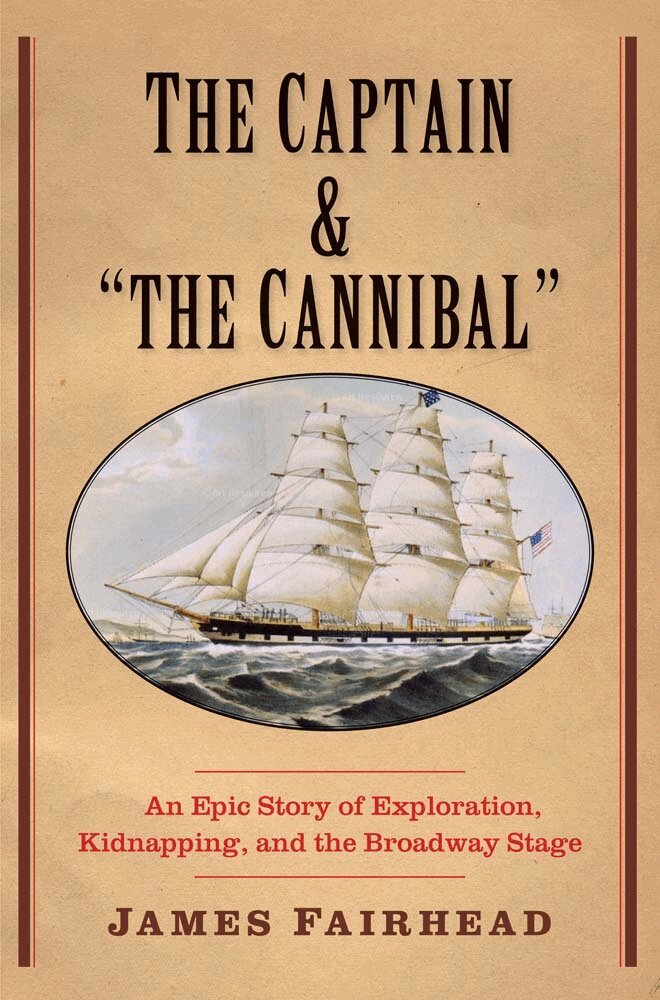
Captain and "the Cannibal"
An Epic Story of Exploration, Kidnapping, and the Broadway Stage
Inbunden, Engelska, 2015
984 kr
Skickas inom 5-8 vardagar
The astounding saga of an American sea captain and the New Guinean nobleman who became his stunned captive, then ally, and eventual friendSailing in uncharted waters of the Pacific in 1830, Captain Benjamin Morrell of Connecticut became the first outsider to encounter the inhabitants of a small island off New Guinea. The contact quickly turned violent, fatal cannons were fired, and Morrell abducted young Dako, a hostage so shocked by the white complexions of his kidnappers that he believed he had been captured by the dead. This gripping book unveils for the first time the strange odyssey the two men shared in ensuing years. The account is uniquely told, as much from the captive’s perspective as from the American’s. Upon returning to New York, Morrell exhibited Dako as a “cannibal” in wildly popular shows performed on Broadway and along the east coast. The proceeds helped fund a return voyage to the South Pacific—the captain hoping to establish trade with Dako’s assistance, and Dako seizing his chance to return home with the only person who knew where his island was. Supported by rich, newly found archives, this wide-ranging volume traces the voyage to its extraordinary ends and en route decrypts Morrell’s ambiguous character, the mythic qualities of Dako’s life, and the two men’s infusion into American literature—as Melville’s Queequeg, for example, and in Poe’s Pym. The encounters confound indigenous peoples and Americans alike as both puzzle over what it is to be truly human and alive.
733 kr
Skickas inom 5-8 vardagar
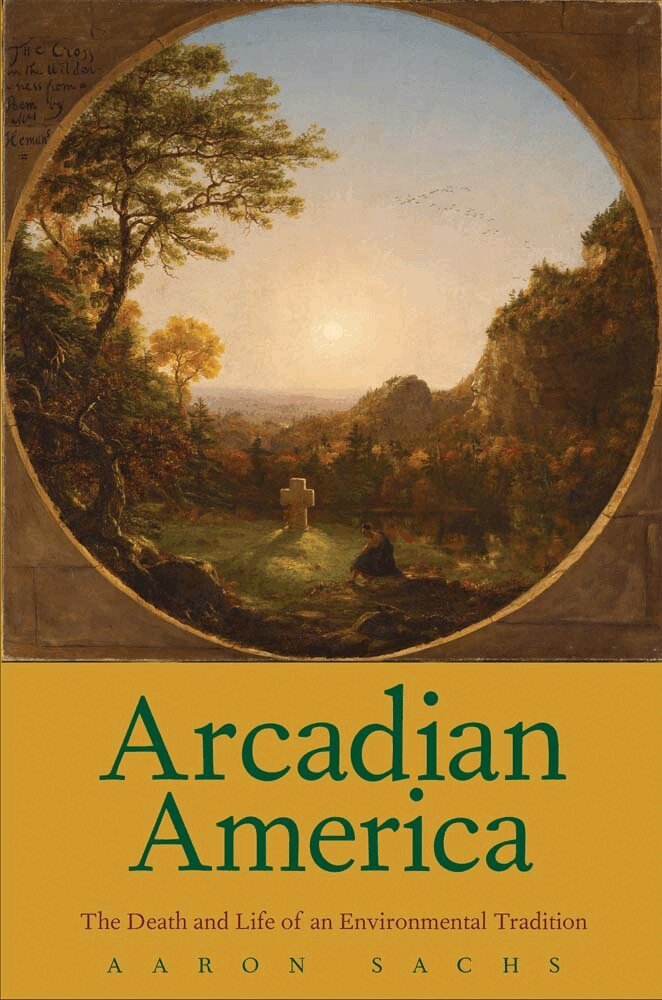
How a forgotten environmental tradition of the pre-Civil War era may prove powerfully useful to us nowPerhaps America's best environmental idea was not the national park but the garden cemetery, a use of space that quickly gained popularity in the mid-nineteenth century. Such spaces of repose brought key elements of the countryside into rapidly expanding cities, making nature accessible to all and serving to remind visitors of the natural cycles of life. In this unique interdisciplinary blend of historical narrative, cultural criticism, and poignant memoir, Aaron Sachs argues that American cemeteries embody a forgotten landscape tradition that has much to teach us in our current moment of environmental crisis.Until the trauma of the Civil War, many Americans sought to shape society into what they thought of as an Arcadia—not an Eden where fruit simply fell off the tree, but a public garden that depended on an ethic of communal care, and whose sense of beauty and repose related directly to an acknowledgement of mortality and limitation. Sachs explores the notion of Arcadia in the works of nineteenth-century nature writers, novelists, painters, horticulturists, landscape architects, and city planners, and holds up for comparison the twenty-first century's—and his own—tendency toward denial of both death and environmental limits. His far-reaching insights suggest new possibilities for the environmental movement today and new ways of understanding American history.
406 kr
Skickas inom 7-10 vardagar
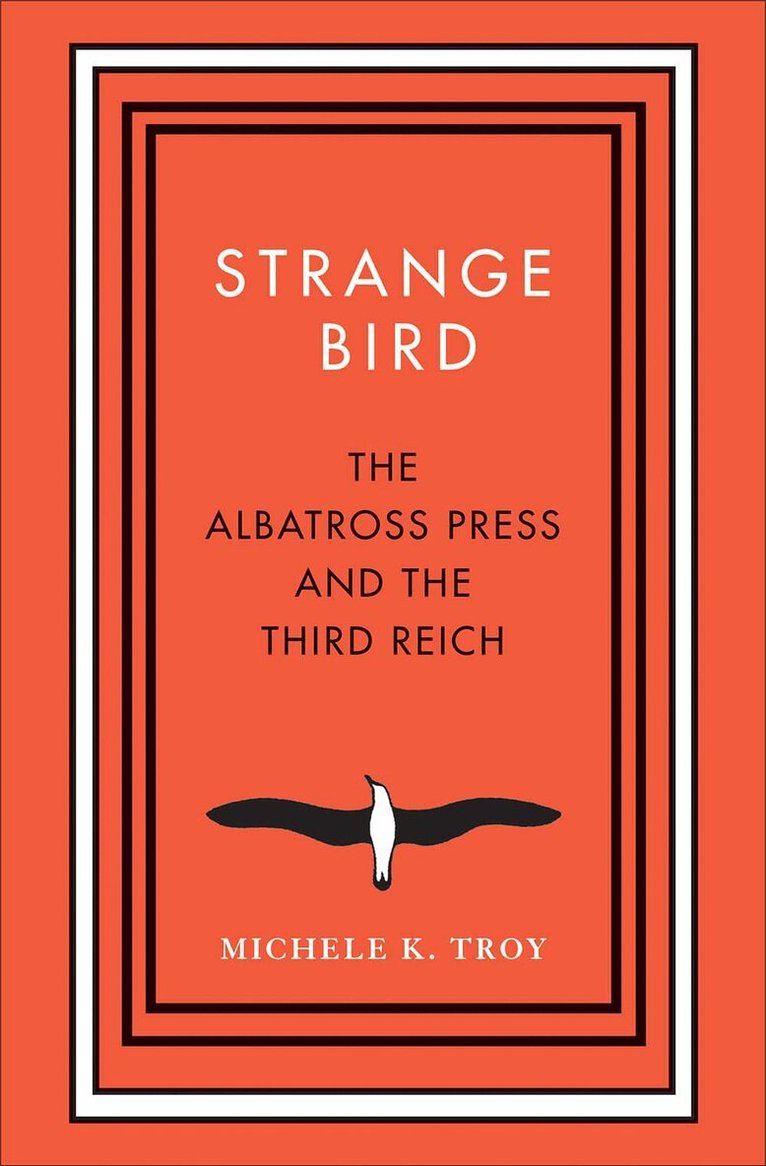
The first book about the Albatross Press, a Penguin precursor that entered into an uneasy relationship with the Nazi regime to keep Anglo-American literature alive under fascismThe Albatross Press was, from its beginnings in 1932, a “strange bird”: a cultural outsider to the Third Reich but an economic insider. It was funded by British-Jewish interests. Its director was rumored to work for British intelligence. A precursor to Penguin, it distributed both middlebrow fiction and works by edgier modernist authors such as D. H. Lawrence, Virginia Woolf, James Joyce, and Ernest Hemingway to eager continental readers. Yet Albatross printed and sold its paperbacks in English from the heart of Hitler’s Reich.In her original and skillfully researched history, Michele K. Troy reveals how the Nazi regime tolerated Albatross—for both economic and propaganda gains—and how Albatross exploited its insider position to keep Anglo-American books alive under fascism. In so doing, Troy exposes the contradictions in Nazi censorship while offering an engaging detective story, a history, a nuanced analysis of men and motives, and a cautionary tale.
366 kr
Skickas
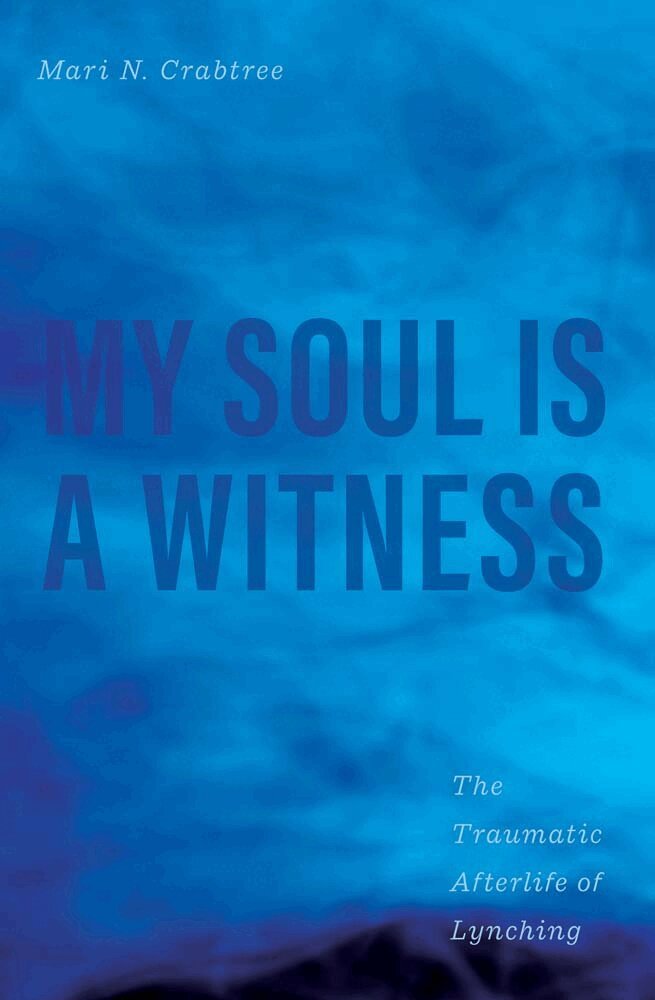
An intimate look at the afterlife of lynching through the personal stories of Black victims and survivors who lived through and beyond its trauma Mari N. Crabtree traces the long afterlife of lynching in the South through the traumatic memories it left in its wake. She unearths how African American victims and survivors found ways to live through and beyond the horrors of lynching, offering a theory of African American collective trauma and memory rooted in the ironic spirit of the blues sensibility—a spirit of misdirection and cunning that blends joy and pain. Black southerners often shielded their loved ones from the most painful memories of local lynchings with strategic silences but also told lynching stories about vengeful ghosts or a wrathful God or the deathbed confessions of a lyncher tormented by his past. They protested lynching and its legacies through art and activism, and they mourned those lost to a mob’s fury. They infused a blues element into their lynching narratives to confront traumatic memories and keep the blues at bay, even if just for a spell. Telling their stories troubles the simplistic binary of resistance or submission that has tended to dominate narratives of Black life and reminds us that amid the utter devastation of lynching were glimmers of hope and an affirmation of life.