Notre Dame History of Hispanic Catholics in the U.S. – serie
Visar alla böcker i serien Notre Dame History of Hispanic Catholics in the U.S.. Handla med fri frakt och snabb leverans.
5 produkter
5 produkter
1 344 kr
Skickas inom 10-15 vardagar
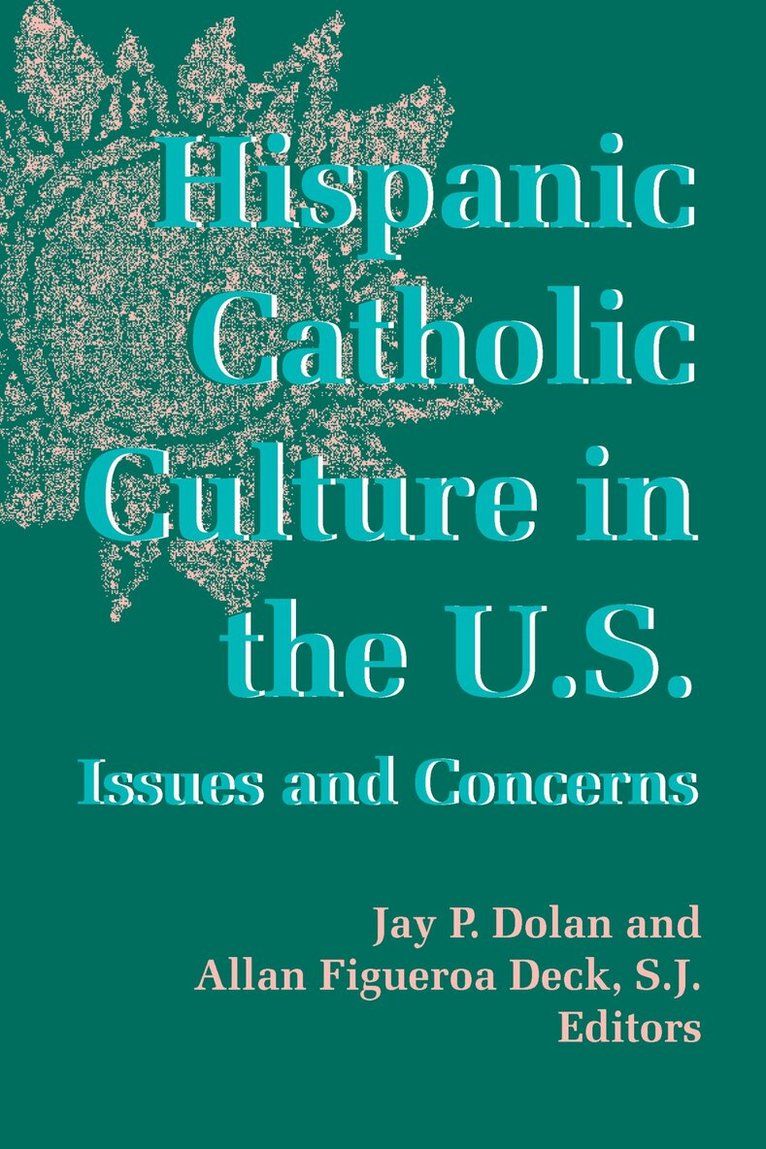
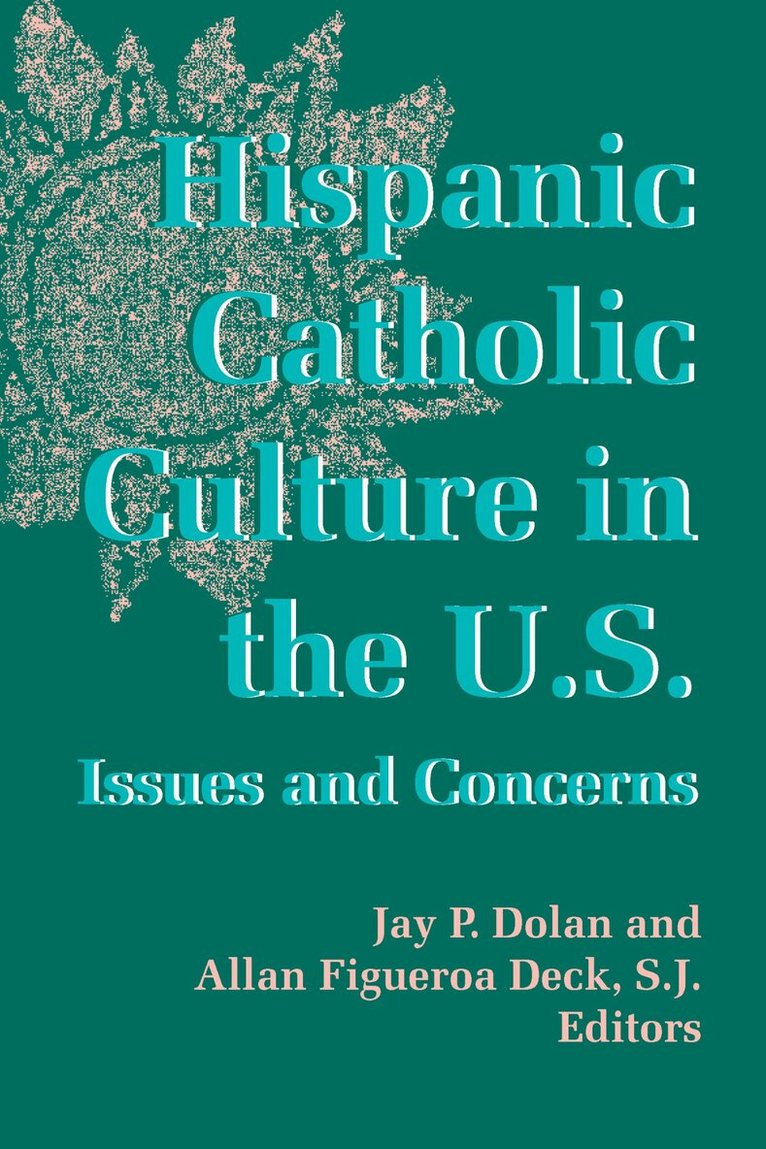
This book, the third volume in the groundbreaking study The Notre Dame History of Hispanic Catholics in the U.S., continues the historical investigation of the first two volumes, spanning the years 1965 to the present. Unlike the two preceding volumes, whose articles are arranged in terms of national origin (Mexican, Cuban, Puerto Rican), the 11 essays in Hispanic Catholic Culture in the U.S. are organized according to key issues that cut across nationalities, regions, and generations.
368 kr
Skickas inom 10-15 vardagar
This book, the third volume in the groundbreaking study The Notre Dame History of Hispanic Catholics in the U.S., continues the historical investigation of the first two volumes, spanning the years 1965 to the present. Unlike the two preceding volumes, whose articles are arranged in terms of national origin (Mexican, Cuban, Puerto Rican), the 11 essays in Hispanic Catholic Culture in the U.S. are organized according to key issues that cut across nationalities, regions, and generations.
261 kr
Skickas inom 10-15 vardagar
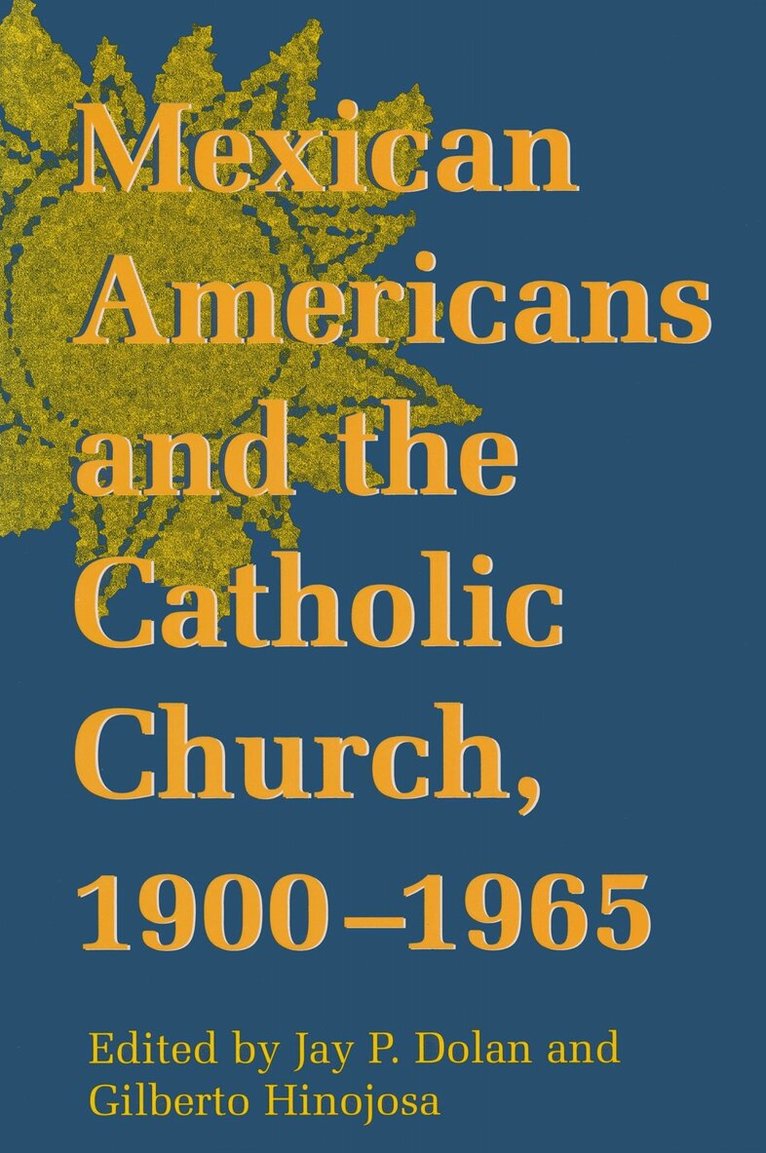
With Mexican Americans composing one of the nation's largest minority groups, this book examines the legacy and future of these communities and the Catholic Church.Mexican Americans have a long legacy within the Catholic Church. While not always accepted by the Church, these communities developed rich spiritual traditions that are both deeply Catholic and unique to the people that practice them. In Mexican Americans and the Catholic Church, 1900–1965, three historians examine the religious history of the Church, focusing on Mexican American faith communities. Jay P. Dolan and Gilberto Hinojosa consider modern challenges in the context of the history of Mexican American Catholics across the country. Between Americanization and assimilation, alongside the failings and as well as success of the Catholic church in ministering to Mexican Americans, this book is a record of the resilience and devotion of these communities over sixty years.
368 kr
Skickas inom 10-15 vardagar
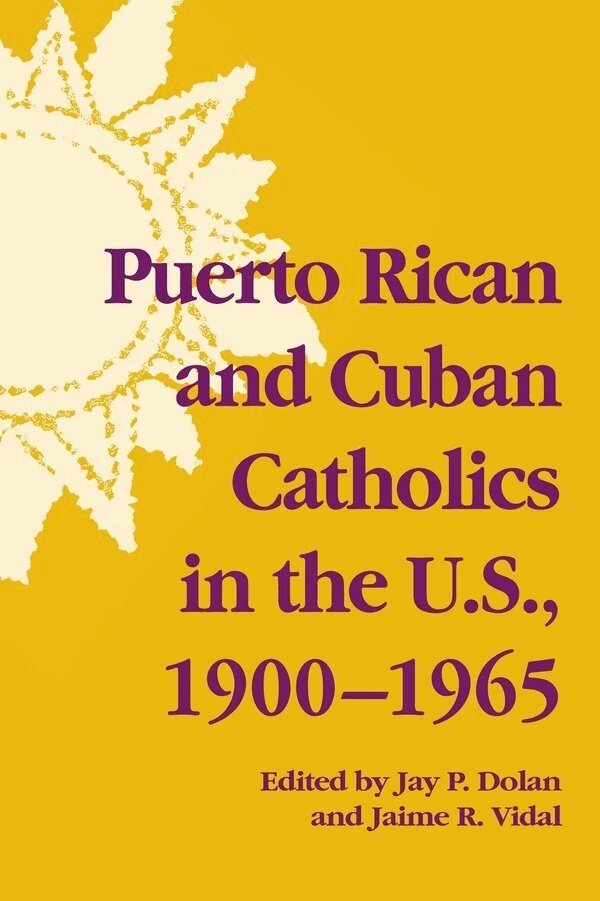
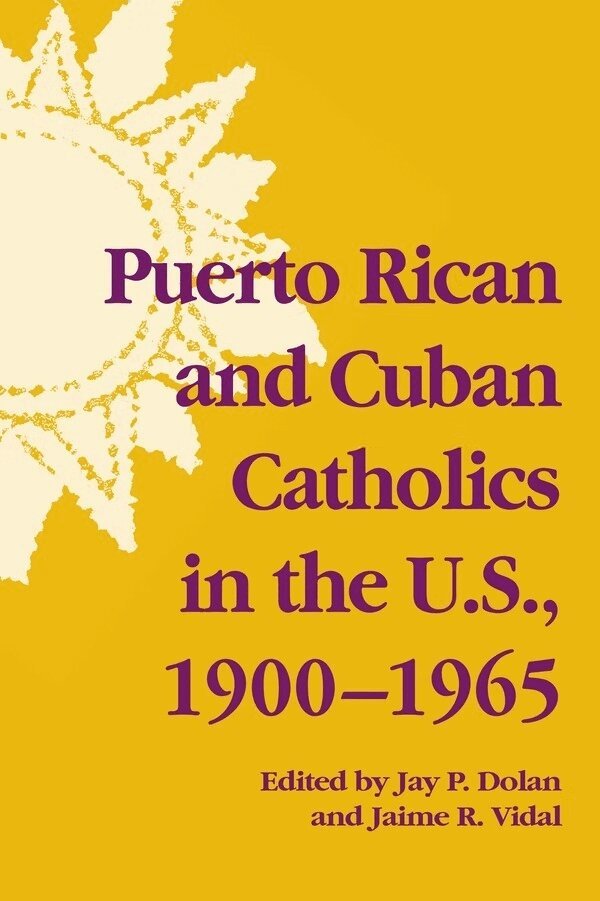
When Puerto Ricans and Cubans arrived in the United States both groups presented to American Catholics the paradox of cultures pervaded by Catholic symbols, attitudes, and traditions, but out of touch with the values and priorities of the institutional Church. Furthermore, both Cubans and Puerto Ricans tend to perceive themselves as being in the U.S. provisionally and therefore insist on holding on to their language and culture, while striving to build communities of their own where these values will be preserved. In this seminal volume Jaime R. Vidal and Lisandro Pérez present for the first time an in-depth historical analysis of the Puerto Rican and Cuban-American Catholic experience, beginning with their roots in the history of their homelands up to the closing of Vatican II.In the first section of Puerto Ricans, Vidal discusses the American Church's attempt to assimilate them into its structure and style, which was at cross purposes with the Puerto Rican "revolving door" migration trends that have constantly reinforced their identity. Focusing on the Puerto Rican community in New York City, Vidal demonstrates that the policies of the institutional Church have made it difficult for them to find their place within the U.S. Catholic structure. This has led to a certain amount of marginalization of the Church within the Puerto Rican Community.Lisandro Pérez then discusses the Cuban-American Catholic experience, especially the first waves of Cuban migration during the 1960s. Since the first political exiles were from the upper and middle classes of Cuban society, this led to expectations that the Cubans would quickly blend into the white, middle-class American community at both the religious and the social levels. Pérez analyzes the response of the Miami diocese to support the exiles and concludes that the Cubans have not been fully assimilated into the American Catholic Church because they view themselves as an exiled society that hopes eventually to return to Cuba.
1 077 kr
Skickas inom 10-15 vardagar
When Puerto Ricans and Cubans arrived in the United States both groups presented to American Catholics the paradox of cultures pervaded by Catholic symbols, attitudes, and traditions, but out of touch with the values and priorities of the institutional Church. Furthermore, both Cubans and Puerto Ricans tend to perceive themselves as being in the U.S. provisionally and therefore insist on holding on to their language and culture, while striving to build communities of their own where these values will be preserved. In this seminal volume Jaime R. Vidal and Lisandro Pérez present for the first time an in-depth historical analysis of the Puerto Rican and Cuban-American Catholic experience, beginning with their roots in the history of their homelands up to the closing of Vatican II.In the first section of Puerto Ricans, Vidal discusses the American Church's attempt to assimilate them into its structure and style, which was at cross purposes with the Puerto Rican "revolving door" migration trends that have constantly reinforced their identity. Focusing on the Puerto Rican community in New York City, Vidal demonstrates that the policies of the institutional Church have made it difficult for them to find their place within the U.S. Catholic structure. This has led to a certain amount of marginalization of the Church within the Puerto Rican Community.Lisandro Pérez then discusses the Cuban-American Catholic experience, especially the first waves of Cuban migration during the 1960s. Since the first political exiles were from the upper and middle classes of Cuban society, this led to expectations that the Cubans would quickly blend into the white, middle-class American community at both the religious and the social levels. Pérez analyzes the response of the Miami diocese to support the exiles and concludes that the Cubans have not been fully assimilated into the American Catholic Church because they view themselves as an exiled society that hopes eventually to return to Cuba.