Palgrave Studies in Korean Thought – serie
Visar alla böcker i serien Palgrave Studies in Korean Thought. Handla med fri frakt och snabb leverans.
3 produkter
Ham Sok Hon’s Nonviolent Revolution
Voices of Peace
Inbunden, 2027
1508 kr
Kommande
This book addresses a notable lacuna within the corpus of English-language scholarship by investigating Ham Sok Hon’s philosophy of peace. Ham Sok Hon (1901-1989) is hailed as one of modern Korea’s most influential figures, having been nominated twice for the Nobel Peace Prize. Throughout his life, …
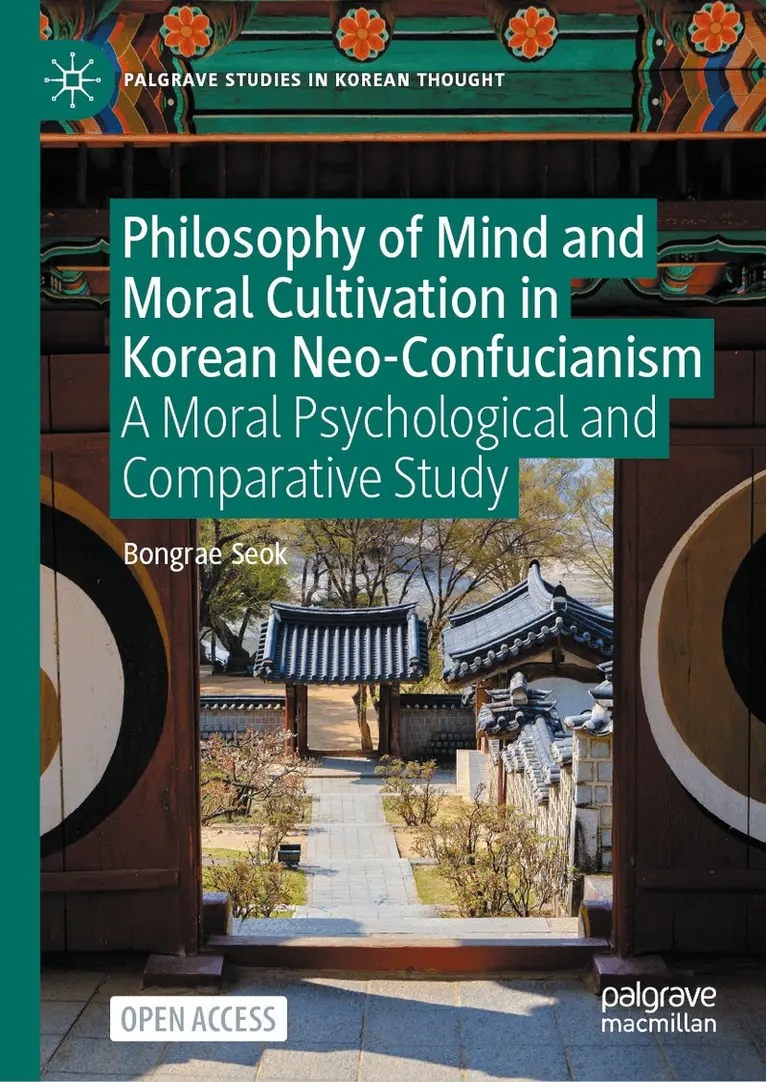
Philosophy of Mind and Moral Cultivation in Korean Neo-Confucianism
A Moral Psychological and Comparative Study
Av Bongrae Seok
Inbunden, 2026
621 kr
Kommande
This Open Access book offers the first comprehensive analysis of Korean Neo-Confucian theories of mind and moral cultivation during the Joseon dynasty. Exploring major debates—the Four-Seven Debate, the Horak Debate, and the Simseol Debate—this book examines how leading thinkers such as Yi Hwang …
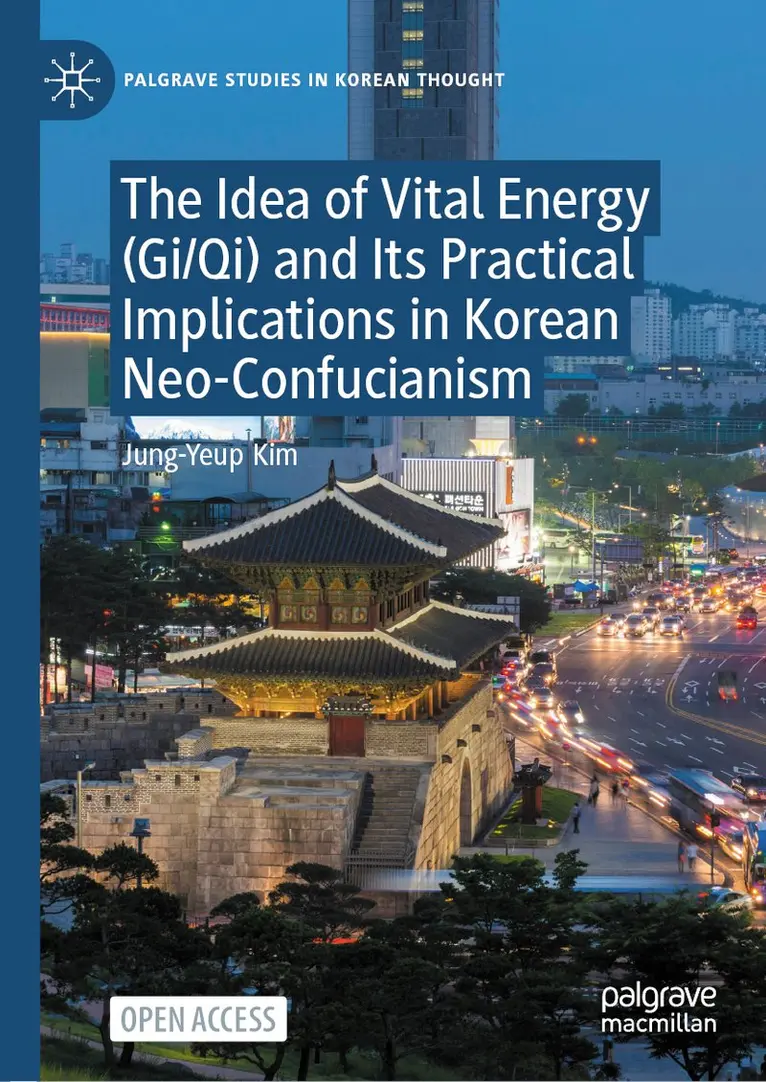
Idea of Vital Energy (Gi/Qi) and Its Practical Implications in Korean Neo-Confucianism
Inbunden, 2026
621 kr
Kommande
This Open Access book explores the worldviews of five major Joseon era Korean Neo-Confucian philosophers of vital energy (gi 기/氣 qi) : Kim Siseup, Seo Gyeongdeok, Im Seongju, Hong Daeyong and Choe Hangi. It also elucidates the practical implications of their positions. Jung-Yeup Kim shows how these …