Pew Forum Dialogue Series on Religion and Public Life – serie
Visar alla böcker i serien Pew Forum Dialogue Series on Religion and Public Life. Handla med fri frakt och snabb leverans.
10 produkter
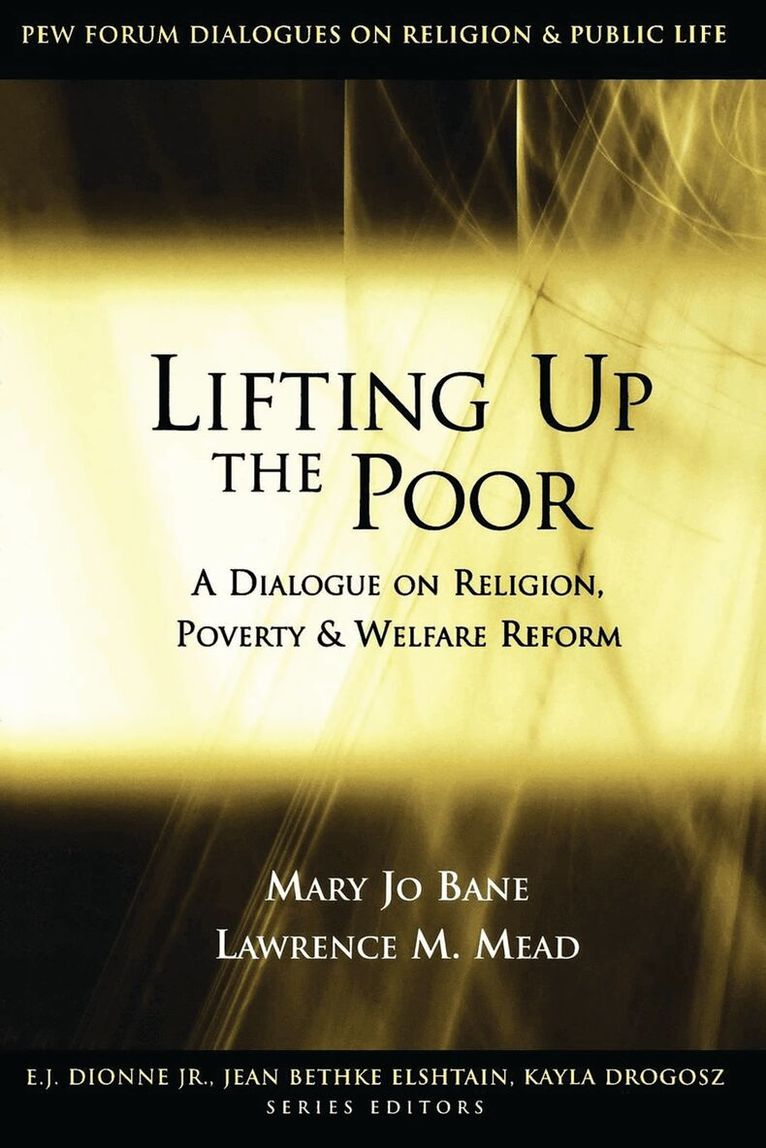
Lifting Up the Poor
A Dialogue on Religion, Poverty and Welfare Reform
Av Mary Jo Bane, Lawrence M. Mead
Häftad, 2003
275 kr
Lägg i varukorg
People who participate in debates about the causes and cures of poverty often speak from religious conviction. But those convictions are rarely made explicit or debated on their own terms. Rarely is the influence of personal religious commitment on policy decisions examined. Two of the nation's …
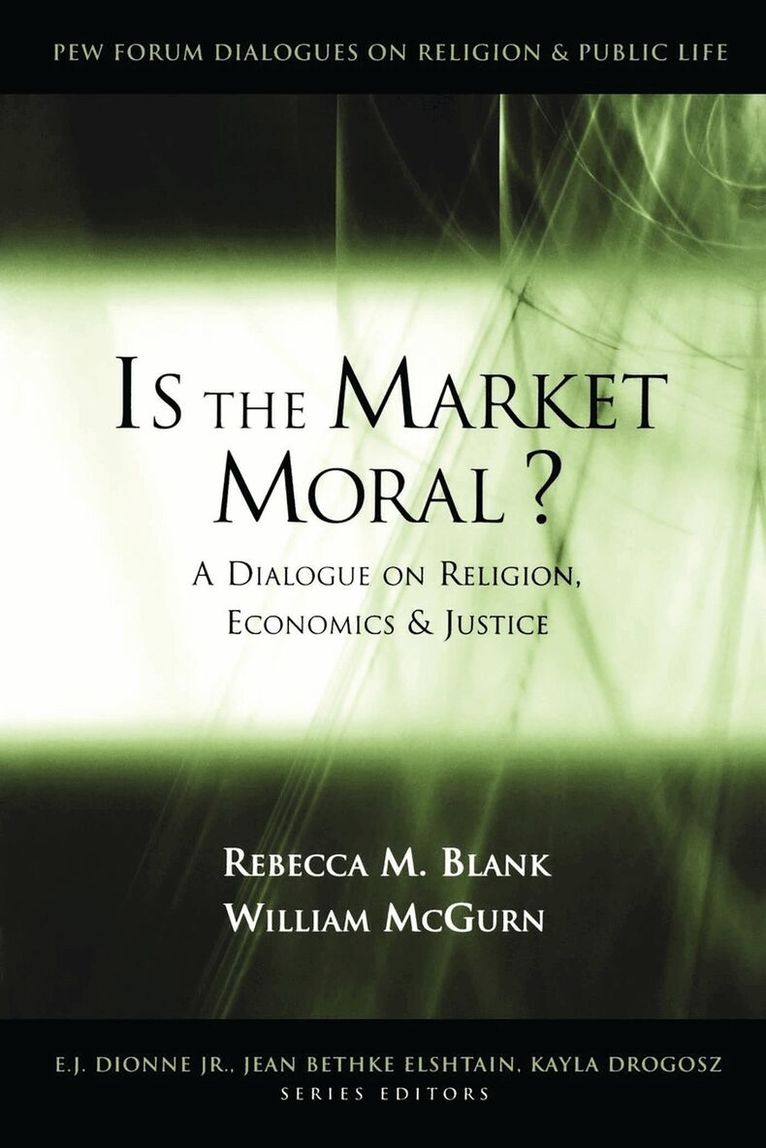
Is the Market Moral?
A Dialogue on Religion, Economics and Justice
Av William McGurn, Rebecca M. Blank
Häftad, 2003
275 kr
Lägg i varukorg
In the great tradition of moral argument about the nature of the economic market, Rebecca Blank and William McGurn join to debate the fundamental questionsequality and efficiency, productivity and social justice, individual achievement and personal rights in the workplace, and the costs and …
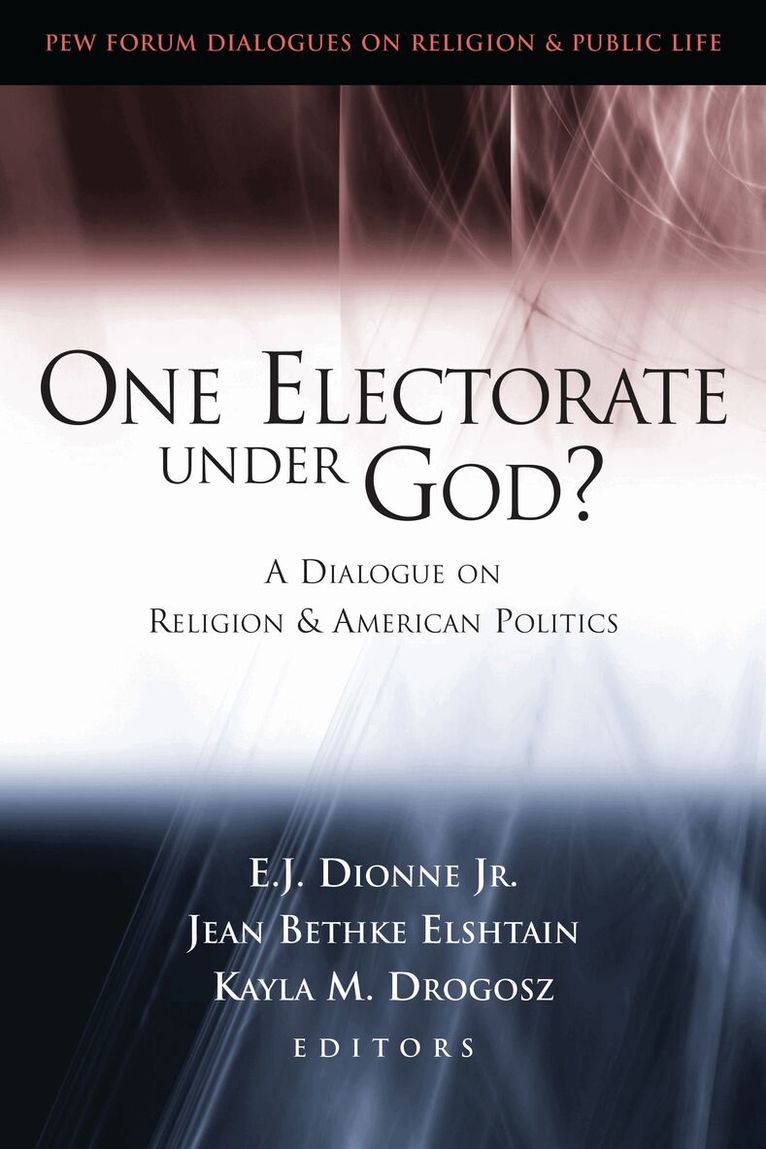
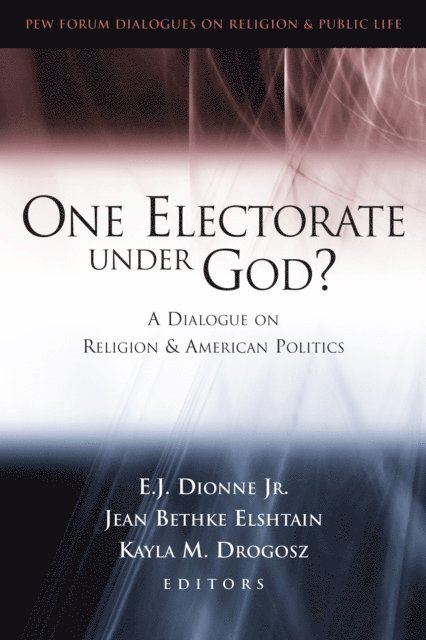
One Electorate under God?
A Dialogue on Religion and American Politics
Av E. J. Dionne, Jean Bethke Elshtain m. fl.
Häftad, 2004
303 kr
Lägg i varukorg
The United States has been described as a nation with the soul of a church. Religion is discussed more explicitly and more urgently in American politics than in the public debates of any other wealthy democracy. It is certain to play an important role in the elections of 2004. Yet debates over …
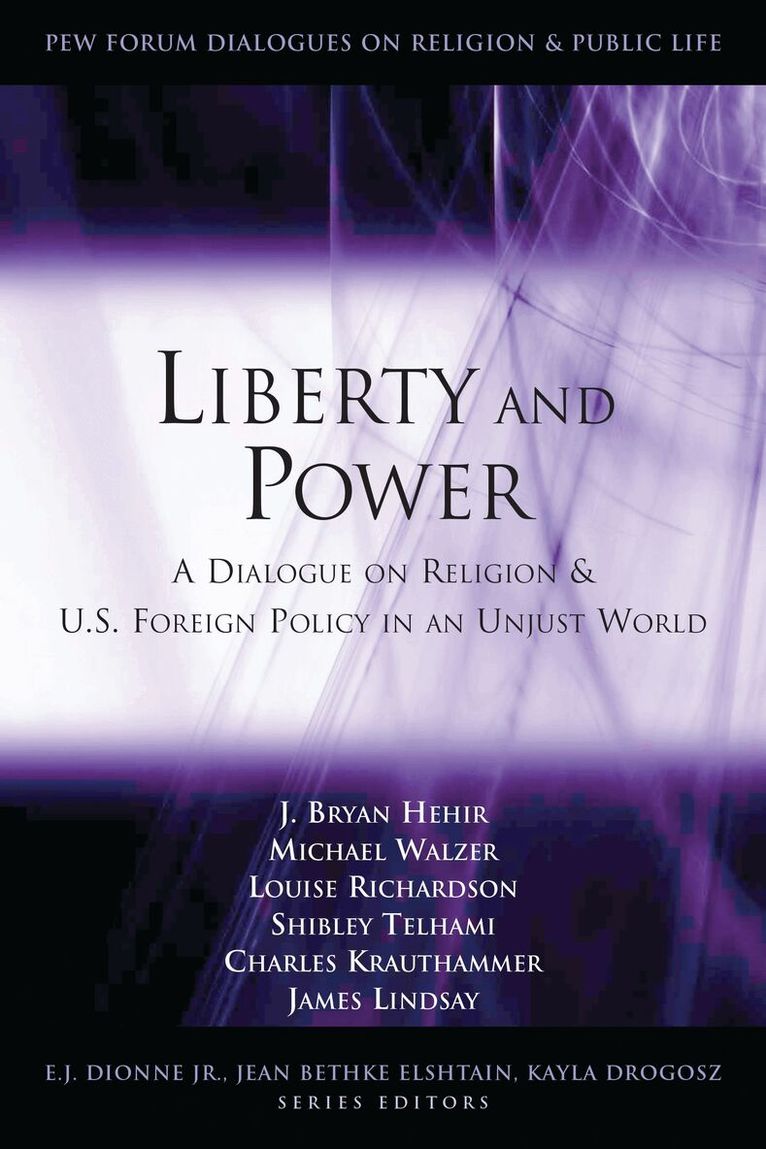
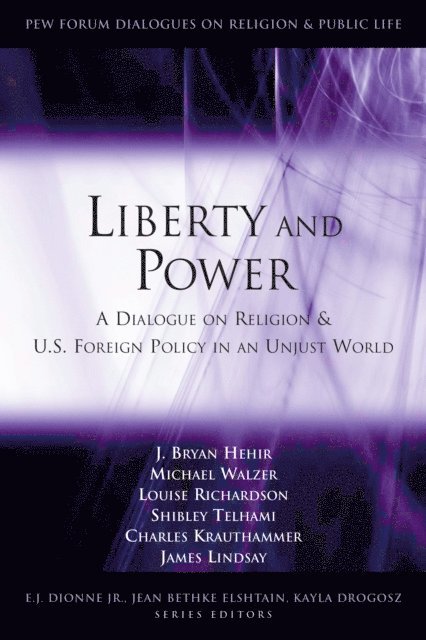
Liberty and Power
A Dialogue on Religion and U.S. Foreign Policy in an Unjust World
Av J. Bryan Hehir, Michael Walzer m. fl.
Häftad, 2004
275 kr
Lägg i varukorg
What role should religion play in shaping and implementing U.S. foreign policy?The dominant attitude over the last half century on the subject of religion and international relations was expressed well by Dean Acheson, Harry Truman's secretary of state: ""Moral Talk was fine preaching for the Final …
Is There a Culture War?
A Dialogue on Values and American Public Life
Av James Davison Hunter, Alan Wolfe
Häftad, 2006
275 kr
Lägg i varukorg
In the wake of a bitter presidential campaign and in the face of numerous divisive policy questions, many Americans wonder if their country has split in two. People are passionately choosing sides on contentious issues such as the invasion of Iraq, gay marriage, stem-cell research, and the right to …
Is There a Culture War?
A Dialogue on Values and American Public Life
Av James Davison Hunter, Alan Wolfe
E-bok, 2007
299 kr
Lägg i varukorg
In the wake of a bitter presidential campaign and in the face of numerous divisive policy questions, many Americans wonder if their country has split in two. People are passionately choosing sides on contentious issues such as the invasion of Iraq, gay marriage, stem-cell research, and the right to …
Lifting Up the Poor
A Dialogue on Religion, Poverty and Welfare Reform
Av Mary Jo Bane, Lawrence M. Mead
E-bok, 2003
296 kr
Lägg i varukorg
People who participate in debates about the causes and cures of poverty often speak from religious conviction. But those convictions are rarely made explicit or debated on their own terms. Rarely is the influence of personal religious commitment on policy decisions examined. Two of the nation's …
Is the Market Moral?
A Dialogue on Religion, Economics and Justice
Av William McGurn, Rebecca M. Blank
E-bok, 2003
287 kr
Lägg i varukorg
In the great tradition of moral argument about the nature of the economic market, Rebecca Blank and William McGurn join to debate the fundamental questionsequality and efficiency, productivity and social justice, individual achievement and personal rights in the workplace, and the costs and …
One Electorate under God?
A Dialogue on Religion and American Politics
Av E. J. Dionne, Jean Bethke Elshtain m. fl.
E-bok, 2004
317 kr
Lägg i varukorg
The United States has been described as a nation with the soul of a church. Religion is discussed more explicitly and more urgently in American politics than in the public debates of any other wealthy democracy. It is certain to play an important role in the elections of 2004. Yet debates over …
Liberty and Power
A Dialogue on Religion and U.S. Foreign Policy in an Unjust World
Av J. Bryan Hehir, Michael Walzer m. fl.
E-bok, 2004
290 kr
Lägg i varukorg
What role should religion play in shaping and implementing U.S. foreign policy? The dominant attitude over the last half century on the subject of religion and international relations was expressed well by Dean Acheson, Harry Truman's secretary of state: ""Moral Talk was fine preaching for the …