PHILOSOPHICAL OUTSIDERS SERIES – serie
Visar alla böcker i serien PHILOSOPHICAL OUTSIDERS SERIES. Handla med fri frakt och snabb leverans.
2 produkter
2 produkter
391 kr
Skickas inom 5-8 vardagar
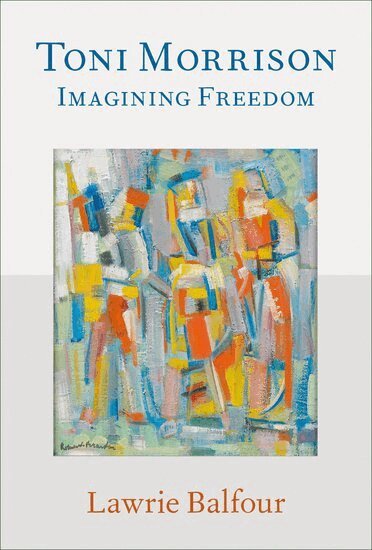
When Toni Morrison declares that she “can't wait for the ultimate liberation theory to imagine its practice and do its work,” she raises an issue at the heart of modern political thought: How should we understand freedom? And what does freedom mean in the shadow of racial slavery and colonialism? In this study of Toni Morrison's writing, Lawrie Balfour explores Morrison's reflections on the idea of freedom in her novels and nonfiction. While Morrison's literary achievements are widely celebrated, her political thought has yet to receive the same attention. Balfour shows how Morrison's writing illuminates the meanings of freedom and unfreedom in a democratic society founded on both the defense of liberty and the right to enslavement. Morrison's fiction and meditations on the power of language challenge wishful notions of color-blindness and complaints that it is time to move beyond thinking and talking about race. Her attentiveness to the experiences of people “no one inquired of”--especially her interest in the lives of black women and girls--reorients democratic study toward racial slavery, settler colonialism, and the ongoing processes of theft and domination instituted by these practices. Morrison's writings kindle new forms of freedom-seeking that do not rely on the subjugation of others.
359 kr
Skickas
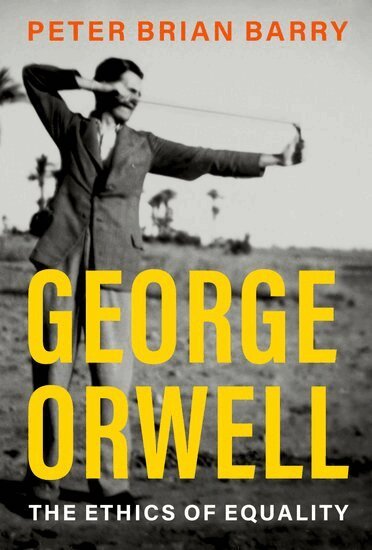
George Orwell is sometimes read as disinterested in (if not outright hostile) to philosophy. Yet a fair reading of Orwell's work reveals an author whose work was deeply informed by philosophy and who often revealed his philosophical sympathies. Orwell's written works are of ethical significance, but he also affirmed and defended substantive ethical claims about humanism, well-being, normative ethics, free will and moral responsibility, moral psychology, decency, equality, liberty, justice, and political morality. In George Orwell: The Ethics of Equality, philosopher Peter Brian Barry avoids a narrow reading of Orwell that considers only a few of his best-known works and instead considers the entirety of Orwell's corpus, including his fiction, journalism, essays, book reviews, diaries, and correspondence, contending that there are ethical commitments discernible throughout his work that ground some of his best-known pronouncements and positions. While Orwell is often read as a humanist, egalitarian, and socialist, too little attention has been paid to the nuanced versions of those doctrines that he endorsed and the philosophical sympathies that led him to embrace them. Barry illuminates Orwell's philosophical sympathies and contributions that have either gone unnoticed or been underappreciated. Philosophers interested in Orwell now have a text that explores many of the philosophical themes in his work and Orwell's readers now have a text that makes the case for regarding him as a worthy philosopher as well as one of the greatest Anglophone writers of the 20th century.