Philosophy of Language: Connections and Perspectives – Serie
Visar alla böcker i serien Philosophy of Language: Connections and Perspectives. Handla med fri frakt och snabb leverans.
12 produkter
12 produkter
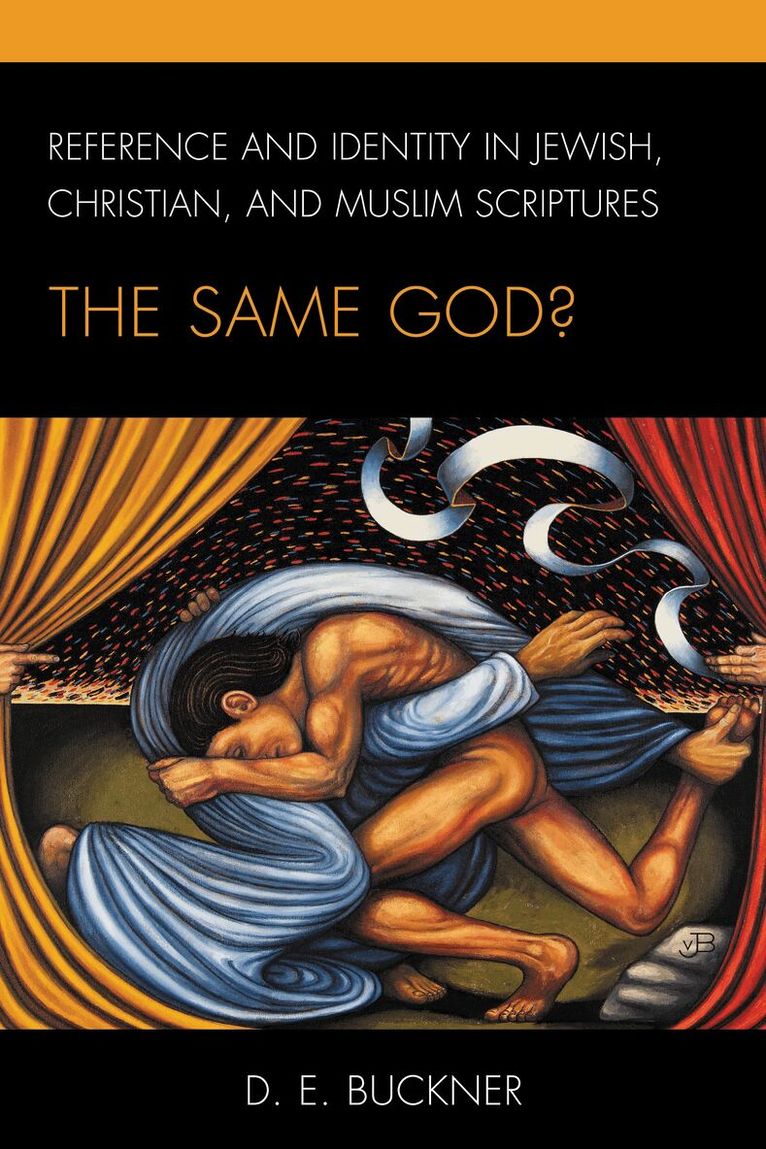
Reference and Identity in Jewish, Christian, and Muslim Scriptures
The Same God?
Inbunden, Engelska, 2020
1 209 kr
Skickas inom 10-15 vardagar
In Reference and Identity in Jewish, Christian, and Muslim Scriptures: The Same God?, D. E. Buckner argues that all reference is story-relative. We cannot tell which historical individual a person is talking or writing about or addressing in prayer without familiarity with the narrative (oral or written) which introduces that individual to us, so we cannot understand reference to God, nor to his prophets, nor to any other character mentioned in the Jewish, Christian, or Muslim scriptures, without reference to those very scriptures. In this context we must understand God as the person who “walked in the garden in the cool of the day” (Gen. 3:8), and who is continuously referred to in the books of the Hebrew Bible and New Testament, as well as the Quran. Further developing ideas presented by the late Fred Sommers in his seminal The Logic of Natural Language, Buckner argues that singular reference and singular conception is empty outside such a context.
Reference and Identity in Jewish, Christian, and Muslim Scriptures
The Same God?
Häftad, Engelska, 2022
488 kr
Skickas inom 10-15 vardagar
In Reference and Identity in Jewish, Christian, and Muslim Scriptures: The Same God?, D. E. Buckner argues that all reference is story-relative. We cannot tell which historical individual a person is talking or writing about or addressing in prayer without familiarity with the narrative (oral or written) which introduces that individual to us, so we cannot understand reference to God, nor to his prophets, nor to any other character mentioned in the Jewish, Christian, or Muslim scriptures, without reference to those very scriptures. In this context we must understand God as the person who “walked in the garden in the cool of the day” (Gen. 3:8), and who is continuously referred to in the books of the Hebrew Bible and New Testament, as well as the Quran. Further developing ideas presented by the late Fred Sommers in his seminal The Logic of Natural Language, Buckner argues that singular reference and singular conception is empty outside such a context.
1 209 kr
Skickas inom 10-15 vardagar
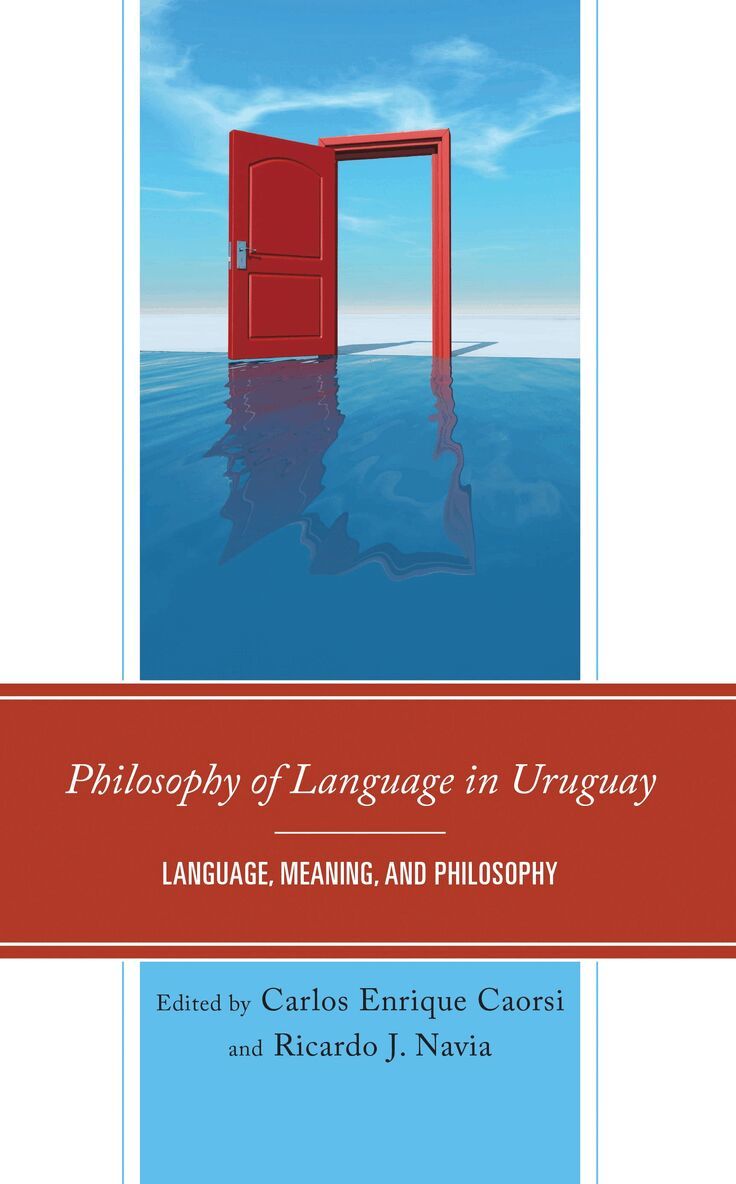
In Europe, and later in the United States, the revitalization of the philosophy of language emerged from the need to address certain perplexities concerning formal disciplines and to work out certain complexities found within philosophy. In Uruguay, philosophy of language began with Carlos Vaz Ferreira as an analysis of the common and argumentative uses of language but then expanded to address typically philosophical questions. Edited by Carlos Enrique Caorsi and Ricardo J. Navia, Philosophy of Language in Uruguay: Language, Meaning, and Philosophy demonstrates the different directions in which philosophy of language has developed in Uruguay in the last twenty years, giving a representative picture of how philosophical approaches from a linguistic perspective have developed in this Latin American country. Uruguayan philosophy has a very small international presence, but it has long produced works within the philosophical explorations of language that are worthy of being better known. The contributors dissect these explorations through epistemology, linguistics, argumentation, and cognitive sciences to discover how philosophers of language such as Vaz Ferreira have grown to understand the complexities of language and how it affects us today.
1 177 kr
Skickas inom 10-15 vardagar
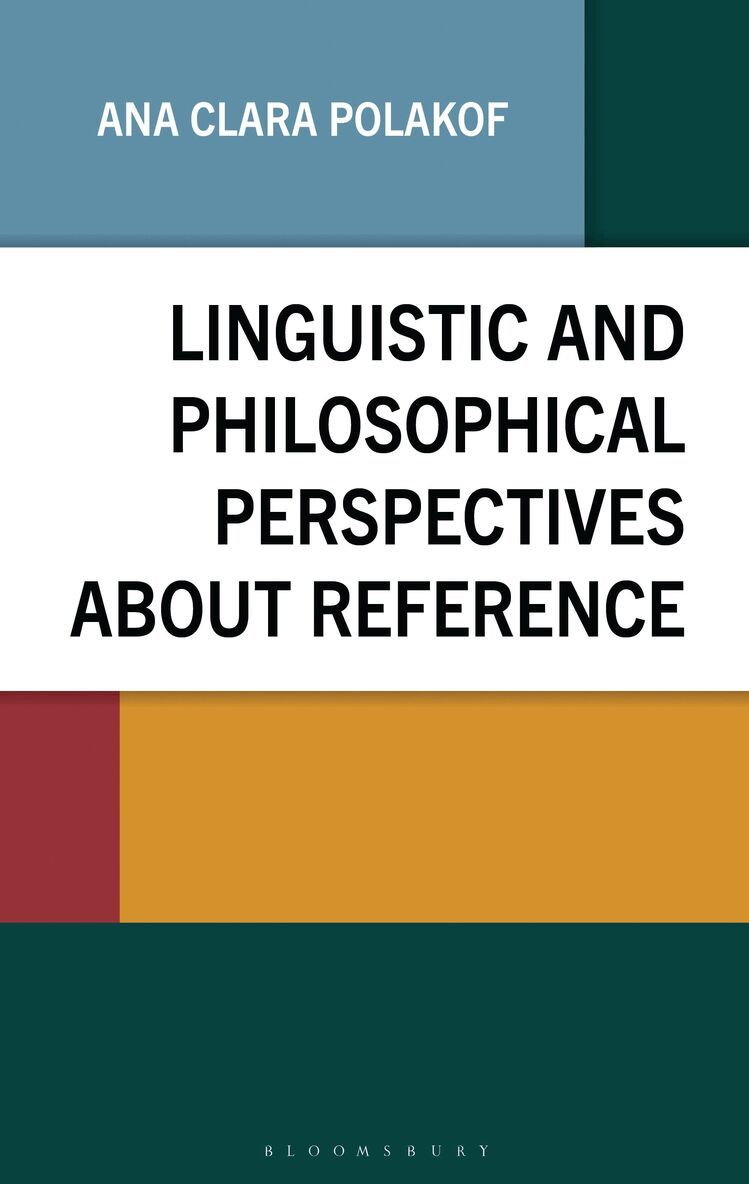
Bringing varied perspectives on problems related to reference from philosophers of language and linguists, this edited collection initiates a dialogue between the two fields. The contributors to this volume, both philosophers and linguists, answer four questions: What is reference? Is there reference to the abstract? Is there sentential reference? Is there reference to time? Each chapter is followed by two responses: A linguist will comment on what the philosopher said, and how it can impact the research made in the related linguistic field, while a philosopher will comment on what the linguist said, in a similar sort of fashion. Edited by Ana Clara Polakof, Linguistic and Philosophical Perspectives about Reference highlights ways that linguistics and philosophy of language are currently closely connected and can mutually benefit from sustained interaction.
1 177 kr
Skickas inom 10-15 vardagar
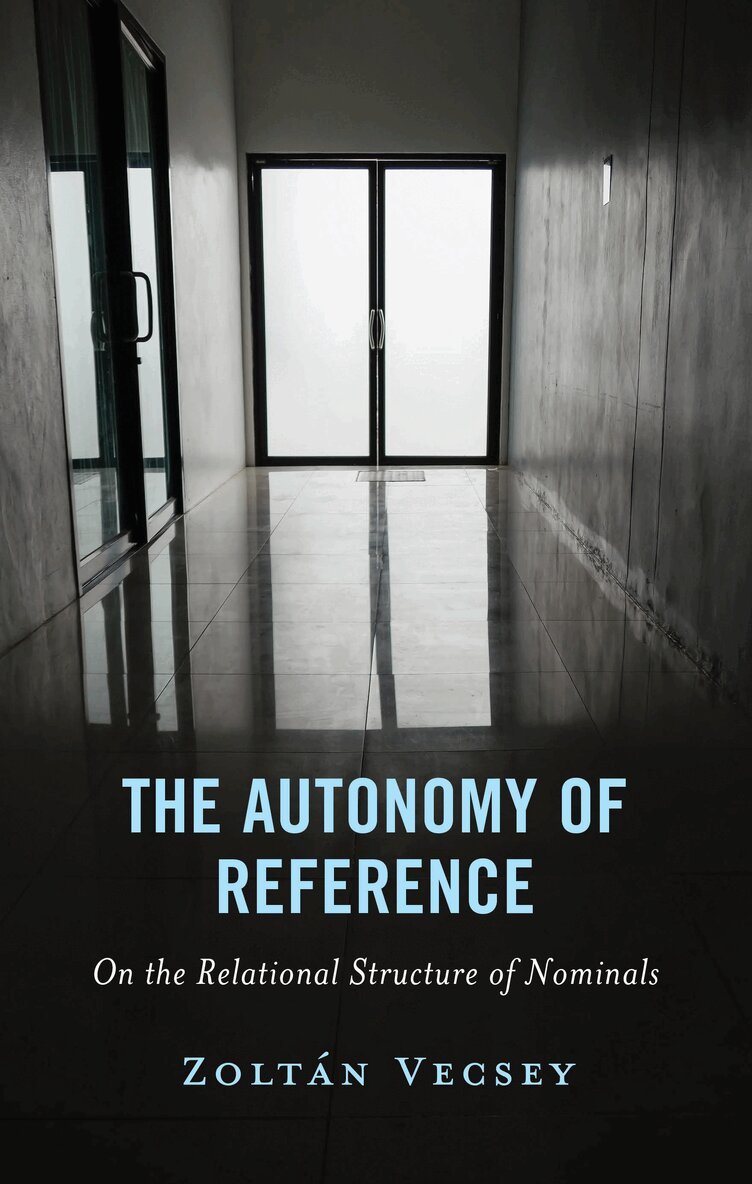
In The Autonomy of Reference: On the Relational Structure of Nominals, Zoltán Vecsey defends a moderate autonomy thesis concerning the explanatory status of nominal reference. The autonomy thesis is based on the observation that the relational term of reference exhibits a specific resistance to systematizing attempts. The resistance can be observed on two complementary fronts. On the one hand, reference cannot be introduced into the vocabulary of theoretical linguistics in a de novo manner because every reasonable introductory technique must be built on such expressions that are already functioning in a relational mode. On the other hand, and for similar reasons, the term cannot simply be removed from the vocabulary of theoretical linguistics because every reasonable technique of removal must be built on expressions that are still functioning in a relational mode. Although reference is an autonomous aspect of meaning in that it shows resistance to these attempts of systematisation, it should not be banished from linguistic theory as an unscientific phenomenon. Vecsey argues that the explanatory technique of reverse engineering, which has already been effectively used in the research practices of logic and mathematics, brings theoretical legitimacy to the term of reference.
1 209 kr
Skickas inom 10-15 vardagar
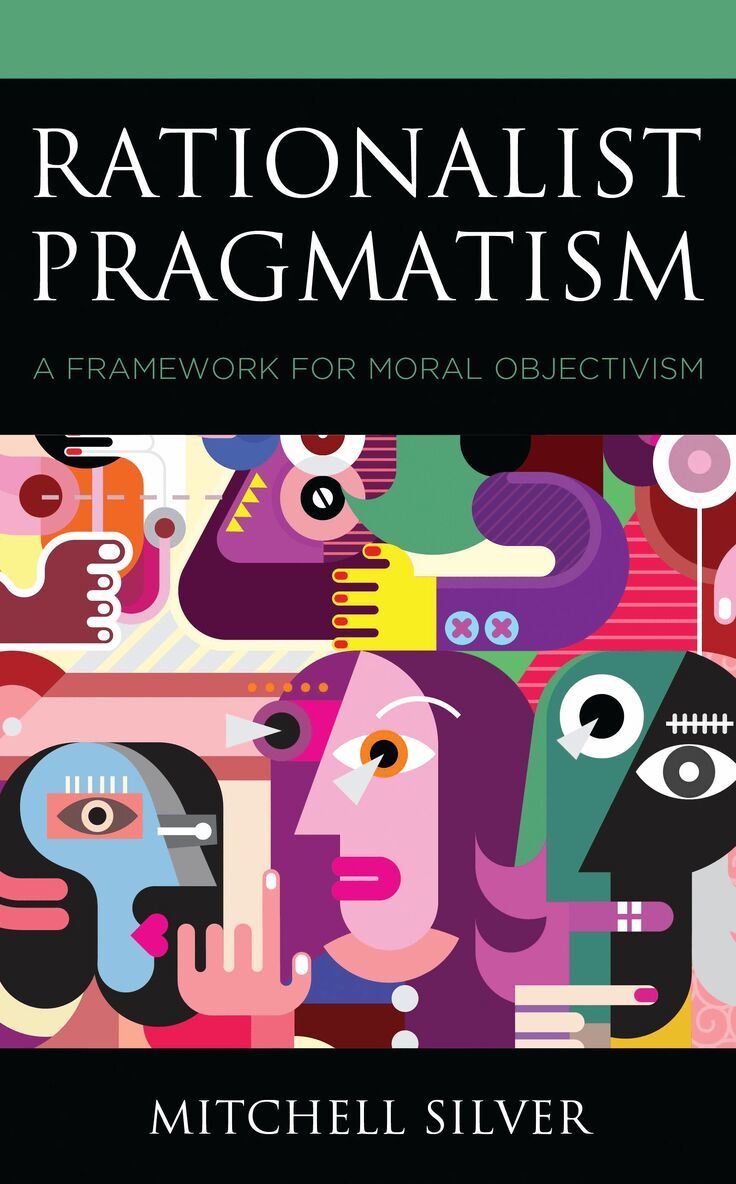
In Rationalist Pragmatism: A Framework for Moral Objectivism, Mitchell Silver draws from a wide array of philosophical fields to formulate a comprehensive theory of ethics. He argues that an understanding of justification rooted in pragmatism leads to practical principles that apply to all those we would recognize as persons. The account bears implications for the nature of selfhood, the freedom of the will, the meaning of moral terms, the power of moral principles to motivate, conceptions of truth, the nature of value, and the use and abuse of abstract moral theorizing. Rationalist Pragmatism develops its pragmatically informed morality in light of prominent ethical schools, as well as relevant topics in the philosophy of language, metaphysics, and epistemology, including the correspondence theory of truth, inferentialist semantics, motivational internalism, the source of value, and experimental philosophy. Finally, Silver explores concrete moral and political implications of his theory, demonstrating that metaethics can affect positions regarding the morality of personal relations; the treatment of animals; and political assessments of democracy, socialism, and nationalism. Silver maintains that our interest in truth—our rational nature as practical and theoretical beings—forms us as a community of mutually recognizing truth seekers.
488 kr
Skickas inom 10-15 vardagar
In Rationalist Pragmatism: A Framework for Moral Objectivism, Mitchell Silver draws from a wide array of philosophical fields to formulate a comprehensive theory of ethics. He argues that an understanding of justification rooted in pragmatism leads to practical principles that apply to all those we would recognize as persons. The account bears implications for the nature of selfhood, the freedom of the will, the meaning of moral terms, the power of moral principles to motivate, conceptions of truth, the nature of value, and the use and abuse of abstract moral theorizing. Rationalist Pragmatism develops its pragmatically informed morality in light of prominent ethical schools, as well as relevant topics in the philosophy of language, metaphysics, and epistemology, including the correspondence theory of truth, inferentialist semantics, motivational internalism, the source of value, and experimental philosophy. Finally, Silver explores concrete moral and political implications of his theory, demonstrating that metaethics can affect positions regarding the morality of personal relations; the treatment of animals; and political assessments of democracy, socialism, and nationalism. Silver maintains that our interest in truth—our rational nature as practical and theoretical beings—forms us as a community of mutually recognizing truth seekers.
1 177 kr
Skickas inom 10-15 vardagar
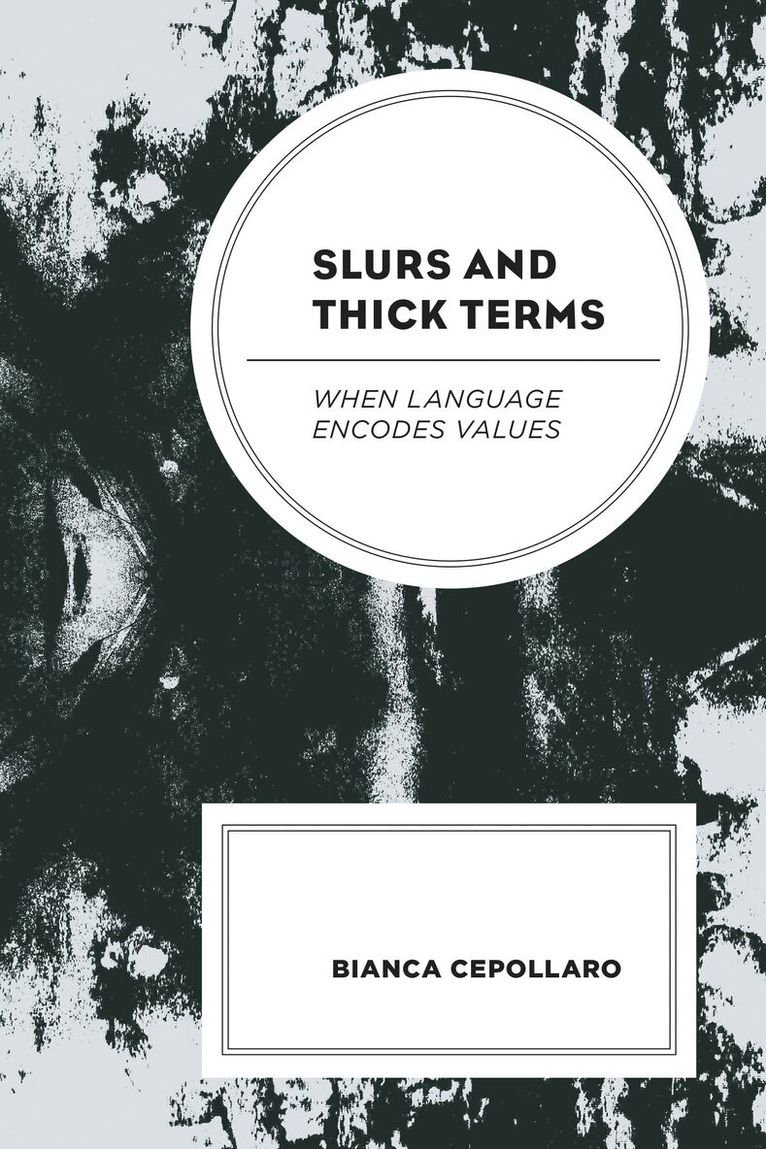
What is the relation between language, communication, and values? In Slurs and Thick Terms: When Language Encodes Values, Bianca Cepollaro explores the ways in which certain pieces of evaluative language not only reflect speakers’ moral perspectives, but also contribute to promoting their evaluative stance. She focuses on slurs—the prototypical example of hate speech, including racial and homophobic epithets—and so-called thick terms, that is, those expressions, much discussed in metaethics, that mix description and evaluation such as "lewd," "chaste," "generous," or "selfish." This book argues that in employing such terms, speakers not only say something purely factual about people and things, but also presuppose certain values, as if they were common ground among the conversation participants. Cepollaro illustrates how this linguistic mechanism effectively explains the pervasive social and moral effects of evaluative language. Using a multidisciplinary approach, she tackles issues in philosophy of language, linguistics, ethics, and metaethics. Moreover, the theoretical investigation takes into consideration and discusses empirical data from psychology and experimental philosophy.
1 245 kr
Skickas inom 10-15 vardagar
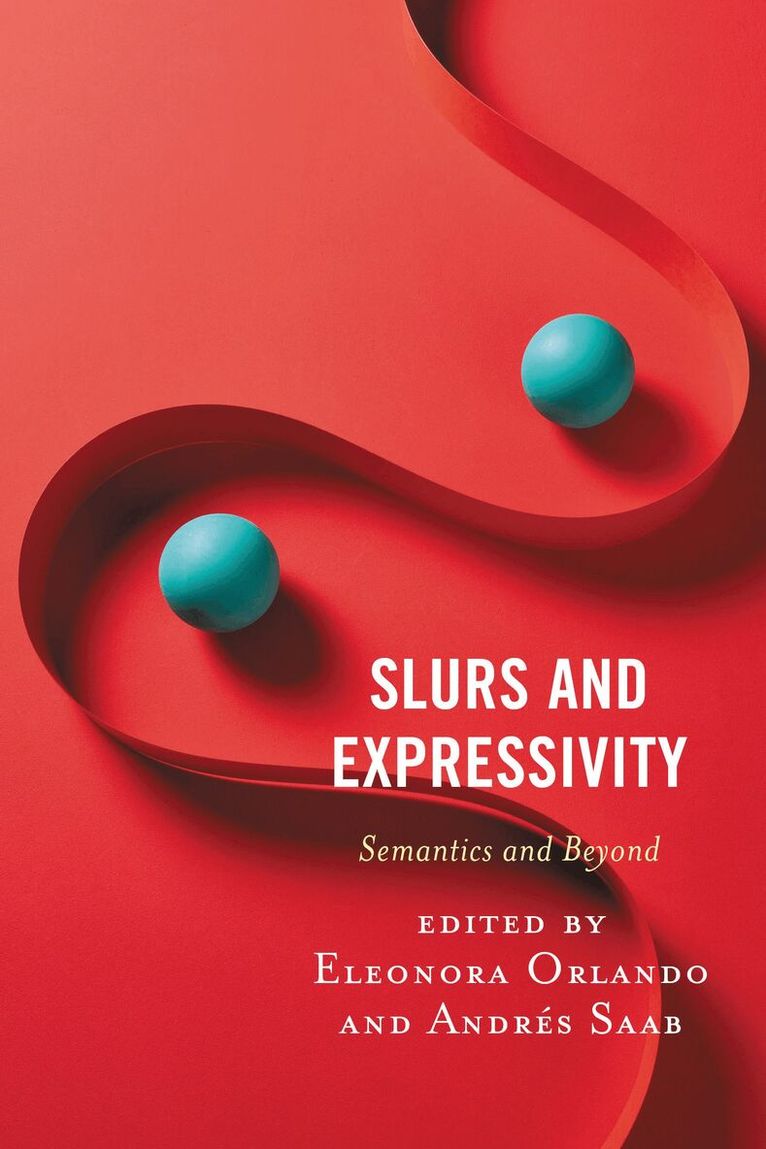
Slurs and Expressivity: Semantics and Beyond, edited by Eleonora Orlando and Andres Saab,focuses on the analysis of the expressive aspects of slur-words, namely, those words prima facie related to the conveyance of contemptuous or derogatory feelings for the members of a certain group of people identified in terms of their ethnicity, sexual orientation, religion, political ideology, and other personal qualities. In as far as they are used to express emotional attitudes, slurs are, thus, a kind of expressive words. This collection provides different hypotheses regarding the way in which the expressive import of slurs and other related expressive words is semantically encoded in the grammar and how their meaning impacts other aspects related to their use in different practices of linguistic communication. These linguistic practices are usually, but not always, related to segregation and discrimination of particular human groups. Therefore, any contribution to the theory of slur meaning is, directly or indirectly, also a contribution to a better understanding of those practices and to finding the best way to eradicate them.
447 kr
Skickas inom 10-15 vardagar
Slurs and Expressivity: Semantics and Beyond, edited by Eleonora Orlando and Andres Saab,focuses on the analysis of the expressive aspects of slur-words, namely, those words prima facie related to the conveyance of contemptuous or derogatory feelings for the members of a certain group of people identified in terms of their ethnicity, sexual orientation, religion, political ideology, and other personal qualities. In as far as they are used to express emotional attitudes, slurs are, thus, a kind of expressive words. This collection provides different hypotheses regarding the way in which the expressive import of slurs and other related expressive words is semantically encoded in the grammar and how their meaning impacts other aspects related to their use in different practices of linguistic communication. These linguistic practices are usually, but not always, related to segregation and discrimination of particular human groups. Therefore, any contribution to the theory of slur meaning is, directly or indirectly, also a contribution to a better understanding of those practices and to finding the best way to eradicate them.
1 142 kr
Skickas inom 10-15 vardagar
Truth and Norms: Normative Alethic Pluralism and Evaluative Disagreements engages three philosophical topics and the relationships among them. Filippo Ferrari first contributes to the debate on the nature and normative significance of disagreement, especially in relation to evaluative judgements such as judgements about basic taste, refined aesthetics, and moral matters. Second, he addresses the issue of epistemic normativity, focusing in particular on the normative function(s) that truth exerts on judgements. Third, he contributes to the debate on truth—more specifically, which account of the nature of truth best accommodates the norms relating judgements and truth. This book develops and defends a novel pluralistic picture of the normativity of truth: normative alethic pluralism (NAP). At the core of NAP is the idea that truth exerts different normative functions in relation to different areas of inquiry. Ferrari argues that this picture of the normativity of truth offers the best explanation of the variable normative significance that disagreement exhibits in relation to different subject matters—from a rather shallow normative impact in the case of disagreement about taste, to a normatively more substantive significance in relation to moral judgements. Last, Ferrari defends the view that NAP does not require a commitment to truth pluralism, since it is fully compatible with a somewhat refined version of minimalism about truth.
Proper Names and Reference
Metasemantic Challenges and Epistemological Constraints
Inbunden, Engelska, 2026
1 678 kr
Kommande
What mechanisms determine the meaning of proper names? Drawing from semantic and metasemantic perspectives, this book offers a novel theory.Names raise controversial issues in philosophy of language, epistemology, philosophy of mind and metaphysics. Stefano Pugnaghi explores The first part of the text focuses on the contemporary debates on names’ meaning, discussing particularly the debates between predicativist and referentialist accounts of names and the one between constant and non-constant referentialist views. Pugnaghi describes some challenges to a predicative account of names, defending instead a Millian account of names’ meaning and offering a new way of conceiving the mechanisms through which names acquire such meaning. This approach to names’ reference-fixing is inspired by the Kripkean picture but capable of capturing the freedom with which names are introduced.