Filippo Ferrari - Böcker
Visar alla böcker från författaren Filippo Ferrari. Handla med fri frakt och snabb leverans.
9 produkter
9 produkter
234 kr
Skickas inom 7-10 vardagar
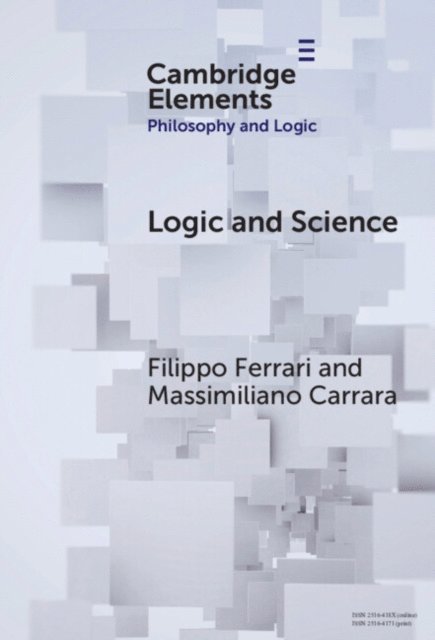
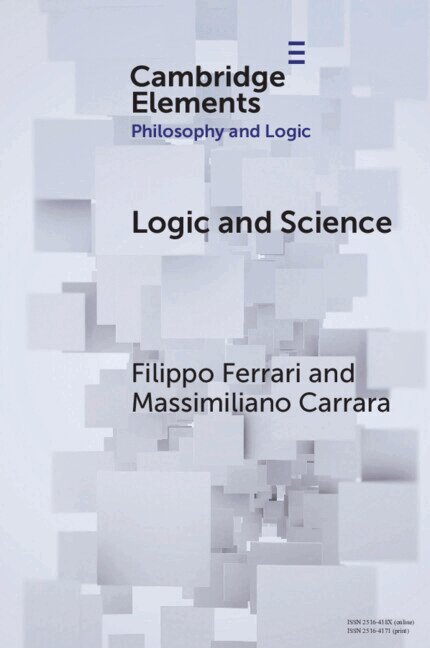
This Element delves into the relationship between logic and the sciences, a topic brought to prominence by Quine, who regarded logic as methodologically and epistemologically akin to the sciences. For this reason, Quine is seen as the forefather of anti-exceptionalism about logic (AEL), a stance that has become prevalent in the philosophy of logic today. Despite its popularity and the volume of research it inspires, some core issues still lack clarity. For one thing, most works in the debate remain vague on what should count as logic and what should count as a science. Furthermore, the terms of the comparison are rarely specified and discussed in a systematic way. This Element purports to advance the debate on these crucial issues with the hope of fostering our understanding of the fundamentals of AEL. This title is also available as Open Access on Cambridge Core.
753 kr
Skickas inom 7-10 vardagar
This Element delves into the relationship between logic and the sciences, a topic brought to prominence by Quine, who regarded logic as methodologically and epistemologically akin to the sciences. For this reason, Quine is seen as the forefather of anti-exceptionalism about logic (AEL), a stance that has become prevalent in the philosophy of logic today. Despite its popularity and the volume of research it inspires, some core issues still lack clarity. For one thing, most works in the debate remain vague on what should count as logic and what should count as a science. Furthermore, the terms of the comparison are rarely specified and discussed in a systematic way. This Element purports to advance the debate on these crucial issues with the hope of fostering our understanding of the fundamentals of AEL. This title is also available as Open Access on Cambridge Core.
Lo Smalto E Le Scuole Principali Di Costantinopoli, Limoges, Siena E Guardiagrele...
Inbunden, Italienska, 2023
390 kr
Skickas inom 5-8 vardagar
Lo Smalto E Le Scuole Principali Di Costantinopoli, Limoges, Siena E Guardiagrele...
Häftad, Italienska, 2023
203 kr
Skickas inom 5-8 vardagar
360 kr
Skickas inom 5-8 vardagar
188 kr
Skickas inom 5-8 vardagar
2 088 kr
Skickas inom 10-15 vardagar
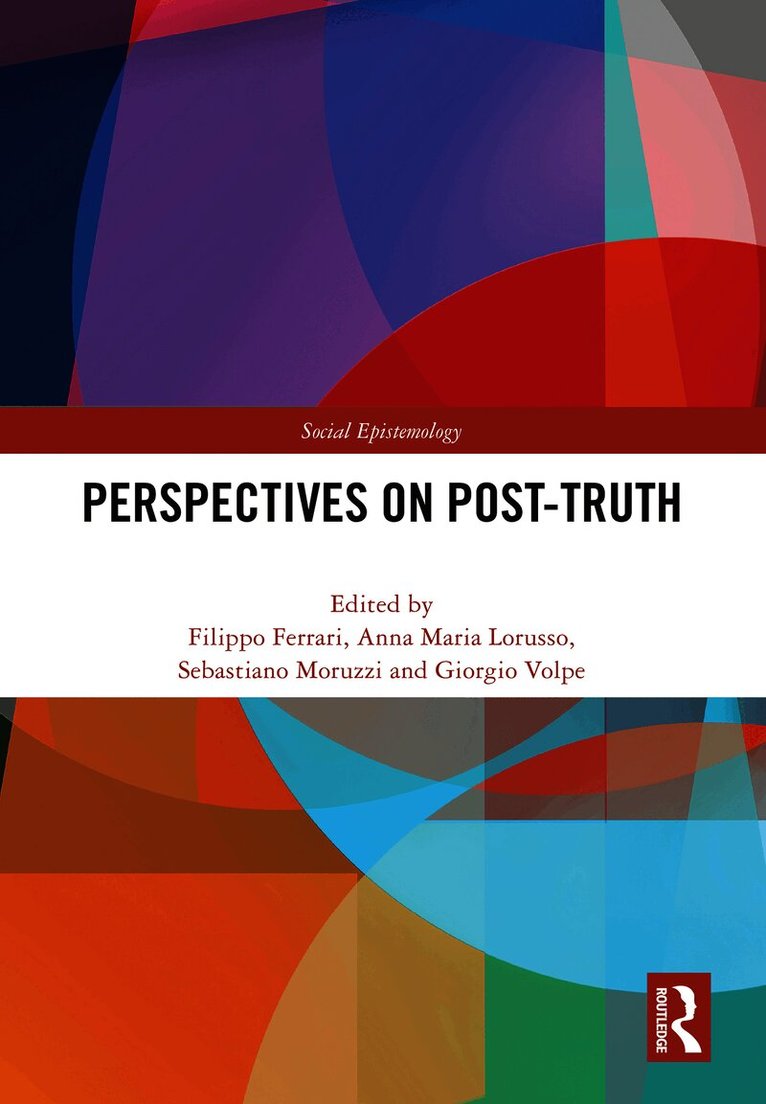
This volume tackles an array of complex and interrelated phenomena which are usually referred to as the post-truth condition – from confirmation bias to science denialism, misinformation, and the rise of polarized ‘epistemic tribes’ on social media. Based on a multi-disciplinary approach, the book seeks not just to chart the landscape of post-truth but to equip the readers with the intellectual tools to navigate and counteract its most detrimental aspects.‘Post-truth’ denotes a cluster of phenomena that pose significant epistemic and societal challenges, including the proliferation of confirmation bias, denial of scientific findings, reinforcement of beliefs within echo chambers, and rampant spread of misinformation, conspiracy theories, and fake news—most notably via social media platforms. These phenomena have tangible effects, manifesting in a societal schism and contributing to public opinion polarization. Trust in scientific institutions and expertise is eroding, and the fragmentation of public opinion in opposed ‘epistemic tribes’ threatens the very foundations of democratic societies, undermining the role of scientific bodies in public discourse and policy-making. Drawing on diverse methodologies, theoretical frameworks, and expert insights, the contributions to this book scrutinize core post-truth phenomena through a multi-disciplinary lens and construct a nuanced understanding and an effective toolkit to confront the challenges posed to our social fabric.Tailored for a diverse readership, including scholars in social and traditional epistemology, semiotics, and related fields, as well as an informed general audience, this volume will be particularly relevant for individuals interested in fostering their understanding of phenomena such as post-truth, science denialism, societal polarization, and their impact on democratic processes and institutions. It was originally published as a special issue of Social Epistemology.
630 kr
Skickas inom 10-15 vardagar
This volume tackles an array of complex and interrelated phenomena which are usually referred to as the post-truth condition – from confirmation bias to science denialism, misinformation, and the rise of polarized ‘epistemic tribes’ on social media. Based on a multi-disciplinary approach, the book seeks not just to chart the landscape of post-truth but to equip the readers with the intellectual tools to navigate and counteract its most detrimental aspects.‘Post-truth’ denotes a cluster of phenomena that pose significant epistemic and societal challenges, including the proliferation of confirmation bias, denial of scientific findings, reinforcement of beliefs within echo chambers, and rampant spread of misinformation, conspiracy theories, and fake news—most notably via social media platforms. These phenomena have tangible effects, manifesting in a societal schism and contributing to public opinion polarization. Trust in scientific institutions and expertise is eroding, and the fragmentation of public opinion in opposed ‘epistemic tribes’ threatens the very foundations of democratic societies, undermining the role of scientific bodies in public discourse and policy-making. Drawing on diverse methodologies, theoretical frameworks, and expert insights, the contributions to this book scrutinize core post-truth phenomena through a multi-disciplinary lens and construct a nuanced understanding and an effective toolkit to confront the challenges posed to our social fabric.Tailored for a diverse readership, including scholars in social and traditional epistemology, semiotics, and related fields, as well as an informed general audience, this volume will be particularly relevant for individuals interested in fostering their understanding of phenomena such as post-truth, science denialism, societal polarization, and their impact on democratic processes and institutions. It was originally published as a special issue of Social Epistemology.
1 142 kr
Skickas inom 10-15 vardagar
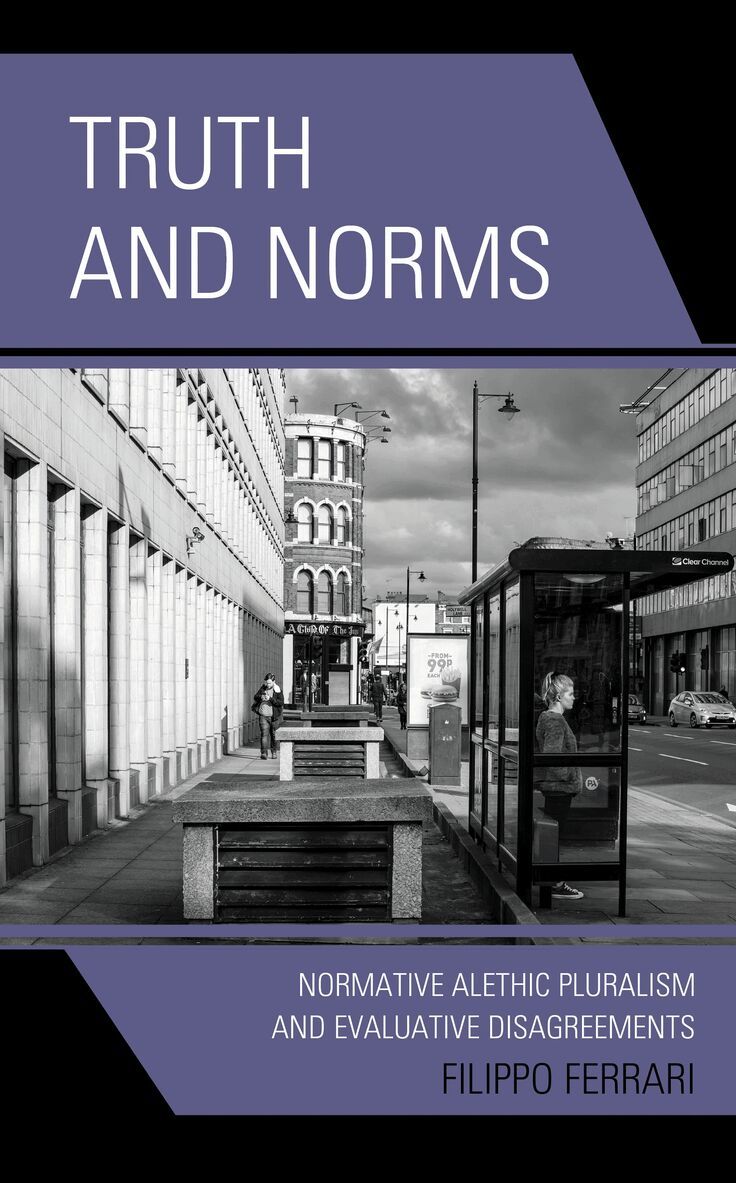
Truth and Norms: Normative Alethic Pluralism and Evaluative Disagreements engages three philosophical topics and the relationships among them. Filippo Ferrari first contributes to the debate on the nature and normative significance of disagreement, especially in relation to evaluative judgements such as judgements about basic taste, refined aesthetics, and moral matters. Second, he addresses the issue of epistemic normativity, focusing in particular on the normative function(s) that truth exerts on judgements. Third, he contributes to the debate on truth—more specifically, which account of the nature of truth best accommodates the norms relating judgements and truth. This book develops and defends a novel pluralistic picture of the normativity of truth: normative alethic pluralism (NAP). At the core of NAP is the idea that truth exerts different normative functions in relation to different areas of inquiry. Ferrari argues that this picture of the normativity of truth offers the best explanation of the variable normative significance that disagreement exhibits in relation to different subject matters—from a rather shallow normative impact in the case of disagreement about taste, to a normatively more substantive significance in relation to moral judgements. Last, Ferrari defends the view that NAP does not require a commitment to truth pluralism, since it is fully compatible with a somewhat refined version of minimalism about truth.