Giorgio Volpe – författare
Visar alla böcker från författaren Giorgio Volpe. Handla med fri frakt och snabb leverans.
11 produkter
Italian Elitism and the Reshaping of Democracy in the United States
Häftad, 2022
731 kr
Lägg i varukorg
This book deals with the reception of Italian elitism in the United States, identifying its key protagonists, phases, and themes. It starts from the reconstruction of the scientific and political debates aroused in the United States by the works of Mosca, Pareto, and Michels, and moves on to define …
Italian Elitism and the Reshaping of Democracy in the United States
Inbunden, 2021
2601 kr
Lägg i varukorg
This book deals with the reception of Italian elitism in the United States, identifying its key protagonists, phases, and themes. It starts from the reconstruction of the scientific and political debates aroused in the United States by the works of Mosca, Pareto, and Michels, and moves on to define …
Italian Elitism and the Reshaping of Democracy in the United States
E-bok, 2021
856 kr
Lägg i varukorg
This book deals with the reception of Italian elitism in the United States, identifying its key protagonists, phases, and themes. It starts from the reconstruction of the scientific and political debates aroused in the United States by the works of Mosca, Pareto, and Michels, and moves on to define …
Italian Elitism and the Reshaping of Democracy in the United States
E-bok, 2021
831 kr
Lägg i varukorg
This book deals with the reception of Italian elitism in the United States, identifying its key protagonists, phases, and themes. It starts from the reconstruction of the scientific and political debates aroused in the United States by the works of Mosca, Pareto, and Michels, and moves on to define …
Perspectives on Post-Truth
Av Filippo Ferrari, Anna Lorusso m. fl.
Inbunden, 2024
2526 kr
Lägg i varukorg
This volume tackles an array of complex and interrelated phenomena which are usually referred to as the post-truth condition – from confirmation bias to science denialism, misinformation, and the rise of polarized ‘epistemic tribes’ on social media. Based on a multi-disciplinary approach, the book …
Perspectives on Post-Truth
Av Filippo Ferrari, Anna Lorusso m. fl.
Häftad, 2025
710 kr
Lägg i varukorg
This volume tackles an array of complex and interrelated phenomena which are usually referred to as the post-truth condition – from confirmation bias to science denialism, misinformation, and the rise of polarized ‘epistemic tribes’ on social media. Based on a multi-disciplinary approach, the book …
Perspectives on Post-Truth
Av Giorgio Volpe, Sebastiano Moruzzi m. fl.
E-bok, 2024
813 kr
Lägg i varukorg
This volume tackles an array of complex and interrelated phenomena which are usually referred to as the post-truth condition – from confirmation bias to science denialism, misinformation, and the rise of polarized ‘epistemic tribes’ on social media. Based on a multi-disciplinary approach, the book …
Perspectives on Post-Truth
Av Giorgio Volpe, Sebastiano Moruzzi m. fl.
E-bok, 2024
813 kr
Lägg i varukorg
This volume tackles an array of complex and interrelated phenomena which are usually referred to as the post-truth condition – from confirmation bias to science denialism, misinformation, and the rise of polarized ‘epistemic tribes’ on social media. Based on a multi-disciplinary approach, the book …
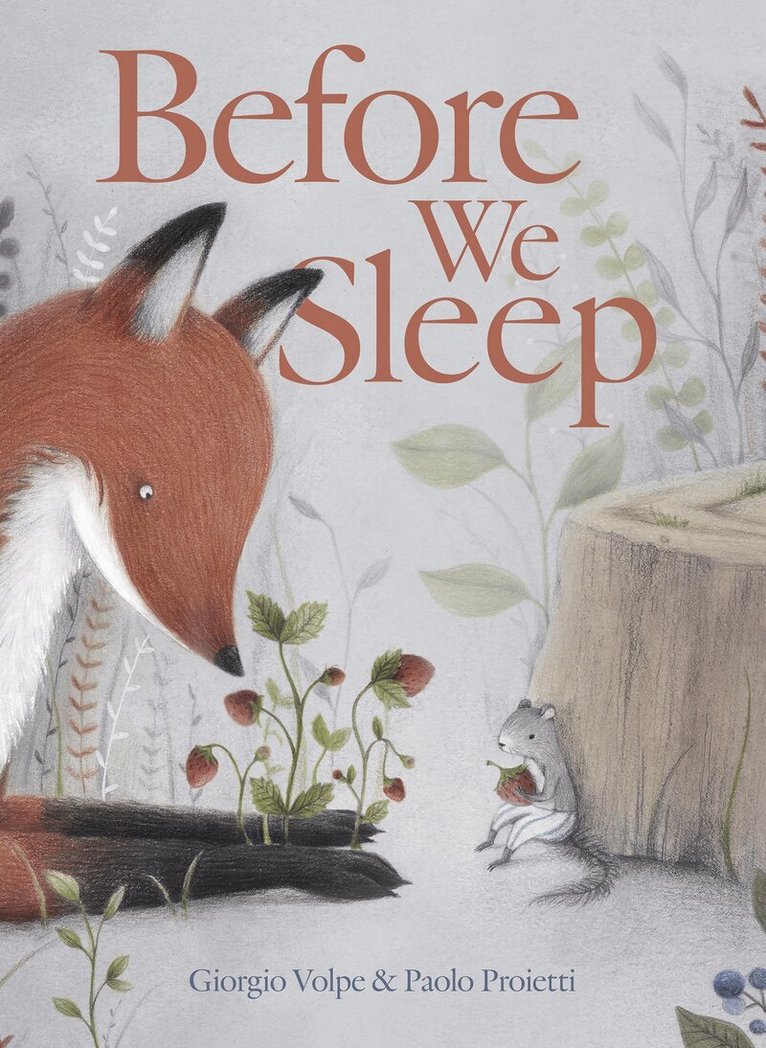
Before We Sleep
Inbunden, 2021
161 kr
Lägg i varukorg
★ "Visual beauty plus the beauty of closeness in sad times. Cuddle close for this one." Starred Review, Kirkus ReviewsA red fox and a gray dormouse joyfully play in their forest home as the season begins to change from fall to winter. Soon, the dormouse must hibernate, and the friends will part. As …
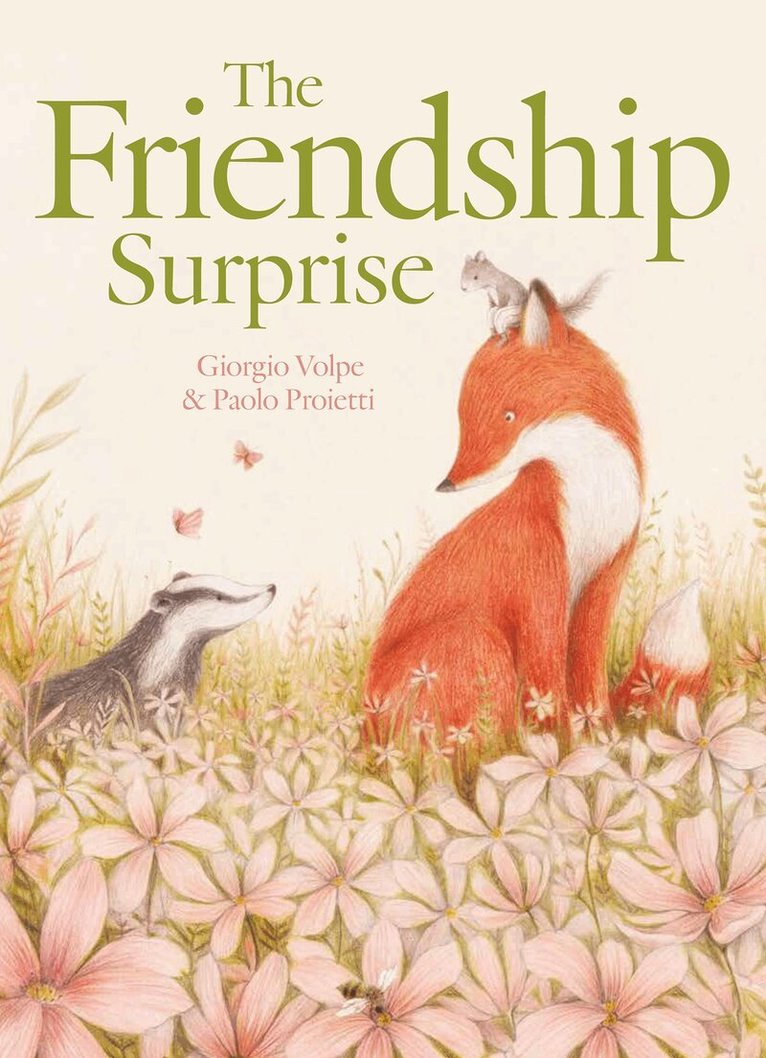
Friendship Surprise
Inbunden, 2022
140 kr
Lägg i varukorg
It is spring and Little Red fox is excited to be reunited with his best friend, Hazel, a dormouse who will shortly wake from a long sleep. But over the winter, the fox has made another friend, Brock the badger. Little Red decides revealing the new friendship is not the surprise Hazel will want to …