Pivotal Moments in World History – Serie
Visar alla böcker i serien Pivotal Moments in World History. Handla med fri frakt och snabb leverans.
4 produkter
4 produkter
246 kr
Skickas inom 5-8 vardagar
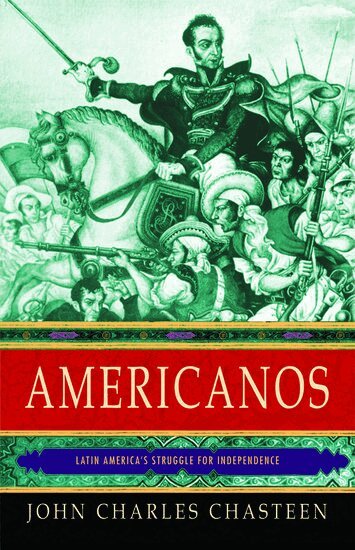
A premier volume in Oxford's Pivotal Moments in World History series, Americanos offers an engagingly written, compact history of the Latin American wars of independence. Proceeding almost cinematically, scene by vivid scene, John Charles Chasteen introduces the reader to lead players, basic concepts, key events, and dominant trends, braided together in a single, taut narrative. He vividly depicts the individuals and events of those tumultuous years, capturing the gathering forces for independence, the clashes of troops and decisions of leaders, and the rich, elaborate tapestry of Latin American societies as they embraced nationhood.
168 kr
Skickas inom 3-6 vardagar
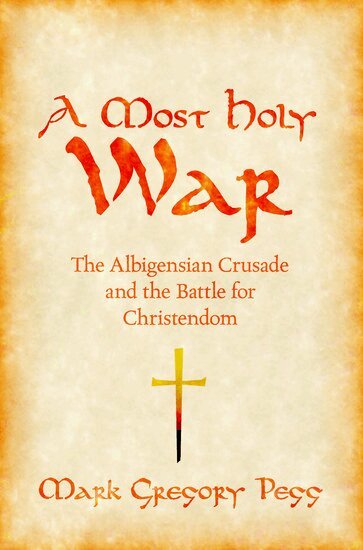
The Albigensian Crusade, the first in which Christians were promised salvation for killing other Christians, lasted twenty bloody years--a long savage war for the soul of Christendom. In A Most Holy War, historian Mark Pegg has produced a swift-moving, gripping narrative of this horrific crusade. Pegg draws in part on thousands of testimonies collected by inquisitors in the years 1235 to 1245, accounts of ordinary men and women remembering what it was like to live through such brutal times. In responding to heresy with a holy genocidal war, Innocent III fundamentally changed how Western civilization dealt with individuals accused of corrupting society. This change, Pegg argues, led directly to the creation of the inquisition, the rise of an anti-Semitism, and even the holy violence of the Reconquista in Spain. "A bold, erudite, engaging, and superbly written study of what has long been one of the most central topics in medieval and Mediterranean history." --Teofilo F. Ruiz, Professor of History, UCLA
276 kr
Skickas inom 5-8 vardagar
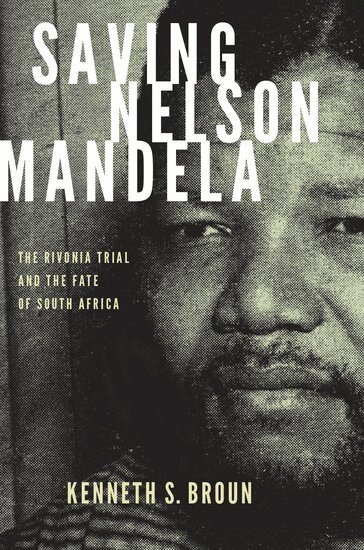
The question was: would he hang? In 1963, when South Africa's apartheid government charged Nelson Mandela with planning its overthrow, most observers feared that he would be sentenced to death. But the support he and his fellow activists in the African National Congress received during his trial not only saved his life, but also enabled him to save his country. In Saving Nelson Mandela, South African law expert Kenneth S. Broun recreates the trial--called the "Rivonia" Trial after the Johannesburg suburb where police seized Mandela. Based upon interviews with many of the case's primary figures and portions of the trial transcript, Broun situates readers inside the courtroom at the imposing Palace of Justice in Pretoria. Here, the trial unfolds through a dramatic narrative that captures the courage of the accused and their defense team, as well as the personal prejudices that colored the entire trial. The Rivonia trial had no jury and only a superficial aura of due process, combined with heavy security that symbolized the apartheid government's system of repression. Broun shows how outstanding advocacy, combined with widespread public support, in fact backfired on apartheid leaders, who sealed their own fate. Despite his 27-year incarceration, Mandela's ultimate release helped move his country from the racial tyranny of apartheid toward democracy. As documented in this inspirational book, the Rivonia trial was a critical milestone that helped chart the end of Apartheid and the future of a new South Africa.
286 kr
Skickas inom 5-8 vardagar
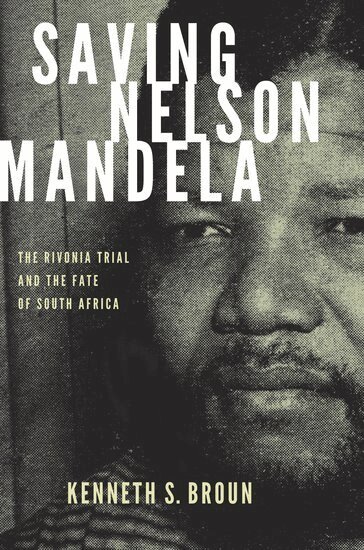
When South Africa's apartheid government charged Nelson Mandela with planning its overthrow in 1963, most observers feared that he would be sentenced to death. But the support he and his fellow activists in the African National Congress received during his trial not only saved his life, but also enabled him to save his country. In Saving Nelson Mandela, South African law expert Kenneth S. Broun recreates the trial--called the "Rivonia" Trial after the Johannesburg suburb where police seized Mandela. Based upon interviews with many of the case's primary figures and portions of the trial transcript, Broun situates readers inside the courtroom at the imposing Palace of Justice in Pretoria. Here, the trial unfolds through a dramatic narrative that captures the courage of the accused and their defense team, as well as the personal prejudices that colored the entire trial. The Rivonia trial had no jury and only a superficial aura of due process, combined with heavy security that symbolized the apartheid government's system of repression. Broun shows how outstanding advocacy, combined with widespread public support, in fact backfired on apartheid leaders, who sealed their own fate. Despite his 27-year incarceration, Mandela's ultimate release helped move his country from the racial tyranny of apartheid toward democracy. As documented in this inspirational book, the Rivonia trial was a critical milestone that helped chart the end of Apartheid and the future of a new South Africa.