Space, Place and Society - Böcker
Visar alla böcker i serien Space, Place and Society. Handla med fri frakt och snabb leverans.
13 produkter
13 produkter
267 kr
Skickas inom 10-15 vardagar
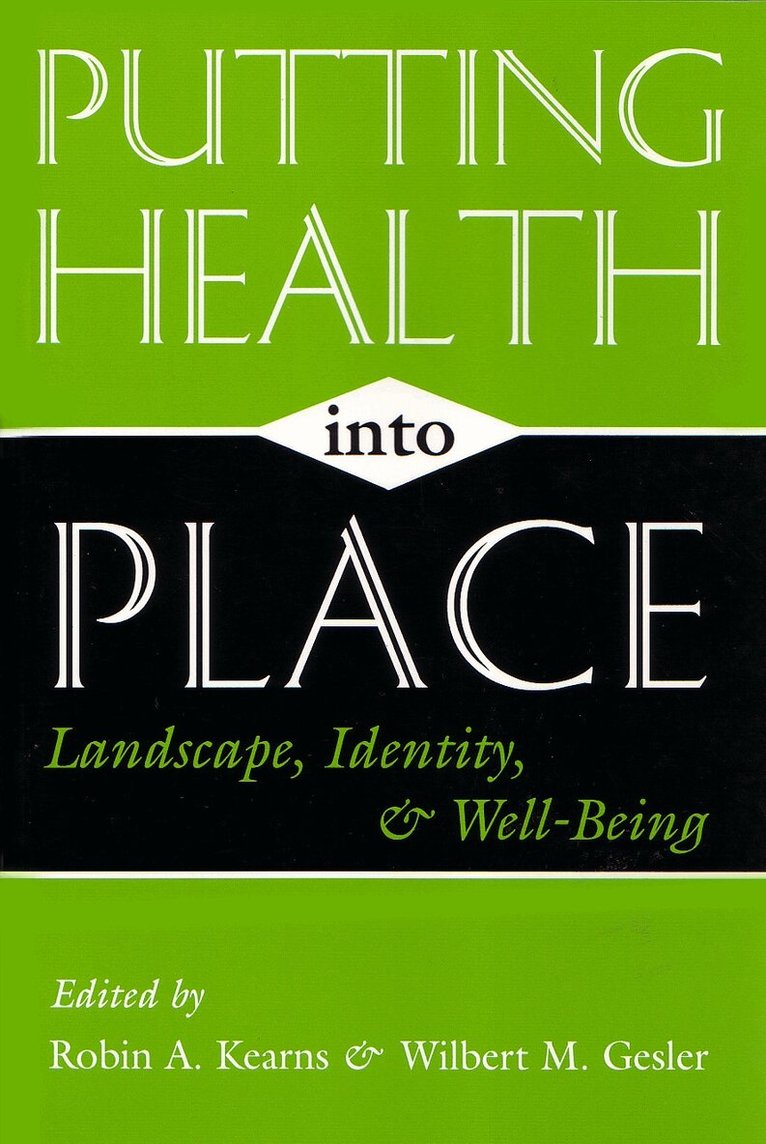
Putting Health into Place draws together original works that collectively argue for a reinvention of medical geography. There is a growing interest worldwide in relationships between human health and the experience of place, an interest driven both by developments in sociocultural theory and observed health concerns. Thisbook is a resource for those wishing to explore or to teach beyond the frontiers of conventional medical geography.As the first word of the book's title suggests, this is an active volume, one that contributes to situating health in the simultaneously tangible, negotiated, and experienced realities of place. Robin A. Kearns and WilbertM. Gesler argue that medical issues are a necessary but insufficient focus in developing geographies of health and healing. This contention is supported by the authors of the thirteen substantive chapters who convey research findings from the Americas, Britain, and the Pacific.This book represents a collective commitment to exploring links between social and cultural theory, ideas about place, and discourses on health that will be of interest to readers across the social and health sciences.
203 kr
Skickas inom 7-10 vardagar
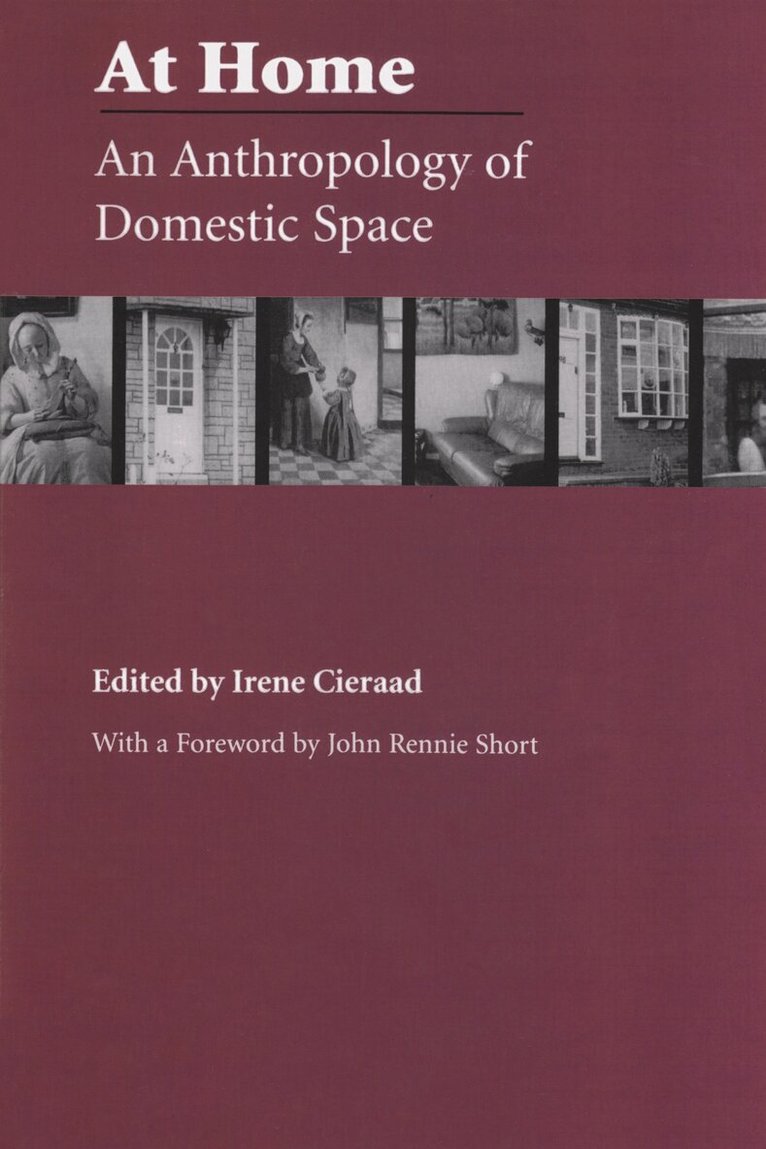
In a volume that brings together a wide range of disciplines - art history, sociology, architecture, cultural anthropology, and environmental psychology - Irene Cieraad presents a collection of articles that focuses on the practices and symbolism of domestic space in Western society. These essays go beyond the discussion of conventional issues such as aesthetics and social standing. At Home takes an in-depth anthropological look at how different cultures use their homes as a visual model of the culture's social structure.
209 kr
Skickas inom 7-10 vardagar
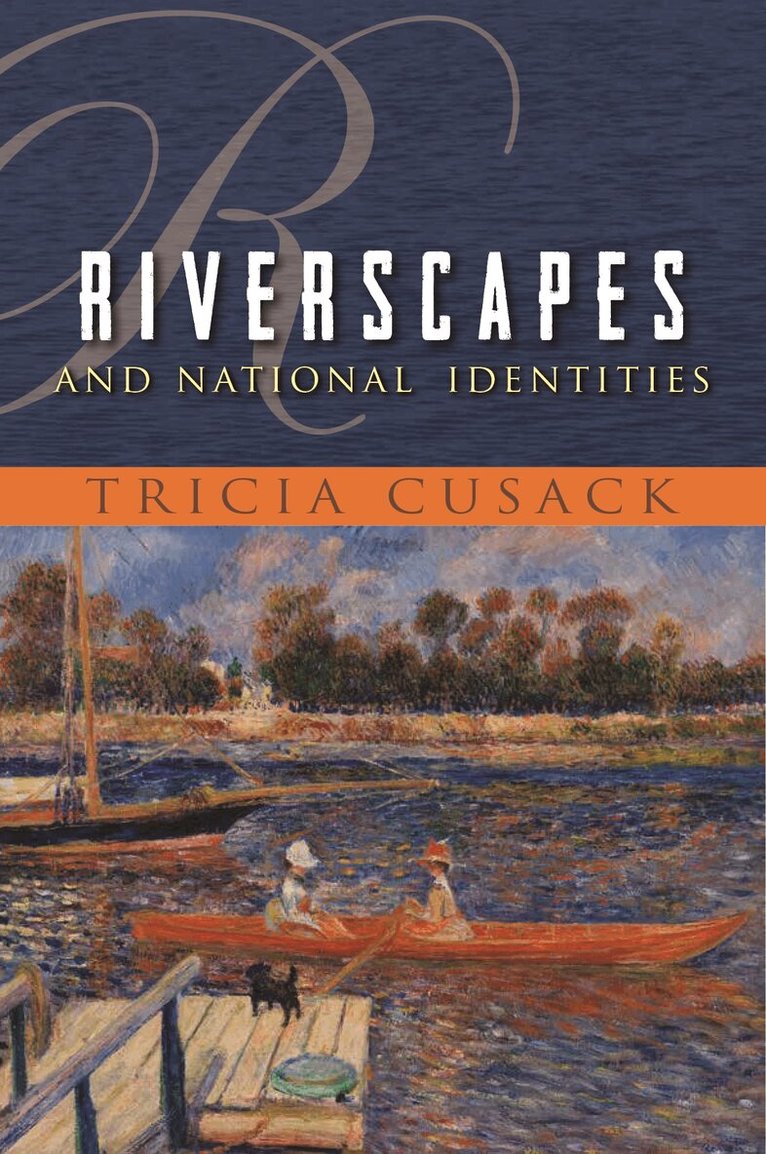
Painted riverscapes such as Claude Monet’s impressions of the Seine, Isaak Levitan’s Volga views, or Thomas Cole’s Hudson scenery became iconic not least because they embodied nationalist ideas about place and about culture. At a time when nationalism was taking root across Europe and the United States, the riverscape played an important role in transforming the abstract idea of the nation into a potent visual image. It not only offered a picture of the nation’s physical character, but through aspects such as style, the figures portrayed, and the nature of the implied spectator, it presented a cultural ideal.In this highly original book, Tricia Cusak explores significance of painted riverscapes to the creation of national identities in nineteenth and early twentieth century Europe and America. Focusing on five rivers, the Hudson, the Volga, the Seine, the Thames, and the Shannon, the author outlines the history of the development of national landscapes, elaborating on the distinctive nature of riverscapes. Drawing on the symbolic potential of rivers to represent life and time, the riverscape provided a metaphor for the mythic stream of national history flowing unimpeded out of the past and into the future.
203 kr
Skickas inom 7-10 vardagar
This volume explores the relationship between society and the physical world through representation - the artistic re-creation of the physical world - which reflects interpretation.
212 kr
Skickas inom 10-15 vardagar
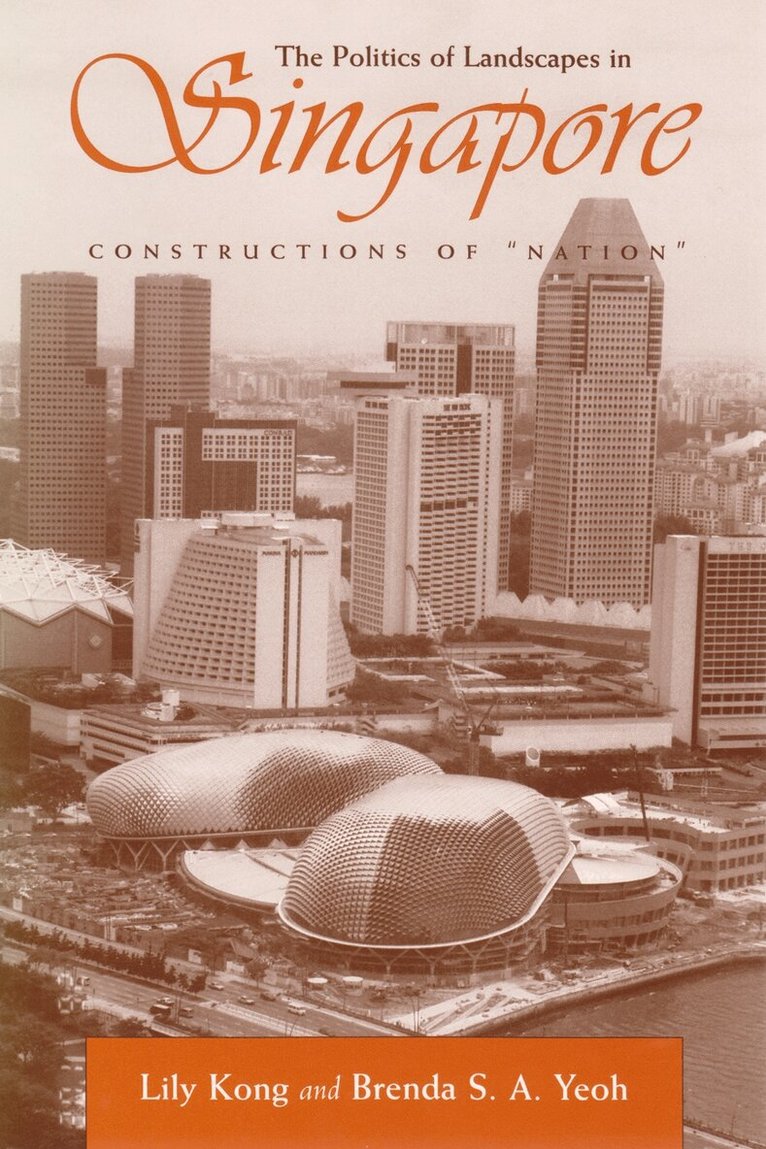
This book shows how power relations that define and challenge the concept of ""nation"" are played out in and through landscapes. Has the era of globalization neutralized the institution of ""nation?"" This thought-provoking book focuses on attempts to build ""nation"" through landscape. Specifically, it explores strategies employed by Singapore, a multiracial society, to create a Singapore ""nation"" with an emphasis on the role of landscapes. As such, the authors cast a keen eye on religious buildings, public housing, heritage landscapes, and street name changes as tangible methods of nation-building in a postcolonial society. The authors point out that notions of ""identity"" and ""nation"" are social constructs rooted in history. They then illustrate how ""nation"" and ""national identity"" are concepts that are negotiated and disputed by varied social, economic, and political groups - some of which may actively resist powerful state-centrist attitudes. Throughout this work, the role of the landscape prevails both as a way to naturalize state ideologies and as a means of providing possibilities for reinterpretation in everyday life. Insightful and informative, this is a crucial reference for geographers as well as scholars of international political economy, postcolonial and cultural studies, and Asian history.
277 kr
Skickas inom 7-10 vardagar
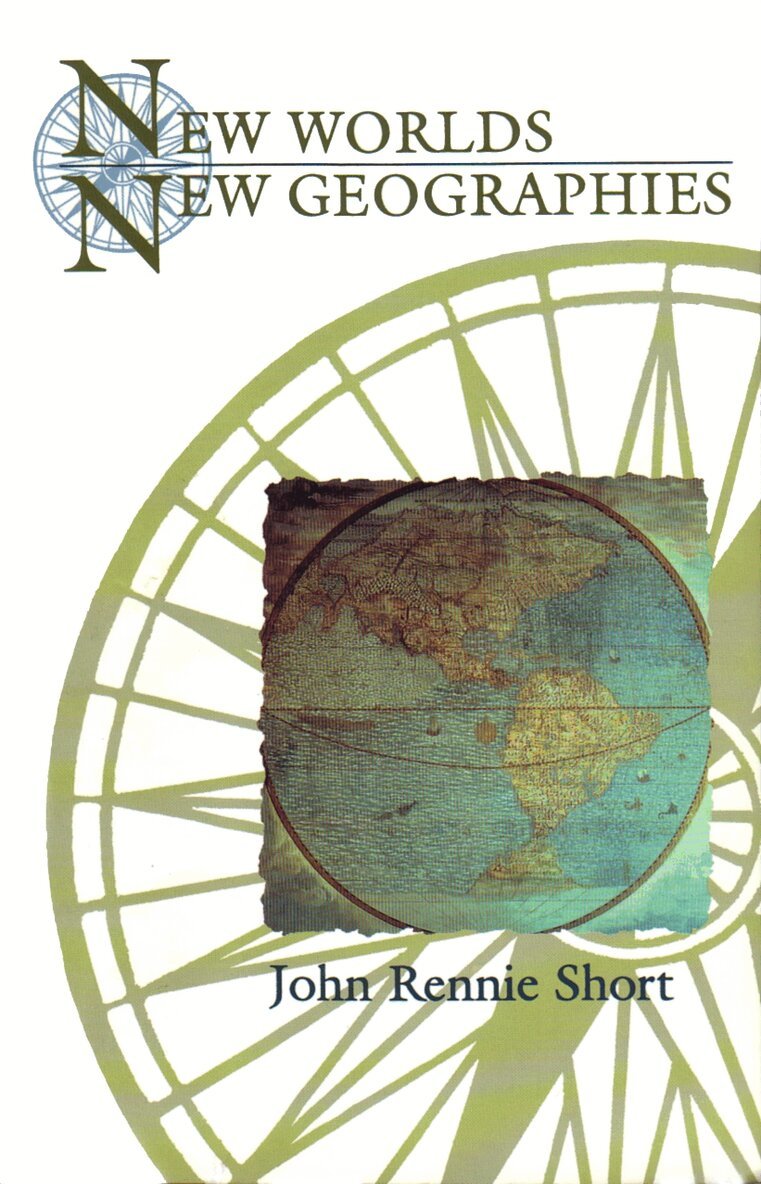
In his latest work, John Rennie Short reveals how the spatial discourses of the sixteenth century formed a remarkable revolution that changed the way the world was represented. The cosmos was bound in a sphere; the world was gridded and plotted, the globe navigated, and the land surveyed. Spatial practices were codified, a spatial sensitivity was created and a cartographic literacy was established in the increasing use of maps and the creation of a cartographic language for new mappings of the world, state, and city. Short establishes that such spatial revisioning is connected to the promotion of commercial and national interests. Developments in navigation, for example, were often encouraged and promoted both by the state and by merchant companies. Surveying was closely connected to the rising cost of land and to the increasing commodification of agriculture. The continuous price rise of land in the sixteenth century was an important factor in the rise of spatial practices of mapping and surveying. In addition, he highlights the role of the occult practices in the new spatial sciences. Astrology and alchemy were as important as astronomy and geometry.
273 kr
Skickas inom 10-15 vardagar
This book explores the societal construction of "black-on-black" - referring to the 1980s when violence among African American perpetrators and victims increased. Massive job losses, debased identities, and rampant physical decay made American blacks seem ripe for explosive behavior. Many people blamed black lifestyle, values, and culture. David Wilson shows how America imbued a process of violence with race and accepted it as one of the country's most vexing ills during the Reagan era and afterward. Based on statistics, ethnographies, anecdotal accounts, and national reportage the findings are hard to dispute. Wilson tells of prominent conservative and liberal writers, reporters and politicians who collectively nurtured this issue, then parlayed it into ""truth"" in the public mind. Mixing memoirs, critical geographical studies, and race theory, the book shows how vulnerable groups of society can become pawns in an acute process of racial demonization. And how, in America, this allowed blacks to be marginalized.
335 kr
Skickas inom 10-15 vardagar
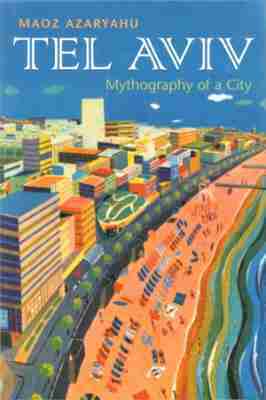
Founded in 1909 as a ""garden suburb"" of the Mediterranean port of Jaffa, Tel Aviv soon became a model of Jewish self-rule and was celebrated as a jewel in the crown of Hebrew revival. Over time the city has transformed into a lively metropolis, renowned for its architecture and culture, openness and vitality. A young city about to celebrate its 100th anniversery, the mythic Tel Aviv continues to represent a fundamental idea that transcends the physical texture of the city and the everyday experiences of its residents. Combining historical approach and cultural analysis, Maoz Azaryahu explores the different myths that have been part of the vernacular and perception of the city. He relates Tel Aviv's mythology to its physicality through buildings, streets, personal experiences, and municipal policies. With critical insight, he evaluates specific myths and their propagation in the spheres of both official and popular culture. Azaryahu explores three distinct stages in the history of the mythic Tel Aviv: ""The First Hebrew City"" assesses Tel Aviv as Zionist vision and seed of the actual city; ""Non-Stop City"" depicts trendy, global post-Zionist Tel Aviv; and ""The White City"" describes Tel Aviv's architectural landscape, created in the 1930s and imbued with nostalgia and local prestige. ""Tel Aviv: Mythography of a City"" will appeal to urban geographers, cultural historians, scholars of myth, and students of Israeli society and culture.
256 kr
Skickas inom 7-10 vardagar
Immigration today touches the lives and economies of more people and places than ever before. Yet the places that are disproportionately affected by immigrant flows are not countries but cities. This remarkable collection examines contemporary global immigration trends and their profound effect on specific host cities. The book focuses not only on cities with long-established diverse populations, such as New York, Toronto, and Sydney, but also on lesser known established gateway cities such as Birmingham (UK) and Amsterdam, and the emerging gateways of Johannesburg, Washington, D.C., Singapore, and Dublin.The essays gathered here provide a global portrait of accelerating, worldwide immigration driven by income differentials, social networks, and various state policies that recruit skilled and unskilled laborers. Gateway cities vary in form and function, but many are hyper diverse, globally linked through transnational networks, and often increasingly segregated spaces. Offering penetrating analyses by leading scholars in the field, ""Migrants to the Metropolis"" redirects the global narrative surrounding migration away from states and borders and toward cities, where the vast majority of economic migrants settle.
331 kr
Skickas inom 7-10 vardagar
Painted riverscapes such as Claude Monet's impressions of the Seine, Isaak Levitan's Volga views, and Thomas Cole's Hudson scenery became iconic not least because they embodied nationalist ideas about place and about culture. At a time when nationalism was taking root across Europe and the United States, the riverscape played an important role in transforming the abstract idea of the nation into a potent visual image. It not only offered a picture of a nation's physical character, but also, through aspects such as style, the figures portrayed, and the nature of the implied spectator, it presented a cultural ideal. In this highly original book, Tricia Cusack explores the significance of painted riverscapes for the creation of national identities in nineteenth- and early twentieth-century Europe and America. Focusing on five rivers - the Hudson, the Volga, the Seine, the Thames, and the Shannon - the author shows how just as ancient river mythologies served the ends of powerful religious and political groups, modern riverscapes incorporated dominant, often religious conceptions of the nation. Drawing on the symbolic potential of rivers to represent life and time, the riverscape provided a metaphor for the mythic stream of national history flowing unimpeded out of the past and into the future.
390 kr
Skickas inom 10-15 vardagar
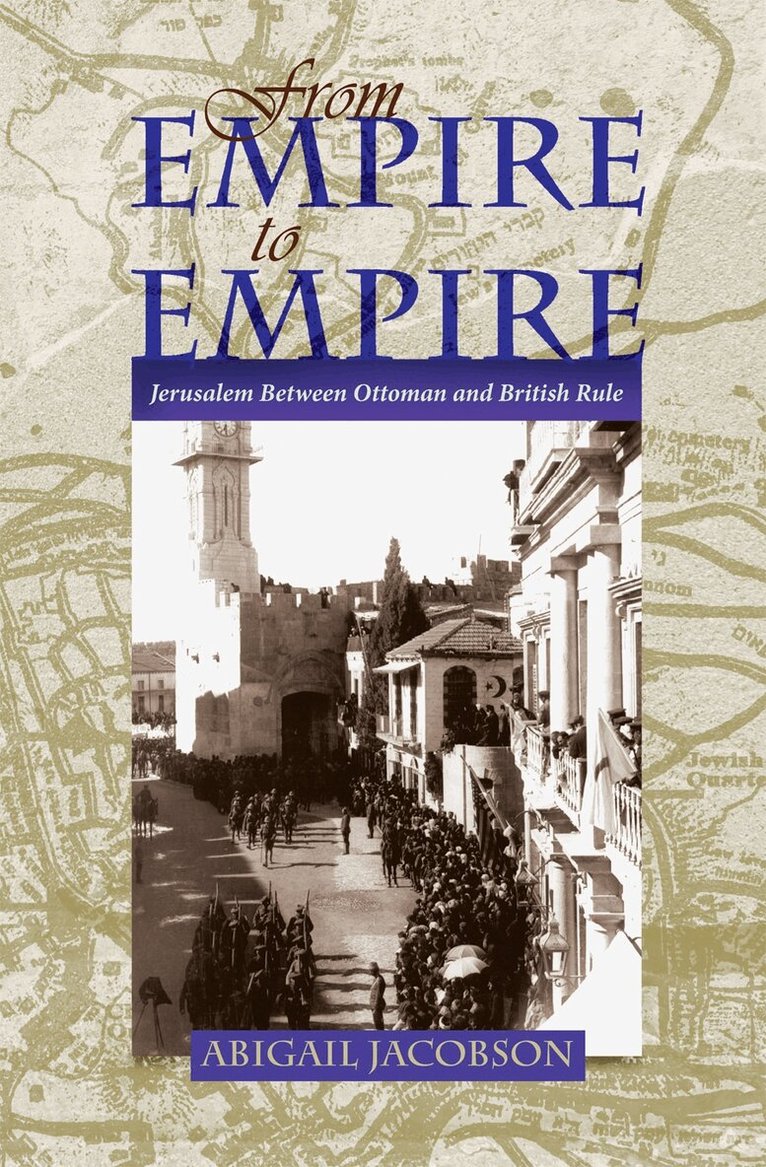
The history of Jerusalem as traditionally depicted is the quintessential history of conflict and strife, of ethnic tension, and of incompatible national narratives and visions. It is also a history of dramatic changes and moments, one of the most radical ones being the replacement of the Ottoman regime with British rule in December 1917. From Empire to Empire challenges these two major dichotomies, ethnic and temporal, which shaped the history of Jerusalem and its inhabitants. It links the experiences of two ethnic communities living in Palestine, Jews and Arabs, as well as bridging two historical periods, the Ottoman and British administrations. Drawing upon a variety of sources, Jacobson demonstrates how political and social alliances are dynamic, context-dependent, and purpose-driven. She also highlights the critical role of foreign intervention, governmental and nongovernmental, in forming local political alliances and in shaping the political reality of Palestine during the crisis of World War I and the transition between regimes. From Empire to Empire offers a vital new perspective on the way World War I has been traditionally studied in the Palestinian context. It also examines the effects of war on the socioeconomic sphere of a mixed city in crisis and looks into the ways the war, as well as Ottoman policies and administrators, affected the ways people perceived the Ottoman Empire and their location within it. From Empire to Empire illuminates the complex and delicate relations between ethnic and national groups and offers a different lens through which the history of Jerusalem can be seen: it proposes not only a story of conflict but also of intercommunal contacts and cooperation.
426 kr
Skickas inom 7-10 vardagar
It is widely understood that the burdens of ecological destruction are borne disproportionately by working-class and poor communities, both through illness and disease caused by pollutants and through the depletion of natural resources from which they make a living. Yet, consistently, the voices of the working class are the most marginalized, excluded, and silenced when discussing how to address ecological concerns and protect the environment from future destruction. Both mainstream environmental groups, such as the Sierra Club and Greenpeace, and radical environmentalists, such as EarthFirst!, are reluctant to engage with working-class and poor communities, often viewing blue-collar workers as responsible for the destruction these groups are trying to prevent. In Green Syndicalism, Shantz issues a call to action to the environmental movement and labor activists, particularly rank and file workers, to join forces in a common struggle to protect the environment from capitalism, corporate greed, and the extraction of resources. He argues for a major transformation to address the ""jobs versus the environment"" rhetoric that divides these two groups along lines of race and class. Combining practical initiatives and theoretical perspectives, Shantz offers an approach that brings together radical ecology and revolutionary unionism in a promising vision of green politics. Green syndicalists work as coalitions to increase community-based economics and productive decision making that encourages the participation of all stakeholders in the process. Drawing, in part, on his own experiences growing up in a working-class family and organizing within radical ecology and labor movements, Shantz charts a path that accesses the commonalities between these groups in an effort to take on the forces that destroy the environment, exploit people, and harm their communities.
263 kr
Skickas inom 7-10 vardagar
Founded in 1909 as a "garden suburb" of the Mediterranean port of Jaffa, Tel Aviv soon became a model of Jewish self-rule and was celebrated as a jewel in the crown of Hebrew revival. Over time the city has transformed into a lively metropolis, renowned for its architecture and culture, openness and vitality. A young city, Tel Aviv continues to represent a fundamental idea that transcends the physical texture of the city and the everyday experiences of its residents. Combining historical research and cultural analysis, Maoz Azaryahu explores the different myths that have been part of the vernacular and perception of the city. He relates Tel Aviv's mythology to its physicality through buildings, streets, personal experiences, and municipal policies. With critical insight, he evaluates specific myths and their propagation in the spheres of both official and popular culture. Azaryahu explores three distinct stages in the history of the mythic Tel Aviv: "The First Hebrew City" assesses Tel Aviv as Zionist vision and seed of the actual city; "Non-Stop City" depicts trendy, global post-Zionist Tel Aviv; and "The White City" describes Tel Aviv's architectural landscape, created in the 1930s and imbued with nostalgia and local prestige. Tel Aviv: Mythography of a City will appeal to urban geographers, cultural historians, scholars of myth, and students of Israeli society and culture.