Pocket Manual - Böcker
Visar alla böcker i serien Pocket Manual. Handla med fri frakt och snabb leverans.
10 produkter
10 produkter
108 kr
Tillfälligt slut
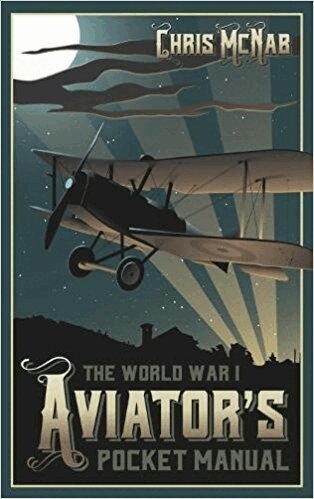
Aviation was still in its infancy when World War I broke out. The first men to take to the skies above the battlefield undertook reconnaissance. Pilots and observers soon branched out into primitive bombing attempts, and attacking enemy aircraft when they came into contact. Nascent air forces produced manuals to help these pioneers as they took warfare into a new dimension.Pulling together information from British manuals such as A Few Hints for the Flying Officer and Practical Flying, as well as American, German and French training guides, this pocket manual shows what type of information the pilots were given. From the basics of how to care for, start, and fly an aircraft, through tactics and strategy in the air, identifying whether vehicles below were friend or foe, interacting with mechanics, and coordinating with army or naval forces, this fascinating time capsule opens up the world of the Great War aviator. With introductions to the manuals by Chris McNab, setting them in context and providing background.
108 kr
Tillfälligt slut
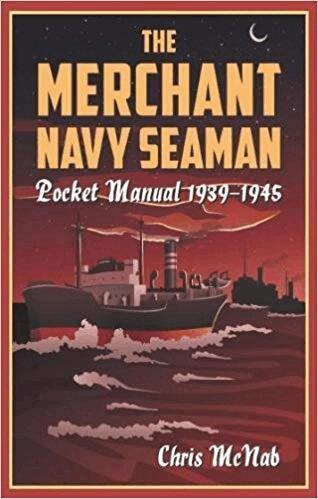
"He is usually dressed rather like a tramp. His sweater is worn, his trousers frayed, while what was once a cap is perched askew on his tanned face. He wears no gold braid or gold buttons: neither does he jump to the salute briskly. Nobody goes out of his way to call him a 'hero', or pin medals on his breast. No - he is just a seaman of the British Merchant Service. Yet his serves in our Front Line today." Montague Smith, writing in The Daily Mail, November 1939. The Allied Merchant Navies in World War II provided a vital but often forgotten service to their countries' war effort. At the outbreak of war, the British Merchant Navy was the largest in the world, and up to 185,000 men and women served during the course of the war, some as young as 14. The US Merchant Marine all told numbered over 200,000. The risks they faced to maintain the essential flow of armaments, equipment and food were considerable. Danger came from submarines, mines, armed raiders and destroyers, aircraft, kamikaze pilots and the weather itself. Life on board a merchant ship could be tense, with hour after hour spent battling high seas, never knowing if a torpedo was about to hit. In the Arctic convoys sailors had to cope with extreme cold and ice. But there was also comradeship and more open society than was the norm at the time, free of distinctions of class, race, religion, age or colour and a mixture of nationalities, especially in the British fleet. The Merchant Navy Seaman Pocket Manual provides a fascinating glimpse into the world of these intrepid seamen, many of whom did not return. Collating documents, diagrams and illustrations from British and American archives, it combines information on training, gunnery, convoys, anti-submarine techniques with personal accounts. Covering the battle of the Atlantic, the Arctic Convoys, and the Pacific, this pitches the reader into the heart of this vital but often forgotten arena of WWII.
108 kr
Tillfälligt slut
How would you clear a stoppage on a Bren Gun while in action? What is the most effective way to clear a wood of enemy forces? How best could you counter a landing by enemy airborne forces in your area? What measure can you take to help ensure accurate rifle fire at night? What qualities should you look for when selecting a patrol commander? Just a few of the practical questions posed – and answered – in the selection of publications included in The Home Guard Training Pocket Manual. A number of manuals and training pamphlets were privately published during World War II to supplement the slim official Home Guard manual produced by the War Office. Covering everything from patrolling, night fighting, drill and small arms proficiency to the legal powers of the Home Guard, these manuals were welcomed by the men of local Home Guard units keen to do everything possible to prepare for possible invasion – when they would be the first line of defence. This pocket manual collates a selection of material from these fascinating publications, often written by serving soldiers and reprinted multiple times due to demand.
119 kr
Skickas
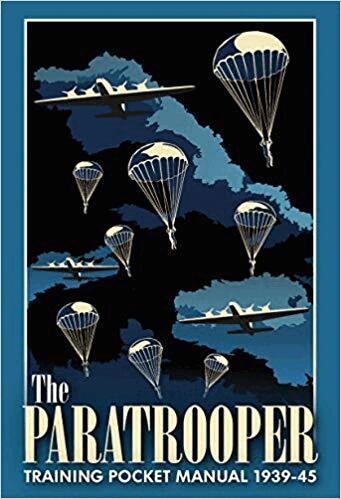
Airborne assault was one of the great innovations of the 1930s and 1940s, adding a new ‘vertical’ dimension to infantry warfare. By the onset of World War II in 1939, Germany, Italy, and Russia were already advanced in their development of paratrooper units. Germany in particular demonstrated the tactical shock of paratroopers in Western Europe in 1940 and, most spectacularly, in Crete in 1941, galvanizing the UK and the United States to expand and train their own airborne forces, which they unleashed in 1943–45. The Allied paratrooper drops on D-Day (6 June 1944) and those of Operation Market Garden (17–25 September 1944) were the stuff of legend, huge in scale and ambition, but both Allied and Axis paratroopers were deployed in numerous other actions, including special forces raids. It quickly became apparent that the physical and tactical demands placed upon paratroopers required men of exceptional stamina, courage and intelligence. To create these soldiers, levels of training were unusually punishing and protracted, and those who came through to take their ‘wings’ were a true elite. The Paratrooper Training Pocket Manual provides an unusually detailed insight into what it took to make a military paratrooper, and how he was then utilized in actions where expected survival might be measured in a matter of days. Using material from British, US, German archives and other primary sources, many never before published, the book explains paratrooper theory, training and practice in detail. The content includes details of the physical training, instruction in static-line parachute deployment, handling the various types of parachutes and harnesses, landing on dangerous terrain, small-arms handling, airborne deployment of heavier combat equipment, landing in hostile drop zones, tactics in the first minutes of landing, radio comms, and much more. Featuring original manual diagrams and illustrations, plus new introductory text explaining the history and context of airborne warfare, The Paratrooper Training Pocket Manual provides a detailed insight into the principles and practice of this unique type of combat soldier.
119 kr
Skickas
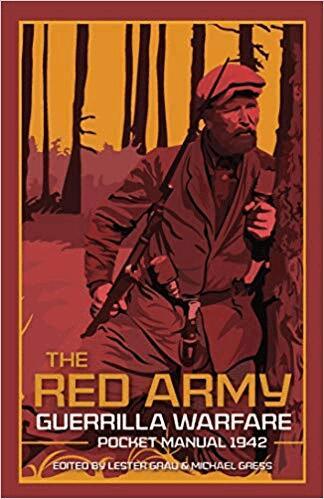
The Partisan's Companion was produced by the Red Army to train partisans to fight the Nazi invader. Its usefulness outlived World War II, as it was later used to train Third World guerrillas in their wars of national liberation during the 1950s–70s, and even the Fedayeen guerrillas who fought US and coalition forces in Iraq. By the end of 1942, it was obvious that Germany was losing the war. The partisan ranks grew as did the training requirements for partisan commanders. The 1942 edition of The Partisan's Companion helped quickly train new guerrillas to a common standard. Besides field craft, it covers partisan tactics, German counter-guerrilla tactics, demolitions, German and Soviet weapons, scouting, camouflage, anti-tank warfare and anti-aircraft defense for squad and platoon-level instruction. It contains the Soviet lessons of two bitter years of war and provides a good look at the tactics and training of a mature partisan force. The partisans moved and lived clandestinely, harassed the enemy, and supported the Red Army through reconnaissance and attacks on German supply lines. They clearly frustrated German logistics and forced the Germans to periodically sideline divisions for rear-area security. The partisans and their handbook were clearly part of the eventual Soviet victory over Germany. This pocket manual puts The Partisan's Companion in context, explaining its importance.
141 kr
Skickas
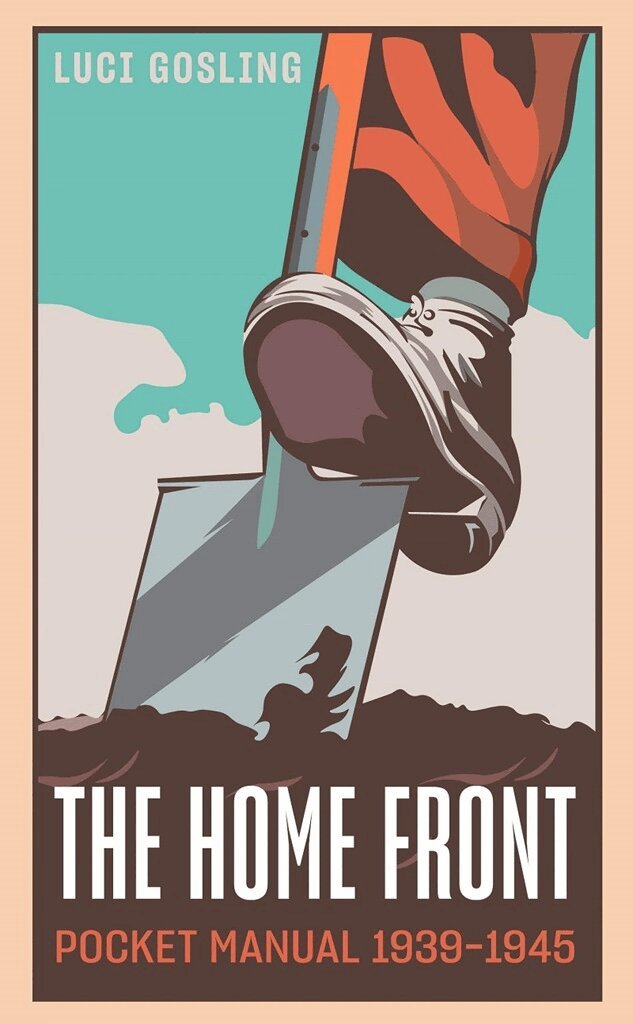
Compiled from the archives of the Mary Evans archives, this manual brings together articles from fashionable contemporary magazines including Britannia & Eve, the Illustrated Sporting and Dramatic News and Tatler, on all aspects of the home front in WWII. These fascinating articles cover complying with black-out regulations; what to do with the family car; augmenting rationed foods and turning them into tasty meals; contributing to the war effort by keeping livestock, salvaging valuable materials and growing food; all the while remaining fashionable and keeping up appearances.
141 kr
Skickas
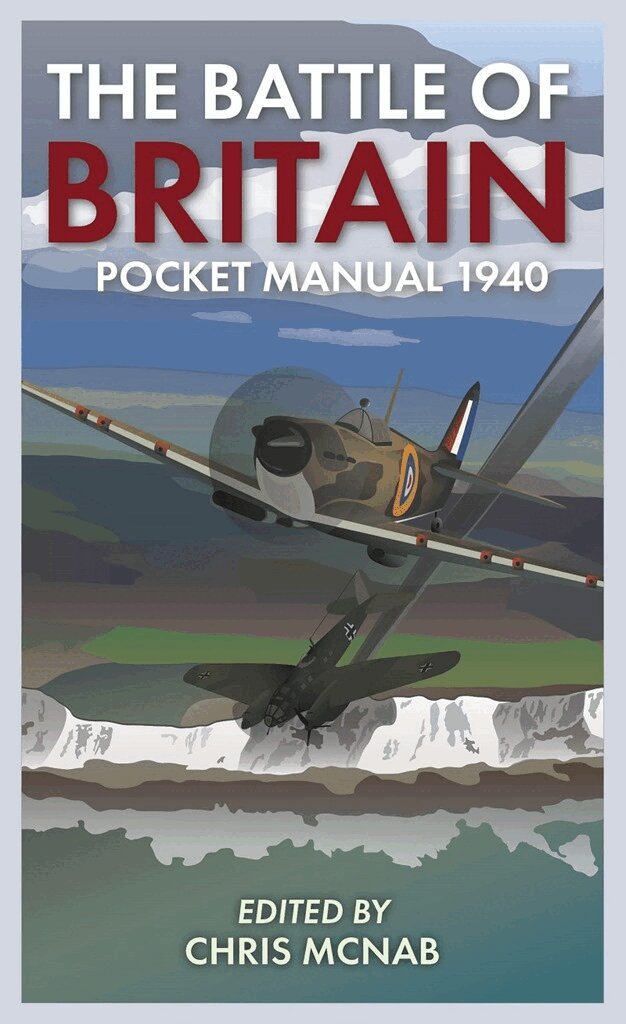
In the summer of 1940, Britain stood alone. For three long months, brave young RAF pilots took off every day, ready to defend British skies against large-scale Luftwaffe raide. 'The Few' were young, but they were trained and they were determined. Eighty years on the last of the pilots to fly in the Battle of Britain are feted, and their part in World War II is widely remembered. This pocket manual covers the training that these young pilots would have had, and the air combat tactics they were taught to use against the German raiders. It also covers the role of the ground crews; control and command systems; anti-aircraft defences; and radar and raid detection.
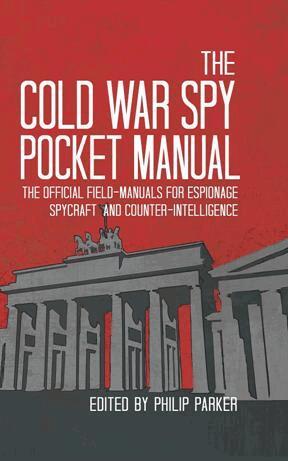
Cold War Spy Pocket Manual
The Official Field-Manuals for Espionage, Spycraft and Counter-Intelligence
Inbunden, Engelska, 2015
119 kr
Skickas
108 kr
Skickas
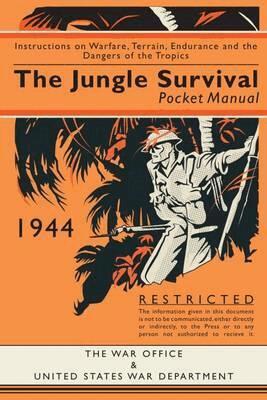
Jungle Survival Pocket Manual 1939–1945
Instructions on Warfare, Terrain, Endurance and the Dangers of the Tropics
Inbunden, Engelska, 2017
108 kr
Tillfälligt slut