Lee Johnson – författare
1 432 kr
Skickas inom 7-10 vardagar
2 544 kr
Skickas inom 3-6 vardagar
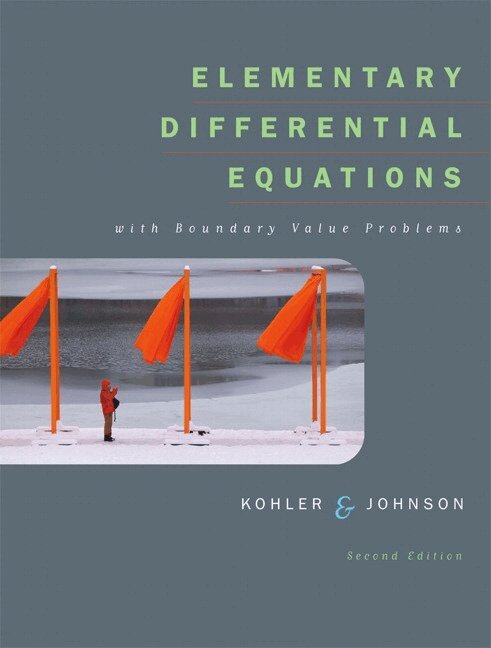
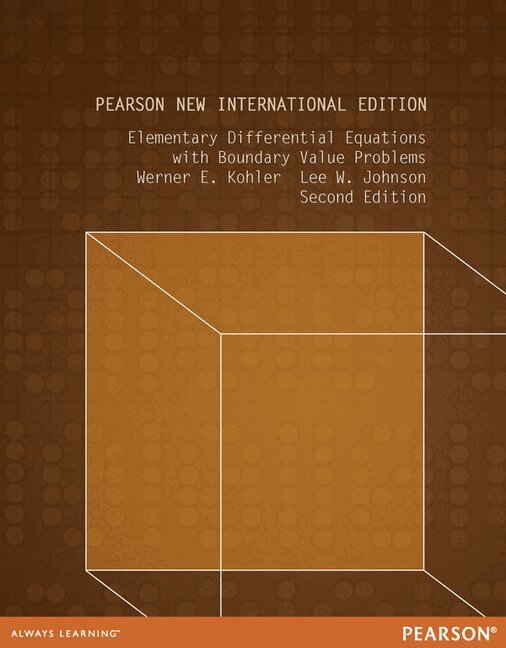
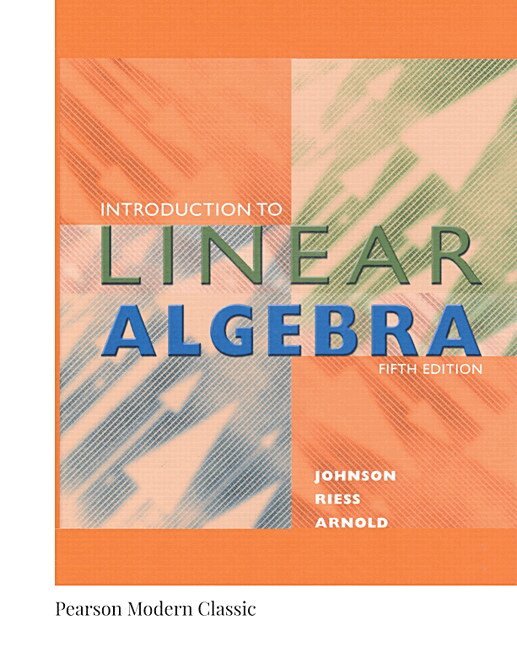
Elementary Differential Equations with Boundary Value Problems integrates the underlying theory, the solution procedures, and the numerical/computational aspects of differential equations in a seamless way. For example, whenever a new type of problem is introduced (such as first-order equations, higher-order equations, systems of differential equations, etc.) the text begins with the basic existence-uniqueness theory. This provides the student the necessary framework to understand and solve differential equations. Theory is presented as simply as possible with an emphasis on how to use it. The Table of Contents is comprehensive and allows flexibility for instructors.
235 kr
Skickas inom 5-8 vardagar
259 kr
Skickas inom 5-8 vardagar
311 kr
Skickas inom 5-8 vardagar
333 kr
Skickas inom 5-8 vardagar
1 045 kr
Skickas inom 7-10 vardagar
43 kr
Läs direkt efter köp
474 kr
Läs direkt efter köp
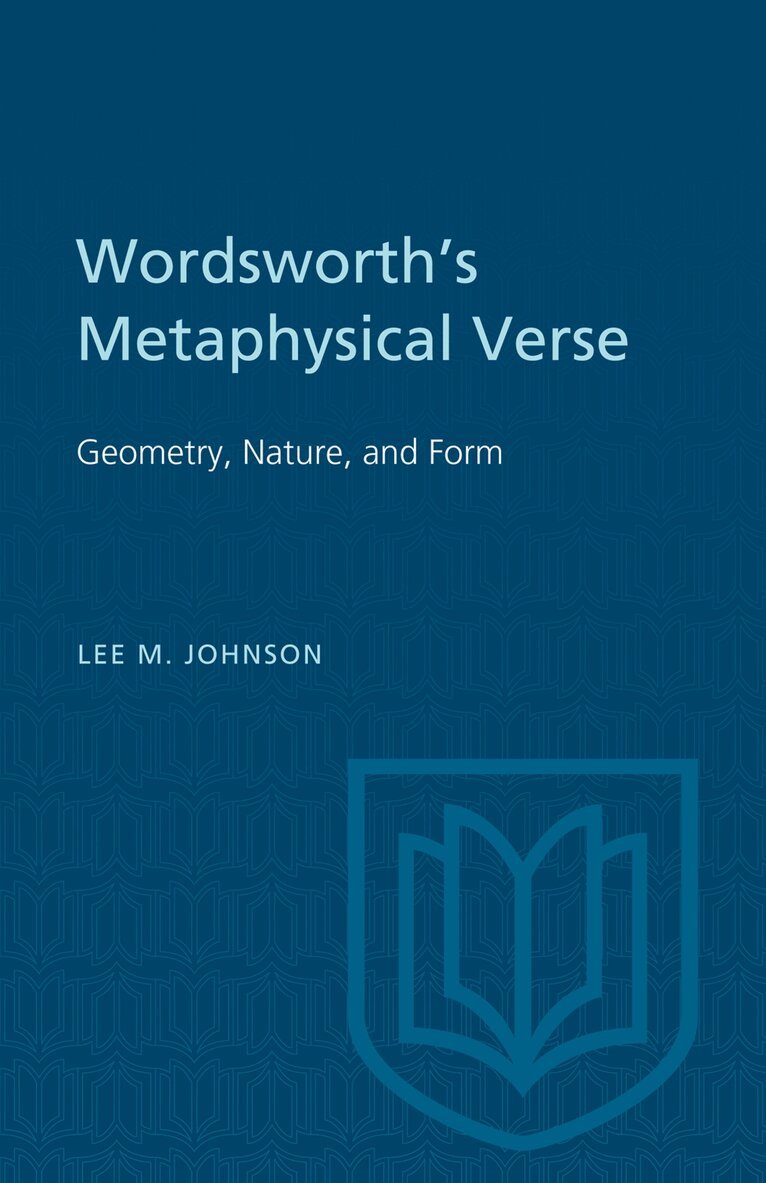
In his philosophic verse, Woodsworth identifies the history of poetry and geometrical thought as the two chief treasures of the mind and as main sources of his poetic inspiration. He assigns transcendental value to geometry and indicates that he attempts to apply its proportions to the laws of nature. In this book, Professor Johnson demonstrates how Wordsworth also employed geometrical patterns in the metrical construction of his verse and how the character of those patterns can be related to the poet''s major philosophical values.
Johnson shows how Wordsworth, when writing about the nature and significance of geometrical thought in The Prelude and The Excursion, designs his verse paragraphs in accordance with simple geometrical proportions which are thereby associated with the metaphysical value he attributes to geometry. Wordsworth finds geometrical forms to be hidden in the natural landscape and inherent in the structures of perception itself.
This book is the first to make a sustained description of Wordsworth''s symbolic patterns and metrical forms in his philosophic verse, with major examples drawn from Tintern Abbey, The Prelude, The Excursion, and the Immortality Ode. Although it presents an approach which differs radically from any in the established criticism of the poet, it is basically at one with the large body of work that concerns the nature of Wordsworth''s imagination.
378 kr
Skickas inom 5-8 vardagar
479 kr
Läs direkt efter köp
In his philosophic verse, Woodsworth identifies the history of poetry and geometrical thought as the two chief treasures of the mind and as main sources of his poetic inspiration. He assigns transcendental value to geometry and indicates that he attempts to apply its proportions to the laws of nature. In this book, Professor Johnson demonstrates how Wordsworth also employed geometrical patterns in the metrical construction of his verse and how the character of those patterns can be related to the poet''s major philosophical values.
Johnson shows how Wordsworth, when writing about the nature and significance of geometrical thought in The Prelude and The Excursion, designs his verse paragraphs in accordance with simple geometrical proportions which are thereby associated with the metaphysical value he attributes to geometry. Wordsworth finds geometrical forms to be hidden in the natural landscape and inherent in the structures of perception itself.
This book is the first to make a sustained description of Wordsworth''s symbolic patterns and metrical forms in his philosophic verse, with major examples drawn from Tintern Abbey, The Prelude, The Excursion, and the Immortality Ode. Although it presents an approach which differs radically from any in the established criticism of the poet, it is basically at one with the large body of work that concerns the nature of Wordsworth''s imagination.