Political Philosophy for the Real World - Böcker
Visar alla böcker i serien Political Philosophy for the Real World. Handla med fri frakt och snabb leverans.
15 produkter
15 produkter
659 kr
Skickas inom 10-15 vardagar
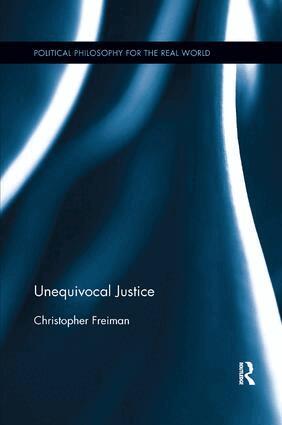
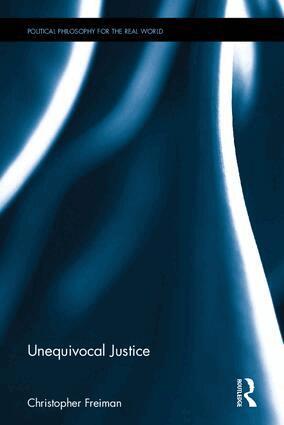
Unequivocal Justice challenges the prevailing view within political philosophy that broadly free market regimes are inconsistent with the basic principles of liberal egalitarian justice. Freiman argues that the liberal egalitarian rejection of free market regimes rests on a crucial methodological mistake. Liberal egalitarians regularly assume an ideal "public interest" model of political behavior and a nonideal "private interest" model of behavior in the market and civil society. Freiman argues that this asymmetrical application of behavioral assumptions biases the analysis and undercuts ideal theoretical treatments of every major liberal egalitarian principle, including political liberty, economic sufficiency, fair opportunity, and social equality. This book reexamines the institutional implications of each of these principles in nonideal conditions, making novel philosophical use of political psychology and public choice economics along the way.
2 113 kr
Skickas inom 10-15 vardagar
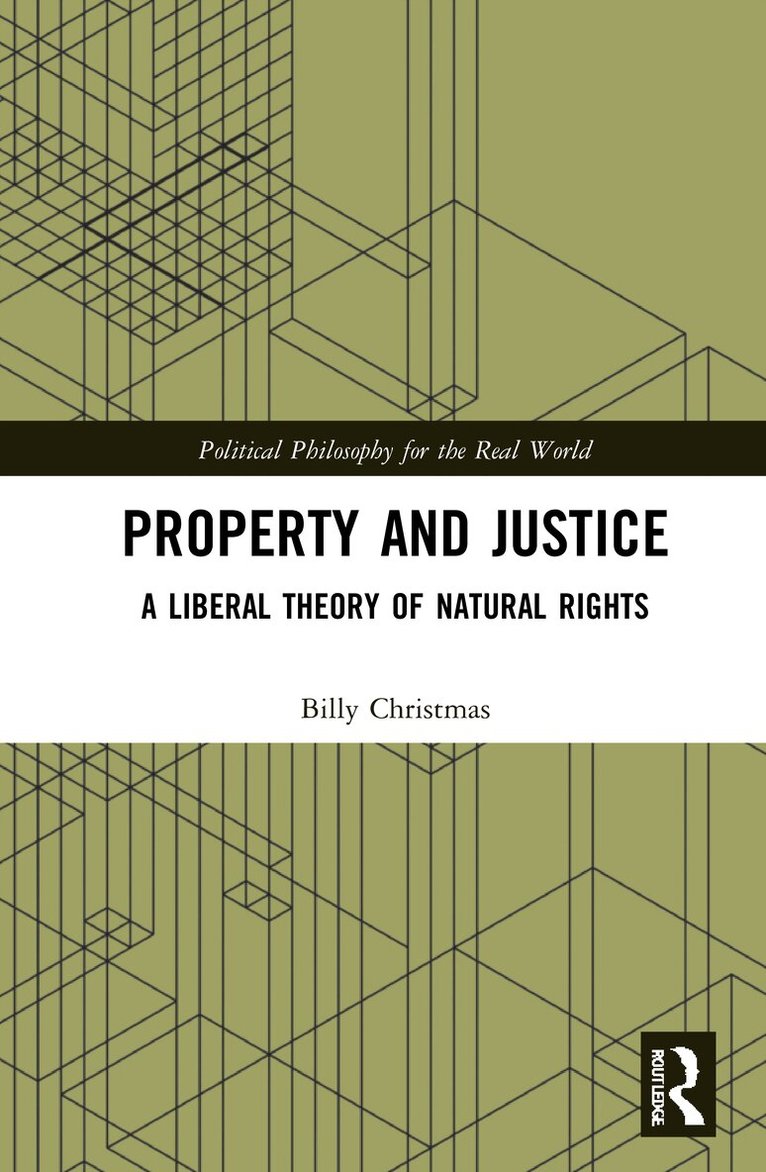
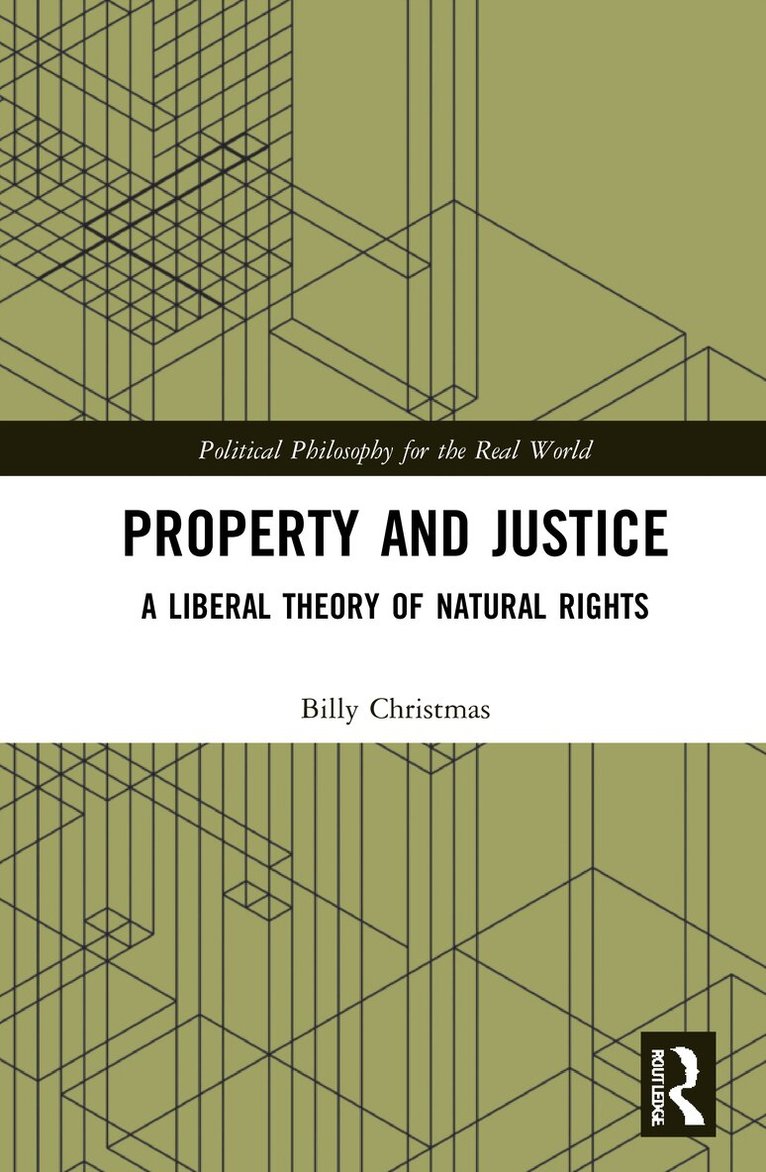
This book gives an account of a full spectrum of property rights and their relationship to individual liberty. It shows that a purely deontological approach to justice can deal with the most complex questions regarding the property system. Moreover, the author considers the economic, ecological, and technological complexities of our real-world property systems. The result is a more conceptually sound account of natural rights and the property system they demand.If we think that liberty should be at the centre of justice, what does that mean for the property system? Economists and lawyers widely agree that a property system must be composed of many different types of property: the kind of private ownership one has over one’s person and immediate possessions, as well as the kinds of common ownership we each have in our local streets, as well as many more. However, theories of property and justice have not given anything approaching an adequate account of the relationship between liberty and any other form of property other than private ownership. It is often thought that a basic commitment to liberty cannot really tell us how to arrange the major complexities of the property system, which diverge from simple private ownership.Property and Justice demonstrates how philosophical rigour coupled with interdisciplinary engagement enables us to think clearly about how to deal with real-world problems. It will be of interest to political philosophers, political theorists, and legal theorists working on property rights and justice.
2 113 kr
Skickas inom 10-15 vardagar
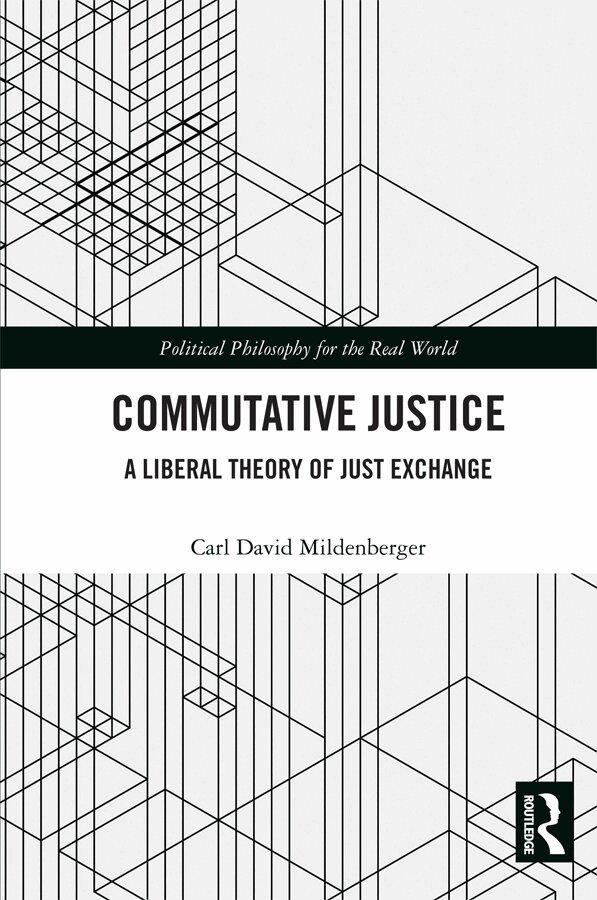
This book develops a liberal theory of justice in exchange. It identifies the conditions that market exchanges need to fulfill to be just. It also addresses head-on a consequentialist challenge to existing theories of exchange, namely that, in light of new harms faced at the global level, we need to consider the combined consequences of millions of market exchanges to reach a final judgment about whether some individual exchange is just.The author argues that, even if we accept this challenge, the effect of it is minimal. For different reasons, normatively problematic collective market outcomes like externalities, monopolies, violations of the Lockean proviso, inequality, and commodification do not pose particular problems to the justice of market exchanges. He outlines the various conditions a market exchange needs to fulfill to be considered just from a liberal background and in light of the new harms. Ultimately, he shows, it is not the market which is to blame; if we want to tackle issues like global warming or global economic injustice, we should not blindly follow the intuition that we best restrain and regulate markets.Commutative Justice is unique in its focus on justice in exchange rather than on end-state distributive justice, and the way in which it addresses the new harms we are facing today. It will be of interest to researchers and advanced students in philosophy, politics, and economics who are working on questions of economic justice.
659 kr
Skickas inom 10-15 vardagar
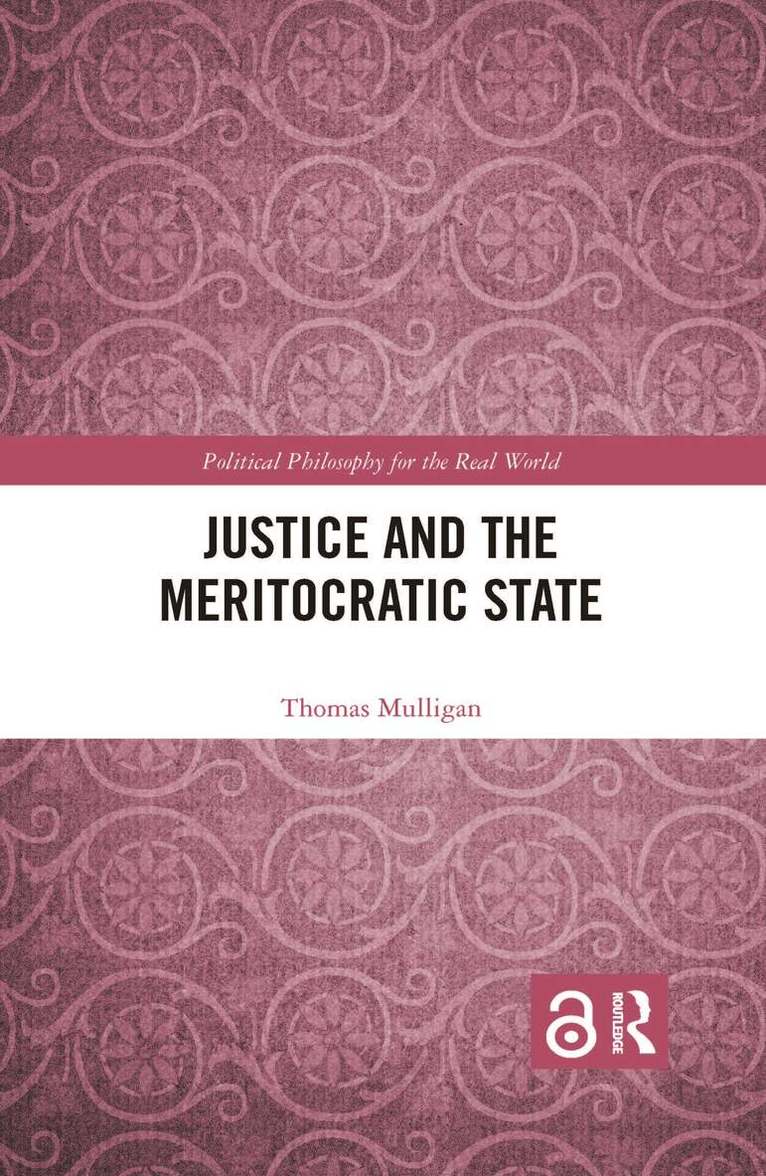
Like American politics, the academic debate over justice is polarized, with almost all theories of justice falling within one of two traditions: egalitarianism and libertarianism. This book provides an alternative to the partisan standoff by focusing not on equality or liberty, but on the idea that we should give people the things that they deserve. Mulligan sets forth a theory of economic justice—meritocracy—which rests upon a desert principle and is distinctive from existing work in two ways. First, meritocracy is grounded in empirical research on how human beings think, intuitively, about justice. Research in social psychology and experimental economics reveals that people simply don’t think that social goods should be distributed equally, nor do they dismiss the idea of social justice. Across ideological and cultural lines, people believe that rewards should reflect merit. Second, the book discusses hot-button political issues and makes concrete policy recommendations. These issues include anti-meritocratic bias against women and racial minorities and the United States’ widening economic inequality. Justice and the Meritocratic State offers a new theory of justice and provides solutions to our most vexing social and economic problems. It will be of keen interest to philosophers, economists, and political theorists.
578 kr
Skickas inom 10-15 vardagar
This book gives an account of a full spectrum of property rights and their relationship to individual liberty. It shows that a purely deontological approach to justice can deal with the most complex questions regarding the property system. Moreover, the author considers the economic, ecological, and technological complexities of our real-world property systems. The result is a more conceptually sound account of natural rights and the property system they demand.If we think that liberty should be at the centre of justice, what does that mean for the property system? Economists and lawyers widely agree that a property system must be composed of many different types of property: the kind of private ownership one has over one’s person and immediate possessions, as well as the kinds of common ownership we each have in our local streets, as well as many more. However, theories of property and justice have not given anything approaching an adequate account of the relationship between liberty and any other form of property other than private ownership. It is often thought that a basic commitment to liberty cannot really tell us how to arrange the major complexities of the property system, which diverge from simple private ownership.Property and Justice demonstrates how philosophical rigour coupled with interdisciplinary engagement enables us to think clearly about how to deal with real-world problems. It will be of interest to political philosophers, political theorists, and legal theorists working on property rights and justice.
632 kr
Skickas inom 10-15 vardagar
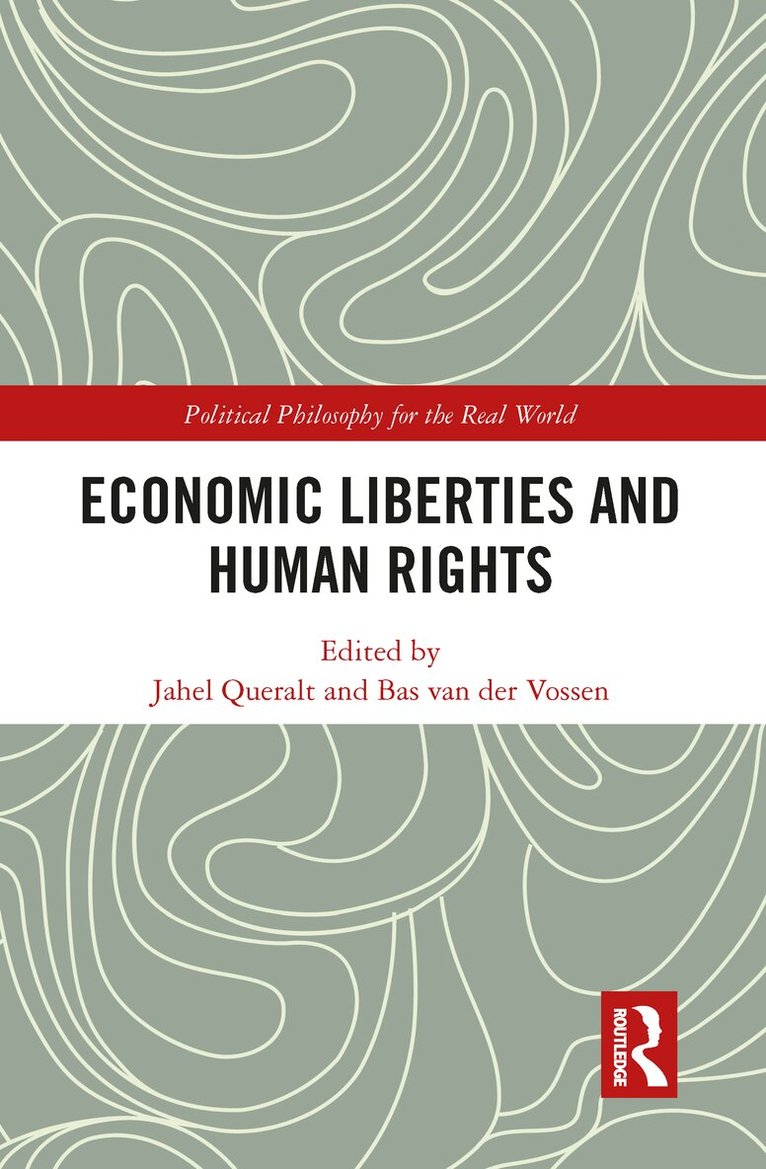
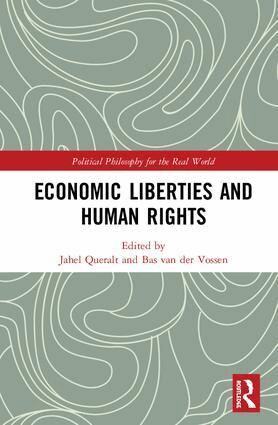
The status of economic liberties remains a serious lacuna in the theory and practice of human rights. Should a minimally just society protect the freedoms to sell, save, profit and invest? Is being prohibited to run a business a human rights violation? While these liberties enjoy virtually no support from the existing philosophical theories of human rights and little protection by the international human rights law, they are of tremendous importance in the lives of individuals, and particularly the poor. Like most individual liberties, economic liberties increase our ability to lead our own life. When we enjoy them, we can choose the occupational paths that best fit us and, in so doing, define who they are in relation to others. Furthermore, in the absence of good jobs, economic liberties allow us to create an alternative path to subsistence. This is critical for the millions of working poor in developing countries who earn their livelihoods by engaging in independent economic activities. Insecure economic liberties leave them vulnerable to harassment, bribery and other forms of abuse from middlemen and public officials. This book opens a debate about the moral and legal status of economic liberties as human rights. It brings together political and legal theorists working in the domain of human rights and global justice, as well as people engaged in the practice of human rights, to engage in both foundational and applied issues concerning these questions.
632 kr
Skickas inom 10-15 vardagar
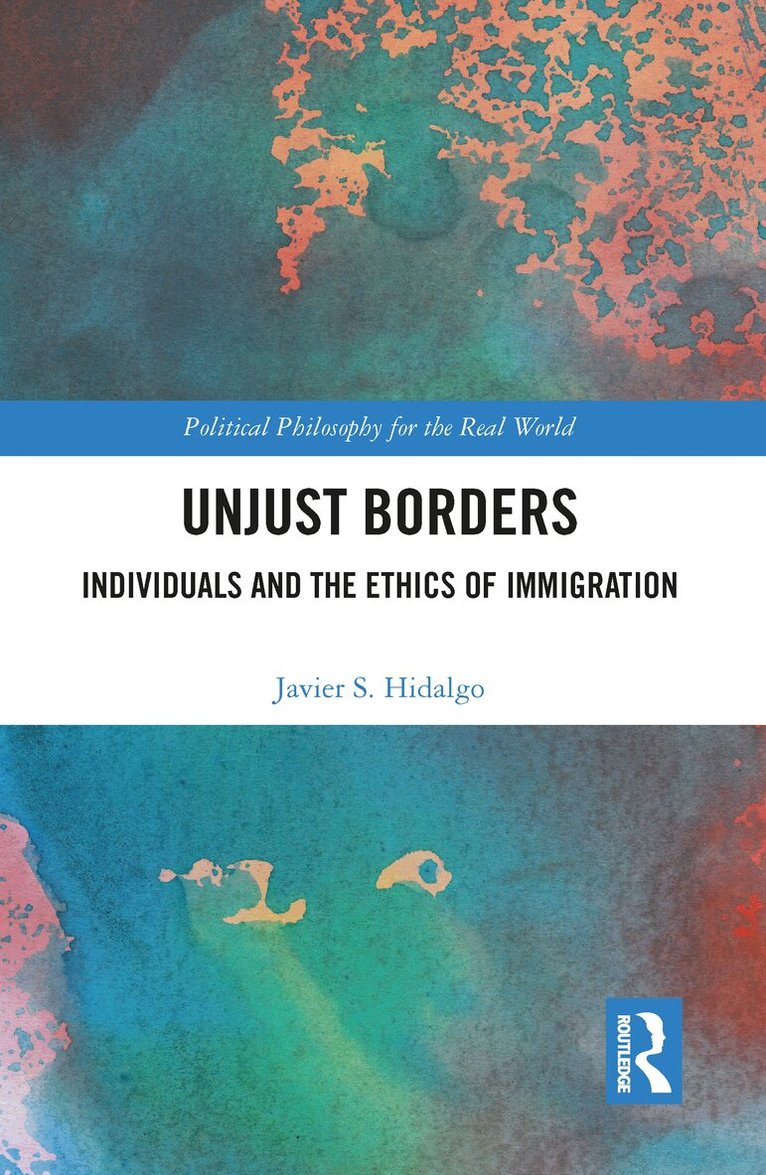
States restrict immigration on a massive scale. Governments fortify their borders with walls and fences, authorize border patrols, imprison migrants in detention centers, and deport large numbers of foreigners. Unjust Borders: Individuals and the Ethics of Immigration argues that immigration restrictions are systematically unjust and examines how individual actors should respond to this injustice. Javier Hidalgo maintains that individuals can rightfully resist immigration restrictions and often have strong moral reasons to subvert these laws. This book makes the case that unauthorized migrants can permissibly evade, deceive, and use defensive force against immigration agents, that smugglers can aid migrants in crossing borders, and that citizens should disobey laws that compel them to harm immigrants. Unjust Borders is a meditation on how individuals should act in the midst of pervasive injustice.
2 113 kr
Skickas inom 10-15 vardagar
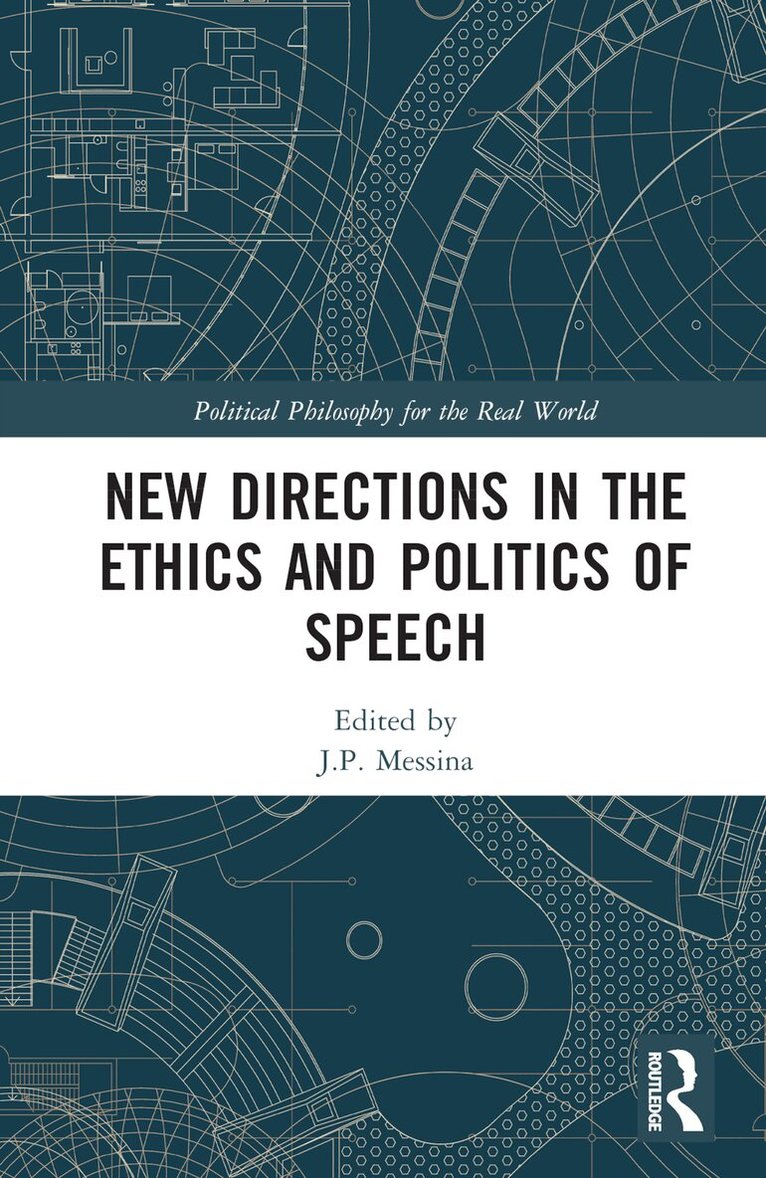
This book features new perspectives on the ethics and politics of free speech. Contributors draw on insights from philosophy, psychology, political theory, journalism, literature, and history to respond to pressing problems involving free speech in liberal societies.Recent years have seen an explosion of academic interest in these topics. However, most recent work has focused on constitutional protections for free speech and on issues related to academic freedom and campus politics. The chapters in this volume set their sights more broadly on the non-state problems that we collectively face in attempting to realize a healthy environment for free discourse. The volume’s contributors share the assumption that threats to free speech do not come exclusively from state sources or bad actors, but from ordinary strategic situations in which all may be acting in good faith. Contributors take seriously the idea that our current cultural moment provides plenty of reason to be concerned about our intellectual climate and offer new insights for how to make things better. New Directions in the Ethics and Politics of Speech will be of interest to researchers and students working in ethics, political philosophy, social theory, and law.The Open Access version of this book, available at www.taylorfrancis.com, has been made available under a Creative Commons Attribution-Non Commercial-No Derivatives 4.0 license.
578 kr
Skickas inom 10-15 vardagar
This book features new perspectives on the ethics and politics of free speech. Contributors draw on insights from philosophy, psychology, political theory, journalism, literature, and history to respond to pressing problems involving free speech in liberal societies.Recent years have seen an explosion of academic interest in these topics. However, most recent work has focused on constitutional protections for free speech and on issues related to academic freedom and campus politics. The chapters in this volume set their sights more broadly on the non-state problems that we collectively face in attempting to realize a healthy environment for free discourse. The volume’s contributors share the assumption that threats to free speech do not come exclusively from state sources or bad actors, but from ordinary strategic situations in which all may be acting in good faith. Contributors take seriously the idea that our current cultural moment provides plenty of reason to be concerned about our intellectual climate and offer new insights for how to make things better. New Directions in the Ethics and Politics of Speech will be of interest to researchers and students working in ethics, political philosophy, social theory, and law.The Open Access version of this book, available at www.taylorfrancis.com, has been made available under a Creative Commons Attribution-Non Commercial-No Derivatives 4.0 license.
632 kr
Skickas inom 10-15 vardagar
This book develops a liberal theory of justice in exchange. It identifies the conditions that market exchanges need to fulfill to be just. It also addresses head-on a consequentialist challenge to existing theories of exchange, namely that, in light of new harms faced at the global level, we need to consider the combined consequences of millions of market exchanges to reach a final judgment about whether some individual exchange is just.The author argues that, even if we accept this challenge, the effect of it is minimal. For different reasons, normatively problematic collective market outcomes like externalities, monopolies, violations of the Lockean proviso, inequality, and commodification do not pose particular problems to the justice of market exchanges. He outlines the various conditions a market exchange needs to fulfill to be considered just from a liberal background and in light of the new harms. Ultimately, he shows, it is not the market which is to blame; if we want to tackle issues like global warming or global economic injustice, we should not blindly follow the intuition that we best restrain and regulate markets.Commutative Justice is unique in its focus on justice in exchange rather than on end-state distributive justice, and the way in which it addresses the new harms we are facing today. It will be of interest to researchers and advanced students in philosophy, politics, and economics who are working on questions of economic justice.
Everyday Ethics of Politics
How Politicians Navigate Dilemmas and Why You Should Care
Inbunden, Engelska, 2026
2 258 kr
Kommande
This book addresses a persistent gap in the political ethics literature: the disconnect between political ethics as a theoretical discipline and the ethical dilemmas that politicians face in political practice. It highlights how elected officials navigate ethical challenges in their representative roles, providing readers with an accessible view of the ethical landscape that underpins political decision-making.The book features a novel integration of ethical theory and political practice. Through extensive interviews with Swedish parliamentarians, the book captures how politicians reason about key aspects of political ethics, including transparency, honesty, and compromise, as well as their views on virtues, vices, and the most challenging political dilemmas. By examining ethical challenges from parliamentarian’s own perspectives, the book reveals under-theorized aspects of political ethics and introduces new analytical categories, such as perceived powerlessness, dual ethical spheres, and the role of judgment in everyday decisions. In doing so, it tackles foundational challenges in political ethics and opens pathways for normative analysis, primarily in offering an empirical basis for discussions on whether this is indeed how politicians’ ought to reason about politics, ethics, and democracy.The Everyday Ethics of Politics will appeal to researchers and graduate students working in ethics, political philosophy, and political theory.
2 113 kr
Skickas inom 10-15 vardagar
Like American politics, the academic debate over justice is polarized, with almost all theories of justice falling within one of two traditions: egalitarianism and libertarianism. This book provides an alternative to the partisan standoff by focusing not on equality or liberty, but on the idea that we should give people the things that they deserve. Mulligan sets forth a theory of economic justice—meritocracy—which rests upon a desert principle and is distinctive from existing work in two ways. First, meritocracy is grounded in empirical research on how human beings think, intuitively, about justice. Research in social psychology and experimental economics reveals that people simply don’t think that social goods should be distributed equally, nor do they dismiss the idea of social justice. Across ideological and cultural lines, people believe that rewards should reflect merit. Second, the book discusses hot-button political issues and makes concrete policy recommendations. These issues include anti-meritocratic bias against women and racial minorities and the United States’ widening economic inequality. Justice and the Meritocratic State offers a new theory of justice and provides solutions to our most vexing social and economic problems. It will be of keen interest to philosophers, economists, and political theorists.
2 113 kr
Skickas inom 10-15 vardagar
States restrict immigration on a massive scale. Governments fortify their borders with walls and fences, authorize border patrols, imprison migrants in detention centers, and deport large numbers of foreigners. Unjust Borders: Individuals and the Ethics of Immigration argues that immigration restrictions are systematically unjust and examines how individual actors should respond to this injustice. Javier Hidalgo maintains that individuals can rightfully resist immigration restrictions and often have strong moral reasons to subvert these laws. This book makes the case that unauthorized migrants can permissibly evade, deceive, and use defensive force against immigration agents, that smugglers can aid migrants in crossing borders, and that citizens should disobey laws that compel them to harm immigrants. Unjust Borders is a meditation on how individuals should act in the midst of pervasive injustice.
2 113 kr
Skickas inom 10-15 vardagar
The status of economic liberties remains a serious lacuna in the theory and practice of human rights. Should a minimally just society protect the freedoms to sell, save, profit and invest? Is being prohibited to run a business a human rights violation? While these liberties enjoy virtually no support from the existing philosophical theories of human rights and little protection by the international human rights law, they are of tremendous importance in the lives of individuals, and particularly the poor. Like most individual liberties, economic liberties increase our ability to lead our own life. When we enjoy them, we can choose the occupational paths that best fit us and, in so doing, define who they are in relation to others. Furthermore, in the absence of good jobs, economic liberties allow us to create an alternative path to subsistence. This is critical for the millions of working poor in developing countries who earn their livelihoods by engaging in independent economic activities. Insecure economic liberties leave them vulnerable to harassment, bribery and other forms of abuse from middlemen and public officials. This book opens a debate about the moral and legal status of economic liberties as human rights. It brings together political and legal theorists working in the domain of human rights and global justice, as well as people engaged in the practice of human rights, to engage in both foundational and applied issues concerning these questions.
2 113 kr
Skickas inom 10-15 vardagar
Unequivocal Justice challenges the prevailing view within political philosophy that broadly free market regimes are inconsistent with the basic principles of liberal egalitarian justice. Freiman argues that the liberal egalitarian rejection of free market regimes rests on a crucial methodological mistake. Liberal egalitarians regularly assume an ideal "public interest" model of political behavior and a nonideal "private interest" model of behavior in the market and civil society. Freiman argues that this asymmetrical application of behavioral assumptions biases the analysis and undercuts ideal theoretical treatments of every major liberal egalitarian principle, including political liberty, economic sufficiency, fair opportunity, and social equality. This book reexamines the institutional implications of each of these principles in nonideal conditions, making novel philosophical use of political psychology and public choice economics along the way.