Presidential Rhetoric Series - Böcker
Visar alla böcker i serien Presidential Rhetoric Series. Handla med fri frakt och snabb leverans.
9 produkter
9 produkter
360 kr
Skickas inom 7-10 vardagar
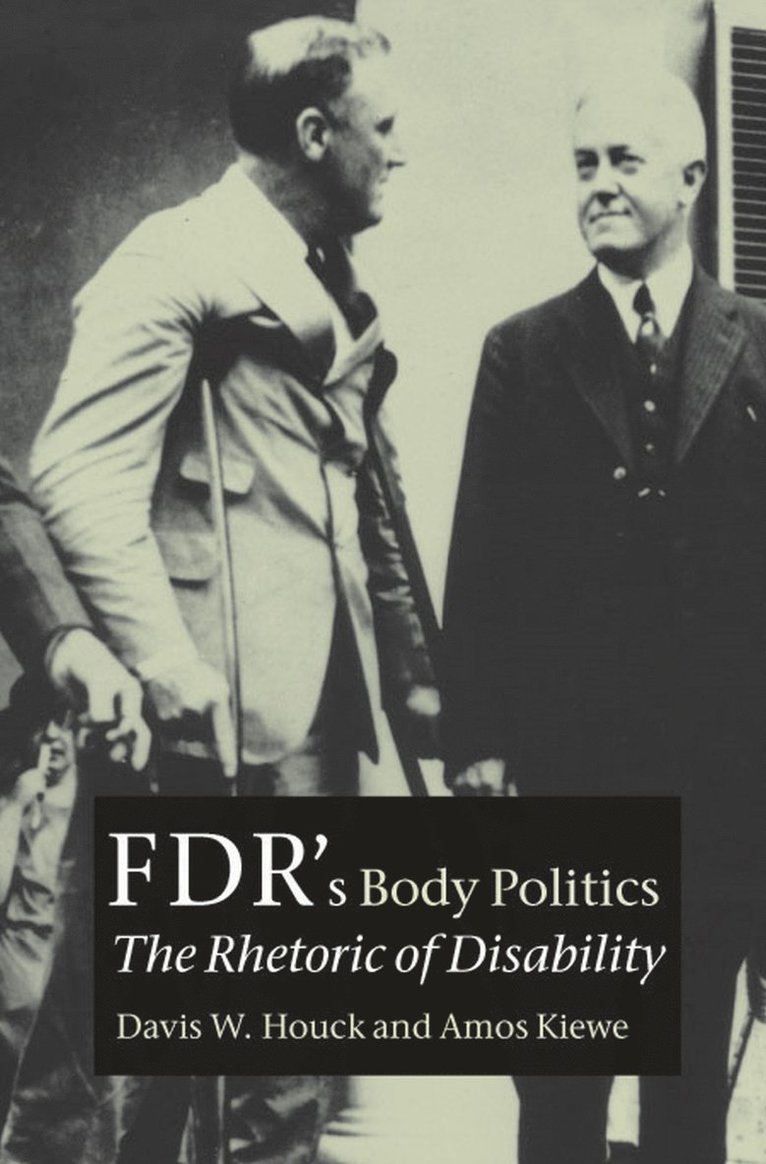
Franklin Roosevelt instinctively understood that a politician of his era who was unable to control his own body would be perceived as unable to control the body politic. He therefore took great care to hide his polio-induced lameness both visually and verbally. In FDR's Body Politics. Davis W. Houck and Amos Kiewe draw on never-before-used primary sources to analyze the silences surrounding Roosevelt's disability, the words he chose to portray himself and his policies as powerful and health-giving, and the methods he used to maximize the appearance of physical strength. They examine his broad strategies, as well as the speeches Roosevelt delivered during his political comeback after polio struck, to understand how he overcame the whispering campaign against him in 1928 and 1932. Ultimately, this is a story of triumph and courage that reveals a master politician's understanding of the body politic in the most fundamental of ways.
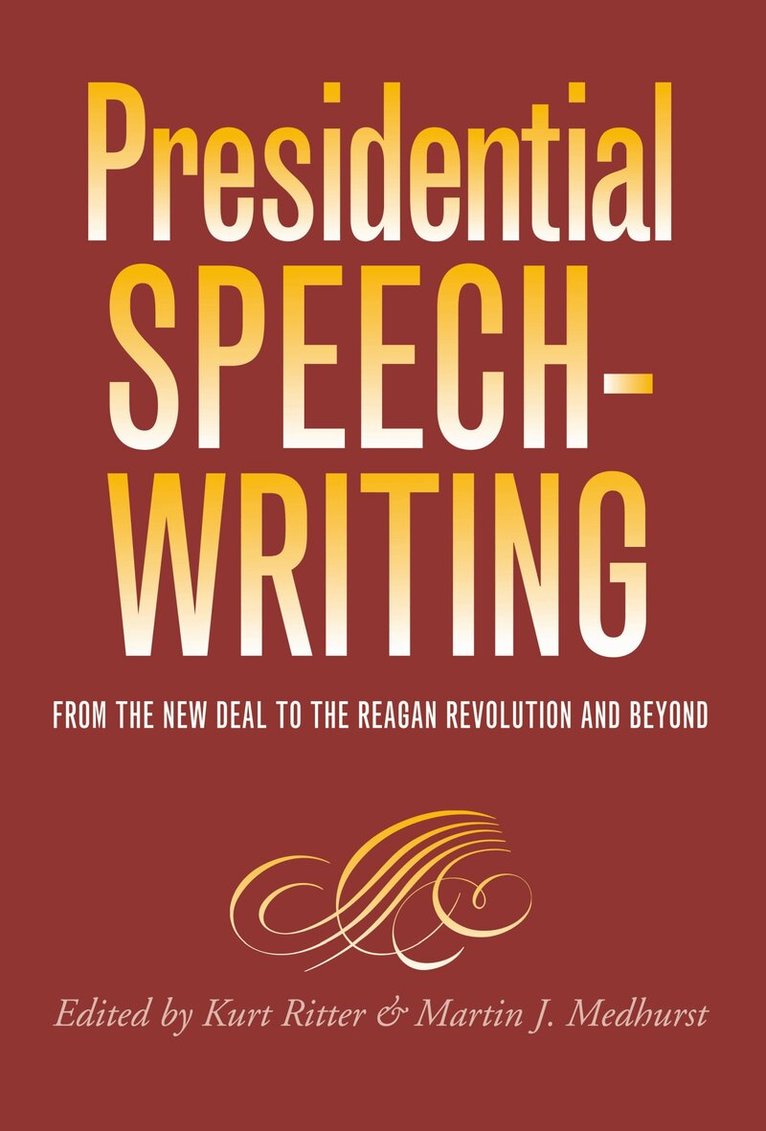
Presidential Speechwriting
From the New Deal to the Reagan Revolution and Beyond
Häftad, Engelska, 2004
207 kr
Skickas inom 10-15 vardagar
The rise of the media presidency through radio and television broadcasts has heightened the importance of presidential speeches in determining the U.S. president's effectiveness and popularity. Not surprisingly, this development has also witnessed the rise of professional speechwriters. The chapters in this book (two by former White House speechwriters) give insight into the process of presidential speechwriting, from Franklin D. Roosevelt's administration to Ronald Reagan's.
261 kr
Skickas inom 10-15 vardagar
Since the time of Theodore Roosevelt and Woodrow Wilson, the American presidency has changed in profound ways. Chief among these has been the way presidents interact with the general public. The ten chapters of this volume, by presidential scholars Jeffrey Tulis, Glen E. Thurow, Thomas W. Benson, Roderick P. Hart, Thomas Goodnight, and George Edwards, among others, offer thought-provoking analyses concerning the role of presidential rhetoric in passing policy, generating support, and promoting public discourse.
468 kr
Skickas inom 11-20 vardagar
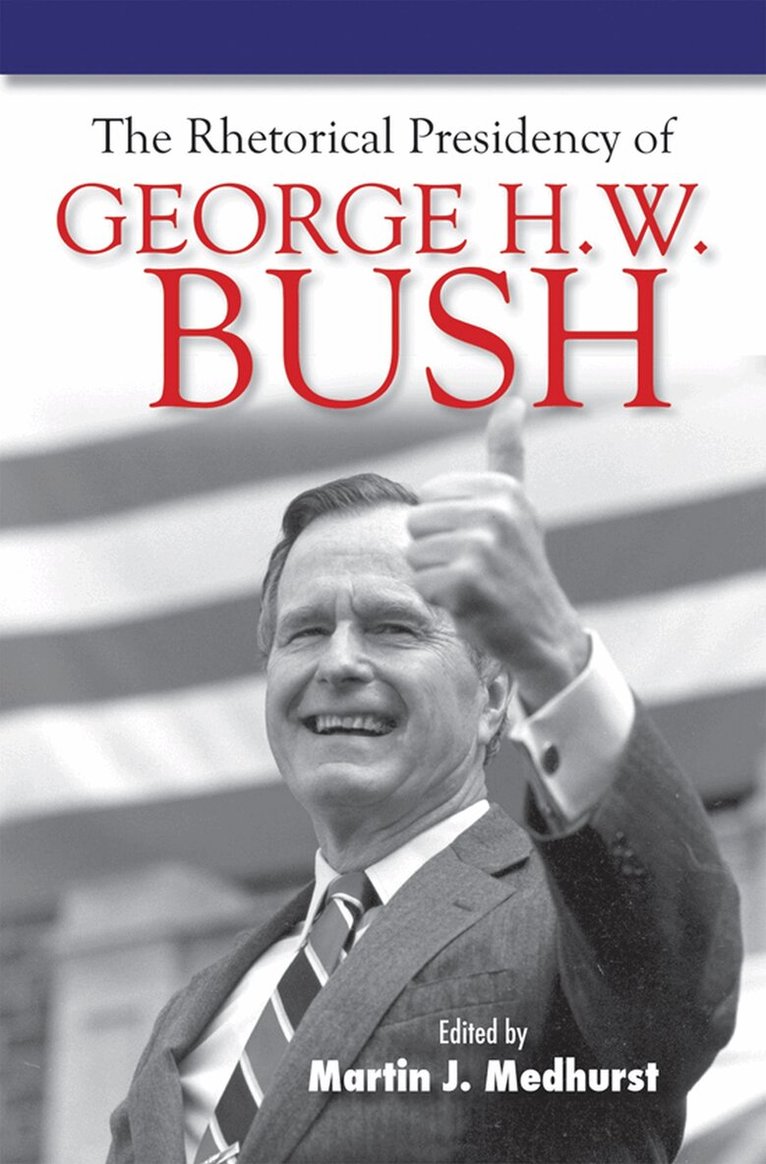
For George H. W. Bush, the distinction between campaigning (""politics"") and governing (""principles"") was crucial. Once in office, he abandoned his campaign mode and with it the rhetorical strategies that had brought electoral success. Not recognizing the importance of rhetoric to policy formation and implementation, Bush forfeited the resources of the bully pulpit and paid the price of electoral defeat. Here, scholars explore the first Gulf War, the fall of the Berlin wall, the ""New World Order,"" Bush's ""education presidency,"" his environmental stance, the ""vision thing,"" and the influence of the Religious Right. The volume concludes with an analysis of the 1992 re-election campaign and Bush's last-gasp use of economic rhetoric. The contributors draw on the resources of the Bush Presidential Library and interviews with many of Bush's White House aides. They also suggest how embracing the art of rhetoric might have allowed Bush to respond more successfully. ""The Rhetorical Presidency of George H. W. Bush"" breaks important ground for our understanding of the forty-first president's time in office and the reasons it ended so quickly.
387 kr
Skickas inom 7-10 vardagar
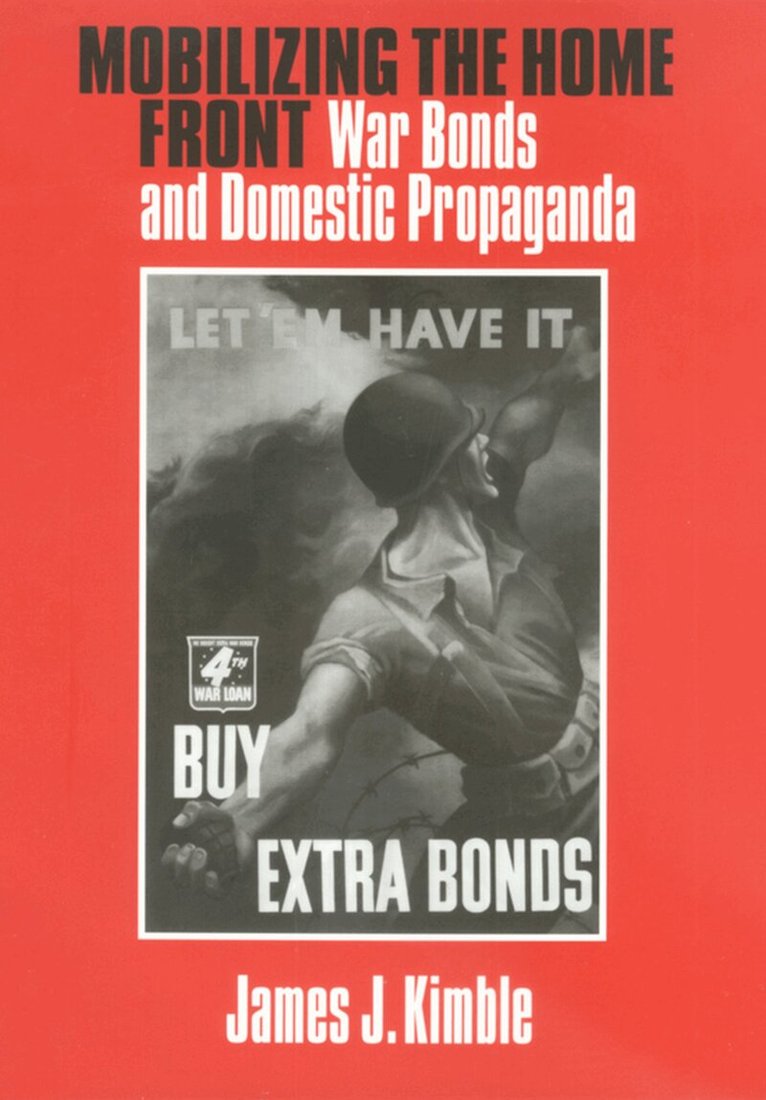
During World War II, the home front offered unprecedented levels of moral, financial, and labor support for the war effort. This was no accident. Through the U.S. Treasury Department's war bond drives, Franklin D. Roosevelt's administration strategically cultivated national morale by creating the largest single domestic propaganda campaign known to that time. Donald Duck and Bugs Bunny joined Judy Garland, Dorothy Lamour, and Lana Turner to urge Americans to buy war bonds, helping to create a virtual army of home front soldiers. Dr. Seuss drew cartoons, Irving Berlin wrote songs, and Norman Rockwell designed posters to help raise over $185 billion for the struggle, most of it coming from average citizens who well remembered the poverty of the Depression. In ""Mobilizing the Home Front"", James J. Kimble marshals archival documents, public appeals, and a wealth of internal memoranda, reports, and surveys to offer a new understanding of the government's eight war bond drives and the psyche of the nation at war. With roots in propaganda studies, military history, rhetorical criticism, and peace studies, this book adds new dimensions to our understanding of the waging of war by the ""Greatest Generation.
310 kr
Skickas inom 7-10 vardagar
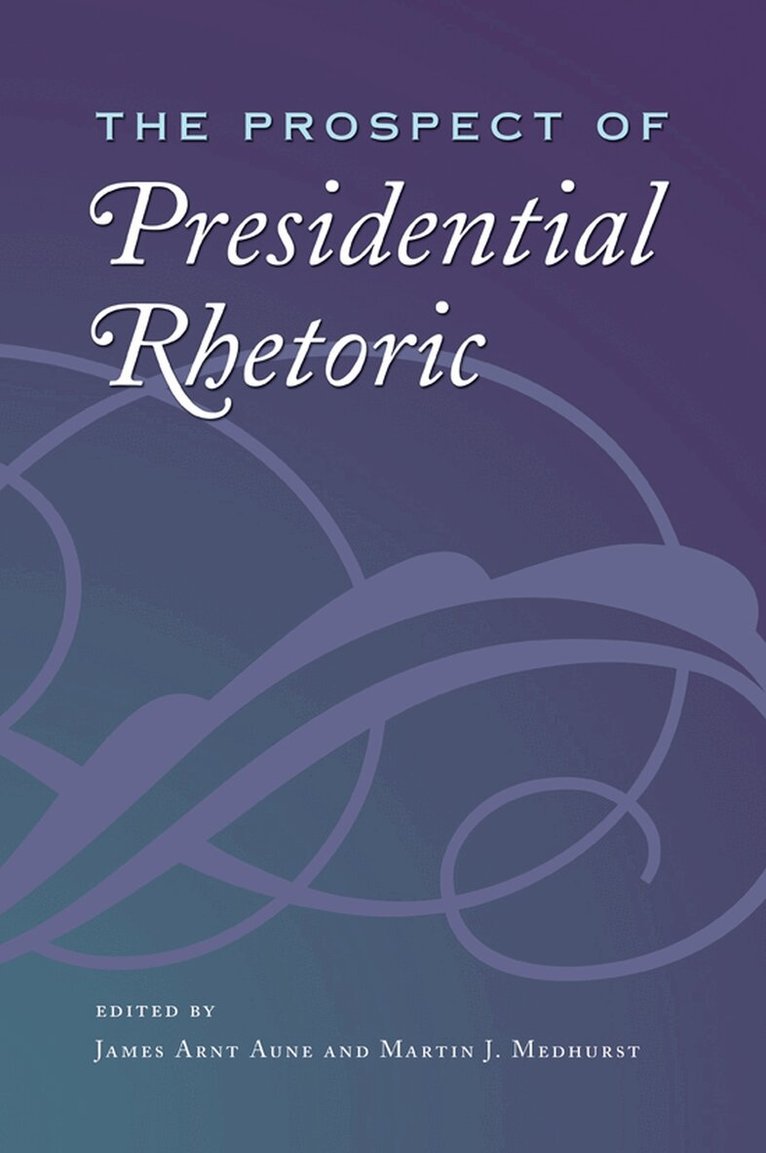
Culminating a decade of conferences that have explored presidential speech, ""The Prospect of Presidential Rhetoric"" assesses progress and suggests directions for both the practice of presidential speech and its study. In Part One, following an analytic review of the field by Martin Medhurst, contributors address the state of the art in their own areas of expertise. Roderick P. Hart then summarizes their work in the course of his rebuttal of an argument made by political scientist George Edwards: that presidential rhetoric lacks political impact. Part Two of the volume consists of the forward-looking reports of six task forces, comprising more than forty scholars, charged with outlining the likely future course of presidential rhetoric, as well as the major questions scholars should ask about it and the tools at their disposal. ""The Prospect of Presidential Rhetoric"" will serve as a pivotal work for students and scholars of public discourse and the presidency who seek to understand the shifting landscape of American political leadership.
234 kr
Skickas inom 10-15 vardagar
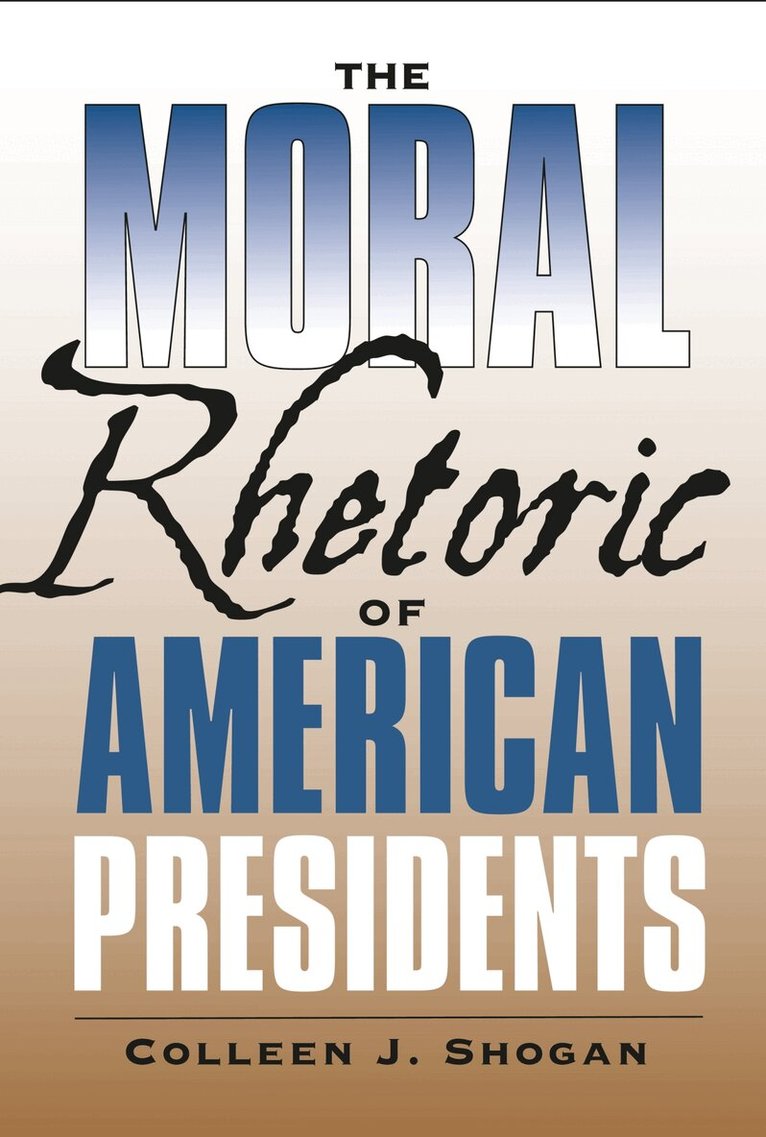
Although sometimes decried by pundits, George W. Bush's use of moral and religious rhetoric is far from unique in the American presidency. In ""The Moral Rhetoric of American Presidents"", Colleen J. Shogan astutely analyzes the president's role as the nation's moral spokesman and demonstrates that moral and religious rhetoric is a strategic tool presidents can use to enhance their constitutional authority. Shogan employs content analysis of the inaugural and annual addresses of all the presidents from George Washington through George W. Bush. This quantitative evidence shows that while presidents of both parties have used moral and religious arguments, the frequency has fluctuated considerably and the language has become increasingly detached from relevant policy arguments. Shogan explores the political effects of the rhetorical choices presidents make through nine historical cases: Presidents Washington, Jefferson, Madison, Buchanan, Lincoln, Theodore Roosevelt, Kennedy, Lyndon Johnson, and Carter. Shogan highlights the specific political circumstances that encourage or discourage the use of moral rhetoric and analyzes several dilemmas of governance instigated by George W. Bush's persistent devotion to moral and religious argumentation. This paperback edition includes a new afterword in which Shogan applies her analysis to understanding the role of Bush's moral rhetoric in the 2006 Congressional elections. She considers the change in his addresses after his party's midterm losses and, surveying the likely candidates for the 2008 presidential election, argues that they will need to ascertain how to maximize the strategic utility of moral and religious rhetoric.
234 kr
Skickas inom 10-15 vardagar
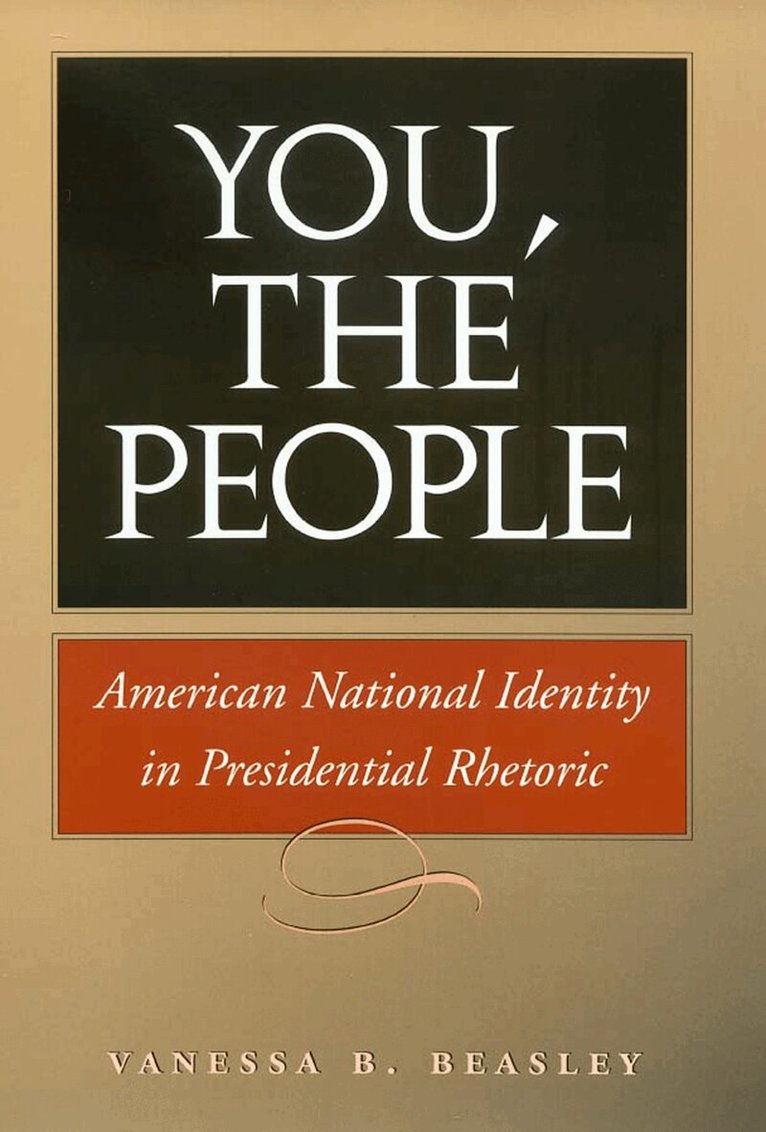
As we ask anew in these troubled times what it means to be an American, You, the People provides perspective by casting its eye over the answers given by past U.S. presidents in their addresses to the public. Who is an American, and who is not? Could any questions be more timely?
820 kr
Kommande
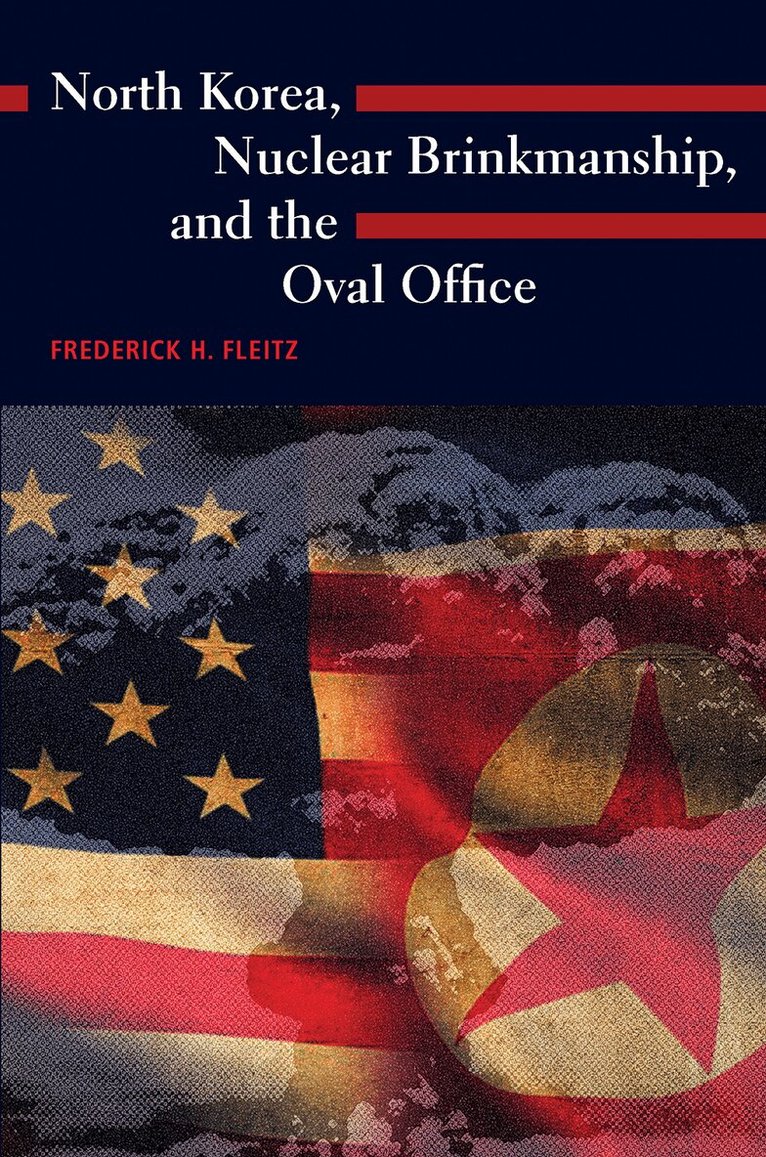
Only nine countries have possessed nuclear weapons in the roughly eighty years since the US first introduced the atomic bomb to the world. Since then, a dangerous game of "will they, won't they?" has been played between these nations. The most infamous standoff is the Cold War between the US and USSR, but the emergence of North Korea's nuclear program in the 1950s—with the support of the USSR—is often overlooked. While repeatedly downplayed in media over the decades, public consciousness is beginning to recognize North Korea's nuclear ability.In North Korea, Nuclear Brinkmanship, and the Oval Office, Frederick H. Fleitz, who has more than twenty-five years of experience working in US national security agencies, reveals the advanced state of Pyongyang's nuclear weapons program. Fleitz examines the history of US policy toward North Korea from the Eisenhower administration to the end of the Biden administration and offers a history and an analysis of the development of nuclear infrastructure in North Korea despite US efforts to impede the development. He attributes this state of affairs, in part, to mistakes and inconsistencies in US policy from administrations of both political parties. Further, Fleitz covers the strategies employed by North Korea to delay, defuse, and otherwise work around various sanctions and agreements that both nations view as obstacles to their nuclear aims.Offering the work as a "resource for US officials, experts, media, and allies," Fleitz stresses the urgency of a coherent and effective US policy that recognizes both the seriousness of nuclear threats and the global, political, and military realities that have given rise to them.