Principles of Archaeology - Böcker
Visar alla böcker i serien Principles of Archaeology. Handla med fri frakt och snabb leverans.
5 produkter
5 produkter
441 kr
Skickas inom 11-20 vardagar
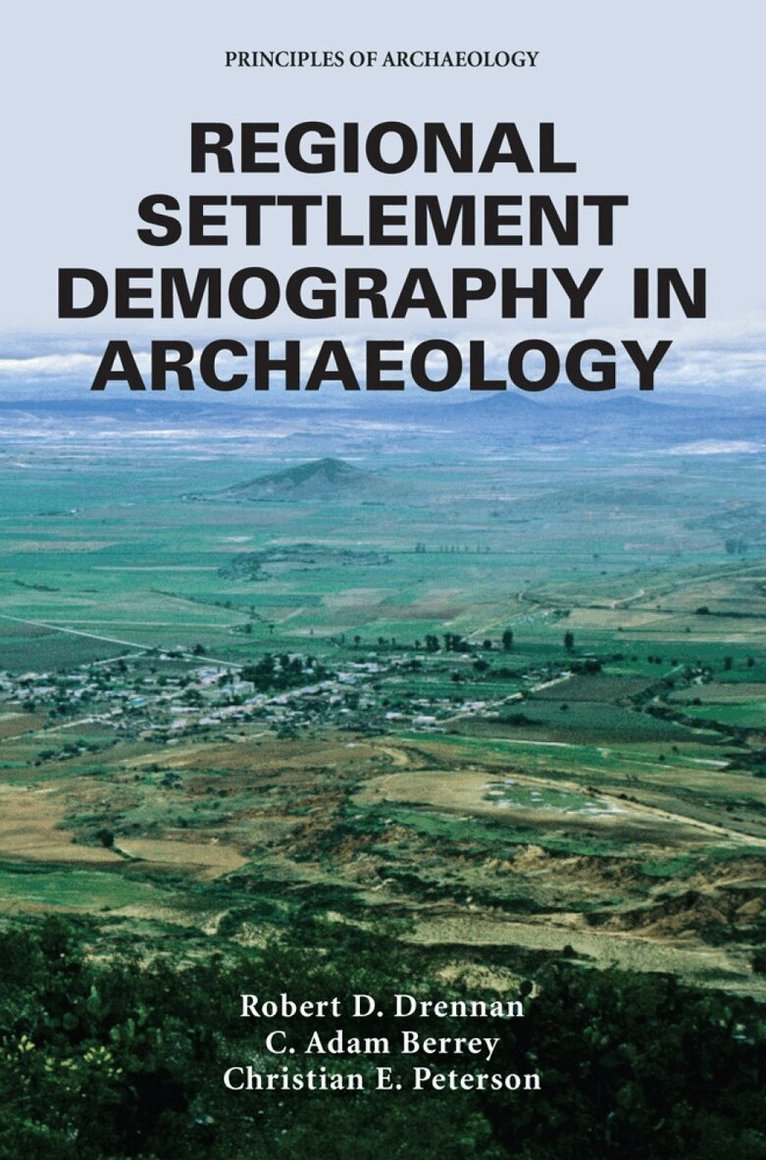
Archaeological analysis at the regional scale investigates the past by studying how people distributed themselves and their activities across a landscape of hundreds or thousands of square kilometers. Archaeological field survey methods developed over half a century combine with powerful new quantitative tools for spatial analysis (including GIS) to unleash new potential for identifying and studying ancient local communities and regional polities. Varied approaches to estimating regional population sizes in both relative and absolute terms are synthesized and their advantages and disadvantages assessed. Tools for quantitative analysis of regional demographic data are presented. Field survey methods developed around the world are compiled from widely scattered sources and best practices for collecting archaeological data to sustain demographic analysis are delineated. Concepts for improved sampling design in regional survey work are derived from fundamental statistical principles. In conclusion, promising directions for future methodological development are identified.
486 kr
Skickas inom 5-8 vardagar
During the last two decades, zooarchaeologists have increasingly focused aspects of their work on conservation biology.Zooarchaeological data represents an empirical record of past human-animal interactions, which provides conservation with a deep temporal perspective. There are many challenges that face the archaeologist as conservation biologist, however, that have little to do with deep time, faunal remains, and zooarchaeological method and theory.This book uses a series of case studies with which each of the authors has relevant personal experience to explore the types of interdisciplinary challenges that zooarchaeologists face when crossing into the world of environmental management and animal conservation. Never has there been a greater need for multi-vocal perspectives in conservation biology. This book shows zooarchaeologists how to use zooarchaeological perspectives to help meet those needs, while crossing traditional academic disciplinary boundaries.
521 kr
Skickas inom 5-8 vardagar
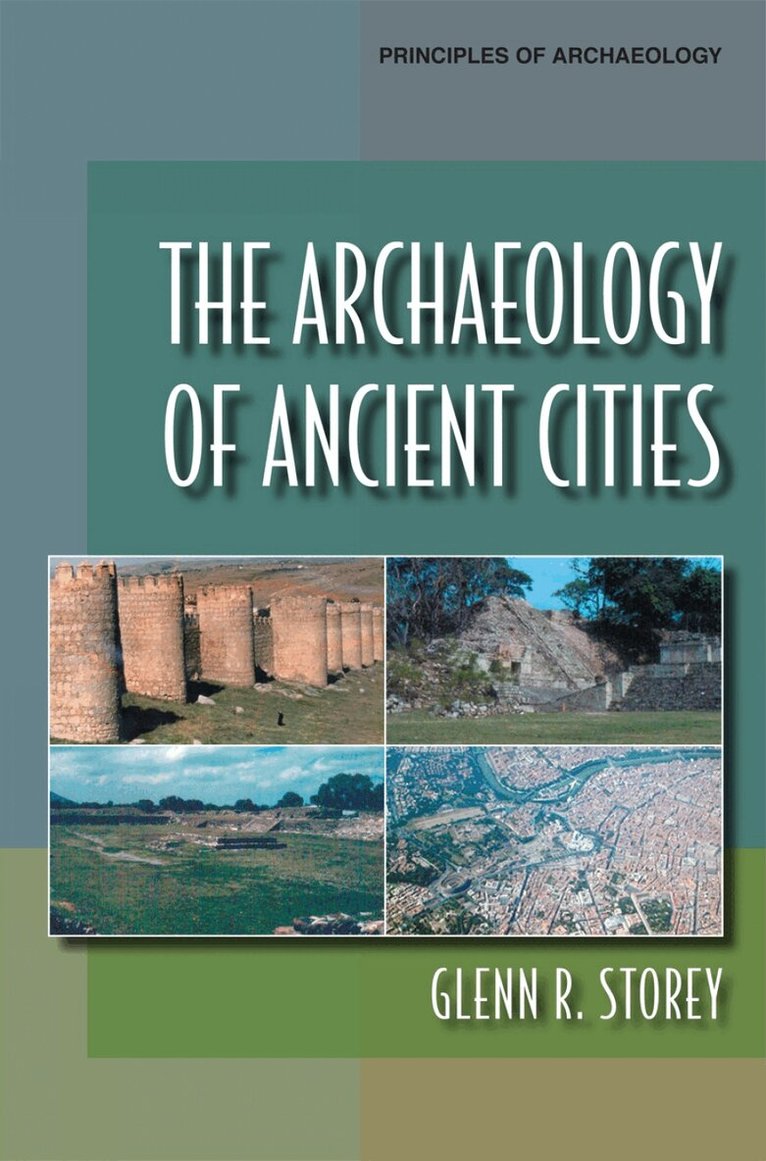
Cities are the largest "artifacts" investigated by archaeologists--entities that have been under academic scrutiny for a long time. Urban places are both physical and social agglomerations, fostering the most intense interaction of any human settlement. Archaeological evidence illustrates how ancient cities worldwide were similar in origin, development, and maturation, showing considerable isomorphism with modern cities.Glenn R Storey explores issues of definition and the essential elements of cities, offers a new heuristic typology of cities, and reviews case studies of six ancient cities (Copan, Great Zimbabwe, Gyeongju, Hierakonpolis, Rome, and Teotihuacan) with illustrative exercises at the end of each chapter. Urban planning, both ancient and modern, helps us understand the explosive increase in human activity in cities.
506 kr
Skickas inom 5-8 vardagar
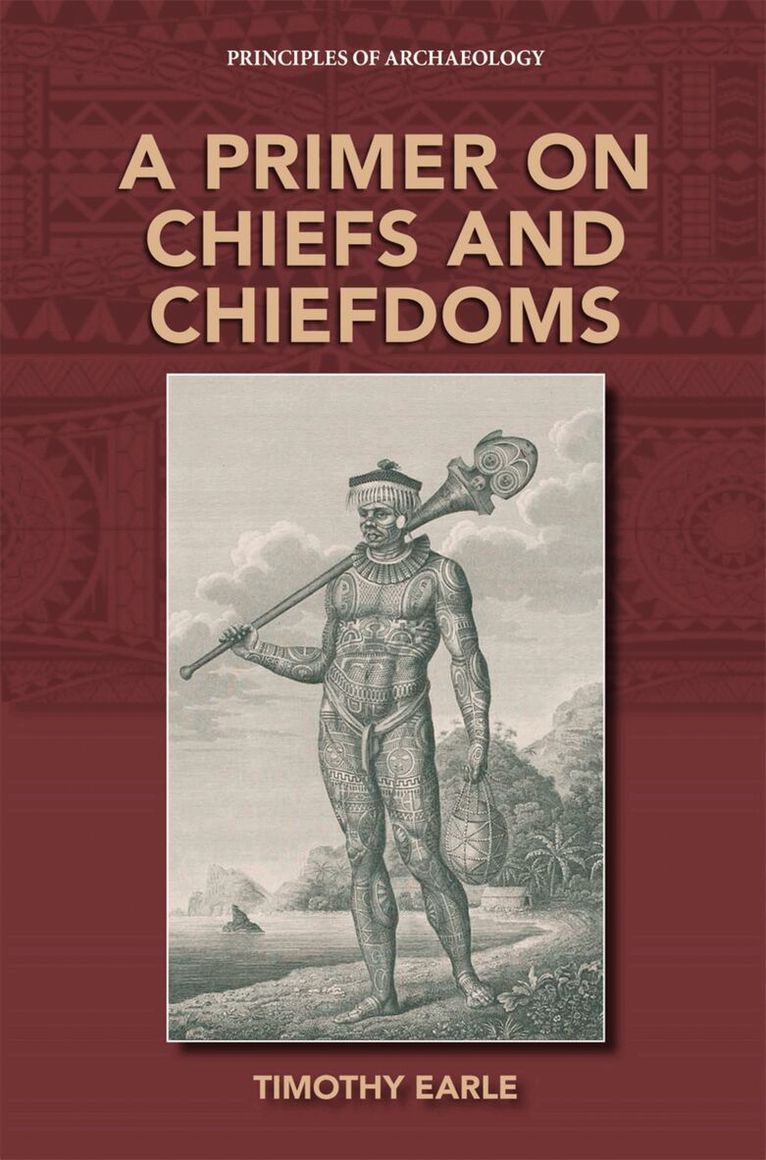
Anthropological archaeology is well suited to pursue the study of chiefs, their leadership institutions (chiefdoms), and long-term historical processes. In this book Timothy Earle argues that studying chiefdoms is essential to understanding the role of elemental powers in social evolution. He studies chiefs and their power strategies, using as illustrations historically independent prehistoric and traditional societies; he discusses how chiefs continue to exist as powerful actors within modern states. Chiefs are political operatives who hold titles of leadership over groups larger than intimate kin-based communities; although they rule with the consent of their group, they are all about building personal power and respect. Many scholars have viewed chiefs as problem solvers: defending groups against aggressors, resolving disputes, providing support under hardship, organizing labour for community projects, and redistributing goods among those in need. Chiefs do these things, but much of what they do is to accumulate benefits for themselves, staying in power and legitimizing control.
521 kr
Skickas inom 5-8 vardagar
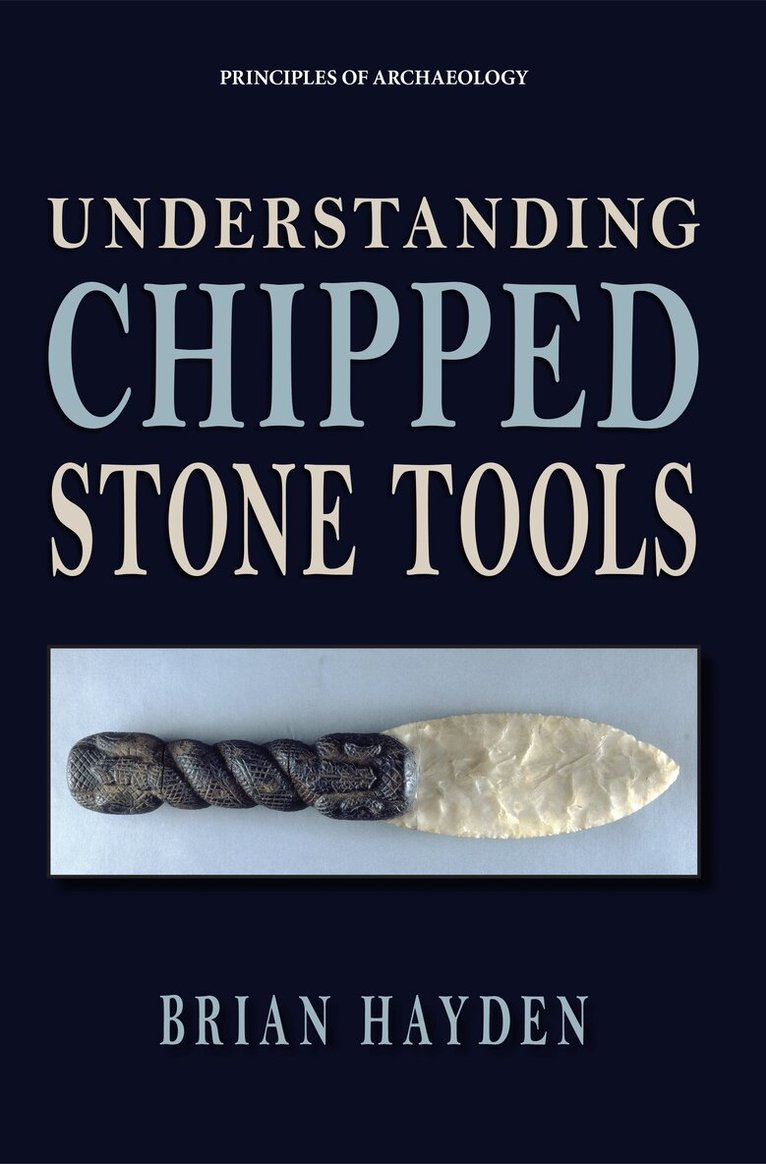
This is a unique and engaging book on prehistoric stone tools. It advocates an experiential approach in which analysts try to understand stone tool designs from the users' perspectives, and employs a universal logic of designing tools to solve practical problems and evaluate possible solutions. However, to do so it is also necessary to understand how stone can be mechanically modified to serve specific functions. The author enlists a rich array of ethnographic observations and his considerable background as a flintknapper to show the basic ways in which stones can be flaked and modified and what these characteristics can reveal about prehistoric problem-solving strategies and design constraints. This is an invaluable primer for anyone contemplating the study of prehistoric stone tools.