Profile History of the Ancient World Series – serie
Visar alla böcker i serien Profile History of the Ancient World Series. Handla med fri frakt och snabb leverans.
10 produkter
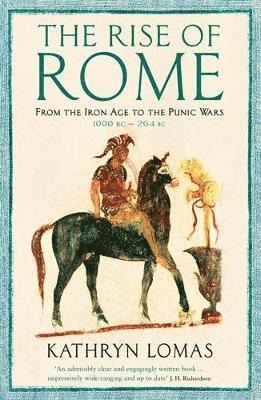
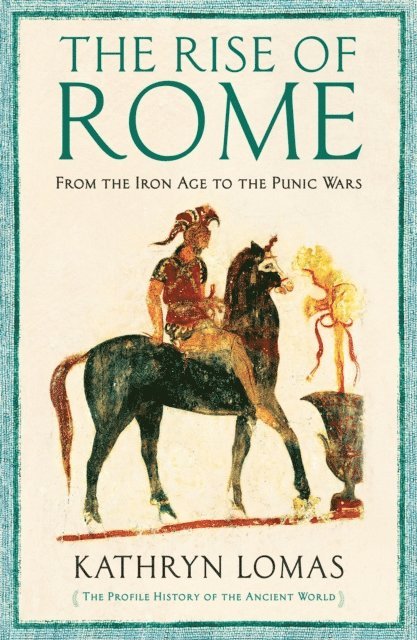
Rise of Rome
From the Iron Age to the Punic Wars (1000 BC – 264 BC)
Häftad, 2018
203 kr
Lägg i varukorg
In the late Iron Age, Rome was a small collection of huts arranged over a few hills. By the third century BC, it had become a large and powerful city, with monumental temples, public buildings and grand houses. It had conquered the whole of Italy and was poised to establish an empire. But how did …
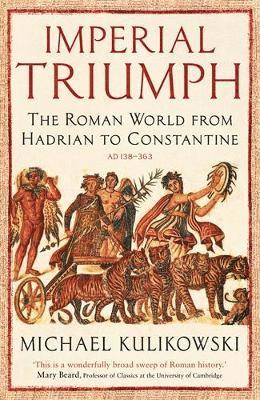
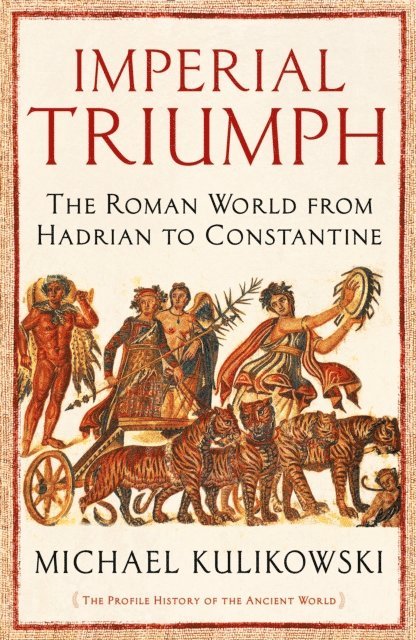
Imperial Triumph
The Roman World from Hadrian to Constantine (AD 138–363)
Häftad, 2018
171 kr
Lägg i varukorg
Imperial Triumph presents the history of Rome at the height of its imperial power. Beginning with the reign of Hadrian in Rome and ending with the death of Julian the Apostate on campaign in Persia, it offers an intimate account of the twists and often deadly turns of imperial politics in which …
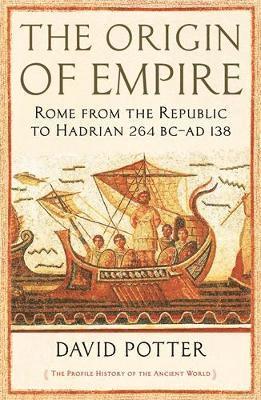
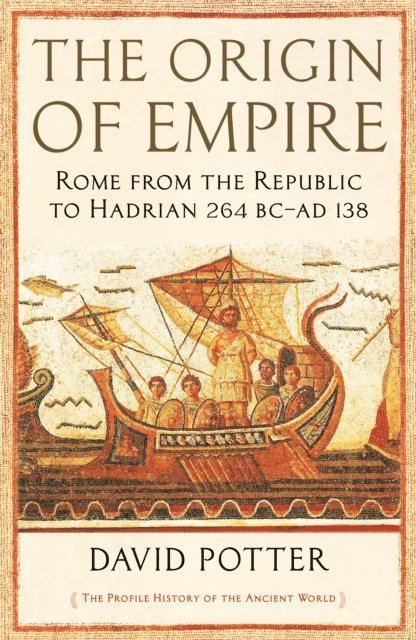
Origin of Empire
Rome from the Republic to Hadrian (264 BC - AD 138)
Av David Potter
Häftad, 2021
167 kr
Lägg i varukorg
In 264 BC, a Roman army was poised to cross from southern Italy into Sicily. They couldn't know that this crossing would be Rome's first step on its journey from local republic to vast and powerful empire. At the beginning of the three dramatic centuries that make up this book's narrative, Rome had …
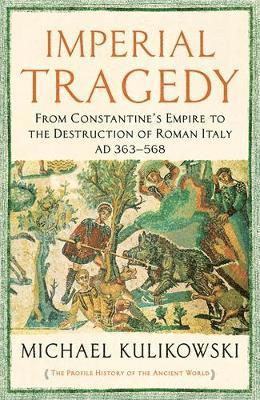
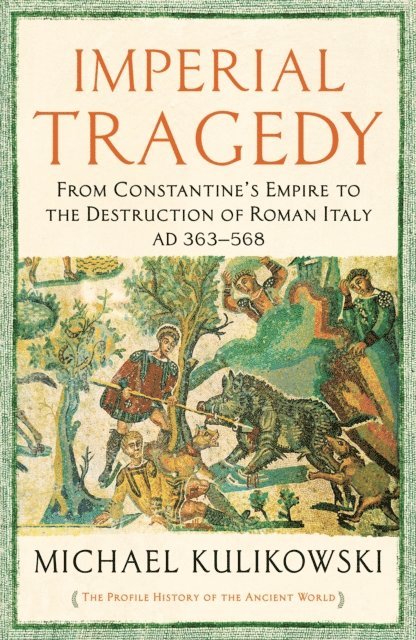
Imperial Tragedy
From Constantine’s Empire to the Destruction of Roman Italy AD 363-568
Häftad, 2021
167 kr
Lägg i varukorg
For centuries, Rome was one of the world's largest imperial powers, its influence spread across Europe, North Africa, and the Middle-East, its military force successfully fighting off attacks by the Parthians, Germans, Persians and Goths. Then came the definitive split, the Vandal sack of Rome, and …
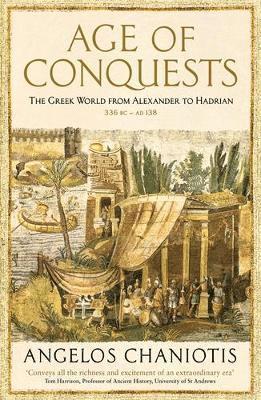
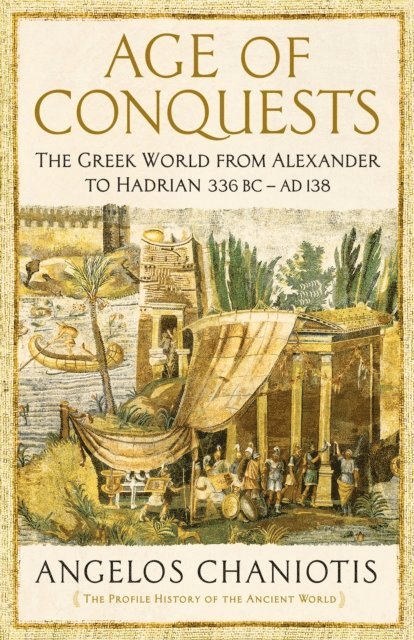
Age of Conquests
The Greek World from Alexander to Hadrian (336 BC – AD 138)
Häftad, 2019
171 kr
Lägg i varukorg
The ancient world that Alexander the Great transformed in his lifetime was transformed once more by his death. The imperial dynasties of his successors incorporated and reorganized the fallen Persian empire, creating a new land empire stretching from the shores of the Mediterranean to as far east …
Imperial Tragedy
From Constantine’s Empire to the Destruction of Roman Italy AD 363-568
E-bok, 2019
177 kr
Lägg i varukorg
For centuries, Rome was one of the world''s largest imperial powers, its influence spread across Europe, North Africa, and the Middle-East, its military force successfully fighting off attacks by the Parthians, Germans, Persians and Goths. Then came the definitive split, the Vandal sack of Rome, …
Age of Conquests
The Greek World from Alexander to Hadrian (336 BC – AD 138)
E-bok, 2018
173 kr
Lägg i varukorg
The ancient world that Alexander the Great transformed in his lifetime was transformed once more by his death. The imperial dynasties of his successors incorporated and reorganized the fallen Persian empire, creating a new land empire stretching from the shores of the Mediterranean to as far east …
Imperial Triumph
The Roman World from Hadrian to Constantine (AD 138–363)
E-bok, 2016
177 kr
Lägg i varukorg
Imperial Triumph presents the history of Rome at the height of its imperial power. Beginning with the reign of Hadrian in Rome and ending with the death of Julian the Apostate on campaign in Persia, it offers an intimate account of the twists and often deadly turns of imperial politics in which …
Origin of Empire
Rome from the Republic to Hadrian (264 BC - AD 138)
Av David Potter
E-bok, 2019
177 kr
Lägg i varukorg
In 264 BC, a Roman army was poised to cross from southern Italy into Sicily. They couldn''t know that this crossing would be Rome''s first step on its journey from local republic to vast and powerful empire. At the beginning of the three dramatic centuries that make up this book''s narrative, Rome …
Rise of Rome
From the Iron Age to the Punic Wars (1000 BC – 264 BC)
E-bok, 2017
171 kr
Lägg i varukorg
In the late Iron Age, Rome was a small collection of huts arranged over a few hills. By the third century BC, it had become a large and powerful city, with monumental temples, public buildings and grand houses. It had conquered the whole of Italy and was poised to establish an empire. But how did …