Provost Series – serie
Visar alla böcker i serien Provost Series. Handla med fri frakt och snabb leverans.
6 produkter
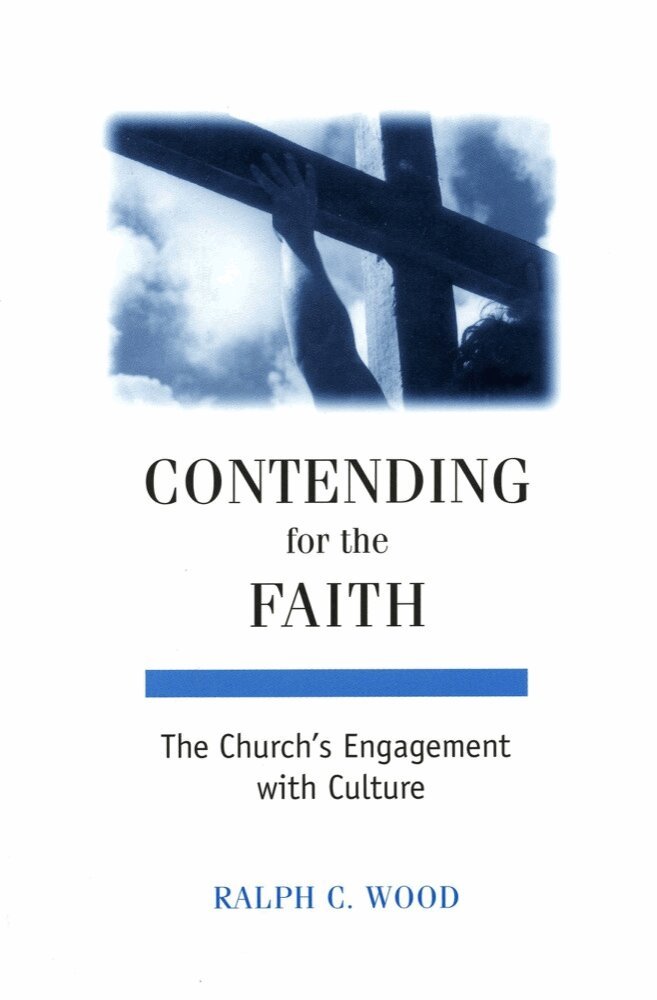
Contending for the Faith
The Church's Engagement with Culture
Häftad, 2003
694 kr
Lägg i varukorg
In this book Ralph Wood calls for churches to offer a sustained an unapologetically Christian witness to a postmodern world. Wood carefully chronicles how the church is watching the complete destruction of post-Christian institutions and practices that once shaped human character toward fulfillment …
Houses of the Interpreter
Reading Scripture, Reading Culture
Inbunden, 2020
1238 kr
Lägg i varukorg
In Houses of the Interpreter, David Lyle Jeffrey explores the terrain of the cultural history of biblical interpretation. But Jeffrey does not merely rest content to chart biblical scholarship and how it has both influenced and been influenced by culture. Instead, he chooses to focus upon the "art" …
Kierkegaard on Faith and the Self
Collected Essays
Inbunden, 2020
770 kr
Lägg i varukorg
Kierkegaard on Faith and the Self represents a rich collection of studies that allow Søren Kierkegaard to speak directly to the questions of contemporary readers. Evans analyzes Kierkegaard as a philosopher, his perspectives on faith, reason, and epistemology, ethics, and his view of the self. …
Houses of the Interpreter
Reading Scripture, Reading Culture
Häftad, 2009
849 kr
Lägg i varukorg
In Houses of the Interpreter, David Lyle Jeffrey explores the terrain of the cultural history of biblical interpretation. But Jeffrey does not merely rest content to chart biblical scholarship and how it has both influenced and been influenced by culture. Instead, he chooses to focus upon the …
Kierkegaard on Faith and the Self
Collected Essays
Häftad, 2010
519 kr
Lägg i varukorg
Kierkegaard on Faith and the Self represents a rich collection of studies that allow Soren Kierkegaard to speak directly to the questions of contemporary readers. Evans analyzes Kierkegaard as a philosopher, his perspectives on faith, reason, and epistemology, ethics, and his view of the self. …
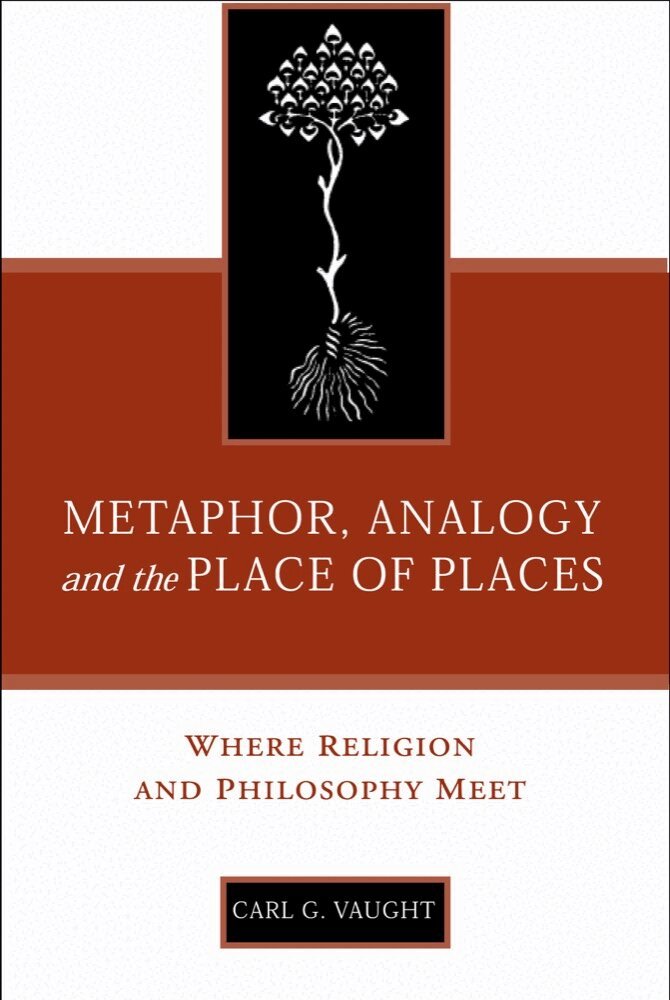
Metaphor, Analogy, and the Place of Places
Where Religion and Philosophy Meet
Inbunden, 2004
430 kr
Lägg i varukorg
Vaught identifies the place where religion and philosophy meet--and he does so in constant conversation with Augustine, Hegel, Heidegger and Jaspers. Vaught argues that both religious and philosophical discourse assume one of four modes: figurative, analytical, systematic, and analogical. Any real …