Quarterbound Cultures Collection - Böcker
Visar alla böcker i serien Quarterbound Cultures Collection. Handla med fri frakt och snabb leverans.
4 produkter
4 produkter
318 kr
Skickas
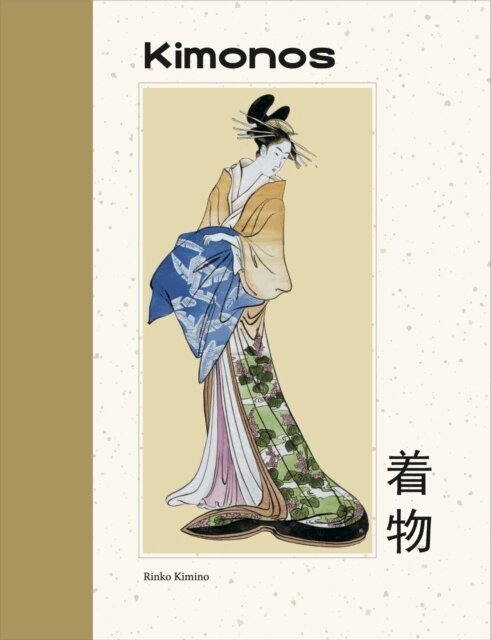
Kimonos reveals the intricacies of Japanese dress from the 3rd century to the present. Including garments for women, men and children, the details have been selected both for their exquisite beauty and craftsmanship, and for how much they impart about the wearer’s identity, be it age, status or taste. A comprehensive introduction, illuminating the main periods and key themes of Japanese fashion history, is followed by thematic chapters that cover all eras of clothing. Each garment or illustration is accompanied by text exploring its structure and the fascinating range of decorative techniques employed, including embroidery, weaving, lacquering, stencilling, dyeing and digital technology. The kimono has a rich history spanning hundreds of years, and is still worn today as fashionable clothing in Japan.
413 kr
Skickas inom 7-10 vardagar
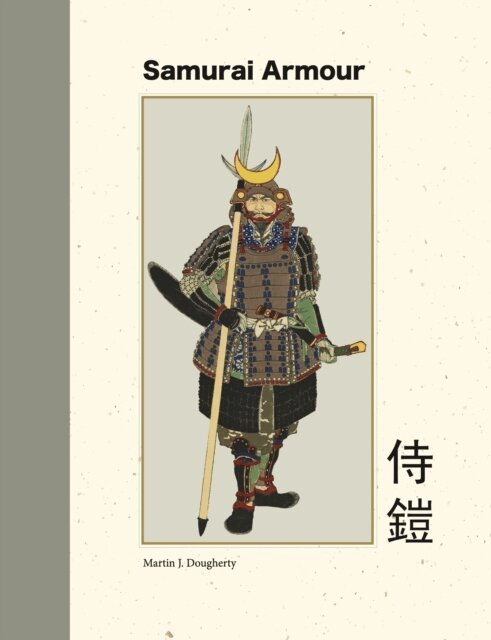
Japanese Samurai were apex warriors, superlative fighters dedicated to their daimyo, or lord, and living according to the principles of bushidō, an honour code that stressed selfless service, martial excellence, valour in battle and implacable determination. Often fighting on horseback and skilled archers, they developed a style of armour which, although changing over time, suited the dexterous combat techniques developed in Japan in the medieval and early modern eras.Samurai Armour provides a vivid and informative guide to the many types of armour worn by Japanese warriors from the 10th to the 19th centuries. Learn about the classic o-Yoroi (‘great armour’), designed for its lightness and flexibility for firing a bow from horseback; understand the development of the haramake (“belly wrap”) armour, worn by the ashigaru men-at-arms – a new class of foot soldier that emerged during the Warring States period (1467–1615); explore the many types of classic Dō-maru, a heavy box-like armour constructed from flexible small scales of leather or metal laced into plates with cord; and see the various armoured elements used by samurai, including highly decorative kabutos (helmets), haidate (thigh guards) which were tied around the waist, and elaborate ornamental mempo (face masks) designed to reflect the personality of the wearer and strike fear into his enemies.With 200 photographs and illustrations covering every aspect of Japanese armour, Samurai Armour provides a compact, accessible guide to this complex, highly decorative protective clothing that still fascinates modern readers.
432 kr
Kommande
Armour has been a key element of protective clothing since the dawn of warfare, with scale mail suits recorded from the Sumerian Empire. Chain mail was widely used by the Roman legions, and thereafter in much of Europe. In the early Medieval period, only professional warriors such as Scandinavian Huscarls and wealthy nobles could afford chain mail. However, in the High Middle Ages, the professional knights and well-drilled men-at-arms came into their own, wearing ever-more complex styles of armour to counter the effects of the longbow, horse archer, crossbow and pike on the battlefield. Medieval Armour provides a vivid and informative guide to the many types of armour worn by Medieval warriors from the 7th to the 15th centuries. Learn about the flexibility of the Carolingian Byrnie, a form of mail shirt made of small interlinking metal rings; understand the difference between the hard leather brigandine breastplate and the Gambeson padded jacket; marvel at the intricate construction of plated mail, where small plates are interwoven with metal wires to create lightweight protection; and explore the many types of helmet used, including the Cervelliere, Bassinet and Barbute. With 180 photographs and illustrations covering every main type of armour from 600–1500, Medieval Armour provides a compact, accessible guide to this highly complex protective clothing that still fascinates modern readers.
432 kr
Kommande
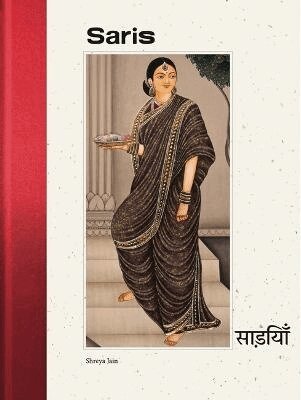
Saris reveals the traditional dress of women in the Indian subcontinent. The word sari is derived from the Sanskrit word 'sarika' which means 'long piece of cloth'. The sari has remained an essential part of culture, tradition and fashion in South Asia and India through many centuries. The sari has a history that dates back more than 3000 years. It was originally worn by Hindu women in ancient India and has been worn by many other cultures since then. There are many different types of traditional saris in India, but they all have a few things in common – they are long pieces of fabric that are wrapped around the body, they can be draped over one shoulder or both shoulders, and can be held together on one side with a belt or pin. Learn more about saris in this comprehensive introduction, illuminating the main periods and key themes of Indian fashion history, followed by thematic chapters that cover all eras of clothing, including hair accessories and necklines to hemlines and shoes. Each garment or illustration is accompanied by text exploring its style and the fascinating range of embroidery, draping, ornamentation, dyeing and materials. The sari has remained a fashionable choice for those living in the Indian subcontinent today.