• Fri frakt över 249 kr
  • •
  • Snabba leveranser
  • •
  • Billiga böcker
Kundservice

Du är på sajten för privatpersoner.

Företag, bibliotek eller offentlig verksamhet?

Du handlar på classic.bokus.com, där alla dina funktioner finns intakta.
Till classic.bokus.com
Bokus logotyp. Gå till startsidan.
  • Erbjudanden
  • Nyheter
  • Student
  • Topplistor
  • Barn & ungdom
  • Bokus Play
  • E-böcker
  • Pocketböcker
  • Spel & pussel

10% rabatt på allt med kod NYSTART10 →

Sidfot

Mina sidor

    Hjälp

    • Kundservice
    • Vanliga frågor och svar
    • Frakt och leverans
    • Retur vid ångerrätt
    • Reklamera vara
    • Betalning
    • Köpvillkor
    • Allmänna villkor
    • Information om webbplatsens tillgänglighet

    Om Bokus

    • Om oss
    • Pressrum
    • För studenter
    • För företag
    • För bibliotek och offentlig verksamhet
    • För leverantörer
    • Hållbarhet

    Populärt

    • Aktuella erbjudanden
    • Presentkort
    • Studentlitteratur
    • Nya böcker
    • Topplistor
    • Signerade böcker
    • Engelska böcker

    Inspiration

    • Boktips
    • BookTok
    • Populära bokserier
    • Barnbokskaraktärer
    • Populära författare
    Logotyp för Bokus
    Följ oss på Facebook (extern länk)Följ oss på Instagram (extern länk)Följ oss på YouTube (extern länk)Följ oss på TikTok (extern länk)
    bokus @ CookiesAnpassa cookiesIntegritetspolicyKöpvillkor
    Till Citymail hemsida (extern länk)Till Budbee hemsida (extern länk)Till Postnord hemsida (extern länk)Till Schenker hemsida (extern länk)Till Early Bird hemsida (extern länk)Till Walleys hemsida (extern länk)
    1. Kultur
    2. Designböcker
    3. Modedesign och textilformgivning

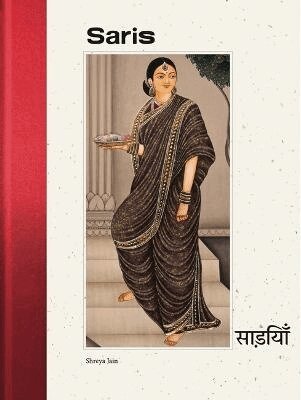
    Saris

    AvShreya Jain

    Inbunden, Engelska, 2026

    Del i serien Quarterbound Cultures Collection

    271 kr

    Kommande

    Beskrivning

    Saris reveals the traditional dress of women in the Indian subcontinent. The word sari is derived from the Sanskrit word 'sarika' which means 'long piece of cloth'. The sari has remained an essential part of culture, tradition and fashion in South Asia and India through many centuries. The sari has a history that dates back more than 3000 years. It was originally worn by Hindu women in ancient India and has been worn by many other cultures since then. There are many different types of traditional saris in India, but they all have a few things in common – they are long pieces of fabric that are wrapped around the body, they can be draped over one shoulder or both shoulders, and can be held together on one side with a belt or pin. Learn more about saris in this comprehensive introduction, illuminating the main periods and key themes of Indian fashion history, followed by thematic chapters that cover all eras of clothing, including hair accessories and necklines to hemlines and shoes. Each garment or illustration is accompanied by text exploring its style and the fascinating range of embroidery, draping, ornamentation, dyeing and materials. The sari has remained a fashionable choice for those living in the Indian subcontinent today.

    Produktinformation

    • Utgivningsdatum:2026-09-15
    • Mått:212 x 276 x 23 mm
    • Vikt:1 050 g
    • Format:Inbunden
    • Språk:Engelska
    • Serie:Quarterbound Cultures Collection
    • Antal sidor:224
    • Förlag:Amber Books Ltd
    • ISBN:9781838866648

    Utforska kategorier

    • Modedesign och textilformgivning inom Kultur
    • Kulturvetenskap inom Samhälle och politik
    • Asiens historia inom Historia och arkeologi

    Mer om författaren

    Shreya Jain is a visual artist and writer from India, driven by a need for independence and a refusal to stay small. She grew up in a culture that asked for obedience and prized silence over truth, but has always been drawn to what is wild, unfinished, and real. Her creative practice lives in that tension: between structure and chaos, tradition and rebellion, silence and voice. Rooted in fashion and documentary styles, Jain's visual work is narrative-driven, using quiet tension, subtle mystery, and thoughtful composition to reflect the essence of human experience. As she writes her first book, she aims to bring the same sensitivity and storytelling instinct into language — exploring themes of identity, resistance, and becoming.

    Innehållsförteckning

    • Introduction: Threads of Time: A Prologue An introduction to Saris - memory, as heirloom, as identity. This opening chapter sets the stage, introducing the sari not just as a garment, but as a living symbol of identity, heritage, and resilience. It will briefly trace the timeless allure of the sari, hinting at its role across centuries as a cultural thread binding generations of women across the subcontinent.1. The Loom of History: Weaving the Past This section delves into the ancient origins of the sari—its presence in mythology, art, and historical records. It would explore how the sari evolved through various dynasties, trade routes, and regional influences, establishing it as a garment entwined with India’s historical fabric.2. The Artisan’s Voice: How Saris Are Made Highlighting the hands behind the weave, this chapter gives voice to the weavers, dyers, and designers. It details the intricate processes of sari-making—from raw fiber to finished textile— while illuminating the regional techniques that give each sari its distinct character.3. Draped in Diversity: A Journey Through the States A visual and cultural journey through India's states, showcasing how different regions interpret the sari. Expect rich depictions of textiles like Kanjeevaram, Banarasi, Chanderi, Paithani, and others—each embodying local customs, climates, and aesthetics.4. Beyond Borders: Stories from Neighbours This chapter widens the lens to explore how the sari traversed borders—both geographical and metaphorical. Showcase the different regions outside India - i.e, Sri Lanka, Bangladesh etc that share this historic fabric with their own story.5. Fabric of Change: The Sari in Modern Times Carrying forward a tradition that lives, breathes, and evolves. Concluding with the sari’s role in today’s rapidly changing world. This section looks at the sari in movements of sustainability, gender identity, and fashion reinvention—examining how tradition meets innovation, and how young designers and wearers are reimagining the sari for future generations.6. International RecognitionConclusion