Queer Futures - Böcker
Visar alla böcker i serien Queer Futures. Handla med fri frakt och snabb leverans.
3 produkter
3 produkter
1 670 kr
Skickas inom 3-6 vardagar
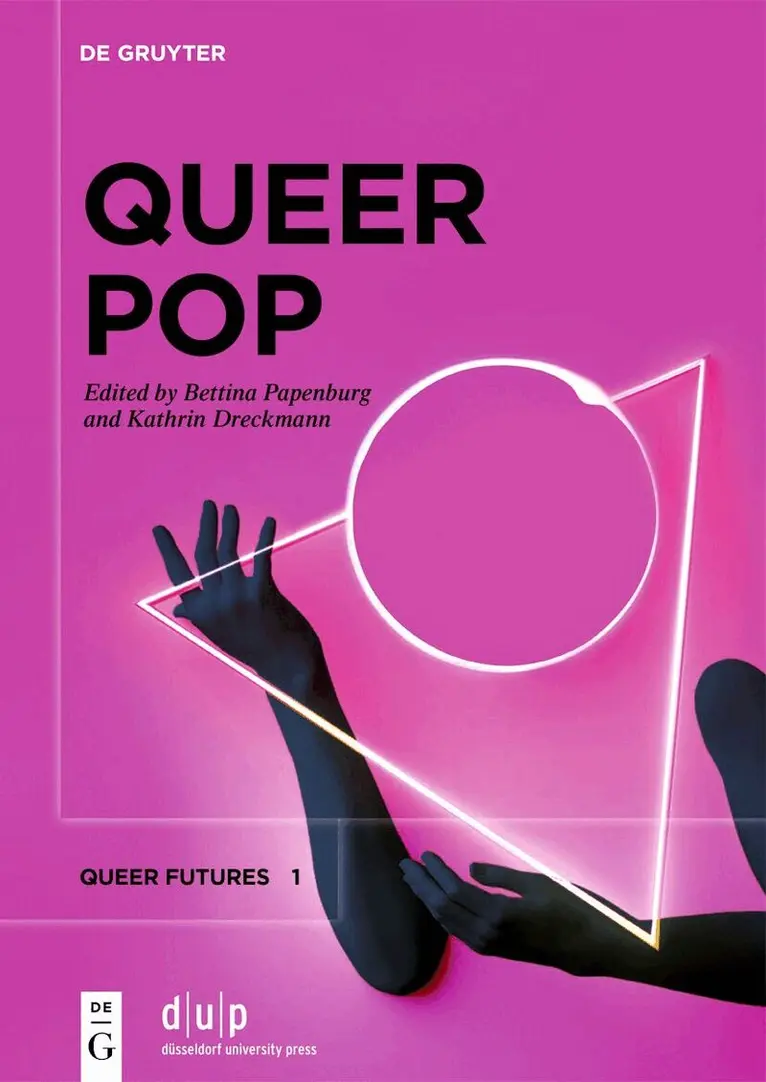
Popular culture encompasses and draws on a rich history of works by musicians, filmmakers, writers, photographers, and performers who question the contours of traditional sexual and gender identities, including but not limited to members of LGBTQIA* communities. When encountered on the stage or screen, for instance, in the guise of drag performances, forms of sexual ambiguity often spark fascination. Yet in everyday life in various socio-cultural contexts, sexual and bodily difference in all its forms is still met with hostility, rendering vulnerable those human beings that deviate from the white, male, straight, able-bodied norm. Queer artists today respond to social stigma in multiple creative ways, for example, by transforming negative affect, fostering a politics of care, and rewriting history. This volume considers how feminist, queer, and trans* musicians, filmmakers, curators, and performance artists contribute to popular culture. It explores the many ways of relating to difference, however this is conceived, that their contributions enable. What affects do their works engender? How do they rouse their audience, and to what ends? How do they fabricate and circulate provocative messages about new forms of gender, race, class, and desire? What other visions do they inspire?
1 594 kr
Skickas inom 3-6 vardagar
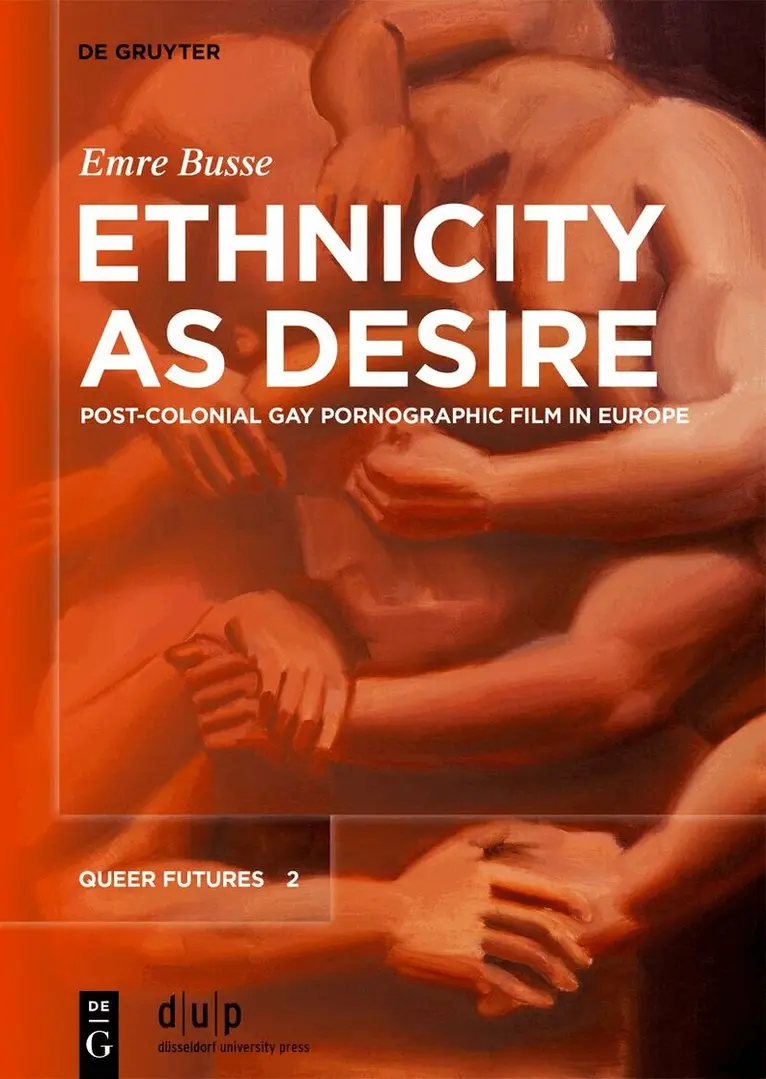
What can ethnic differences tell us about the desiring gaze while addressing the motives that result from the power and desire in gay ethnic pornography in Europe? How do pornographic films authenticate their ethnic subject in different European countries and how can the fetishism of presenting an authentically foreign body be best approached? Is the transformation of sex tourism, which affects countries differently, reflected through the ever-evolving history of gay pornography in Europe? And how does this transformation contrast or overlap with the legacies of Orientalism and colonialism? In addressing these questions, this book will participate in ongoing debates concerning Orientalism and colonialism, and make a contribution to the growing field of pornography studies. While recent works by scholars have considered the relation between US mainstream gay pornography and its representations of ethnicity and ‘race,’ and have also discussed examples from Europe (predominantly France), no historical study has yet bridged the gap between earlier European gay ethnic pornography and its current, specifically German-Turkish manifestations. Furthermore, this exploration of recent studios like GayHeim will also contribute to discussions on the mobility issues of non-European men, while illustrating how these new productions can be refugee—or migrant—positive while simultaneously perpetuating Orientalism.
292 kr
Skickas inom 3-6 vardagar
Popular culture encompasses and draws on a rich history of works by musicians, filmmakers, writers, photographers, and performers who question the contours of traditional sexual and gender identities, including but not limited to members of LGBTQIA* communities. When encountered on the stage or screen, for instance, in the guise of drag performances, forms of sexual ambiguity often spark fascination. Yet in everyday life in various socio-cultural contexts, sexual and bodily difference in all its forms is still met with hostility, rendering vulnerable those human beings that deviate from the white, male, straight, able-bodied norm. Queer artists today respond to social stigma in multiple creative ways, for example, by transforming negative affect, fostering a politics of care, and rewriting history. This volume considers how feminist, queer, and trans* musicians, filmmakers, curators, and performance artists contribute to popular culture. It explores the many ways of relating to difference, however this is conceived, that their contributions enable. What affects do their works engender? How do they rouse their audience, and to what ends? How do they fabricate and circulate provocative messages about new forms of gender, race, class, and desire? What other visions do they inspire?