Race and Ethnicity in the American West – Serie
Visar alla böcker i serien Race and Ethnicity in the American West. Handla med fri frakt och snabb leverans.
6 produkter
6 produkter
239 kr
Skickas inom 10-15 vardagar
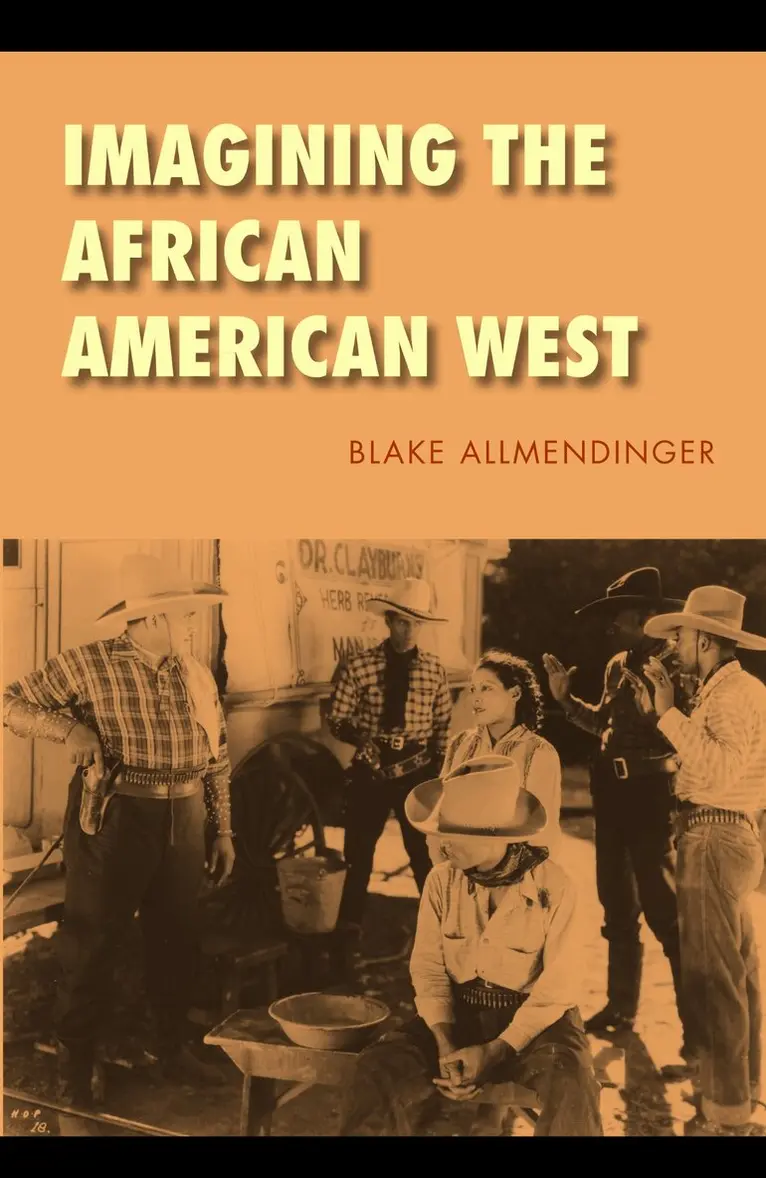
The literature of the African American West is the last racial discourse of the region that remains unexplored. Blake Allmendinger addresses this void in literary and cultural studies with Imagining the African American West—the first comprehensive study of African American literature on the early frontier and in the modern urban American West. Allmendinger charts the terrain of African American literature in the West through his exploration of novels, histories, autobiographies, science fiction, mysteries, formula westerns, melodramas, experimental theater, and political essays, as well as rap music and film. He examines the histories of James P. Beckwourth and Oscar Micheaux; slavery, the Civil War, and the significance of the American frontier to blacks; and the Harlem Renaissance, the literature of urban unrest, rap music, black noir, and African American writers, including Toni Morrison and Walter Mosley. His study utilizes not only the works of well-known African American writers but also some obscure and neglected works, out-of-print books, and unpublished manuscripts in library archives. Much of the scholarly neglect of the "Black West" can be blamed on how the American West has been imagined, constructed, and framed in scholarship to date. In his study, Allmendinger provides the appropriate theoretical, cultural, and historical contexts for understanding the literature and suggests new directions for the future of black western literature.
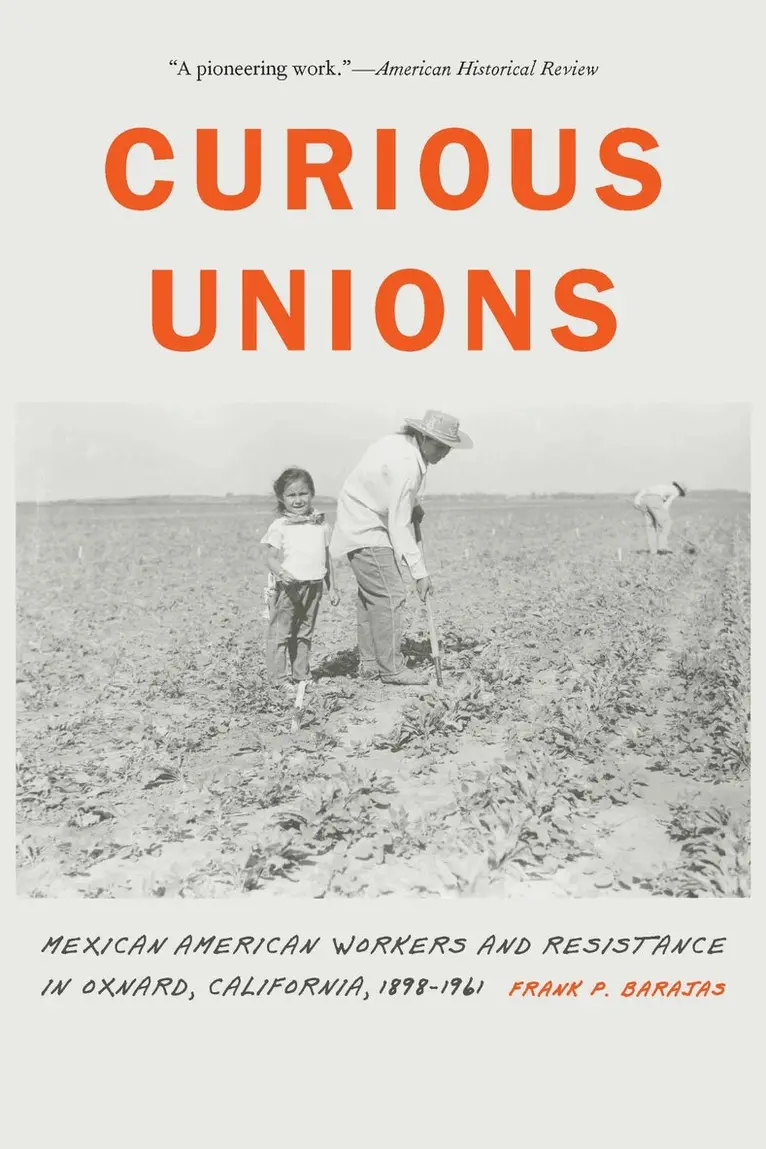
Curious Unions
Mexican American Workers and Resistance in Oxnard, California, 1898–1961
Inbunden, Engelska, 2012
542 kr
Skickas inom 10-15 vardagar
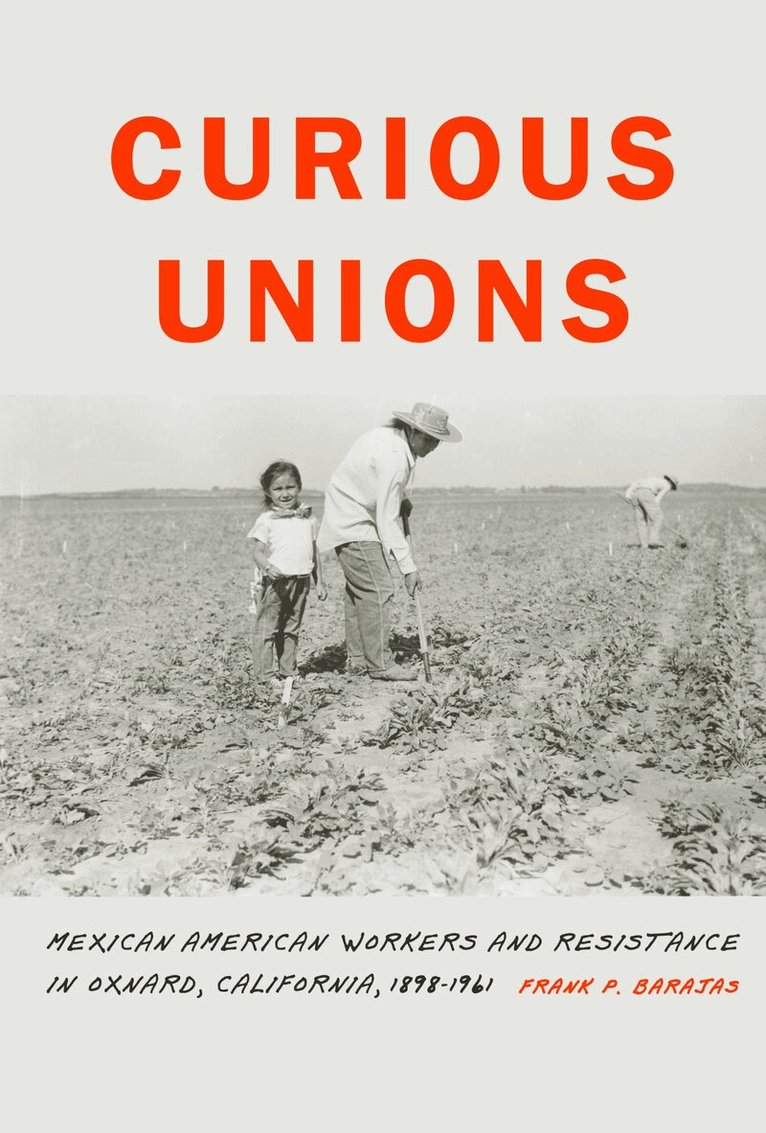
CÉsar E. ChÁvez came to Oxnard, California, in 1958, twenty years after he lived briefly in the city as a child with his migrant farmworker family during the Great Depression. This time ChÁvez returned as the organizer of the Community Service Organization to support the unionization campaign of the United Packinghouse Workers of America. Together the two groups challenged the agricultural industry’s use of braceros (imported contract laborers) that displaced resident farmworkers.The Mexican and Mexican American populations in Oxnard were involved in cultural struggles and negotiations long before ChÁvez led them in marches and active protests. Curious Unions explores the ways in which the Mexican community forged intriguing partnerships with other ethnic groups within Oxnard in the first half of the twentieth century and the resulting economic exchanges, cultural practices, and labor and community activism. Frank P. Barajas examines how the Oxnard ethnic Mexican population exercised its agency in alliance with other groups and organizations to meet their needs before large-scale protests and labor unions were engaged. Curious Unions charts how the cultural negotiations that took place in the Oxnard ethnic Mexican community helped shape and empower farm labor organizing.
241 kr
Skickas inom 10-15 vardagar
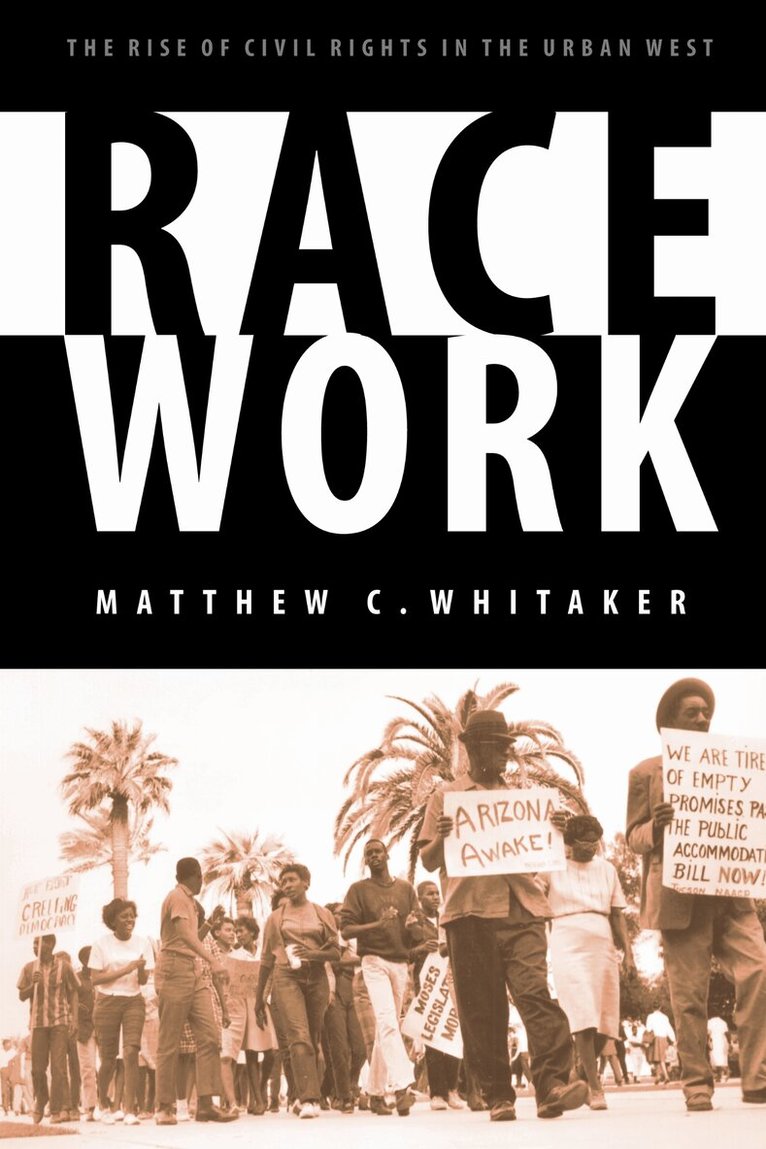
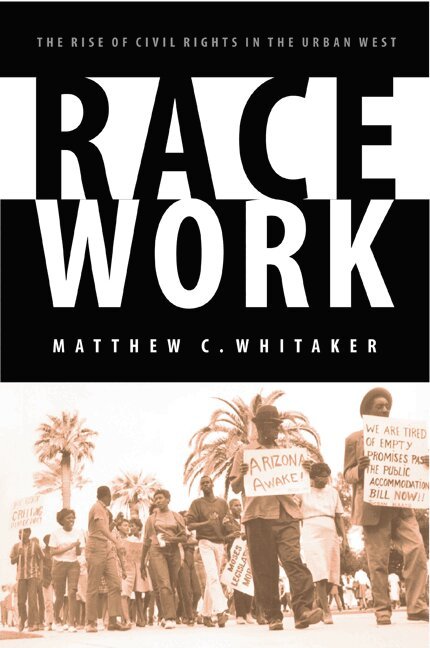
Nearly sixty years ago, Lincoln and Eleanor Ragsdale descended upon the isolated, somewhat desolate, and entirely segregated city of Phoenix, Arizona, in search of freedom and opportunity—a move that would ultimately transform an entire city and, arguably, the nation. Race Work tells the story of this remarkable pair, two of the most influential black activists of the post–World War II American West, and through their story, supplies a missing chapter in the history of the civil rights movement, American race relations, African Americans, and the American West. Matthew C. Whitaker explores the Ragsdales' family history and how their familial traditions of entrepreneurship, professionalism, activism, and "race work" helped form their activist identity and placed them in a position to help desegregate Phoenix. His work, the first sustained account of white supremacy and black resistance in Phoenix, also uses the lives of the Ragsdales to examine themes of domination, resistance, interracial coalition building, race, gender, and place against the backdrop of the civil rights and post–civil rights eras. An absorbing biography that provides insight into African Americans' quest for freedom, Race Work reveals the lives of the Ragsdales as powerful symbols of black leadership who illuminate the problems and progress in African American history, American Western history, and American history during the post–World War II era.
Line Which Separates
Race, Gender, and the Making of the Alberta-Montana Borderlands
Häftad, Engelska, 2005
314 kr
Skickas inom 10-15 vardagar
Nations are made and unmade at their borders, and the forty-ninth parallel separating Montana and Alberta in the late nineteenth century was a pivotal Western site for both the United States and Canada. Blackfoot country was a key site of Canadian and American efforts to shape their nations and national identities. The region's landscape, aboriginal people, newcomers, railroads, and ongoing cross-border ties all challenged the governments' efforts to create, colonize, and nationalize the Alberta-Montana borderlands. The Line Which Separates makes an important and useful comparison between American and Canadian government policies and attitudes regarding race, gender, and homesteading. Federal visions of the West in general and the borderlands in particular rested on overlapping sets of assumptions about space, race, and gender; those same assumptions would be used to craft the policies that were supposed to turn national visions into local realities. The growth of a white female population in the region, which should have "whitened" and "easternized" the region, merely served to complicate emerging categories. Both governments worked hard to enforce the lines that were supposed to separate "good" land from "bad," whites from aboriginals, different groups of newcomers from each other, and women's roles from men's roles. The lines and categories they depended on were used to distinguish each West, and thus each nation, from the other. Drawing on a range of sources, from government maps and reports to oral testimony and personal papers, The Line Which Separates explores the uneven way in which the borderlands were superimposed on Blackfoot country in order to divide a previously cohesive region in the late nineteenth century.
Curious Unions
Mexican American Workers and Resistance in Oxnard, California, 1898–1961
Häftad, Engelska, 2021
324 kr
Skickas inom 10-15 vardagar
CÉsar E. ChÁvez came to Oxnard, California, in 1958, twenty years after he lived briefly in the city as a child with his migrant farmworker family during the Great Depression. This time ChÁvez returned as the organizer of the Community Service Organization to support the unionization campaign of the United Packinghouse Workers of America. Together the two groups challenged the agricultural industry’s use of braceros (imported contract laborers) that displaced resident farmworkers.The Mexican and Mexican American populations in Oxnard were involved in cultural struggles and negotiations long before ChÁvez led them in marches and active protests. Curious Unions explores the ways in which the Mexican community forged intriguing partnerships with other ethnic groups within Oxnard in the first half of the twentieth century and the resulting economic exchanges, cultural practices, and labor and community activism. Frank P. Barajas examines how the Oxnard ethnic Mexican population exercised its agency in alliance with other groups and organizations to meet their needs before large-scale protests and labor unions were engaged. Curious Unions charts how the cultural negotiations that took place in the Oxnard ethnic Mexican community helped shape and empower farm labor organizing.
277 kr
Skickas inom 10-15 vardagar
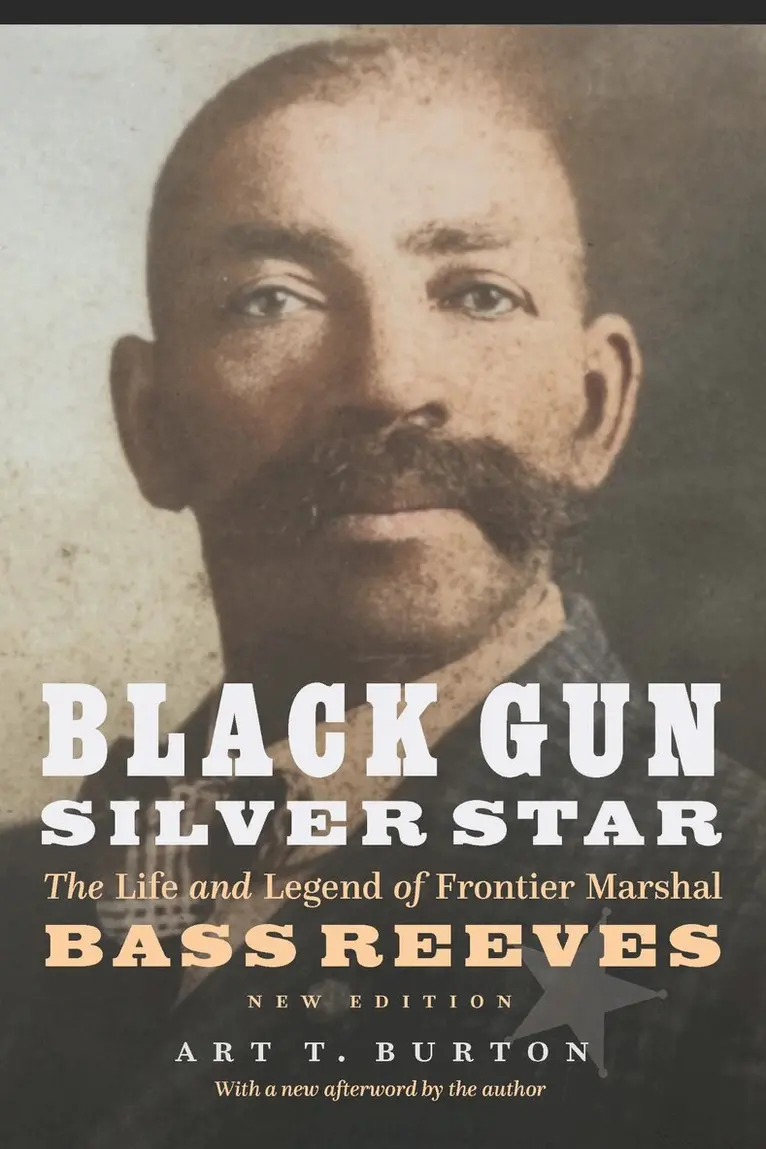
In The Story of Oklahoma, Deputy U.S. Marshal Bass Reeves appears as the “most feared U.S. marshal in the Indian country.” That Reeves was also an African American who had spent his early life enslaved in Arkansas and Texas made his accomplishments all the more remarkable. Black Gun, Silver Star sifts through fact and legend to discover the truth about one of the most outstanding peace officers in late nineteenth-century America-and perhaps the greatest lawman of the Wild West era.Bucking the odds (“I’m sorry, we didn’t keep Black people’s history,” a clerk at one of Oklahoma’s local historical societies answered one query), Art T. Burton traces Reeves from his days of slavery to his Civil War soldiering to his career as a deputy U.S. marshal out of Fort Smith, Arkansas, when he worked under “Hanging Judge” Isaac C. Parker. Fluent in Creek and other regional Native languages, physically powerful, skilled with firearms, and a master of disguise, Reeves was exceptionally adept at apprehending fugitives and outlaws and his exploits were legendary in Oklahoma and Arkansas.In this new edition Burton traces Reeves’s presence in the national media of his day as well as his growing modern presence in popular media such as television, movies, comics, and video games.