Readings in Conservation – serie
Visar alla böcker i serien Readings in Conservation. Handla med fri frakt och snabb leverans.
2 produkter
2 produkter
974 kr
Kommande
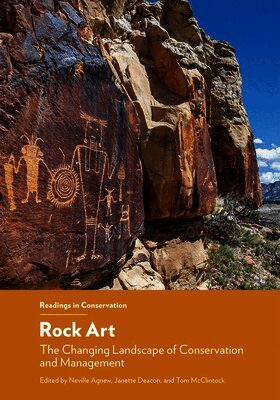
Paintedand engraved marks and images on rock surfaces represent the oldest and mostwidespread form of human expression. Found globally in its originallandscapes, with some images dating back fifty thousand years or more, theworld's rock art constitutes the most important body of latent knowledgeabout our deep past. Today, however, mass tourism, vandalism, theft, landdevelopment, and climate change are posing increasingly dire threats to thisirreplaceable heritage.This richly illustrated volume,the ninth to appear in the Getty Conservation Institute's award-winningReadings in Conservation series, is the first interdisciplinary anthology tofocus on the conservation and management of rock art sites. Its 133 readings surveythe arc of published writings on the subject, ranging from early academictheories and oral narratives of Traditional peoples to an abundant selectionof recent scholarship covering current best practices and advances inportable instrumentation that can be used in the field. The book is dividedinto nine parts. Initial sections probe the origins and significance of theseoften-enigmatic forms, then survey scientific and technological methods ofdating, monitoring, and documenting them. Subsequent readings discuss rockart's physical characteristics and weathering, its importance to Indigenouscommunities, the decolonization of site management, the role of governments,the value of public outreach, and climate change. The volume closes with a selectionof case studies drawn from major sites worldwide.
1 028 kr
Kommande
Oncethe exclusive realm of non-Indigenous curators and conservators, the care ofIndigenous works in museums is now largely carried out either incollaboration with or by community members-a significant change from thecolonial origins of museum collections and conservation practice.This volume brings together over 100 readings-by Indigenous andnon-Indigenous authors from around the world-that trace the development ofthe conservation of Indigenous collections. The writers provide a wide rangeof expertise, from archaeology and ethnography to law, and include communityleaders, anthropologists, and art historians, as well as conservators andcurators.The book begins with an examination of thechanges in terminology that increasingly reflect trust and respect,Indigenous care practices that predate the emergence of museums, and theimpact of policy and legislation on Indigenous art and artifacts. Otherreadings explore the challenges associated with managing large, complexcollections and the changes that resulted from addressing them: thedevelopment of specialized technical approaches, the incorporation ofintangible heritage in conservation agendas, and a broadening view of whatconservation means and how to practice it. IndigenousCollections concludes by looking at new approachesto museums-managed by or jointly with the people most closely connected tothe holdings-and to the future, through innovations in conservationeducation.