Recreational Shakespeare - Böcker
Visar alla böcker i serien Recreational Shakespeare. Handla med fri frakt och snabb leverans.
3 produkter
3 produkter
1 662 kr
Skickas inom 7-10 vardagar
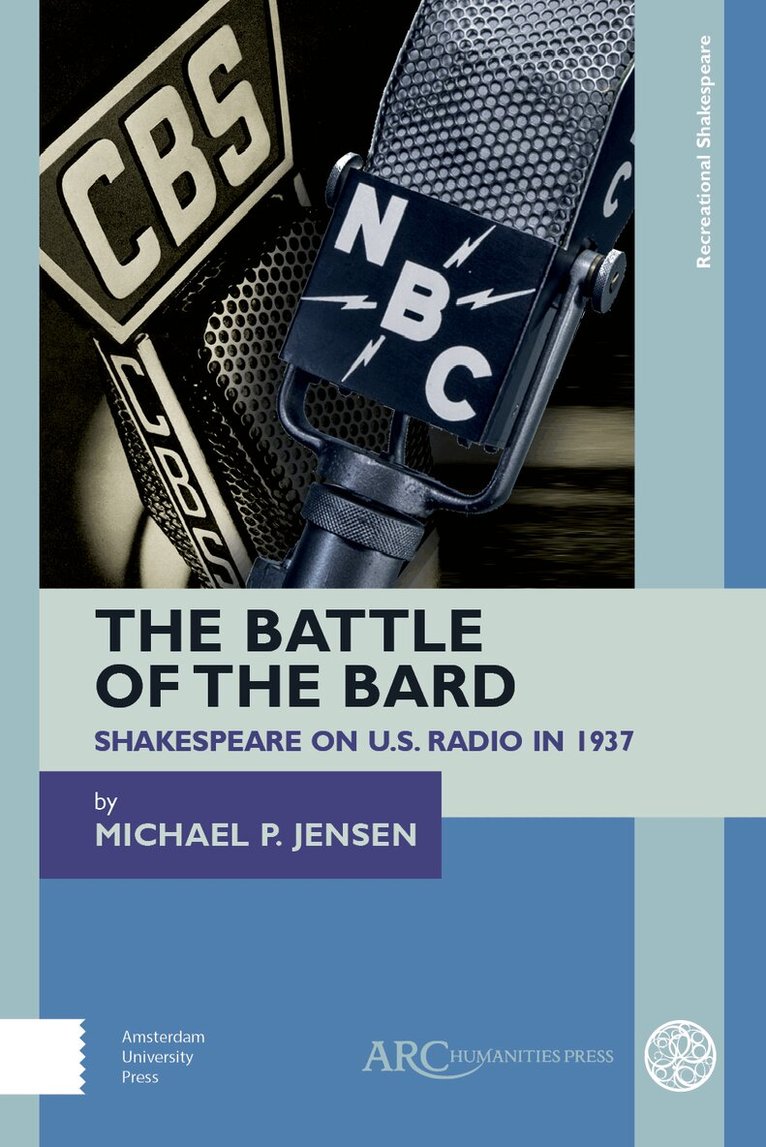
Difficult as it is to imagine today, in 1937 America’s two leading media companies fought over which had the better claim to Shakespeare. The Battle of the Bard explores this episode in US cultural history when NBC and CBS competed to perform Shakespeare for an American audience in a low-risk setting that they hoped would bring prestige to their networks. The resulting fourteen broadcasts are among the more remarkable recreations of Shakespeare of their time. This lively and engaging book shows the cultural dominance of radio at the time, and tells the story of why the networks each wanted to lord Shakespeare’s prestige over the other, how they put their series together, the critical reception, and the cultural impact and legacies of the broadcasts.
1 662 kr
Skickas inom 7-10 vardagar
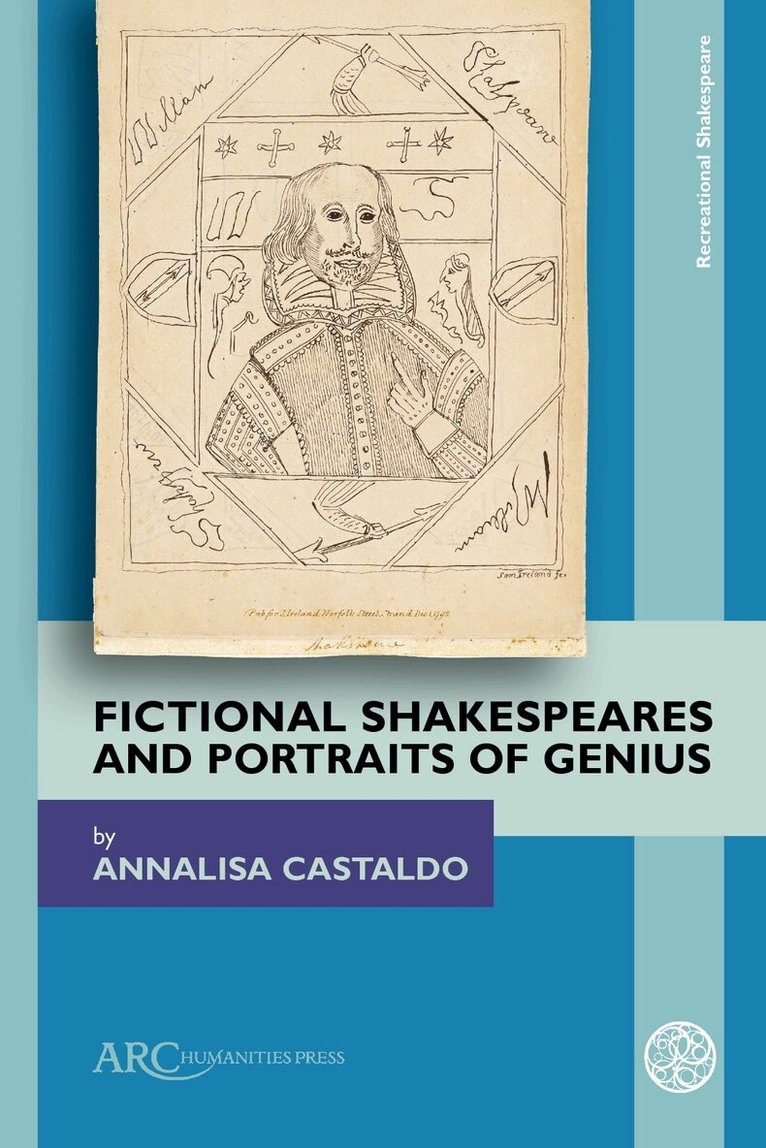
This study is the first to investigate how cultural interpretations of "genius" influence, and are reflected in, fictional portraits of Shakespeare. It explores the wide range of portraits (including children's books, romance novels, graphic novels, and film) that bring Shakespeare to life, and suggests that different portrayals present different conceptions of genius. How does Shakespeare become a genius? How does being a genius affect his life?In some portraits Shakespeare is a man in love with life, fully immersed in the world around him and therefore able to transform the richness of the world into words. But other portrayals present a man cut off from the world, unable to connect to anyone because his creations are more real to him than people, while others suggest that Shakespeare's genius can only be understood as a supernatural or magical gift. In each portrait, Shakespeare mirrors back to us what we believe about what it means to be a genius.
1 662 kr
Skickas inom 7-10 vardagar
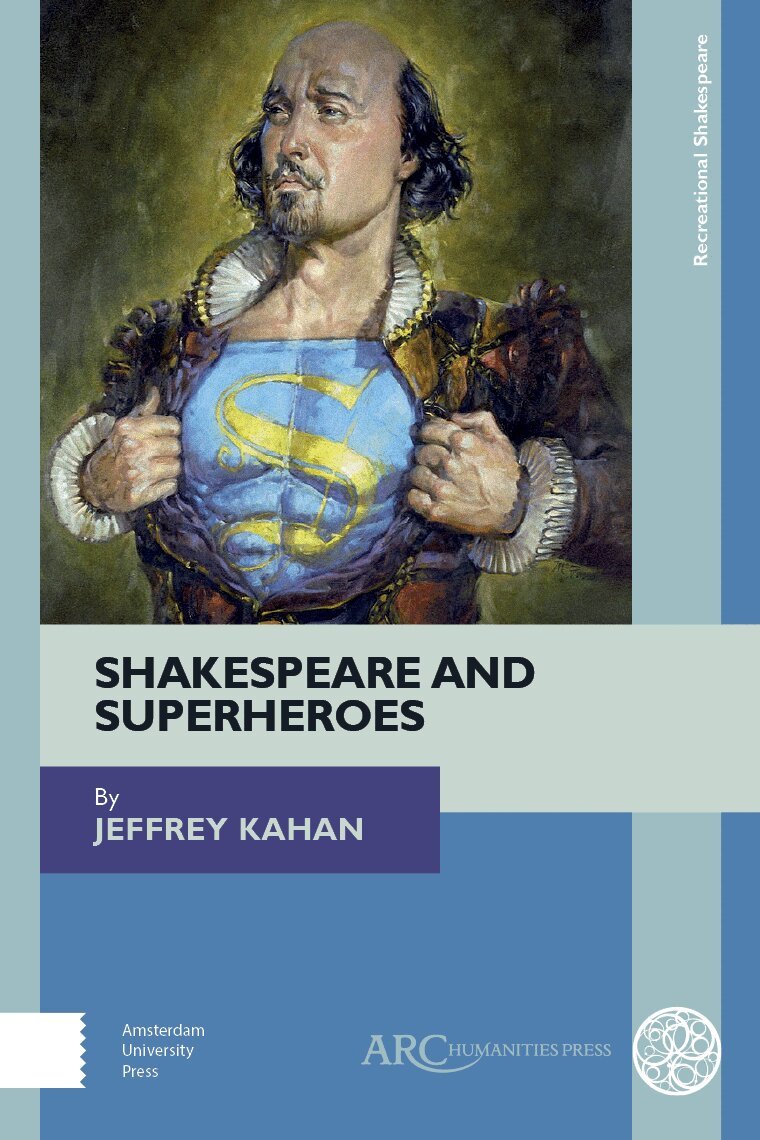
This short book offers a series of thought experiments and invites Shakespeareans to rediscover the wonders and pleasures of fandom. Shakespeare Studies conferences and Comic-Cons are celebrations, unless, of course, the participants involved forget the nature of play. And that, in the instance of formal literary study, is arguably what has happened.Shakespeare and Superheroes does not argue that comic books can or should replace Shakespeare. The goal is to explore both, to think of comics as allusively Shakespearean, telling similar stories, expressing similar concerns, exploring similar values. Readers of Shakespeare and Superman alike may need to re-evaluate their assumptions and hierarchies; Shakespeare and Superheroes encourages all readers to engage in and to respond to literary arguments using their own personal tastes, interests, and experiences. The author argues that the more readers trust themselves, the more they bring of themselves to the text or texts, the greater the rewards.