Religion and the Senses - Böcker
Visar alla böcker i serien Religion and the Senses. Handla med fri frakt och snabb leverans.
10 produkter
10 produkter
1 177 kr
Skickas inom 5-8 vardagar
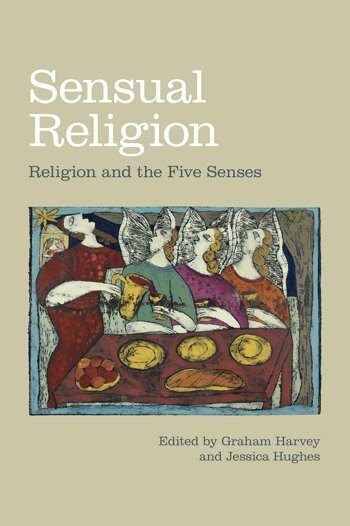
Sensual Religion demonstrates the value of paying attention to the senses and materials in lived religion and also leads the way for improved studies of religion as sensuality. Each of the five senses - vision, hearing, taste, touch and smell - will be covered by two chapters, the first historical and the second contemporary. The historical discussions focus on the sensuality of religion in ancient Greece, Samaria, Rome and Byzantium - including reflections on their value for understanding other historical and contemporary contexts. Chapters with a contemporary focus engage with Chinese, African-Brazilian, Sikh, First Nations and Metis, and Spanish Catholic religious lives and activities. Beyond the rich case studies, each chapter offers perspectives and arguments about better ways of approaching lived, material and performative religion - or sensual religion. Historical and ethnographic critical and methodological expertise is presented in ways that will inspire and enable readers to apply, refine and improve on their practice of the study of religions. In particular, our intention is to foreground the senses and sensuality as a critical issue in understanding religion and to radically improve multi- and inter-disciplinary research and teaching about the lived realities of religious people in this sensual world.
402 kr
Skickas inom 5-8 vardagar
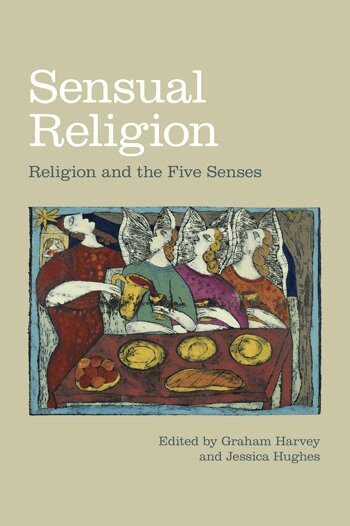
Sensual Religion demonstrates the value of paying attention to the senses and materials in lived religion and also leads the way for improved studies of religion as sensuality. Each of the five senses - vision, hearing, taste, touch and smell - will be covered by two chapters, the first historical and the second contemporary. The historical discussions focus on the sensuality of religion in ancient Greece, Samaria, Rome and Byzantium - including reflections on their value for understanding other historical and contemporary contexts. Chapters with a contemporary focus engage with Chinese, African-Brazilian, Sikh, First Nations and Metis, and Spanish Catholic religious lives and activities. Beyond the rich case studies, each chapter offers perspectives and arguments about better ways of approaching lived, material and performative religion - or sensual religion. Historical and ethnographic critical and methodological expertise is presented in ways that will inspire and enable readers to apply, refine and improve on their practice of the study of religions. In particular, our intention is to foreground the senses and sensuality as a critical issue in understanding religion and to radically improve multi- and inter-disciplinary research and teaching about the lived realities of religious people in this sensual world.
1 177 kr
Skickas inom 5-8 vardagar
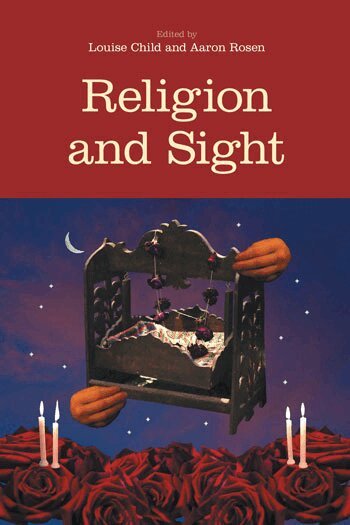
Sight is both celebrated and denigrated in religion. In some contexts it is extolled as a source of knowledge and revelation. In others it is demonized as the road to illusion and idolatry. There is no single way that sight functions in religion, nor indeed a single way to study it. This edited volume brings together scholars from a wide range of disciplines-religious studies, anthropology, art history, film, and philosophy- to shed light on how the sense of sight shapes, and is shaped by, religion. Case studies range across both place and time, from narratives about Medusa in ancient Greek religion to spiritual explanations of sleepwalking in the Enlightenment to rituals of spirit possession in contemporary Brazil. In order to shed light on interconnected issues, the essays are grouped into three sections, moving thematically from darkness into light: 1) Obscurity 2) Altered States 3) Illumination. The contributors seek to avoid some of the historical pitfalls of Western discourses that hierarchize the senses, and in particular privilege and separate sight from the other senses, imagining it as an unimpeachable source of empirical knowledge. They present the ways in which sight transgresses such constructions, whether by being creatively misleading or taking on tactile qualities. Viewed in the context of lived religious experience, sight surfaces in multiple, unbounded ways. In a theoretically rich and self-reflective introduction, the volume editors set the stage by asking questions at the core of our discipline: What do we see, and-just as importantly-how do we see, when we study religion?
401 kr
Skickas inom 5-8 vardagar
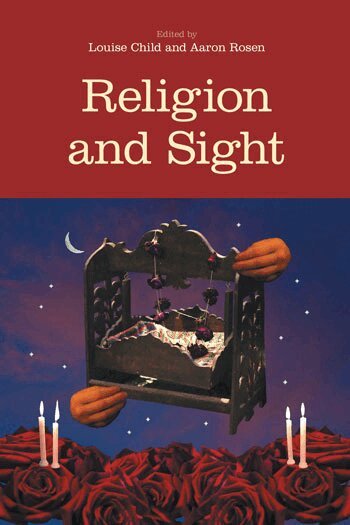
Sight is both celebrated and denigrated in religion. In some contexts it is extolled as a source of knowledge and revelation. In others it is demonized as the road to illusion and idolatry. There is no single way that sight functions in religion, nor indeed a single way to study it. This edited volume brings together scholars from a wide range of disciplines-religious studies, anthropology, art history, film, and philosophy- to shed light on how the sense of sight shapes, and is shaped by, religion. Case studies range across both place and time, from narratives about Medusa in ancient Greek religion to spiritual explanations of sleepwalking in the Enlightenment to rituals of spirit possession in contemporary Brazil. In order to shed light on interconnected issues, the essays are grouped into three sections, moving thematically from darkness into light: 1) Obscurity 2) Altered States 3) Illumination. The contributors seek to avoid some of the historical pitfalls of Western discourses that hierarchize the senses, and in particular privilege and separate sight from the other senses, imagining it as an unimpeachable source of empirical knowledge. They present the ways in which sight transgresses such constructions, whether by being creatively misleading or taking on tactile qualities. Viewed in the context of lived religious experience, sight surfaces in multiple, unbounded ways. In a theoretically rich and self-reflective introduction, the volume editors set the stage by asking questions at the core of our discipline: What do we see, and-just as importantly-how do we see, when we study religion?
1 177 kr
Skickas inom 5-8 vardagar
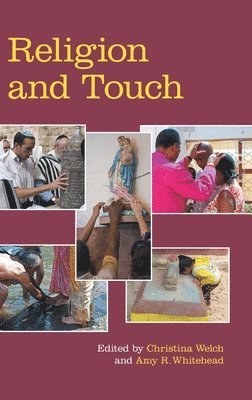
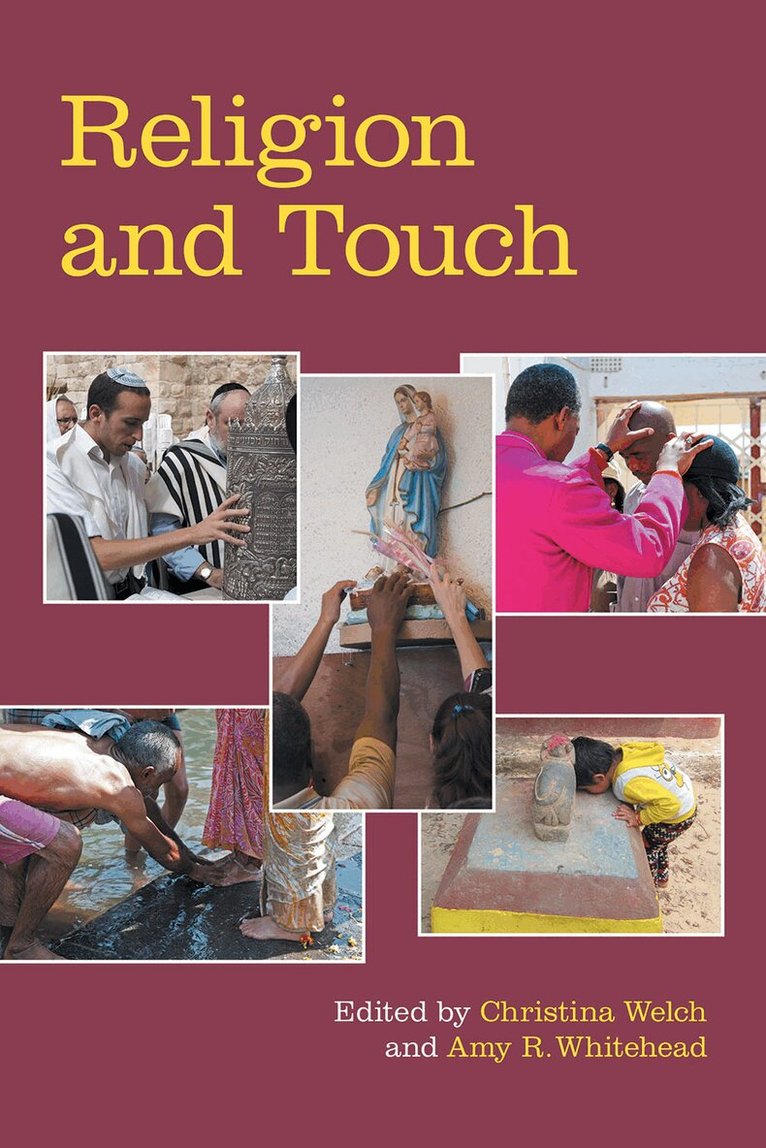
Religion is, at its very root, a sensual and often tactile affair. From genuflections, prayer, dance, and eating, to tattooing, wearing certain garments or objects, lighting candles and performing other rituals, religions of all descriptions involve regular bodily commitments which are mediated by acts of touch.Contributors to this volume have isolated the ‘sense of touch’ from the general sensorium as a particular ‘sense tool’ from which to creatively innovate and operationalize fresh concepts, theories, and methods in relation to a diverse range of case studies in Africa, South America, Polynesia, Europe, and South and Southeast Asia. Common and overlapping themes include how touch mediates direct physical (often deliberate) contact between physical bodies (human and other than human) and the things that are crafted, blessed, related with, engaged with, or worn. Understanding touch as the vehicle to alternative forms of knowledge-making in specific religious contexts is the driving force behind the contributions to this collection.The volume argues that touch is not only an intrinsic part of religion but the principal facilitating medium through which religion, religious encounters and performances take place. The diverse contexts presented here signal how investigations that centralise the body and the senses can produce nuanced, culturally specific knowledges and allow for the development of new definitions for lived religion. By placing both ‘body’ and the sense of touch at the centre of investigations, the volume asserts that material practice and bodily sensation are lived religion.
401 kr
Skickas inom 5-8 vardagar
Religion is, at its very root, a sensual and often tactile affair. From genuflections, prayer, dance, and eating, to tattooing, wearing certain garments or objects, lighting candles and performing other rituals, religions of all descriptions involve regular bodily commitments which are mediated by acts of touch.Contributors to this volume have isolated the ‘sense of touch’ from the general sensorium as a particular ‘sense tool’ from which to creatively innovate and operationalize fresh concepts, theories, and methods in relation to a diverse range of case studies in Africa, South America, Polynesia, Europe, and South and Southeast Asia. Common and overlapping themes include how touch mediates direct physical (often deliberate) contact between physical bodies (human and other than human) and the things that are crafted, blessed, related with, engaged with, or worn. Understanding touch as the vehicle to alternative forms of knowledge-making in specific religious contexts is the driving force behind the contributions to this collection.The volume argues that touch is not only an intrinsic part of religion but the principal facilitating medium through which religion, religious encounters and performances take place. The diverse contexts presented here signal how investigations that centralise the body and the senses can produce nuanced, culturally specific knowledges and allow for the development of new definitions for lived religion. By placing both ‘body’ and the sense of touch at the centre of investigations, the volume asserts that material practice and bodily sensation are lived religion.
1 254 kr
Skickas inom 5-8 vardagar
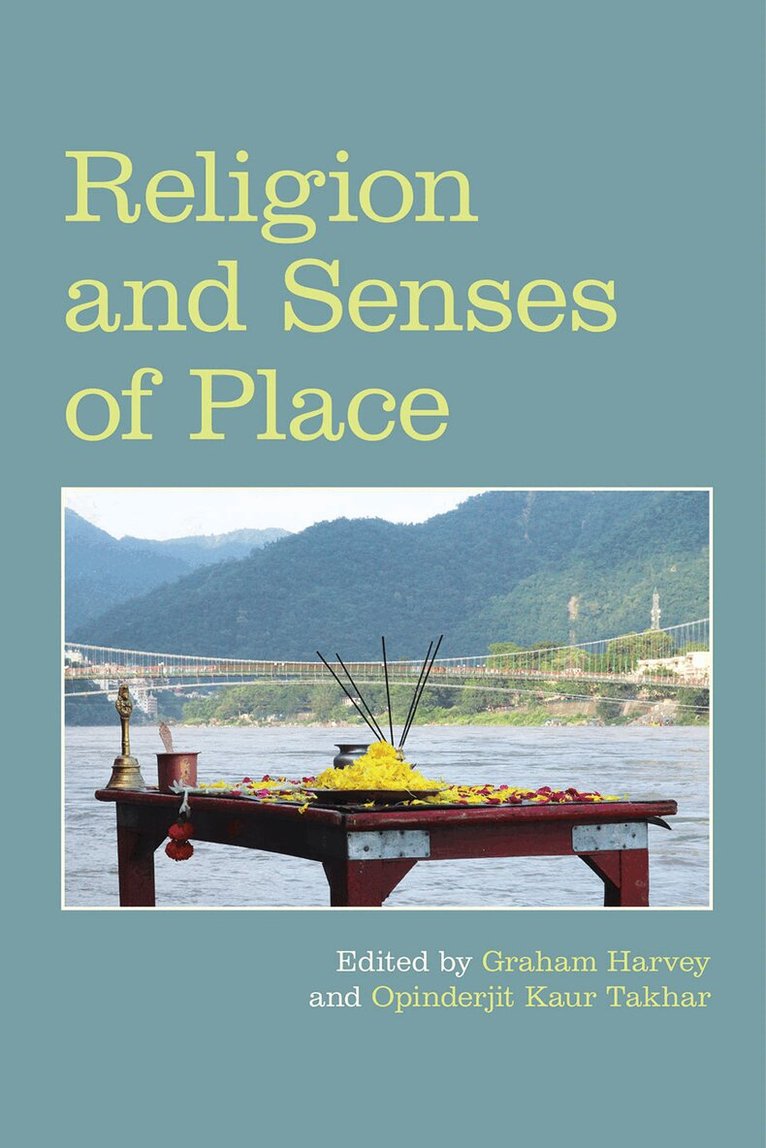
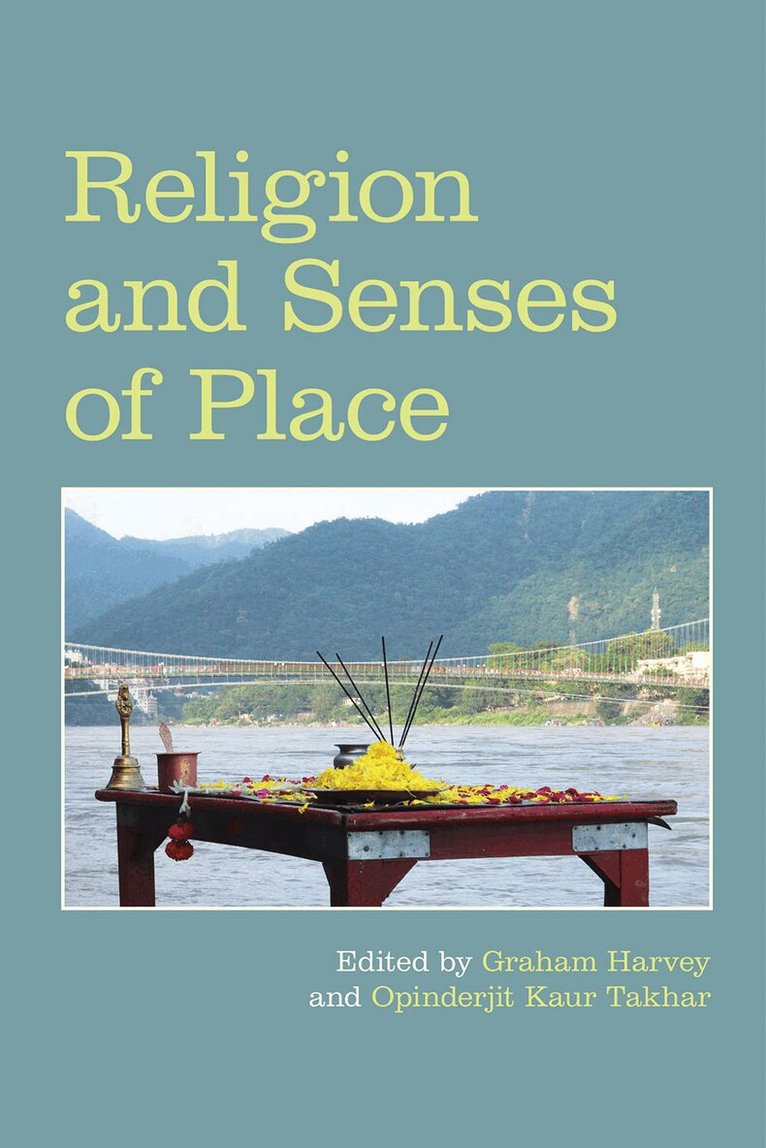
Precisely because religion involves bodily and sensual activities, it happens in places. Indeed, religious locations are among the most vibrant, colourful, dramatic and engaging aspects of many cultures. Religiously important places – even the more austere ones – are richly expressive of all that is important to particular communities – at the same time potentially illustrating all that is objectional to others. Single trees, springs, mountains, rivers or other “found places” are selected as the focal points of some religions’ festivals, ceremonies and narratives. Such activities do not leave such places as they were found but shape them as they continue to shape continuing religious developments.This volume examines senses of place in which people not only perform religious acts in particular places but also understand emplacement / belonging to be key features of their religious practices and identities. Such places include specific local shrines and large territories. Religion and Senses of Place focuses on case studies of religions originating in South Asia and those identifiable as “Indigenous”.A range of phenomena expressive and educative of senses of place are discussed in this volume. They include the presence and presentation of religion in shrines, museums, homes and other places; pilgrimages, diasporas, exiles, dislocations, border crossings, inter-religious performances and other styles of movement; cosmologies; auspicious and inauspicious locations; topophilia and utopianism; and more. The contributions in the volume come from scholars with expertise in a range of approaches and methods in order to illustrate the breadth of possibilities for studying religious senses of place.
432 kr
Skickas inom 5-8 vardagar
Precisely because religion involves bodily and sensual activities, it happens in places. Indeed, religious locations are among the most vibrant, colourful, dramatic and engaging aspects of many cultures. Religiously important places – even the more austere ones – are richly expressive of all that is important to particular communities – at the same time potentially illustrating all that is objectional to others. Single trees, springs, mountains, rivers or other “found places” are selected as the focal points of some religions’ festivals, ceremonies and narratives. Such activities do not leave such places as they were found but shape them as they continue to shape continuing religious developments.This volume examines senses of place in which people not only perform religious acts in particular places but also understand emplacement / belonging to be key features of their religious practices and identities. Such places include specific local shrines and large territories. Religion and Senses of Place focuses on case studies of religions originating in South Asia and those identifiable as “Indigenous”.A range of phenomena expressive and educative of senses of place are discussed in this volume. They include the presence and presentation of religion in shrines, museums, homes and other places; pilgrimages, diasporas, exiles, dislocations, border crossings, inter-religious performances and other styles of movement; cosmologies; auspicious and inauspicious locations; topophilia and utopianism; and more. The contributions in the volume come from scholars with expertise in a range of approaches and methods in order to illustrate the breadth of possibilities for studying religious senses of place.
1 177 kr
Skickas inom 5-8 vardagar
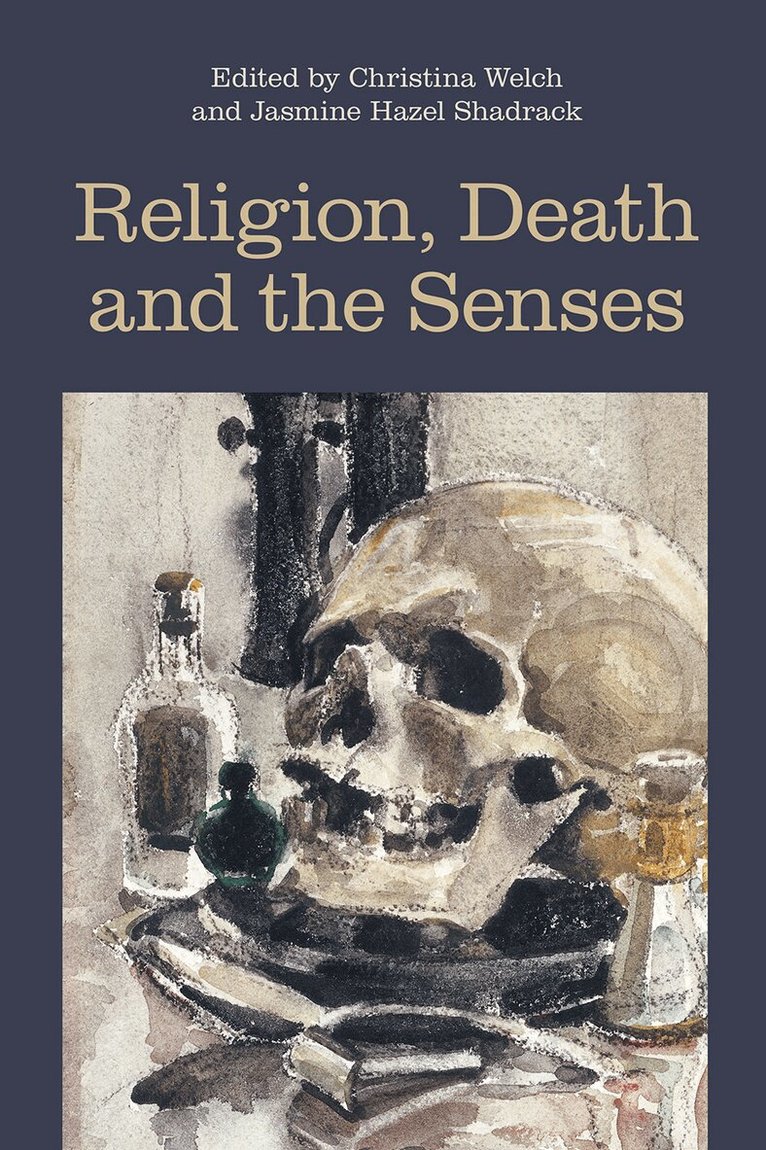
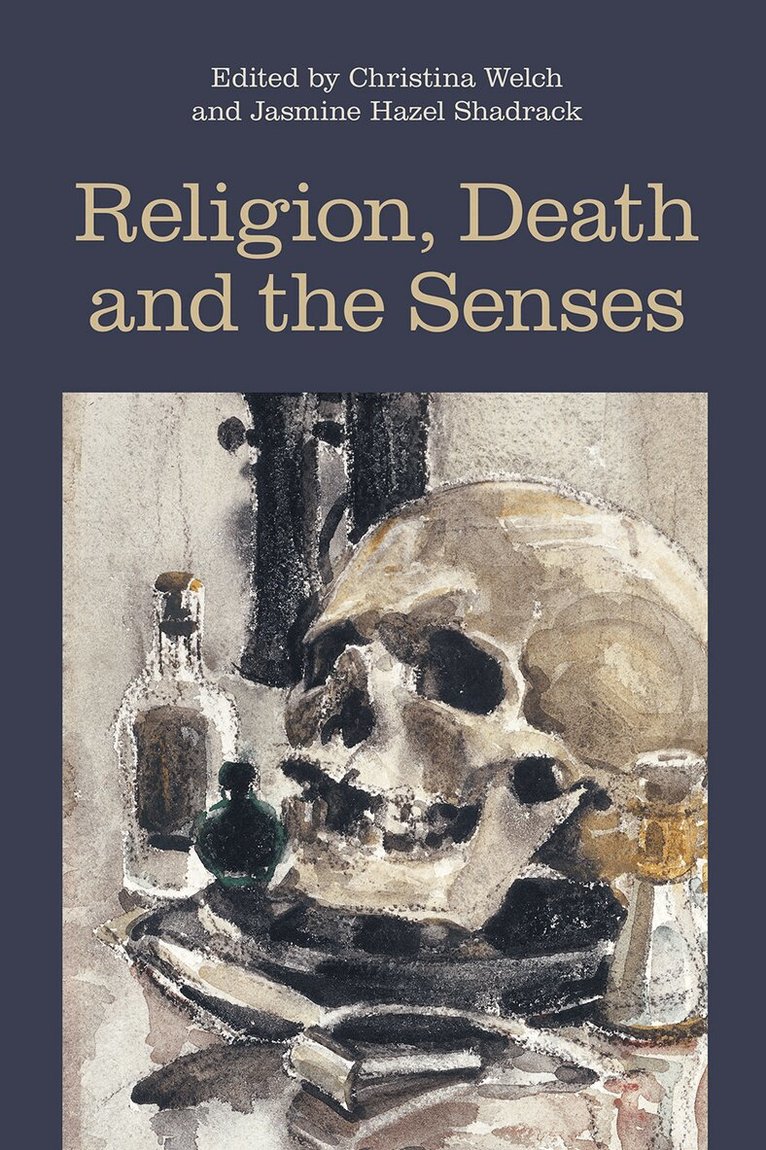
This edited collection brings together academics and practitioners to explore six physical and three socio-cultural senses in relation to death and dying: the senses of sight, of smell, of sound, of taste, of touch, of movement, of decency, of humour, and of loss. Each sense section will comprise two chapters to provide differing examples of how death and dying can be viewed through the lens of human physical and cultural senses. Chapters will include historical and contemporary examples of ways in which death, dying and grieving are inextricable from their physical sensual expressions and socio cultural mores. Most books about death explore how death can be theorised, theologised, and philosophised, or attend to the particular needs of health professionals working in palliative or pastoral care, with little attention to how people engage with and attend to, death, dying and grief sensually. The uniqueness of this collection lies in two areas, firstly its deep engagement with a range of physical and socio-cultural sensual responses to death and dying, and secondly, through its contributors who are drawn from a wide spectrum of professional, practical, and theoretical expertise and scholarship in fields which continue to redefine our understanding of mortality.
401 kr
Skickas inom 5-8 vardagar
This edited collection brings together academics and practitioners to explore six physical and three socio-cultural senses in relation to death and dying: the senses of sight, of smell, of sound, of taste, of touch, of movement, of decency, of humour, and of loss. Each sense section will comprise two chapters to provide differing examples of how death and dying can be viewed through the lens of human physical and cultural senses. Chapters will include historical and contemporary examples of ways in which death, dying and grieving are inextricable from their physical sensual expressions and socio cultural mores. Most books about death explore how death can be theorised, theologised, and philosophised, or attend to the particular needs of health professionals working in palliative or pastoral care, with little attention to how people engage with and attend to, death, dying and grief sensually. The uniqueness of this collection lies in two areas, firstly its deep engagement with a range of physical and socio-cultural sensual responses to death and dying, and secondly, through its contributors who are drawn from a wide spectrum of professional, practical, and theoretical expertise and scholarship in fields which continue to redefine our understanding of mortality.