Religion in Modern Africa - Böcker
Visar alla böcker i serien Religion in Modern Africa. Handla med fri frakt och snabb leverans.
8 produkter
8 produkter
632 kr
Skickas inom 10-15 vardagar
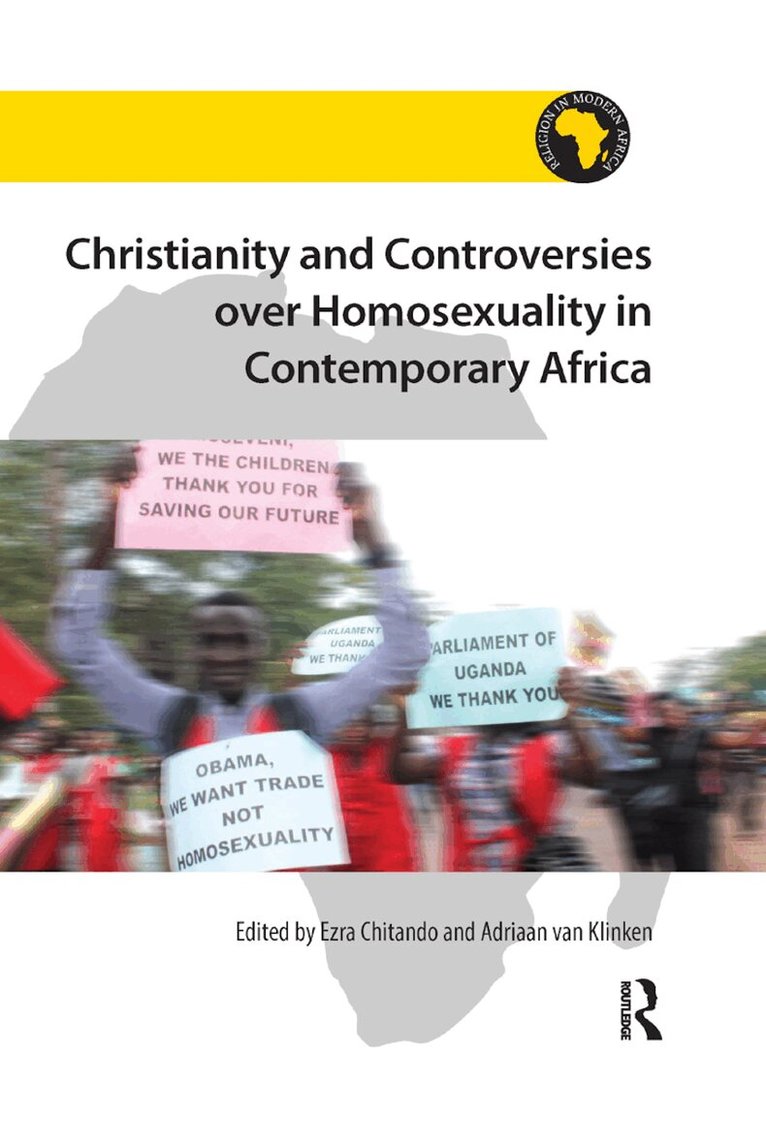
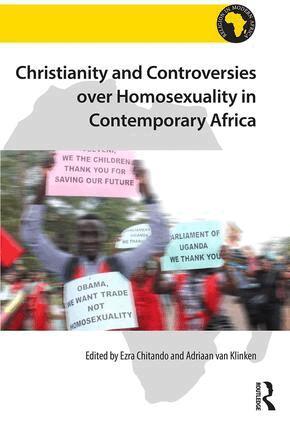
Issues of homosexuality are the subject of public and political controversy in many African societies today. Frequently, these controversies receive widespread attention both locally and globally, such as with the Anti-Homosexuality Bill in Uganda. In the international media, these cases tend to be presented as revealing a deeply-rooted homophobia in Africa fuelled by religious and cultural traditions. But so far little energy is expended in understanding these controversies in all their complexity and the critical role religion plays in them. Complementing the companion volume, Public Religion and the Politics of Homosexuality in Africa, this book investigates Christian politics and discourses on homosexuality in sub-Saharan Africa. The contributors present case studies from various African countries, from Nigeria to South Africa and from Cameroon to Uganda, focusing on Pentecostal, Catholic and mainline Protestant churches. They critically examine popular Christian theologies that perpetuate homophobia and discrimination, but they also discuss contestations of such discourses and emerging alternative Christian perspectives that contribute to the recognition of sexual diversity, social justice and human rights in contemporary Africa.
632 kr
Skickas inom 10-15 vardagar
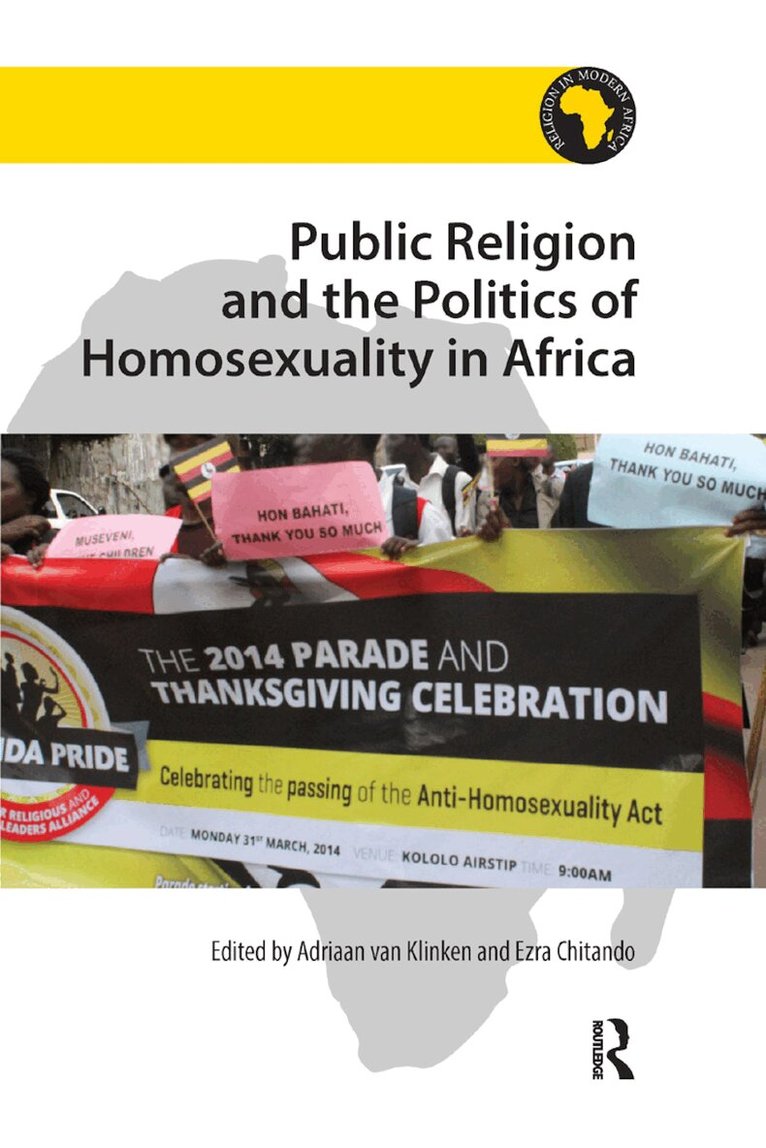
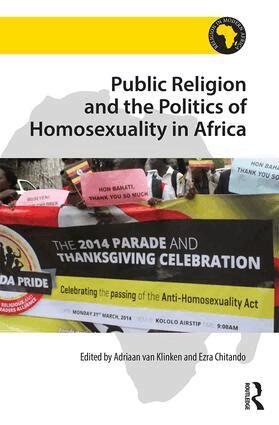
Issues of same-sex relationships and gay and lesbian rights are the subject of public and political controversy in many African societies today. Frequently, these controversies receive widespread attention both locally and globally, such as with the Anti-Homosexuality Bill in Uganda. In the international media, these cases tend to be presented as revealing a deeply-rooted homophobia in Africa fuelled by religious and cultural traditions. But so far little energy is expended in understanding these controversies in all their complexity and the critical role religion plays in them. This is the first book with multidisciplinary perspectives on religion and homosexuality in Africa. It presents case studies from across the continent, from Egypt to Zimbabwe and from Senegal to Kenya, and covers religious traditions such as Islam, Christianity and Rastafarianism. The contributors explore the role of religion in the politicisation of homosexuality, investigate local and global mobilisations of power, critically examine dominant religious discourses, and highlight the emergence of counter-discourses. Hence they reveal the crucial yet ambivalent public role of religion in matters of sexuality, social justice and human rights in contemporary Africa.
632 kr
Skickas inom 10-15 vardagar
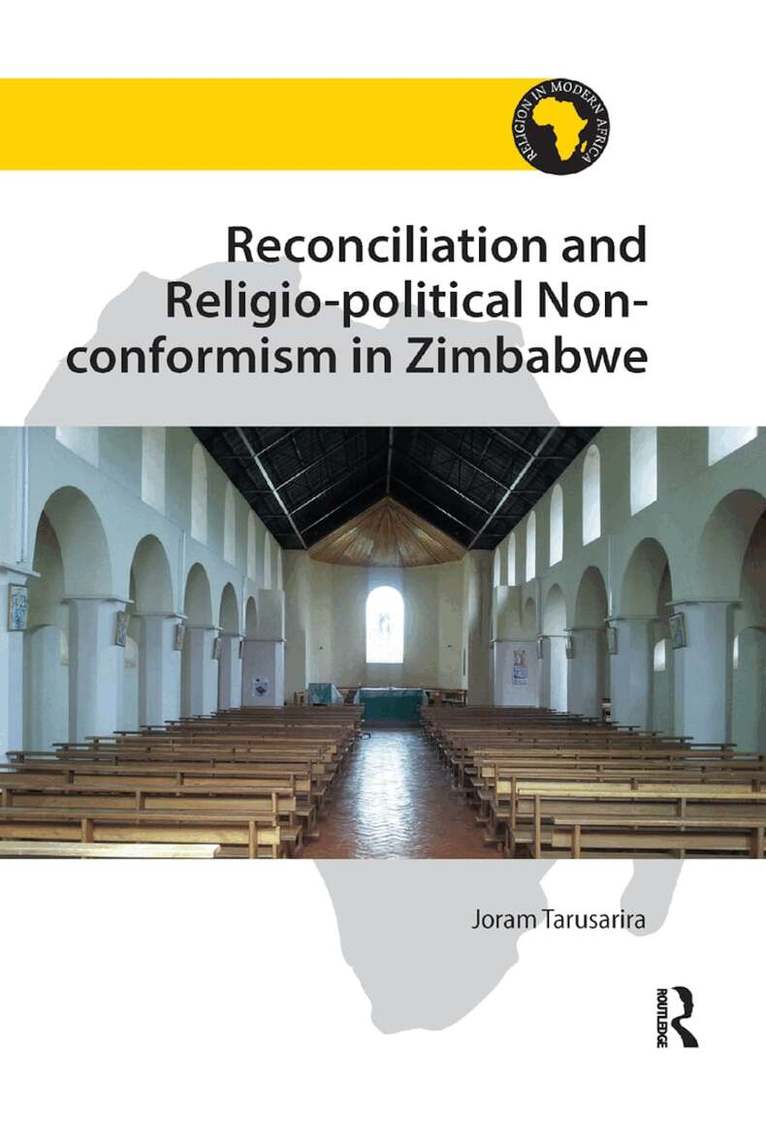
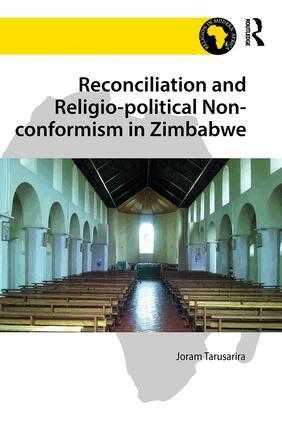
Religio-political organisations in Zimbabwe play an important role in advocating democratisation and reconciliation, against acquiescent, silenced or co-opted mainstream churches. Reconciliation and Religio-political Non-conformism in Zimbabwe analyses activities of religious organisations that deviate from the position of mainline churches and the political elites with regard to religious participation in political matters, against a background of political conflict and violence. Drawing on detailed case studies of the Zimbabwe Christian Alliance (ZCA), Churches in Manicaland (CiM) and Grace to Heal (GtH), this book provocatively argues that in the face of an unsatisfactory religious and political culture, religio-political non-conformists emerge seeking to introduce a new ethos even in the face of negative sanctions from dominant religious and political systems.
Identity Crises and Indigenous Religious Traditions
Exploring Nigerian-African Christian Societies
Häftad, Engelska, 2019
632 kr
Skickas inom 10-15 vardagar
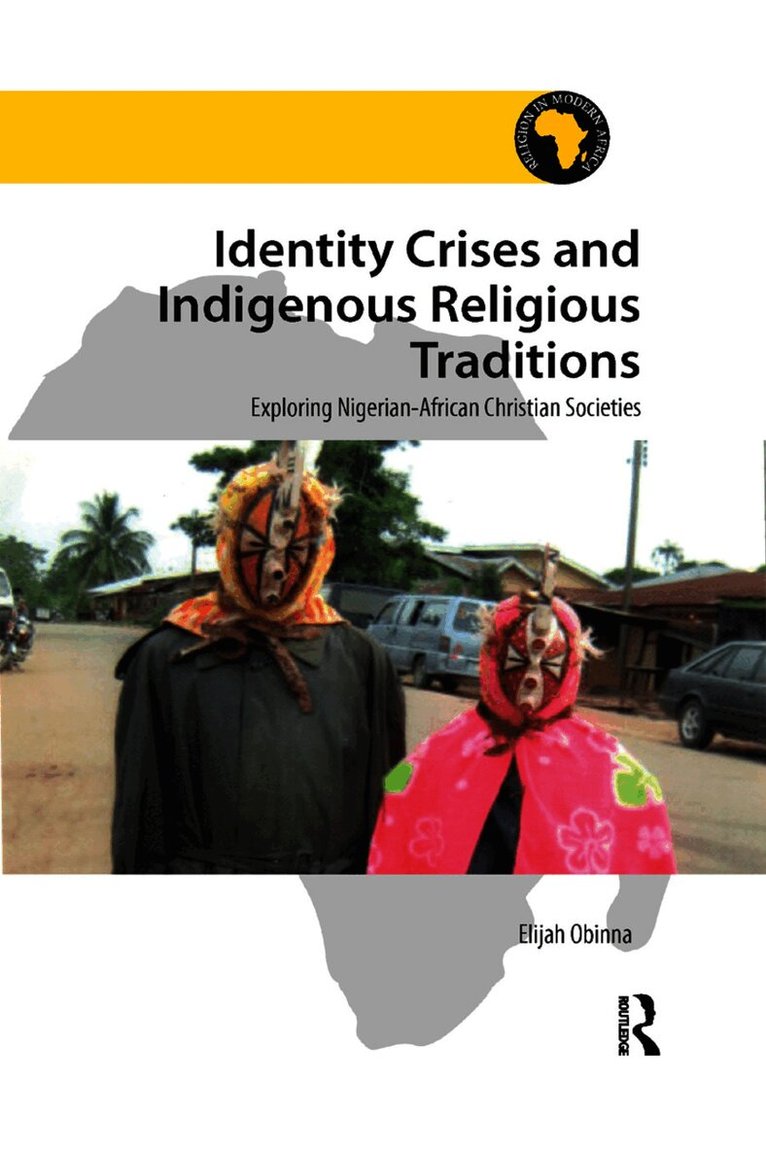
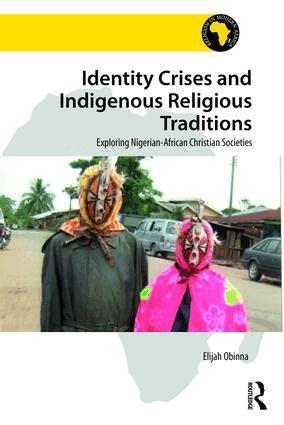
This book highlights the complex identity crises among many Christians as they negotiate their new identities, religious ideas and convictions as both Christians and members of Nigerian-African societies of indigenous religious traditions and identities. Through an interdisciplinary interpretation of religious practices and educational issues in teaching and ritual training, the author provides tools to help analyse empirical cases. These include the negotiation processes among Christians, with focus on the Presbyterian Church of Nigeria (PCN) and members of the Ogo society within the Amasiri, Afikpo North Local Government Area, Ebonyi state, in South-eastern Nigeria.Identifying the power dynamic, identity, role and influence of indigenous religions on Christians and the Ogo society, this book reveals the limited interactions between many Christians and members of the Ogo society. Questions explored include: what makes the Ogo society an integral part of the socio-religious life of Amasiri and what powers and identity does it confer on the initiates; how is the PCN within Amasiri responding to the Ogo society through its religious practices such as baptism, confirmation, local auxiliary ministries and organisational structure; and how does the understanding and application of conversion within the PCN impact on its members’ response to the Ogo society? Demonstrating how complex religious identities and practices of Nigerian-African Christians can balance mission-influenced Christianity with indigenous religious traditions and identities, this book recognises the importance of appropriating the powers of indigenous cultures, ingenuity and creativity in the construction and preservation of community identities. As such, it will be of keen interest to scholars of Christian theology, indigenous religious practice and African lived religion.
2 249 kr
Skickas inom 10-15 vardagar
Issues of homosexuality are the subject of public and political controversy in many African societies today. Frequently, these controversies receive widespread attention both locally and globally, such as with the Anti-Homosexuality Bill in Uganda. In the international media, these cases tend to be presented as revealing a deeply-rooted homophobia in Africa fuelled by religious and cultural traditions. But so far little energy is expended in understanding these controversies in all their complexity and the critical role religion plays in them. Complementing the companion volume, Public Religion and the Politics of Homosexuality in Africa, this book investigates Christian politics and discourses on homosexuality in sub-Saharan Africa. The contributors present case studies from various African countries, from Nigeria to South Africa and from Cameroon to Uganda, focusing on Pentecostal, Catholic and mainline Protestant churches. They critically examine popular Christian theologies that perpetuate homophobia and discrimination, but they also discuss contestations of such discourses and emerging alternative Christian perspectives that contribute to the recognition of sexual diversity, social justice and human rights in contemporary Africa.
2 385 kr
Skickas inom 10-15 vardagar
Issues of same-sex relationships and gay and lesbian rights are the subject of public and political controversy in many African societies today. Frequently, these controversies receive widespread attention both locally and globally, such as with the Anti-Homosexuality Bill in Uganda. In the international media, these cases tend to be presented as revealing a deeply-rooted homophobia in Africa fuelled by religious and cultural traditions. But so far little energy is expended in understanding these controversies in all their complexity and the critical role religion plays in them. This is the first book with multidisciplinary perspectives on religion and homosexuality in Africa. It presents case studies from across the continent, from Egypt to Zimbabwe and from Senegal to Kenya, and covers religious traditions such as Islam, Christianity and Rastafarianism. The contributors explore the role of religion in the politicisation of homosexuality, investigate local and global mobilisations of power, critically examine dominant religious discourses, and highlight the emergence of counter-discourses. Hence they reveal the crucial yet ambivalent public role of religion in matters of sexuality, social justice and human rights in contemporary Africa.
2 249 kr
Skickas inom 10-15 vardagar
Religio-political organisations in Zimbabwe play an important role in advocating democratisation and reconciliation, against acquiescent, silenced or co-opted mainstream churches. Reconciliation and Religio-political Non-conformism in Zimbabwe analyses activities of religious organisations that deviate from the position of mainline churches and the political elites with regard to religious participation in political matters, against a background of political conflict and violence. Drawing on detailed case studies of the Zimbabwe Christian Alliance (ZCA), Churches in Manicaland (CiM) and Grace to Heal (GtH), this book provocatively argues that in the face of an unsatisfactory religious and political culture, religio-political non-conformists emerge seeking to introduce a new ethos even in the face of negative sanctions from dominant religious and political systems.
Identity Crises and Indigenous Religious Traditions
Exploring Nigerian-African Christian Societies
Inbunden, Engelska, 2017
2 249 kr
Skickas inom 10-15 vardagar
This book highlights the complex identity crises among many Christians as they negotiate their new identities, religious ideas and convictions as both Christians and members of Nigerian-African societies of indigenous religious traditions and identities. Through an interdisciplinary interpretation of religious practices and educational issues in teaching and ritual training, the author provides tools to help analyse empirical cases. These include the negotiation processes among Christians, with focus on the Presbyterian Church of Nigeria (PCN) and members of the Ogo society within the Amasiri, Afikpo North Local Government Area, Ebonyi state, in South-eastern Nigeria.Identifying the power dynamic, identity, role and influence of indigenous religions on Christians and the Ogo society, this book reveals the limited interactions between many Christians and members of the Ogo society. Questions explored include: what makes the Ogo society an integral part of the socio-religious life of Amasiri and what powers and identity does it confer on the initiates; how is the PCN within Amasiri responding to the Ogo society through its religious practices such as baptism, confirmation, local auxiliary ministries and organisational structure; and how does the understanding and application of conversion within the PCN impact on its members’ response to the Ogo society? Demonstrating how complex religious identities and practices of Nigerian-African Christians can balance mission-influenced Christianity with indigenous religious traditions and identities, this book recognises the importance of appropriating the powers of indigenous cultures, ingenuity and creativity in the construction and preservation of community identities. As such, it will be of keen interest to scholars of Christian theology, indigenous religious practice and African lived religion.