Revolutionary Bioethics - Böcker
Visar alla böcker i serien Revolutionary Bioethics. Handla med fri frakt och snabb leverans.
11 produkter
11 produkter
Righting Health Policy
Bioethics, Political Philosophy, and the Normative Justification of Health Law and Policy
Inbunden, Engelska, 2022
1 142 kr
Skickas inom 10-15 vardagar
In Righting Health Policy, D. Robert MacDougall argues that bioethics needs but does not have adequate tools for justifying law and policy. Bioethics’ tools are mostly theories about what we owe each other. But justifying laws and policies requires more; at a minimum, it requires tools for explaining the legitimacy of actions intended to control or influence others. It consequently requires political, rather than moral, philosophy. After showing how bioethicists have consistently failed to use tools suitable for achieving their political aims, MacDougall develops an interpretation of Kant’s political philosophy. On this account, the legitimacy of health laws does not derive from the morality of the behaviors they require but derives instead from their role in securing our equal freedom from each other. MacDougall uses this Kantian account to show the importance of political philosophy for bioethics. First, he shows how evaluating kidney markets in terms of the legitimacy of prohibiting sales rather than the morality of selling kidneys reverses the widely accepted view that Kantian philosophy supports legally prohibiting markets. Second, MacDougall argues that an account of political authority is necessary for settling longstanding bioethics debates about the legal and even moral standards that should govern informed consent.
Righting Health Policy
Bioethics, Political Philosophy, and the Normative Justification of Health Law and Policy
Häftad, Engelska, 2023
434 kr
Skickas inom 10-15 vardagar
In Righting Health Policy, D. Robert MacDougall argues that bioethics needs but does not have adequate tools for justifying law and policy. Bioethics’ tools are mostly theories about what we owe each other. But justifying laws and policies requires more; at a minimum, it requires tools for explaining the legitimacy of actions intended to control or influence others. It consequently requires political, rather than moral, philosophy. After showing how bioethicists have consistently failed to use tools suitable for achieving their political aims, MacDougall develops an interpretation of Kant’s political philosophy. On this account, the legitimacy of health laws does not derive from the morality of the behaviors they require but derives instead from their role in securing our equal freedom from each other. MacDougall uses this Kantian account to show the importance of political philosophy for bioethics. First, he shows how evaluating kidney markets in terms of the legitimacy of prohibiting sales rather than the morality of selling kidneys reverses the widely accepted view that Kantian philosophy supports legally prohibiting markets. Second, MacDougall argues that an account of political authority is necessary for settling longstanding bioethics debates about the legal and even moral standards that should govern informed consent.
1 089 kr
Skickas inom 10-15 vardagar
It has traditionally been accepted that one cannot derive how the world ought to be from the way the world is. The discipline of bioethics endeavors to respond to ethical issues as they arise in the world. For these issues to be analyzed, they must first be described. Redescribing Bioethics: How the Field Constructs Its Argument argues the descriptions bioethicists provide of the moral problems anticipate the proposed solution to these problems. To understand the rhetorical power of bioethics arguments, we need to reverse the structure of the argument, seeing the anticipated solution as driving the presentation of the problem. Arguing the story of bioethics is as much one of powerful redescriptions as of proposed solutions, Tod S. Chambers examines seven rhetorical strategies in how bioethics texts have steered readers toward a particular moral vision of the world: retrodiction, anagnorisis, imbalance, dissociation, metaphor, sources, and hypertextuality. Through these techniques, bioethicists construct a world in which their particular moral theory thrives, and alternative theories will struggle.
1 076 kr
Skickas inom 10-15 vardagar
Bioethical Responsibilities in Twenty-First Century Crises argues for an expanded role and scope for the field of bioethics to tackle the pressing challenges confronting health and healthcare now and on the horizon. The diverse chapters in this collection, edited by Elizabeth Lanphier and Larry R. Churchill, address the need for new bioethical methods, attention to overlooked difference, responding to climate change, and charting new identities for and within bioethics. Taken as a whole, this volume shows how bioethics, with its core commitment to justice, needs to update its tools and attention to realize justice in the twenty-first century. This includes better understanding of and responding to the ways that structural inequities and intersectional oppression impact not only individual medical care and healthcare access, health policy, or research priorities and participation, but also individual and community contributions to and vulnerability from climate change, and the impact social and political choices have on health and well-being.
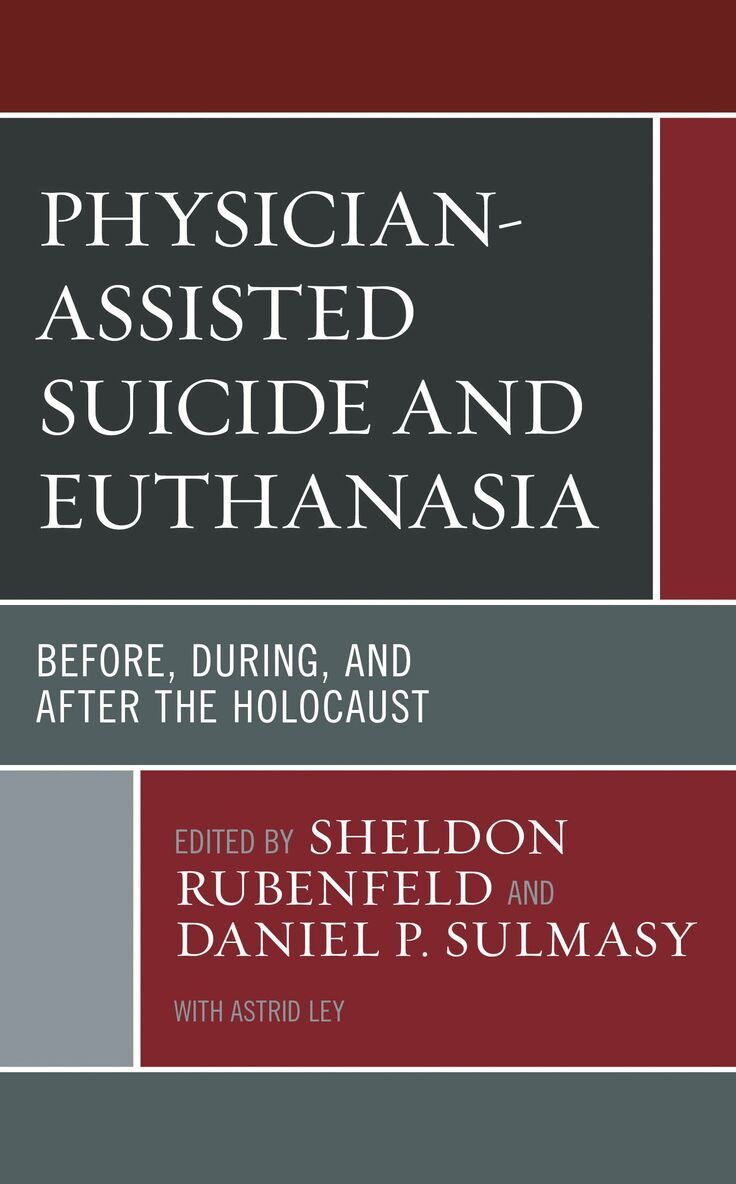
Physician-Assisted Suicide and Euthanasia
Before, During, and After the Holocaust
Inbunden, Engelska, 2020
1 476 kr
Skickas inom 10-15 vardagar
Unlike Nazi medical experiments, euthanasia during the Third Reich is barely studied or taught. Often, even asking whether euthanasia during the Third Reich is relevant to contemporary debates about physician-assisted suicide (PAS) and euthanasia is dismissed as inflammatory. Physician-Assisted Suicide and Euthanasia: Before, During, and After the Holocaust explores the history of euthanasia before and during the Third Reich in depth and demonstrate how Nazi physicians incorporated mainstream Western philosophy, eugenics, population medicine, prevention, and other medical ideas into their ideology. This book reveals that euthanasia was neither forced upon physicians nor wantonly practiced by a few fanatics, but widely embraced by Western medicine before being sanctioned by the Nazis. Contributors then reflect on the significance of this history for contemporary debates about PAS and euthanasia. While they take different views regarding these practices, almost all agree that there are continuities between the beliefs that the Nazis used to justify euthanasia and the ideology that undergirds present-day PAS and euthanasia. This conclusion leads our scholars to argue that the history of Nazi medicine should make society wary about legalizing PAS or euthanasia and urge caution where it has been legalized.
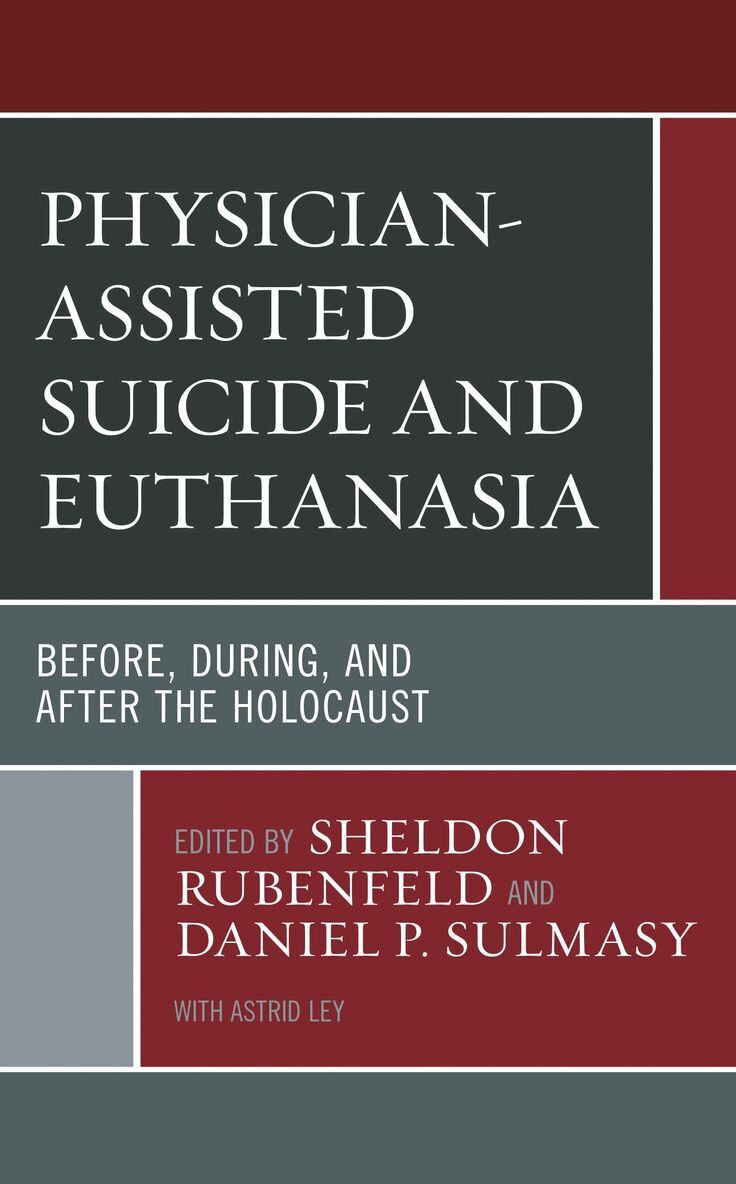
Physician-Assisted Suicide and Euthanasia
Before, During, and After the Holocaust
Häftad, Engelska, 2022
488 kr
Skickas inom 10-15 vardagar
Unlike Nazi medical experiments, euthanasia during the Third Reich is barely studied or taught. Often, even asking whether euthanasia during the Third Reich is relevant to contemporary debates about physician-assisted suicide (PAS) and euthanasia is dismissed as inflammatory. Physician-Assisted Suicide and Euthanasia: Before, During, and After the Holocaust explores the history of euthanasia before and during the Third Reich in depth and demonstrate how Nazi physicians incorporated mainstream Western philosophy, eugenics, population medicine, prevention, and other medical ideas into their ideology. This book reveals that euthanasia was neither forced upon physicians nor wantonly practiced by a few fanatics, but widely embraced by Western medicine before being sanctioned by the Nazis. Contributors then reflect on the significance of this history for contemporary debates about PAS and euthanasia. While they take different views regarding these practices, almost all agree that there are continuities between the beliefs that the Nazis used to justify euthanasia and the ideology that undergirds present-day PAS and euthanasia. This conclusion leads our scholars to argue that the history of Nazi medicine should make society wary about legalizing PAS or euthanasia and urge caution where it has been legalized.
1 142 kr
Skickas inom 10-15 vardagar
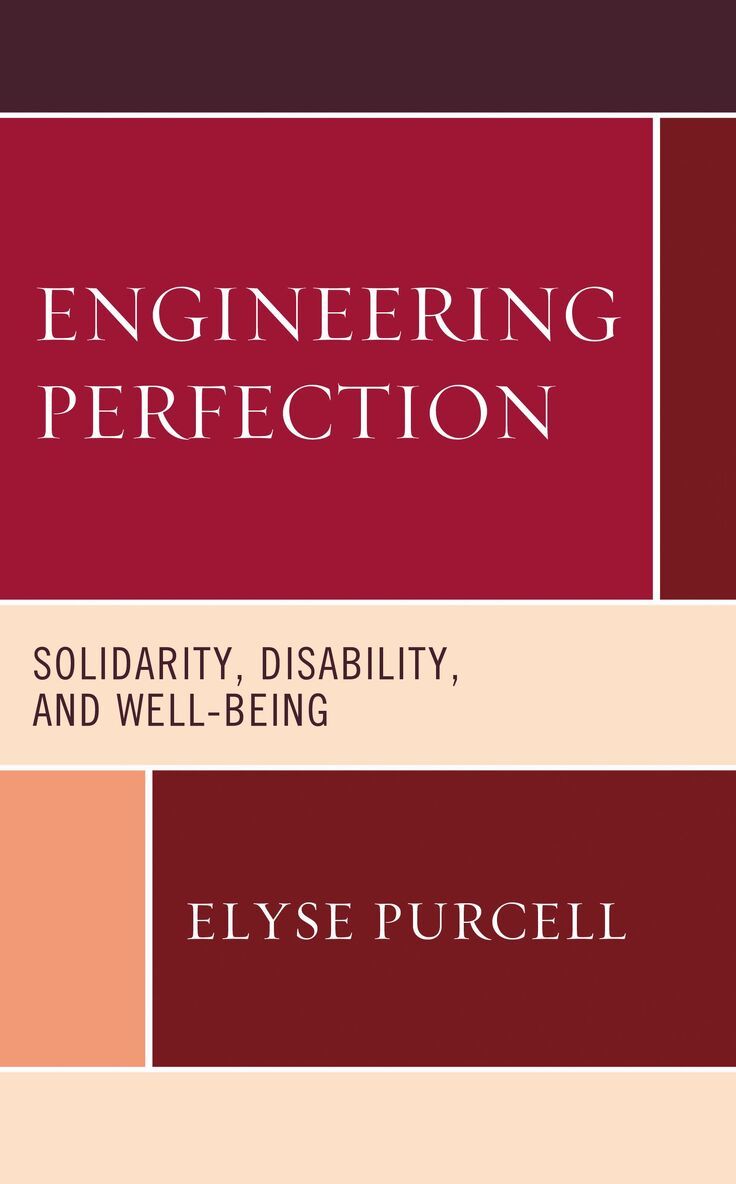
What do we owe our future children? How do advances in biomedical science bear on these obligations? How do capitalist incentives distort their execution? Advances in biotechnologies for human enhancement and designer babies appear to offer us new hope to control the fragility of human living. Some philosophers have argued that we have a moral imperative to use them, especially to eliminate disabilities. Elyse Purcell offers an opposing view, one guided by existential insights and Marxist reflections. Engineering Perfection: Solidarity, Disability, and Well-being explores the effect global capitalism may have on the selection of traits for our future children and how the commercialization of these technologies may lead to the elimination of bodily diversity. Although philosophers have addressed the possible widening between the haves and have-nots, this book considers the role oppression and exploitation may play in enhancing bodies for profit. As a challenge to the global economy of debility, Purcell proposes the Solidarity view, which embraces human vulnerability and embodied difference. By reflecting on facets of the human condition, the Solidarity view challenges us to reject our conception of the good life as human perfection, and instead reconceive of the good as one’s self-realization through the interdependent mutual recognition and co-belonging with others.
434 kr
Skickas inom 10-15 vardagar
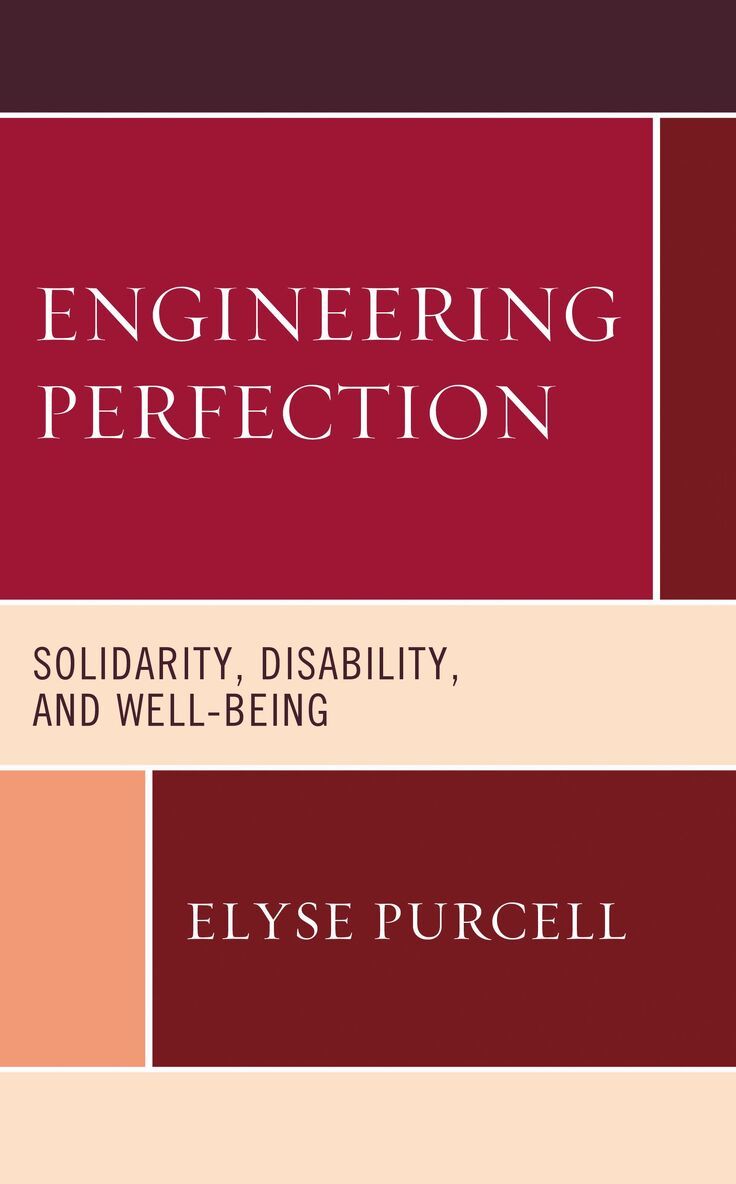
What do we owe our future children? How do advances in biomedical science bear on these obligations? How do capitalist incentives distort their execution? Advances in biotechnologies for human enhancement and designer babies appear to offer us new hope to control the fragility of human living. Some philosophers have argued that we have a moral imperative to use them, especially to eliminate disabilities. Elyse Purcell offers an opposing view, one guided by existential insights and Marxist reflections. Engineering Perfection: Solidarity, Disability, and Well-being explores the effect global capitalism may have on the selection of traits for our future children and how the commercialization of these technologies may lead to the elimination of bodily diversity. Although philosophers have addressed the possible widening between the haves and have-nots, this book considers the role oppression and exploitation may play in enhancing bodies for profit. As a challenge to the global economy of debility, Purcell proposes the Solidarity view, which embraces human vulnerability and embodied difference. By reflecting on facets of the human condition, the Solidarity view challenges us to reject our conception of the good life as human perfection, and instead reconceive of the good as one’s self-realization through the interdependent mutual recognition and co-belonging with others.
1 142 kr
Skickas inom 10-15 vardagar
Would you want to be cared for by a robot? Michael C. Brannigan’s Caregiving, Carebots, and Contagion explores caring robots’ lifesaving benefits, particularly during contagion, while probing the threat they pose to interpersonal engagement and genuine human caregiving. As our COVID-19 purgatory lingers on, caring robots will join our nursing and healthcare frontlines. Carebots can perform lifesaving tasks to minimize infection, safeguard vulnerable persons, and relieve caregivers of certain burdens. They also spark profound moral and existential questions: What is caring? How will we relate with each other? What does it mean to be human?Underscoring carebots' hands-on benefits, Brannigan also warns us of perils. They can be a dangerous lure in a culture that settles for substitutes and venerates the screen. Alerting us to the threatening prospect of carebots becoming our surrogate for interpersonal connection, he maintains they are not the culprits. The challenge lies in how we relate to them. While they beneficially complement our caregiving, carebots cannot replace human caring. Caring is a fundamentally human act and lies at the heart of ethics. As humans, we have a binding moral responsibility to care for the Other, and genuine caring demands our embodied, human-to-human presence.
434 kr
Skickas inom 10-15 vardagar
Would you want to be cared for by a robot? Michael C. Brannigan’s Caregiving, Carebots, and Contagion explores caring robots’ lifesaving benefits, particularly during contagion, while probing the threat they pose to interpersonal engagement and genuine human caregiving. As our COVID-19 purgatory lingers on, caring robots will join our nursing and healthcare frontlines. Carebots can perform lifesaving tasks to minimize infection, safeguard vulnerable persons, and relieve caregivers of certain burdens. They also spark profound moral and existential questions: What is caring? How will we relate with each other? What does it mean to be human?Underscoring carebots' hands-on benefits, Brannigan also warns us of perils. They can be a dangerous lure in a culture that settles for substitutes and venerates the screen. Alerting us to the threatening prospect of carebots becoming our surrogate for interpersonal connection, he maintains they are not the culprits. The challenge lies in how we relate to them. While they beneficially complement our caregiving, carebots cannot replace human caring. Caring is a fundamentally human act and lies at the heart of ethics. As humans, we have a binding moral responsibility to care for the Other, and genuine caring demands our embodied, human-to-human presence.
Pharma, Exploitation, and Poor Communities
Rethinking the Ethics of Global Research through Fair Play
Inbunden, Engelska, 2026
1 678 kr
Kommande
What does it look like for host communities in international health research to be treated fairly?Multinational pharmaceutical companies and research funding institutions from high-income countries frequently sponsor clinical trials in low- and middle-income countries, where underdeveloped health and welfare systems raise significant ethical concerns. The power asymmetry between well-resourced foreign sponsors and local communities with limited bargaining power further amplifies concerns of unjust treatment and fears of exploitation. By drawing upon arguments from health research ethics; political philosophy, particularly global distributive justice; and the literature on the principle of fair play, this book addresses a significant gap in the current discourse: the lack of a solid conceptual foundation for the claim that host communities are entitled to fair benefits. Felicitas Holzer discusses concerns related to structural injustice and proposes alternative mechanisms to secure fair benefits for host communities. Ultimately, Holzer argues that obligations of fair benefit-sharing arise from the requirements of fair cooperation between distinct stakeholders.