Richard D. Cohen Lectures on African & African American Art – serie
Visar alla böcker i serien Richard D. Cohen Lectures on African & African American Art. Handla med fri frakt och snabb leverans.
3 produkter
3 produkter
524 kr
Skickas inom 7-10 vardagar
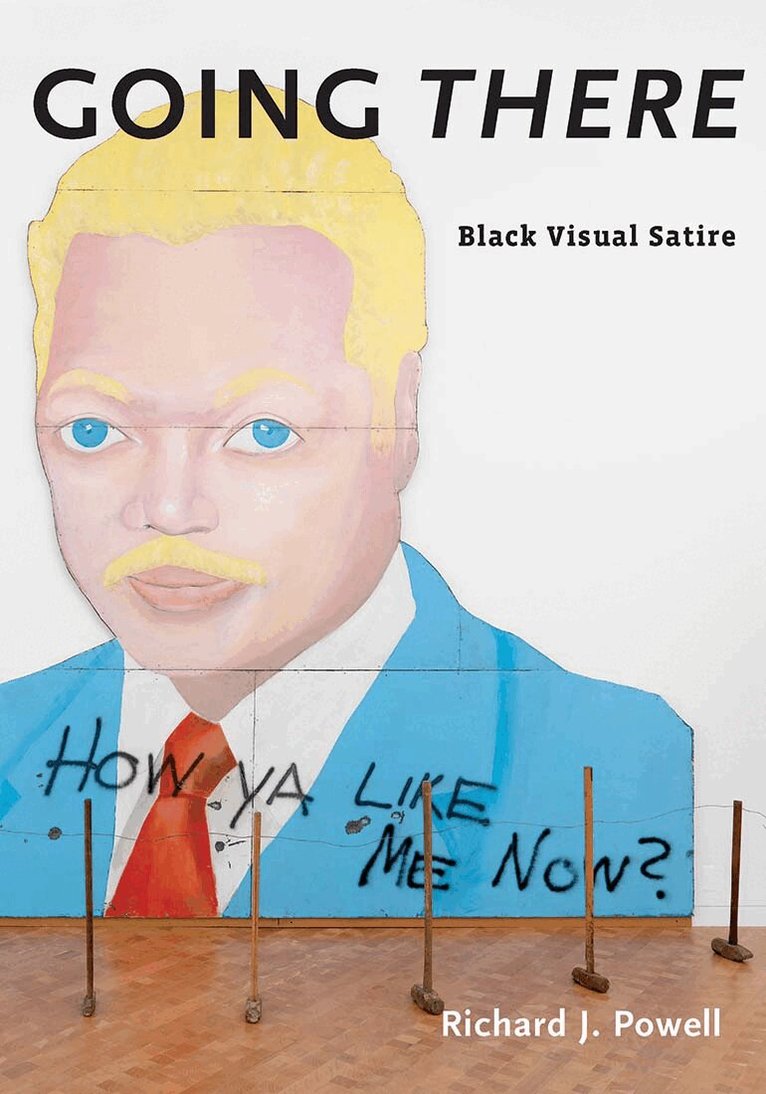
A kaleidoscopic survey of black satire in 20th- and 21st-century American artIn this groundbreaking study, Richard J. Powell investigates the visual forms of satire produced by black artists in 20th- and 21st-century America. Underscoring the historical use of visual satire as antiracist dissent and introspective critique, Powell argues that it has a distinctly African American lineage. Taking on some of the most controversial works of the past century—in all their complexity, humor, and provocation—Powell raises important questions about the social power of art. Expansive in both historical reach and breadth of media presented, Going There interweaves discussions of such works as the midcentury cartoons of Ollie Harrington, the installations of Kara Walker, the paintings of Robert Colescott, and the movies of Spike Lee. Other artists featured in the book include David Hammons, Arthur Jafa, Beverly McIver, Howardena Pindell, Betye Saar, and Carrie Mae Weems. Thoroughly researched and rich in context, Going There is essential reading in the history of satire, racial politics, and contemporary art.Published in association with the Hutchins Center for African & African American Research
407 kr
Skickas inom 7-10 vardagar
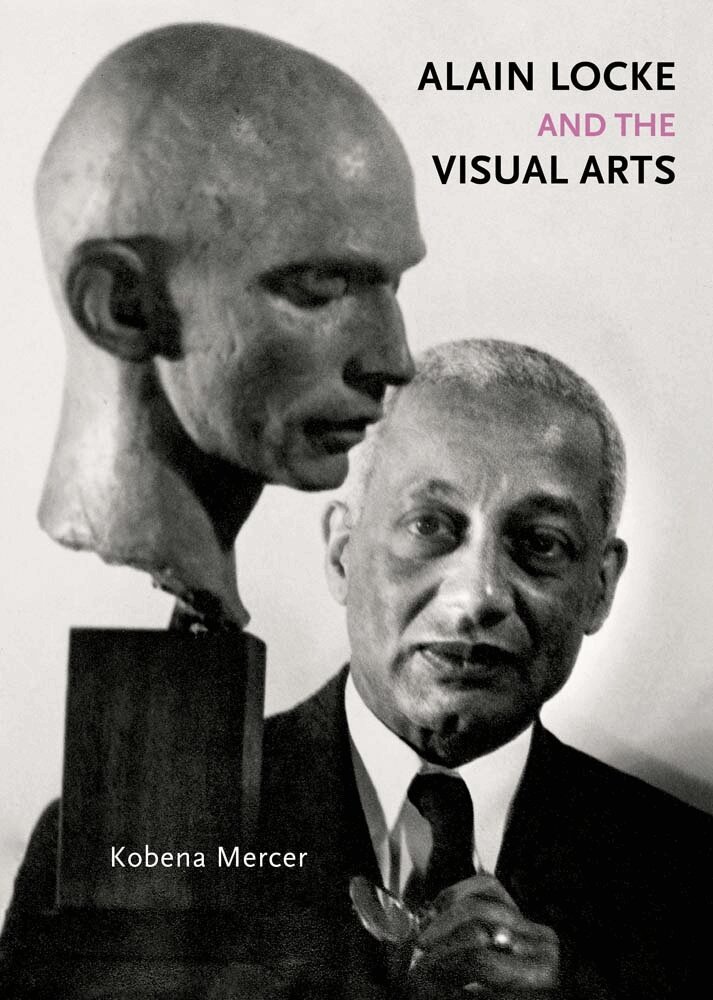
A fresh perspective on the influential critic, offering new ways of understanding the art of the Harlem Renaissance “Mercer’s sumptuously illustrated study . . . succeeds in positioning Locke as an important philosophical voice in the ‘not yet finalized story of Afro-modern art and culture.’”—Douglas Field, Times Literary Supplement Alain Locke (1885–1954), leading theorist of the Harlem Renaissance, maintained a lifelong commitment to the visual arts. Offering an in-depth study of Locke’s writings and art world interventions, Kobena Mercer focuses on the importance of cross-cultural entanglement. This distinctive approach reveals Locke’s vision of modern art as a dynamic space where images and ideas generate new forms under the fluid conditions of diaspora. Positioning the philosopher as an advocate for an Afromodern aesthetic that drew from both formal experiments in Europe and the iconic legacy of the African past, Mercer shows how Aaron Douglas, Loïs Mailou Jones, and other New Negro artists acknowledged the diaspora’s rupture with the ancestral past as a prelude to the rebirth of identity. In his 1940 picture book, The Negro in Art, Locke also explored the different ways black and white artists approached the black image. Mercer’s reading highlights the global mobility of black images as they travel across national and ethnic frontiers. Finally, Mercer examines how Locke’s investment in art was shaped by gay male aestheticism. Black male nudes, including works by Richmond Barthé and Carl Van Vechten, thus reveal the significance of queer practices in modernism’s cross-cultural genesis. Published in association with the Hutchins Center for African & African American Research, Harvard University
220 kr
Skickas inom 7-10 vardagar
An intimate reflection on culture and tradition, creativity and power, that draws on a lifetime’s commitment to aesthetic encounterThe playwright, poet, essayist, novelist, and Nobel Laureate Wole Soyinka is also a longtime art collector. This book of essays offers a glimpse into the motivations of the collector, as well as a highly personal look at the politics of aesthetics and collecting. Detailing moments of first encounter with objects that drew him in and continue to affect him, Soyinka describes a world of mortals, muses, and deities that imbue the artworks with history and meaning. Beyond Aesthetics is a passionate discussion of the role of identity, tradition, and originality in making, collecting, and exhibiting African art today. Soyinka considers objects that have stirred controversy, and he decries dogmatic efforts—whether colonial or religious—to suppress Africa’s artistic traditions. By turns poetic, provocative, and humorous, Soyinka affirms the power of collecting to reclaim tradition. He urges African artists, filmmakers, collectors, and curators to engage with their aesthetic and cultural histories.Published in association with the Hutchins Center for African & African American Research