RISJ Challenges – serie
Visar alla böcker i serien RISJ Challenges. Handla med fri frakt och snabb leverans.
18 produkter
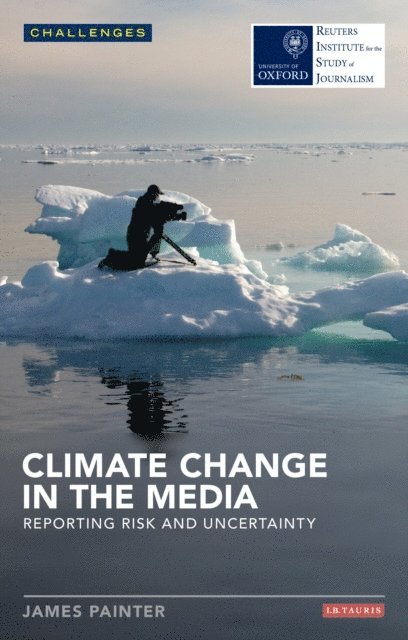
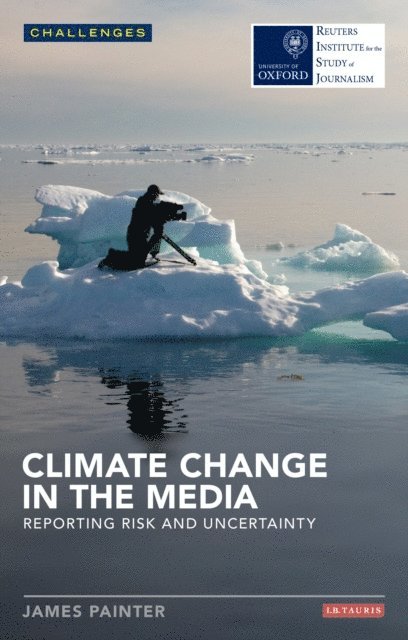
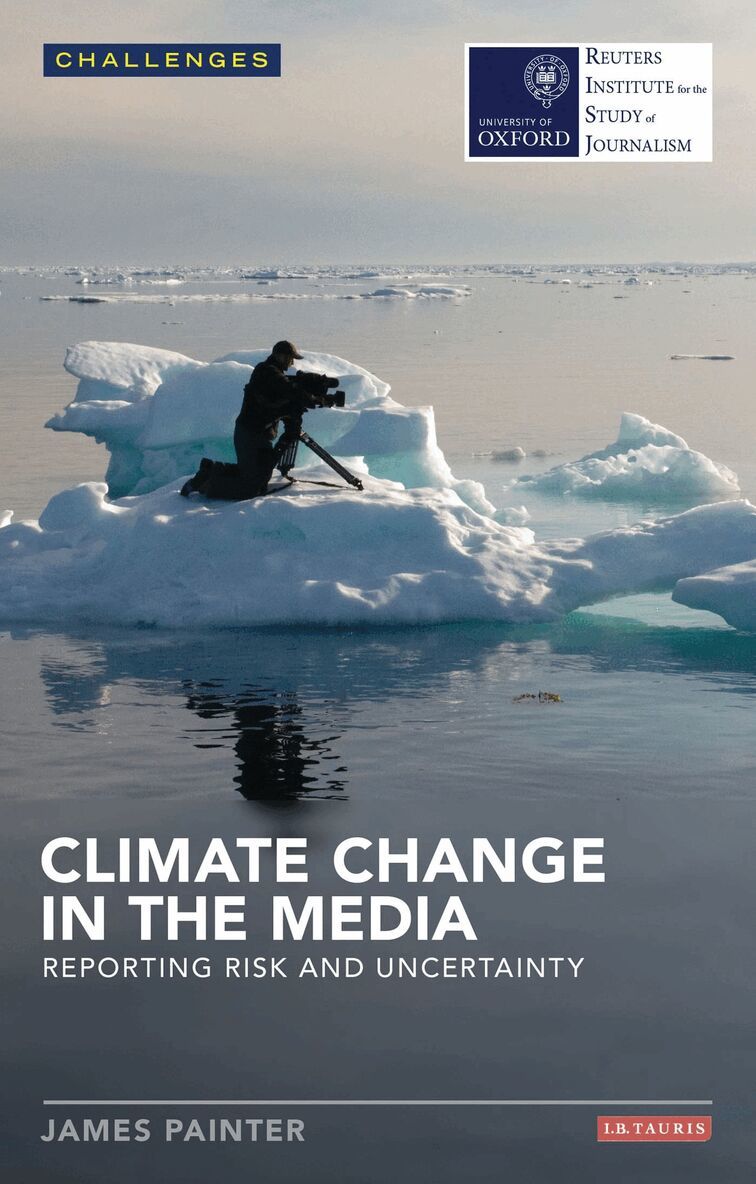
Climate Change in the Media
Reporting Risk and Uncertainty
E-bok, 2013
312 kr
Lägg i varukorg
Scientists and politicians are increasingly using the language of risk to describe the climate change challenge. Some researchers have argued that stressing the 'risks' posed by climate change rather than the 'uncertainties' can create a more helpful context for policy makers and a stronger …
Women and Journalism
E-bok, 2013
351 kr
Lägg i varukorg
In many countries, the majority of high profile journalists and editors remain male. Although there have been considerable changes in the prospects for women working in the media in the past few decades, women are still noticeably in the minority in the top journalistic roles, despite making up the …
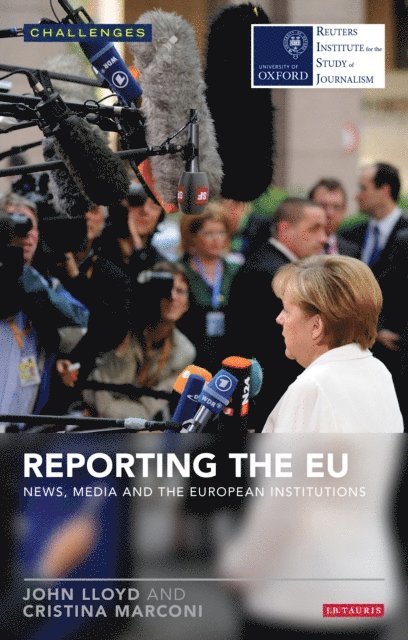
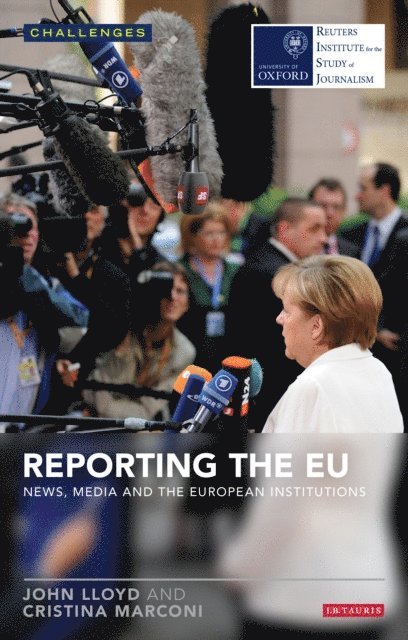
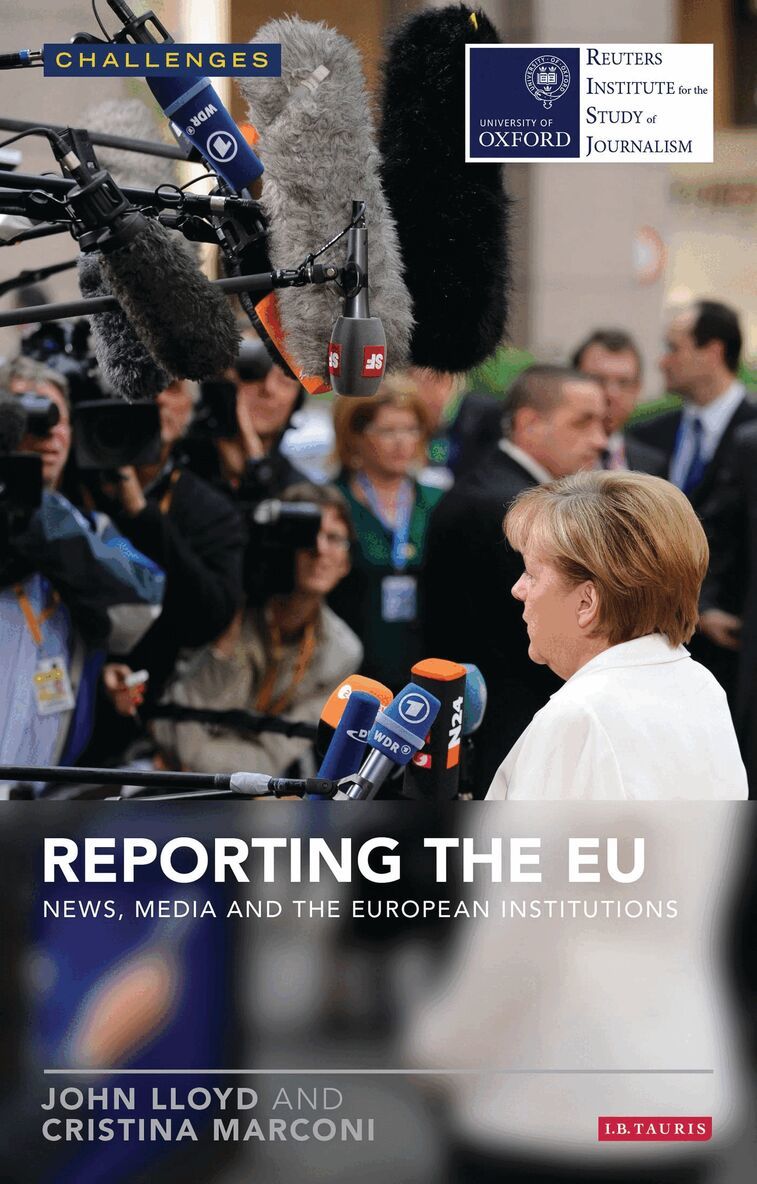
Reporting the EU
News, Media and the European Institutions
Av John Lloyd, Cristina Marconi
E-bok, 2014
314 kr
Lägg i varukorg
In recent years, media coverage of the European Union has faced its most serious test. The interlinked crises in the Union have severely tested the expertise of the EU press corps, many of whom have struggled to cope with its complexities, and have thrown into sharper relief the differences among …
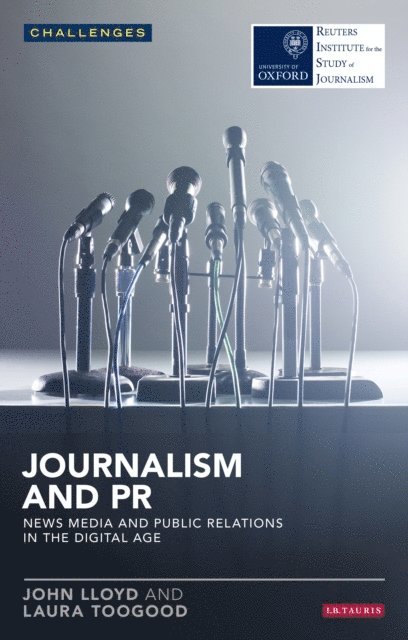
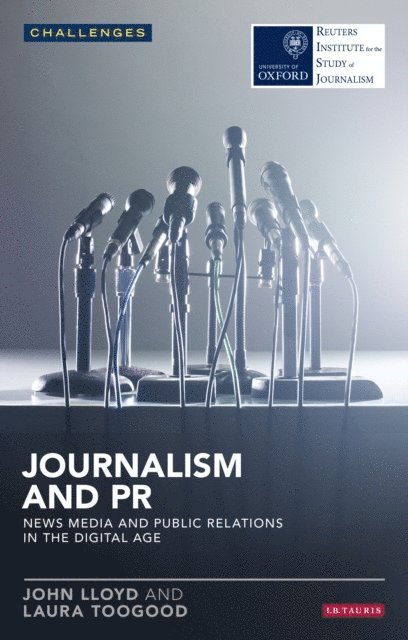
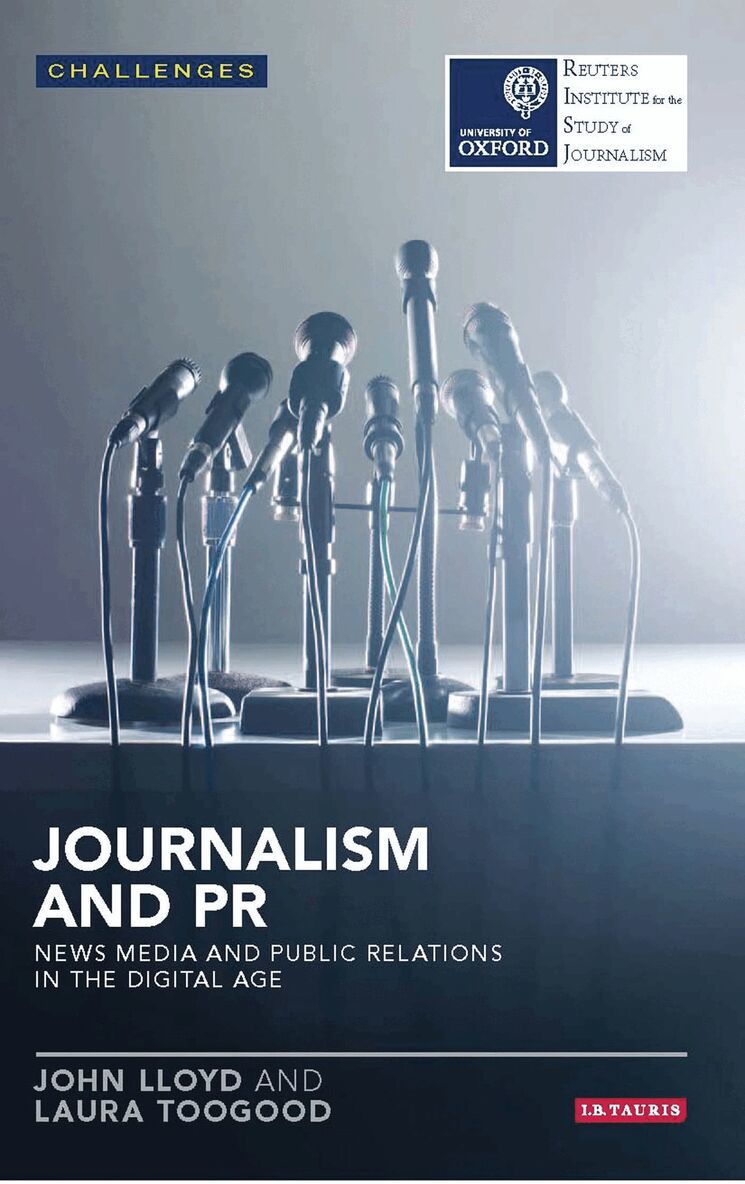
Journalism and PR
News Media and Public Relations in the Digital Age
E-bok, 2014
321 kr
Lägg i varukorg
Public relations and journalism have had a difficult relationship for over a century, characterised by mutual dependence and - often - mutual distrust. The two professions have vied with each other for primacy: journalists could open or close the gates, but PR had the stories, the contacts and …
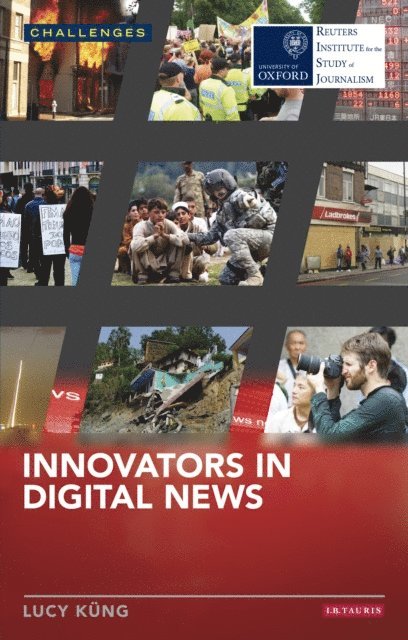
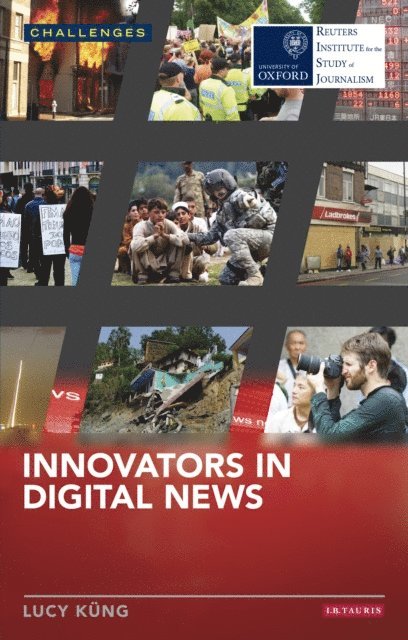
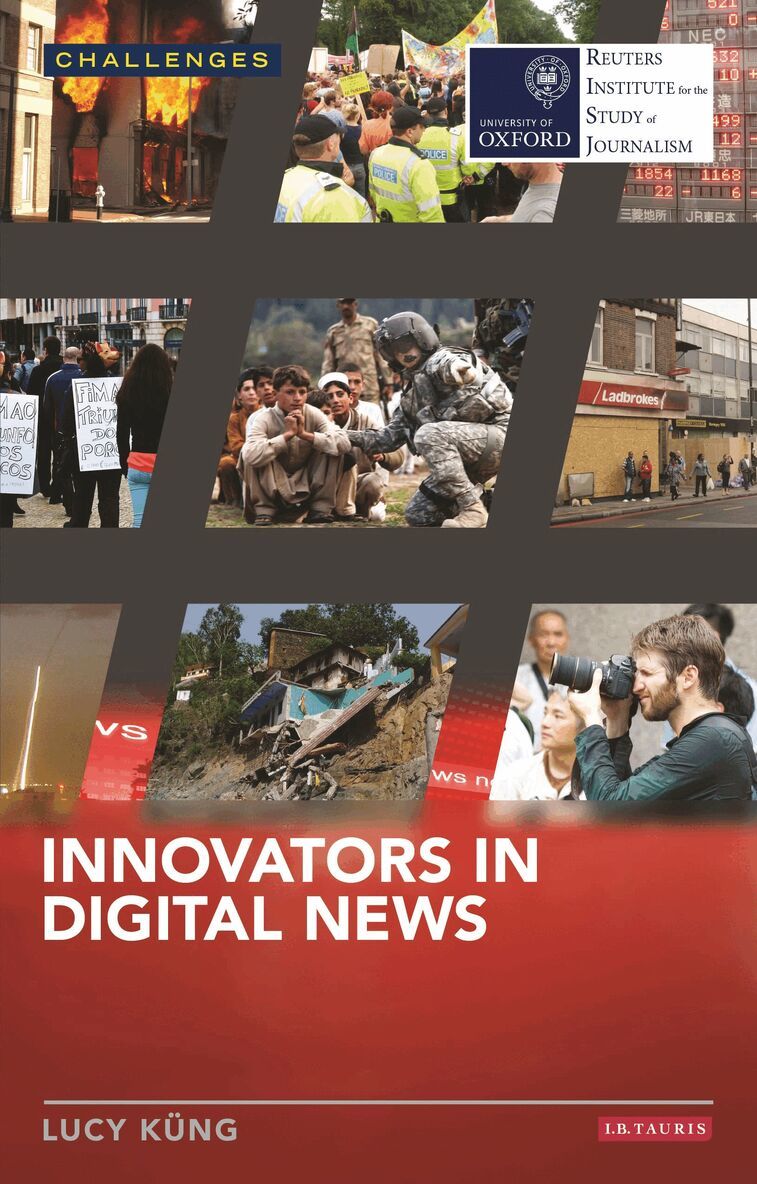
Innovators in Digital News
Av Lucy Küng
E-bok, 2015
314 kr
Lägg i varukorg
News organisations are struggling with technology transitions and fearful for their future. Yet some organisations are succeeding. Why are organisations such as Vice and BuzzFeed investing in journalism and why are pedigree journalists joining them? Why are news organisations making journalists …
Transformations in Egyptian Journalism
Av Naomi Sakr
E-bok, 2013
290 kr
Lägg i varukorg
Egypt's revolutionary uprising in 2011 raised important questions about the kind of journalism that would be viable in the country's changing political dynamics. Suddenly the output of bloggers, online radio and social media news operations, which had all formed part of the groundswell of action …
Climate Change in the Media
Reporting Risk and Uncertainty
E-bok, 2013
324 kr
Lägg i varukorg
Scientists and politicians are increasingly using the language of risk to describe the climate change challenge. Some researchers have argued that stressing the 'risks' posed by climate change rather than the 'uncertainties' can create a more helpful context for policy makers and a stronger …
Women and Journalism
E-bok, 2013
359 kr
Lägg i varukorg
In many countries, the majority of high profile journalists and editors remain male. Although there have been considerable changes in the prospects for women working in the media in the past few decades, women are still noticeably in the minority in the top journalistic roles, despite making up the …
Reporting the EU
News, Media and the European Institutions
Av John Lloyd, Cristina Marconi
E-bok, 2014
321 kr
Lägg i varukorg
In recent years, media coverage of the European Union has faced its most serious test. The interlinked crises in the Union have severely tested the expertise of the EU press corps, many of whom have struggled to cope with its complexities, and have thrown into sharper relief the differences among …
Journalism and PR
News Media and Public Relations in the Digital Age
E-bok, 2014
281 kr
Lägg i varukorg
Public relations and journalism have had a difficult relationship for over a century, characterised by mutual dependence and - often - mutual distrust. The two professions have vied with each other for primacy: journalists could open or close the gates, but PR had the stories, the contacts and …
Innovators in Digital News
Av Lucy Küng
E-bok, 2015
305 kr
Lägg i varukorg
News organisations are struggling with technology transitions and fearful for their future. Yet some organisations are succeeding. Why are organisations such as Vice and BuzzFeed investing in journalism and why are pedigree journalists joining them? Why are news organisations making journalists …
Women and Journalism
Häftad, 2013
291 kr
Lägg i varukorg
In many countries, the majority of high profile journalists and editors remain male. Although there have been considerable changes in the prospects for women working in the media in the past few decades, women are still noticeably in the minority in the top journalistic roles, despite making up the …
Climate Change in the Media
Reporting Risk and Uncertainty
Häftad, 2013
290 kr
Lägg i varukorg
Scientists and politicians are increasingly using the language of risk to describe the climate change challenge. Some researchers have argued that stressing the 'risks' posed by climate change rather than the 'uncertainties' can create a more helpful context for policy makers and a stronger …
Journalism and PR
News Media and Public Relations in the Digital Age
Häftad, 2014
4,0 utav 5 stjärnor. Totalt antal röster: (1)
288 kr
Lägg i varukorg
Public relations and journalism have had a difficult relationship for over a century, characterised by mutual dependence and - often - mutual distrust. The two professions have vied with each other for primacy: journalists could open or close the gates, but PR had the stories, the contacts and …
Reporting the EU
News, Media and the European Institutions
Av John Lloyd, Cristina Marconi
Häftad, 2014
299 kr
Lägg i varukorg
In recent years, media coverage of the European Union has faced its most serious test. The interlinked crises in the Union have severely tested the expertise of the EU press corps, many of whom have struggled to cope with its complexities, and have thrown into sharper relief the differences among …
Innovators in Digital News
Av Lucy Küng
Häftad, 2015
288 kr
Lägg i varukorg
News organisations are struggling with technology transitions and fearful for their future. Yet some organisations are succeeding. Why are organisations such as Vice and BuzzFeed investing in journalism and why are pedigree journalists joining them? Why are news organisations making journalists …
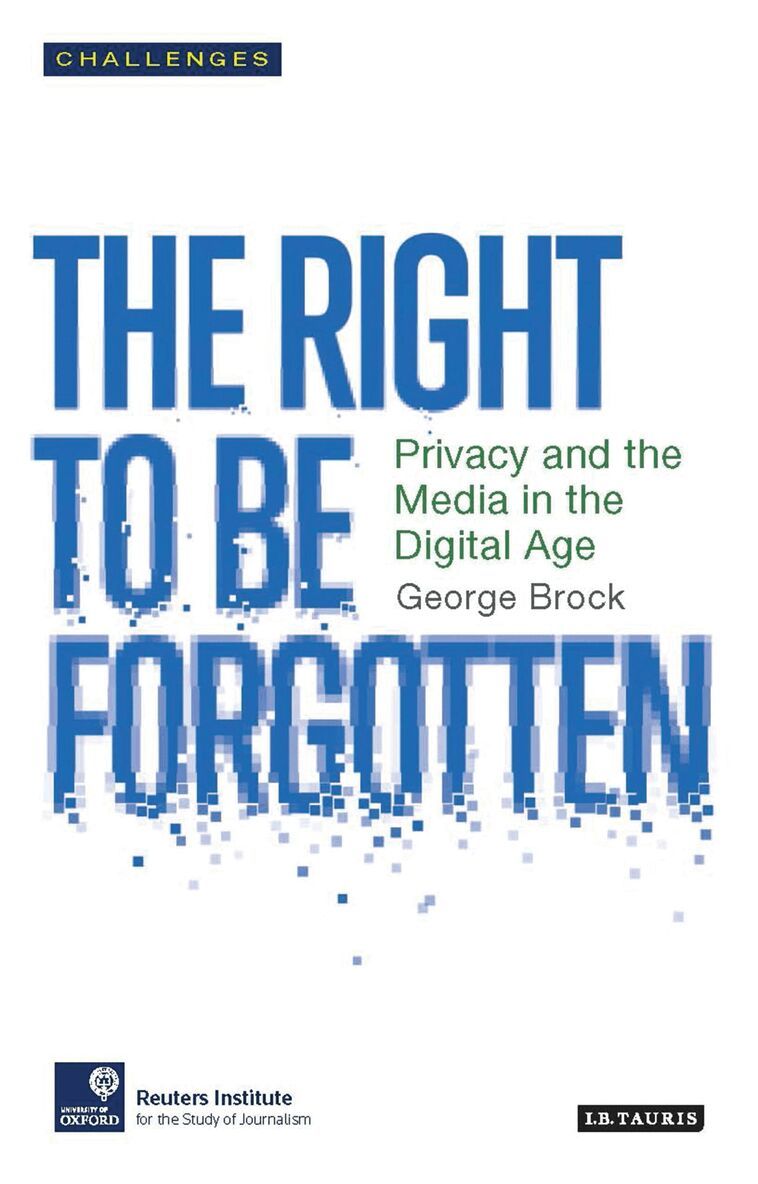
Right to be Forgotten
Privacy and the Media in the Digital Age
Av George Brock
Häftad, 2016
290 kr
Lägg i varukorg
The human race now creates, distributes and stores more information than at any other time in history. Frictionless and cheap digital networks circulate information in ways which either authors or subjects are unable to trace or control. Servers store data which can be found on the world wide web …
Right to be Forgotten
Privacy and the Media in the Digital Age
Av George Brock
E-bok, 2016
312 kr
Lägg i varukorg
The human race now creates, distributes and stores more information than at any other time in history. Frictionless and cheap digital networks circulate information in ways which either authors or subjects are unable to trace or control. Servers store data which can be found on the world wide web …