Roman Conquests - Böcker
Visar alla böcker i serien Roman Conquests. Handla med fri frakt och snabb leverans.
4 produkter
4 produkter
163 kr
Skickas
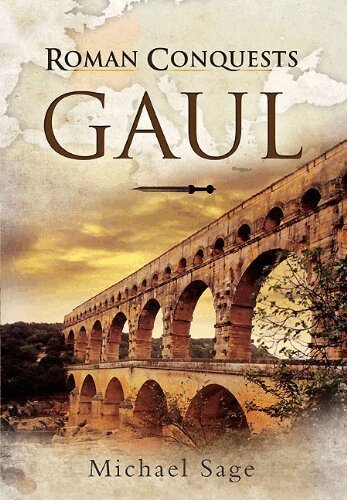
This latest volume in the Roman Conquests: series deals with some of the best known Roman campaigns of all. Indeed, due to the involvement of Julius Caesar and the commentaries he wrote upon them, these are some of the most studied of any ancient campaigns. Before Caesar, however, Rome had already established a foothold across the Alps in Gaul (the Province, modern Provence) and Michael M Sage starts with these early acquisitions which were largely reactive and defensive. The Gauls were one of the great warrior societies of ancient Europe and some of Rome's heaviest defeats were suffered here at the end of the second century BC. This context makes all the more remarkable the dazzling success of the audacious campaigns, just half a century later, by which Caesar rapidly completed the initial conquest of the rest of Gaul. The subsequent revolts that soon occurred, culminating in the great unified rising under Vercingetorix, are also covered in detail, with the epic siege of Alesia as the dramatic climax. Michael Sage narrates and analyses all these campaigns, showing how the Roman war machine was able ultimately able to overcome vastly superior numbers of Celtic warriors to extend Rome's rule from the Mediterranean to the English Channel.
163 kr
Skickas
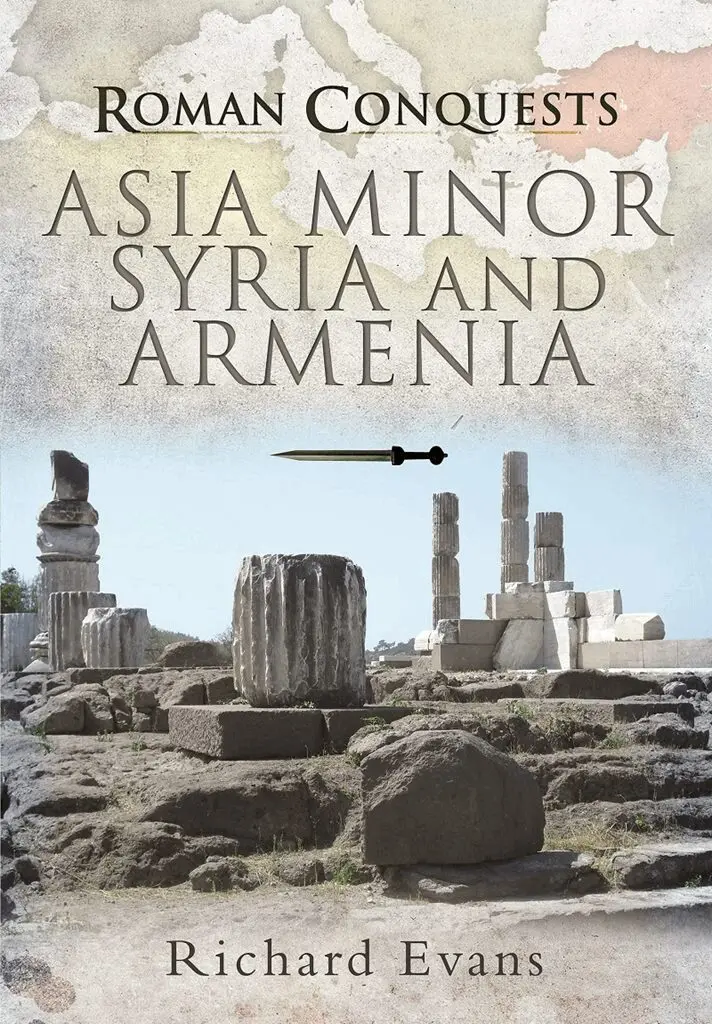
While conquering Greece and Macedonia the Romans defeated an intervention by the Seleucid Empire, the most powerful of the Hellenistic states founded by Alexander the Great's successors. Soon Roman armies crossed to Asia for the first time to carry the war to the Seleucids. Here they faced one of the most sophisticated armies of the ancient world, evolved from Alexander's all-conquering war machine with the exotic additions of elephants, scythed chariots and heavily armoured cataphract cavalry. The Seleucids also possessed a formidable navy.The Roman army defeated the Seleucids at the epic battle of Magnesia in 190 BC, which marked the beginning of a long decline for Seleucid power in Asia . This, however, allowed other states to come to the fore, most notably Pontus . In the 1st century BC, Rome 's grip on its Asian provinces was shattered by the onslaught of Mithridates VI of Pontus, Rome 's most enduring foe. Mithridates was eventually overcome, after many Roman reverses, but these wars in turn led to conflict with Armenia .Like the other volumes in this series, this book gives a clear narrative of the course of these wars, explaining how the Roman war machine coped with formidable new foes and the challenges of unfamiliar terrain and climate. This volume draws on Dr Evans' expertise in studying topography in relation to ancient events and specifically his original research into the battlefield of Magnesia.
152 kr
Skickas
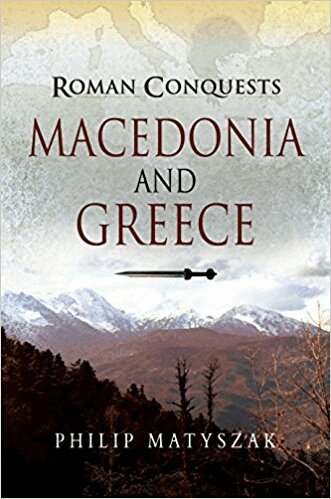
In the late 3rd century BC, while Rome struggled for her very survival against the Carthaginians in the Second Punic War, Philip V of Macedon allied with Hannibal in pursuit of his dream for a new Macedonian empire. Once Carthage was defeated, however, the Roman army for the first time turned its full attention to the Greek world.The stage was set for the clash of two of the most successful military systems of the ancient world, the Roman legions versus the Macedonian phalanx. Though sorely tested, the legions emerged victorious fromthe epic battles of Cynoscephalae and Pydna. The home of Alexander the Great fell under the power of Rome, along with the rest of Greece, the cradle of Western Civilization, which had a profound effect on Roman culture and society.Philip Matyszak gives a clear narrative of the course of these wars, explaining how the Roman war machine coped with formidable new foes and the challenges of unfamiliar terrain. Specially-commissioned colour plates bring the main troop types vividly to life in meticulously-researched detail.
163 kr
Skickas
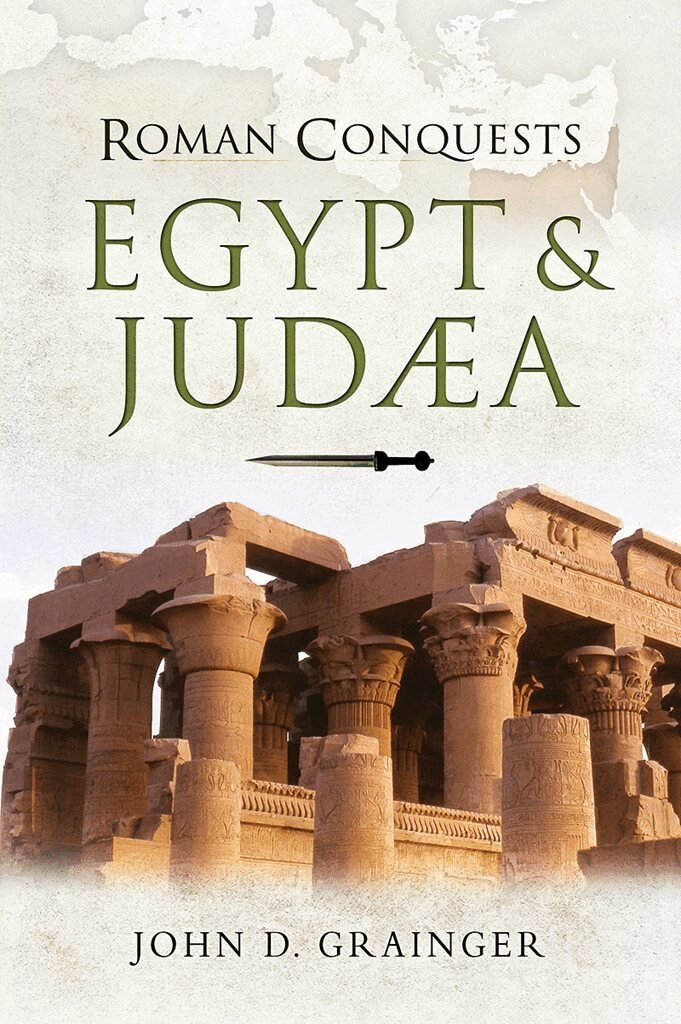
Egypt was the last of the Macedonian Successor states to be swallowed up by Roman expansion. The Ptolemaic rulers had allied themselves to Rome while their rivals went down fighting. However, Cleopatra's famous love affair with Marc Antony ensured she was on the wrong side of the Roman civil war between him and Octavian (later to become Caesar Augustus). After the defeat of Antony and Cleopatra at the naval battle of Actium, Octavian swiftly brought it under direct Roman control, though it took several campaigns to fully subjugate the whole country. These campaigns have previously been largely neglected. Judaea was a constant source of trouble for the Romans, as it had been for the Seleucids, the previous overlords of the region. The Romans at first were content to rule through client kings like the infamous Herod but were increasingly sucked in to direct military involvement to suppress religiously-inspired revolts. Like the other volumes in this series, this book gives a clear narrative of the course of these campaigns, explaining how the Roman war machine coped with formidable new foes and the challenges of unfamiliar terrain and climate. Specially-commissioned colour plates by the renowned Graham Sumner bring the main troop types vividly to life in meticulously-researched detail.