Routledge Critical Studies in Video Games and Culture – serie
Visar alla böcker i serien Routledge Critical Studies in Video Games and Culture. Handla med fri frakt och snabb leverans.
2 produkter
2 produkter
2 113 kr
Skickas inom 10-15 vardagar
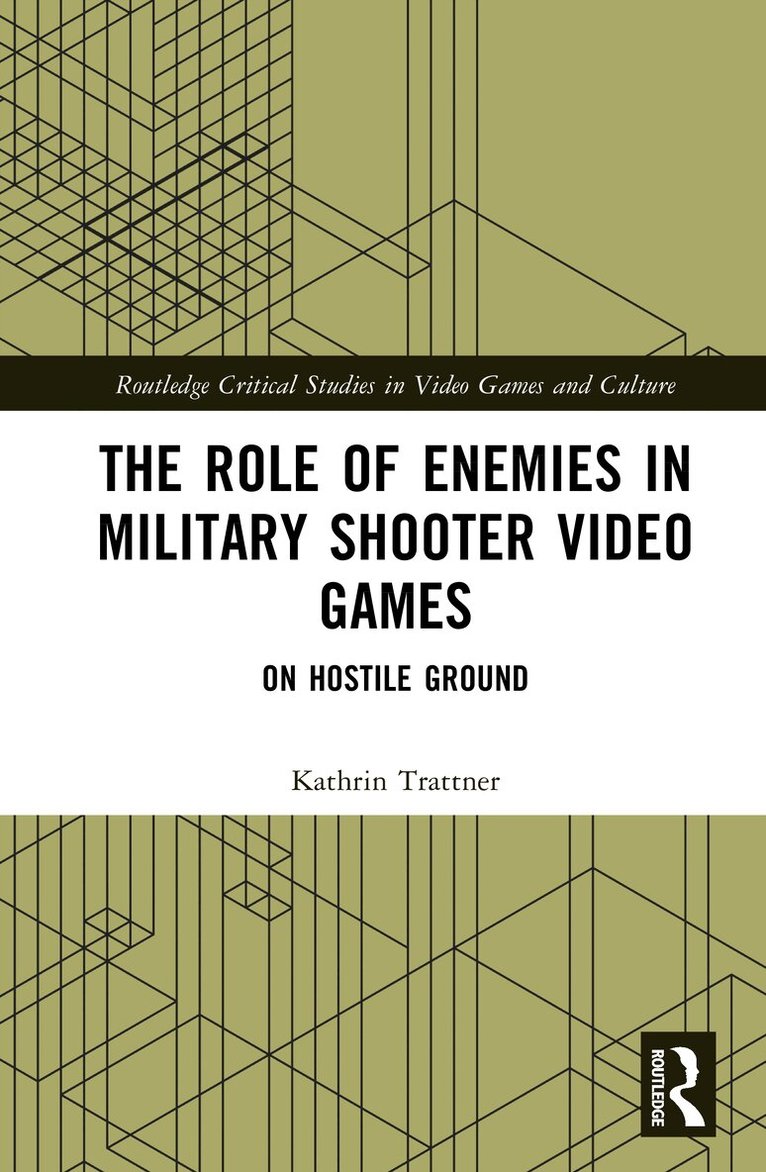
This book delivers a unique way of understanding the heart of every first‑person military shooter game – its enemies – from within the genre itself to present a nuanced view of opponents in war games.The analysis provides a systematic framework for a comparative and intersectional analysis that pays attention to multiple layers of video games, such as narrative, audiovisuality, gameplay, and the construction of ludic space, considering genre‑specific conventions and mechanics. Integrating theories and methods from game studies, cultural studies, and religious studies, this book introduces the concept of “ludic othering.” By applying this concept to a variety of military shooters produced during the heyday of the War on Terror, this book illustrates “ludic othering’s” analytical potential in answering a central question: What social and cultural ascriptions are at play in the representation of enemies?This volume will interest students and scholars of video game studies, religious and cultural studies, digital media, genre, history, postcolonial studies, and communication studies.
768 kr
Skickas inom 10-15 vardagar
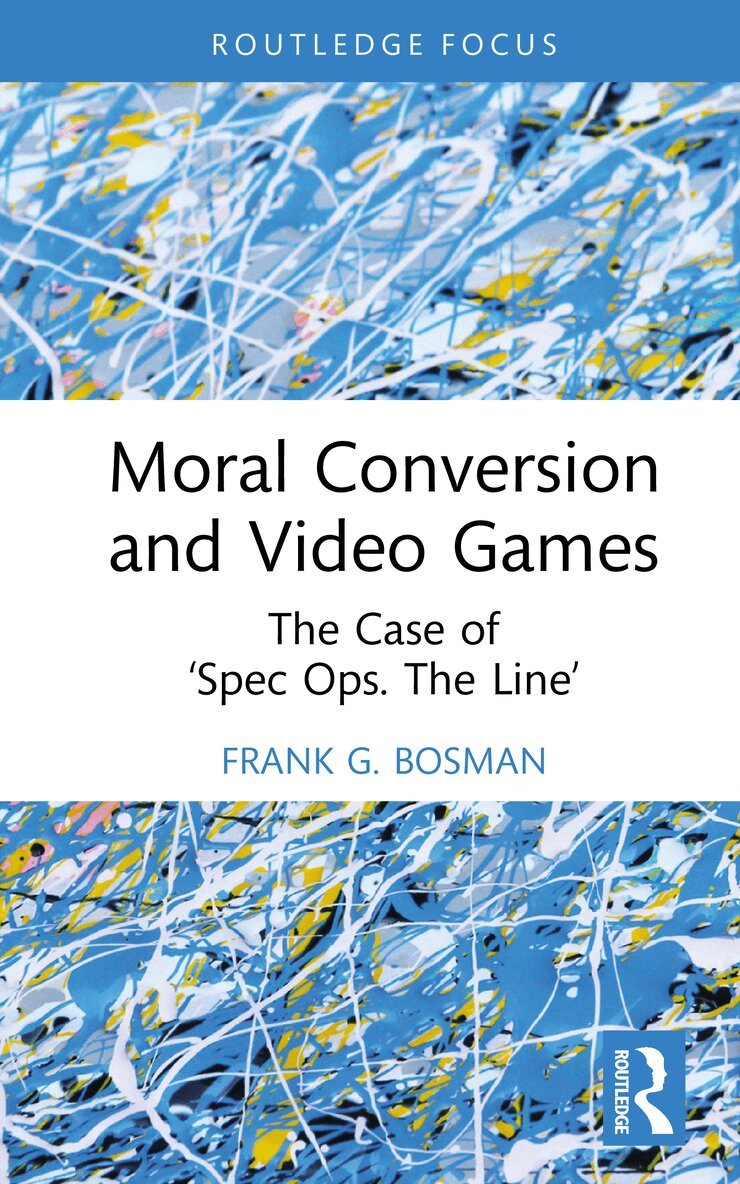
Moral Conversion and Video Games is an in-depth exploration of Spec Ops: The Line, a critically acclaimed video game that subverts its genre by confronting players with the psychological and moral consequences of war.Disguised as a standard third-person shooter, the game gradually reveals a dark, self-critical narrative in which the player’s choices, though seemingly free, lead to horrifying outcomes, most notably a white phosphorus attack on civilians. Praised for its story, aesthetic, and philosophical depth, the game has been interpreted as a critique of glorified violence, American exceptionalism, and the illusion of meaningful choice in video games. Its use of cognitive and ludo-narrative dissonance forces players to reflect on their own complicity in virtual violence. The game’s mirrored reference to Raphael’s Sistine Madonna, recast as a burned mother and child, deepens its ethical and even theological resonance.This insightful and in-depth study will interest researchers and students of video game studies, moral philosophy, and cultural theology.