Routledge Focus on Financial History - Böcker
Visar alla böcker i serien Routledge Focus on Financial History. Handla med fri frakt och snabb leverans.
2 produkter
2 produkter
749 kr
Skickas inom 10-15 vardagar
From the last decades of the seventeenth century until the beginning of the twentieth, the tontine, in one form or another, was a ubiquitous financial instrument. As a revenue-raising tool of governments it supported the cost of war, and as a private capital-raising instrument it provided funding for civic improvement and urban development projects.While the tontine is known today mainly through fictional works (Robert Louis Stevenson, Agatha Christie, and The Simpsons among others), this book tells the history of how it evolved from a public revenue-raising scheme into a popular private investment and infrastructure financing tool, before it was displaced by cheaper forms of borrowing. Focusing on the early development of the tontine, and with European and North American case studies, the narrative brings to life the story of a little-understood financial innovation.This concise and engaging book is an ideal introduction to the history of the tontine for all readers interested in financial history.
845 kr
Kommande
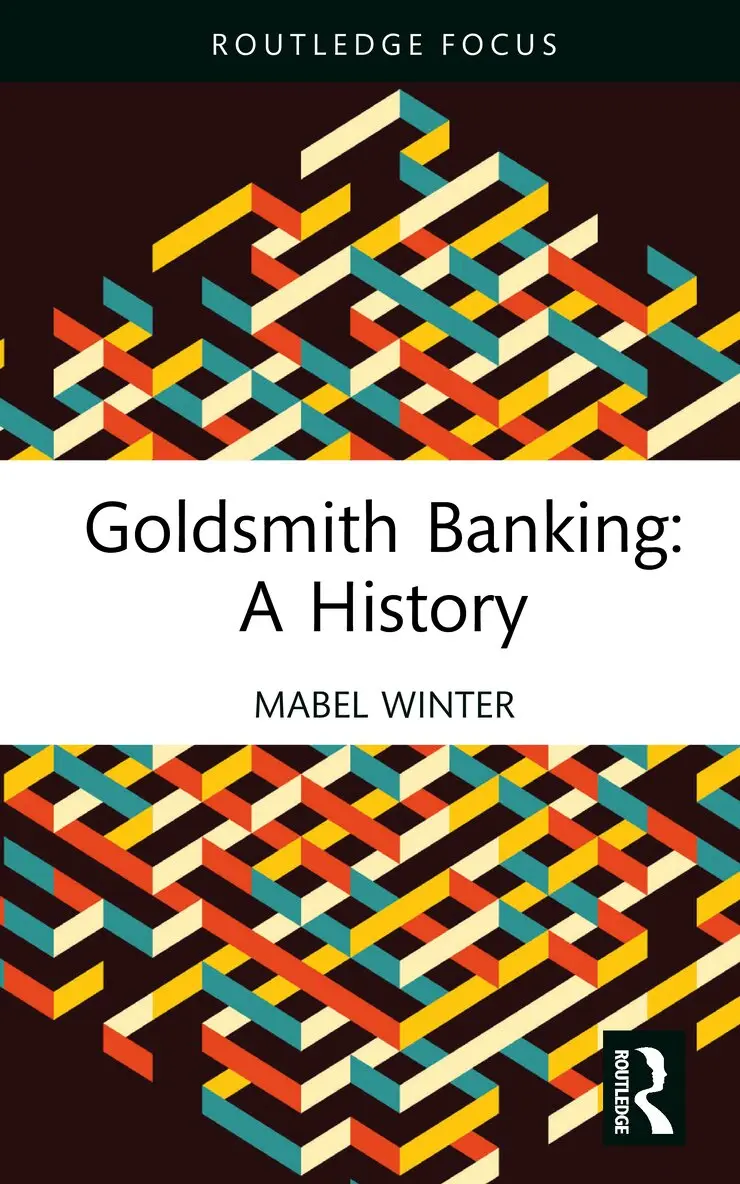
In seventeenth-century England goldsmiths became what we would now recognise as bankers. Goldsmiths’ shops sold not only gold and silver plate but also instruments of credit, such as bonds and bills of exchange, and offered ‘safe’ places to lodge capital at interest. As well as offering financial services to private individuals, goldsmith bankers also became trusted financial agents to the Crown.Whilst some goldsmith banks still survive today, and the likes of Coutts are still associated with the Crown, the link between goldsmiths and banking is largely forgotten in modern Britain. This book explores the history of goldsmith banking from its early seventeenth century origins, through its maturity in the Restoration, the collapse of significant goldsmith banks following the 1672 Stop on the Exchequer, and the continuation of goldsmith banking through the ‘financial revolution’, formation of the Bank of England, and beyond. It combines a general narrative with examples of specific goldsmith banks throughout the period to examine goldsmith bankers’ practices, the instruments they dealt in and popularised, and the innovations in finance they instituted. This concise introduction to goldsmith banking is ideal for students, academics, and those with a general interest in financial history or early modern London.