Routledge Research in Polar Law - Böcker
Visar alla böcker i serien Routledge Research in Polar Law. Handla med fri frakt och snabb leverans.
13 produkter
13 produkter
1 944 kr
Skickas inom 10-15 vardagar
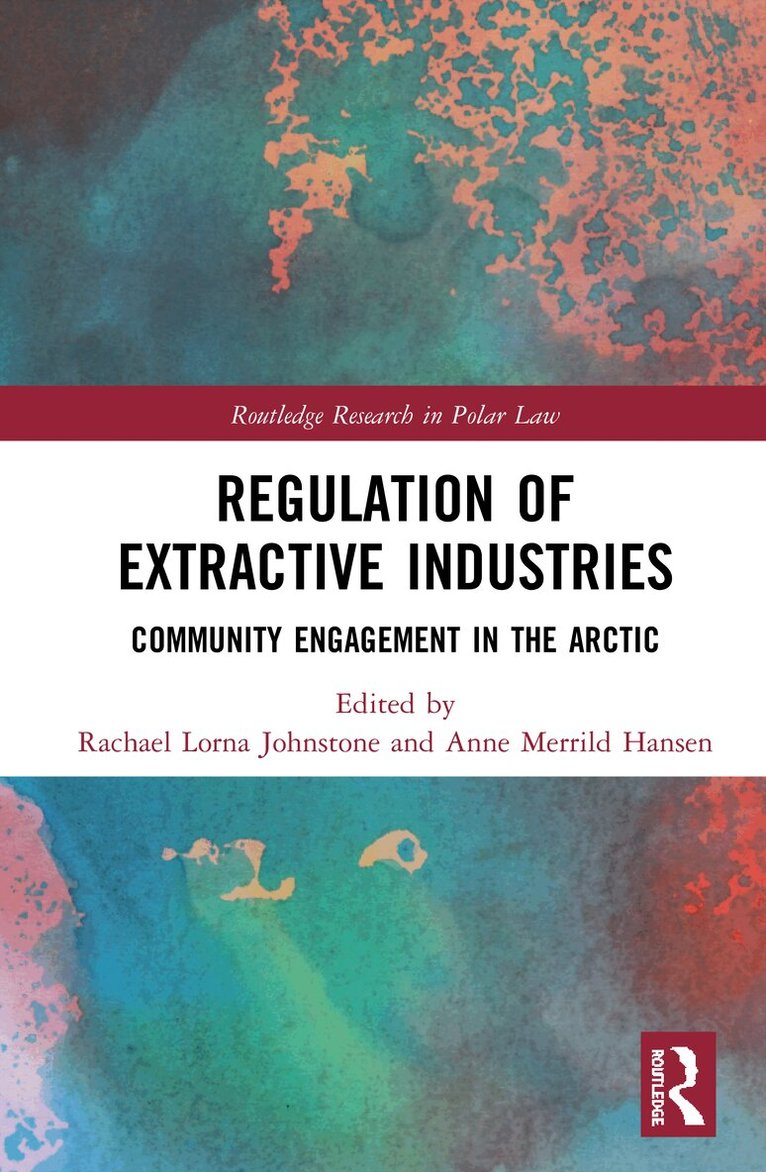
This book intends to inform the key participants in extractive projects – namely, the communities, the host governments and the investors – about good practice for effective community engagement, based on analysis of international standards and expectations, lessons from selected case-studies and innovations in public participation. The extent of extractive industries varies widely around the Arctic as do governmental and social attitudes towards resource development. Whilst most Arctic communities are united in seeking investment to fund education, healthcare, housing, transport and other essential services, as well as wanting to benefit from improved employment and business opportunities, they have different views as to the role that extractive industries should play in this. Within each community, there are multiple perspectives and the goal of public participation is to draw out these perspectives and seek consensus. Part I of the book analyses the international standards that have emerged in recent years regarding public participation, in particular, in respect of indigenous peoples. Part II presents six case studies that aim to identify both good and bad practices and to reflect upon the distinct conditions, needs, expectations, strategies and results for each community examined. Part III explores the importance of meaningful participation from a corporate perspective and identifies some common themes that require consideration if Arctic voices are to shape extractive industries in Arctic communities. In drawing together international law and standards, case studies and examples of good practice, this anthology is a timely and invaluable resource for academics, legal advisors and those working in resource development and public policy.
2 113 kr
Skickas inom 10-15 vardagar
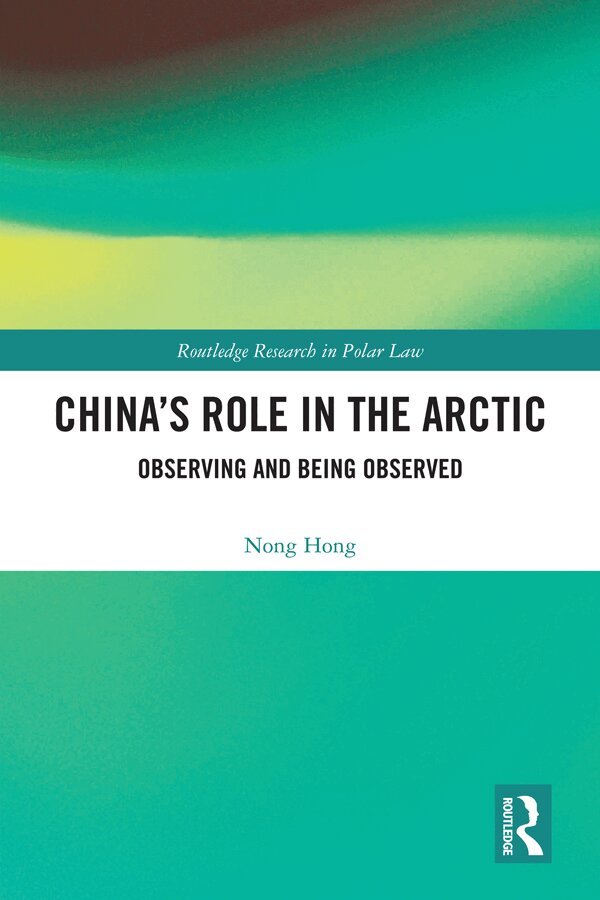
This book explores the growing interests of China in the Arctic and examines the nature of its interests and motivations in maintaining its involvement and presence in the region.The new geopolitical landscape of the Arctic today is a significant departure from the great power politics that existed in the region during the Cold War era. Apart from traditional Arctic states, more and more international organizations and non-Arctic states are showing an increased interest in this region, not least China. Many have attempted to interpret China’s intention in moving to the high north and this book aims to add to the existing literature from three approaches: China’s participation in the international institutions, China’s relationships with the Arctic stakeholders and China’s sectoral engagement in the Arctic. In taking a three-dimensional approach to the analysis, the author builds a comprehensive picture of China’s interests and activities in the Arctic, not only from the perspective of China but also from the viewpoint of other Arctic states (Russia, Canada, the U.S., Norway, Sweden, Denmark, Finland and Iceland).One of the first books in English to cover the subject since the release of China’s Arctic policy white paper in January 2018, this analysis will be of interest to academics, students of Arctic studies, maritime law and international law, as well as policy makers in Arctic and non-Arctic states.
744 kr
Skickas inom 10-15 vardagar
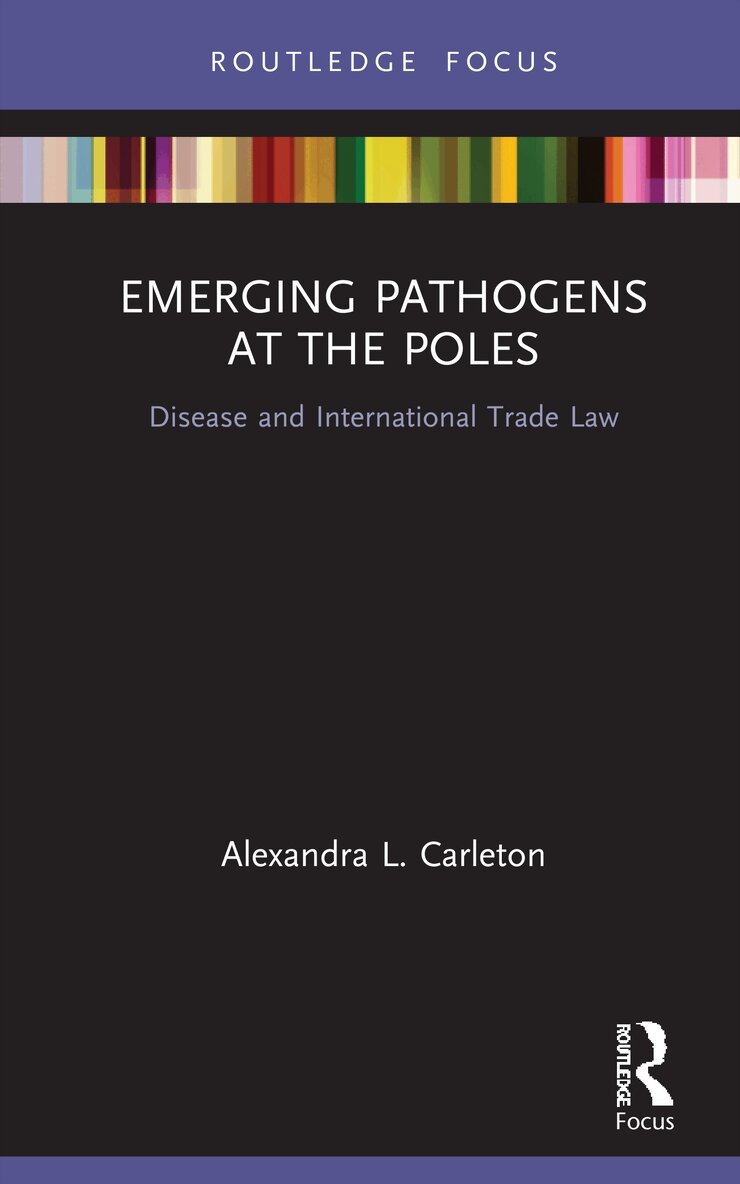
Emerging Pathogens at the Poles: Disease and International Trade Law explores the applicability and possible complicating issues of the SPS Protocol to the Polar Regions in light of emerging pathogeneses and unknown host and environmental susceptibility and resilience.It examines the current literature on emerging pathogeneses in the Arctic and Antarctic and the relationship pathogeneses has with human development and movement of goods and people in spreading pathogens in the Polar Regions. Given the endemic nature of the Polar environment and the increasing interest in these regions for tourism and industry, this topic is important to address. The major component of the work is on the relevance of the SPS Protocol and the GATT 1994 Article XX(b) exception on human, animal and plant health as a barrier to trade which is examined in the context of its application to the Arctic and Antarctic. This book is an introduction to the interdisciplinary thinking required, across both science and law, in order to appreciate the significance of global trade barriers in reducing disease transmission and spread.The spread of pathogens across boundaries has become an important geopolitical issue and the provisions of international trade law may prove decisive in limiting or exacerbating the spread of disease. Academics and students with initial knowledge of the international trade regime, or those with initial studies in health or Polar medicine, will find this cross-over a useful introduction to the complications of food, trade and disease.
646 kr
Skickas inom 10-15 vardagar
This book explores the growing interests of China in the Arctic and examines the nature of its interests and motivations in maintaining its involvement and presence in the region.The new geopolitical landscape of the Arctic today is a significant departure from the great power politics that existed in the region during the Cold War era. Apart from traditional Arctic states, more and more international organizations and non-Arctic states are showing an increased interest in this region, not least China. Many have attempted to interpret China’s intention in moving to the high north and this book aims to add to the existing literature from three approaches: China’s participation in the international institutions, China’s relationships with the Arctic stakeholders and China’s sectoral engagement in the Arctic. In taking a three-dimensional approach to the analysis, the author builds a comprehensive picture of China’s interests and activities in the Arctic, not only from the perspective of China but also from the viewpoint of other Arctic states (Russia, Canada, the U.S., Norway, Sweden, Denmark, Finland and Iceland).One of the first books in English to cover the subject since the release of China’s Arctic policy white paper in January 2018, this analysis will be of interest to academics, students of Arctic studies, maritime law and international law, as well as policy makers in Arctic and non-Arctic states.
578 kr
Skickas inom 10-15 vardagar
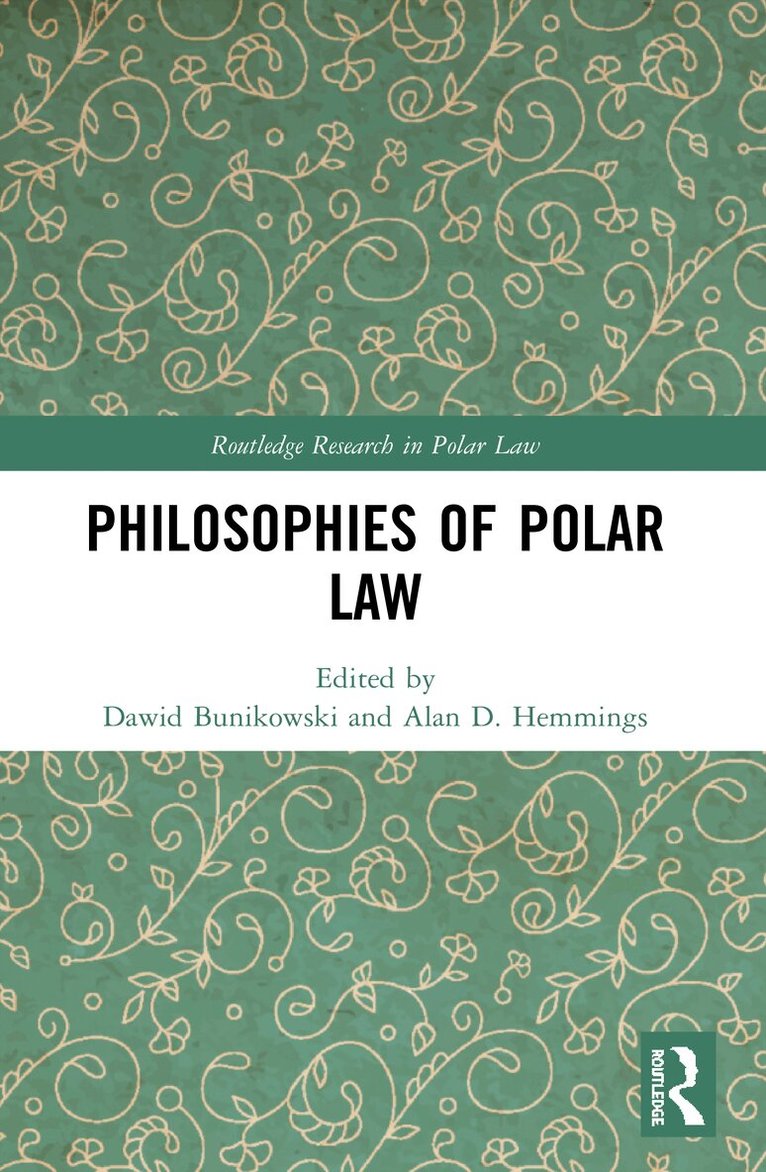
Analysing the most important concepts and problems of the philosophy of polar law, this book focuses on the legal regimes relating to both the Arctic and Antarctic.The book addresses the most fundamental concepts and problems of polar law, looking beyond the apparent biophysical similarities and differences of the two polar regions, to tackle the distinctive legal problems relating to each polar region. It examines key legal–philosophical areas of the philosophy of law around legal interpretation; the role of nation states, reflected in concepts of territorial sovereignty – whether recognised or merely asserted, the exercise of jurisdiction, and the philosophical justifications for such claims; as well as indigenous rights, land rights, civil commons and issues of justice. The book will be of interest to students and scholars of polar law, land law, heritage law, international relations in the polar regions and the wider polar social sciences and humanities.
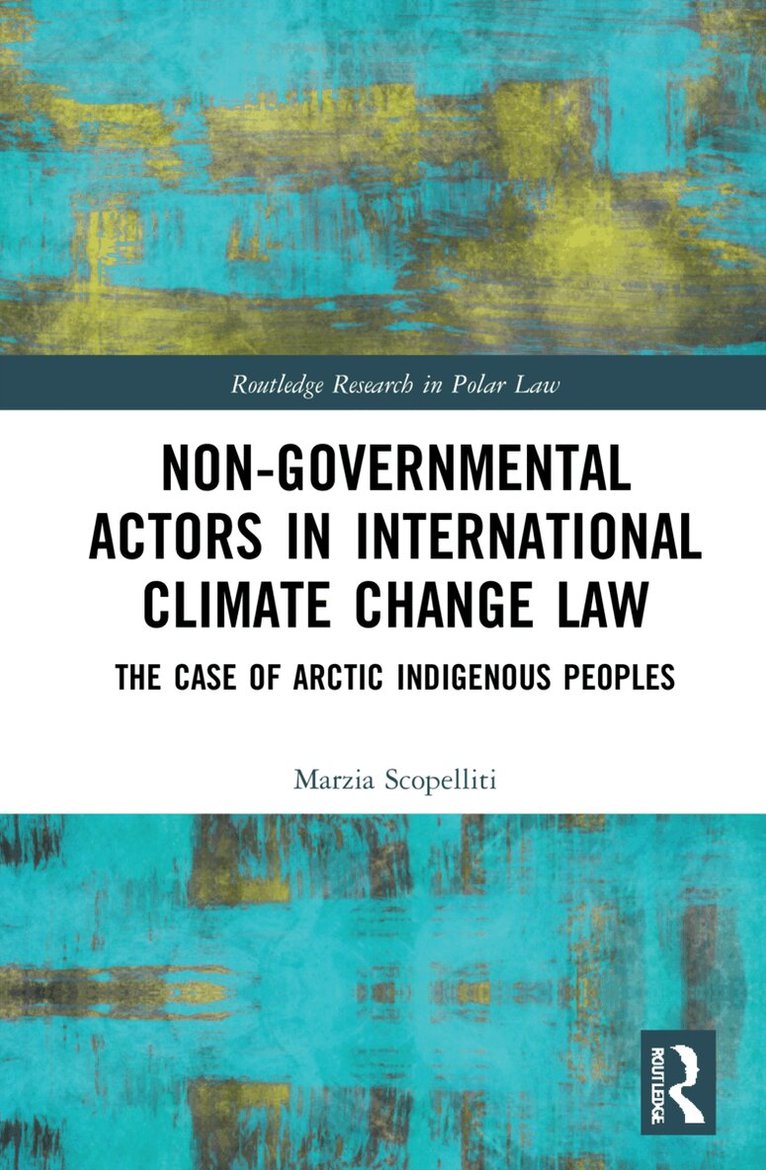
Non-Governmental Actors in International Climate Change Law
The Case of Arctic Indigenous Peoples
Inbunden, Engelska, 2021
1 944 kr
Skickas inom 10-15 vardagar
Focusing on how to improve the participation of non-governmental actors in the making of international climate change laws, this book is a conversation on the relevance of a human rights-based approach to international climate change law-making.The book considers a possible reform of the United Nations Framework Convention on Climate Change institutional arrangement, inspired by the practice and model of participation of Arctic Indigenous Peoples in the Arctic Council. Different non-State entities play a fundamental role in the development and enforcement of the climate change regime by enhancing the knowledge base of decision-making, keeping States in line with their commitments, and engaging in private initiatives aimed at mitigating the impacts of global warming. Albeit non-governmental and subnational actors increasingly work alongside States in the making of a climate change regime, the category of observers through which they participate in intergovernmental negotiations only gives them limited rights and their participation in international norm-making has at times been impaired. The relevance of a human rights-based approach consists in recognising the status of individuals and groups as rights-holders under human rights law, a paradigm that was first established by Arctic Indigenous Peoples when claiming their participatory rights in the Arctic Council, the main forum of governance of the Arctic region. This book argues that, in the absence of a globally binding treaty regulating procedural rights in intergovernmental negotiations, the emerging relationship between human rights and climate change could serve as a legal basis for the enhancement of non-governmental actors’ procedural rights, establishing the right to participation as a right in itself and which can benefit the governance of climate change.Due to the relevance of the addressed subject, the book is destined to a broad readership and will be of use to academic researchers, law practitioners, policy-makers and non-governmental organisations’ representatives.
Non-Governmental Actors in International Climate Change Law
The Case of Arctic Indigenous Peoples
Häftad, Engelska, 2023
531 kr
Skickas inom 10-15 vardagar
Focusing on how to improve the participation of non-governmental actors in the making of international climate change laws, this book is a conversation on the relevance of a human rights-based approach to international climate change law-making.The book considers a possible reform of the United Nations Framework Convention on Climate Change institutional arrangement, inspired by the practice and model of participation of Arctic Indigenous Peoples in the Arctic Council. Different non-State entities play a fundamental role in the development and enforcement of the climate change regime by enhancing the knowledge base of decision-making, keeping States in line with their commitments, and engaging in private initiatives aimed at mitigating the impacts of global warming. Albeit non-governmental and subnational actors increasingly work alongside States in the making of a climate change regime, the category of observers through which they participate in intergovernmental negotiations only gives them limited rights and their participation in international norm-making has at times been impaired. The relevance of a human rights-based approach consists in recognising the status of individuals and groups as rights-holders under human rights law, a paradigm that was first established by Arctic Indigenous Peoples when claiming their participatory rights in the Arctic Council, the main forum of governance of the Arctic region. This book argues that, in the absence of a globally binding treaty regulating procedural rights in intergovernmental negotiations, the emerging relationship between human rights and climate change could serve as a legal basis for the enhancement of non-governmental actors’ procedural rights, establishing the right to participation as a right in itself and which can benefit the governance of climate change.Due to the relevance of the addressed subject, the book is destined to a broad readership and will be of use to academic researchers, law practitioners, policy-makers and non-governmental organisations’ representatives.
256 kr
Skickas inom 10-15 vardagar
Emerging Pathogens at the Poles: Disease and International Trade Law explores the applicability and possible complicating issues of the SPS Protocol to the Polar Regions in light of emerging pathogeneses and unknown host and environmental susceptibility and resilience.It examines the current literature on emerging pathogeneses in the Arctic and Antarctic and the relationship pathogeneses has with human development and movement of goods and people in spreading pathogens in the Polar Regions. Given the endemic nature of the Polar environment and the increasing interest in these regions for tourism and industry, this topic is important to address. The major component of the work is on the relevance of the SPS Protocol and the GATT 1994 Article XX(b) exception on human, animal and plant health as a barrier to trade which is examined in the context of its application to the Arctic and Antarctic. This book is an introduction to the interdisciplinary thinking required, across both science and law, in order to appreciate the significance of global trade barriers in reducing disease transmission and spread.The spread of pathogens across boundaries has become an important geopolitical issue and the provisions of international trade law may prove decisive in limiting or exacerbating the spread of disease. Academics and students with initial knowledge of the international trade regime, or those with initial studies in health or Polar medicine, will find this cross-over a useful introduction to the complications of food, trade and disease.
569 kr
Skickas inom 10-15 vardagar
This book intends to inform the key participants in extractive projects – namely, the communities, the host governments and the investors – about good practice for effective community engagement, based on analysis of international standards and expectations, lessons from selected case-studies and innovations in public participation. The extent of extractive industries varies widely around the Arctic as do governmental and social attitudes towards resource development. Whilst most Arctic communities are united in seeking investment to fund education, healthcare, housing, transport and other essential services, as well as wanting to benefit from improved employment and business opportunities, they have different views as to the role that extractive industries should play in this. Within each community, there are multiple perspectives and the goal of public participation is to draw out these perspectives and seek consensus. Part I of the book analyses the international standards that have emerged in recent years regarding public participation, in particular, in respect of indigenous peoples. Part II presents six case studies that aim to identify both good and bad practices and to reflect upon the distinct conditions, needs, expectations, strategies and results for each community examined. Part III explores the importance of meaningful participation from a corporate perspective and identifies some common themes that require consideration if Arctic voices are to shape extractive industries in Arctic communities. In drawing together international law and standards, case studies and examples of good practice, this anthology is a timely and invaluable resource for academics, legal advisors and those working in resource development and public policy.
569 kr
Skickas inom 10-15 vardagar
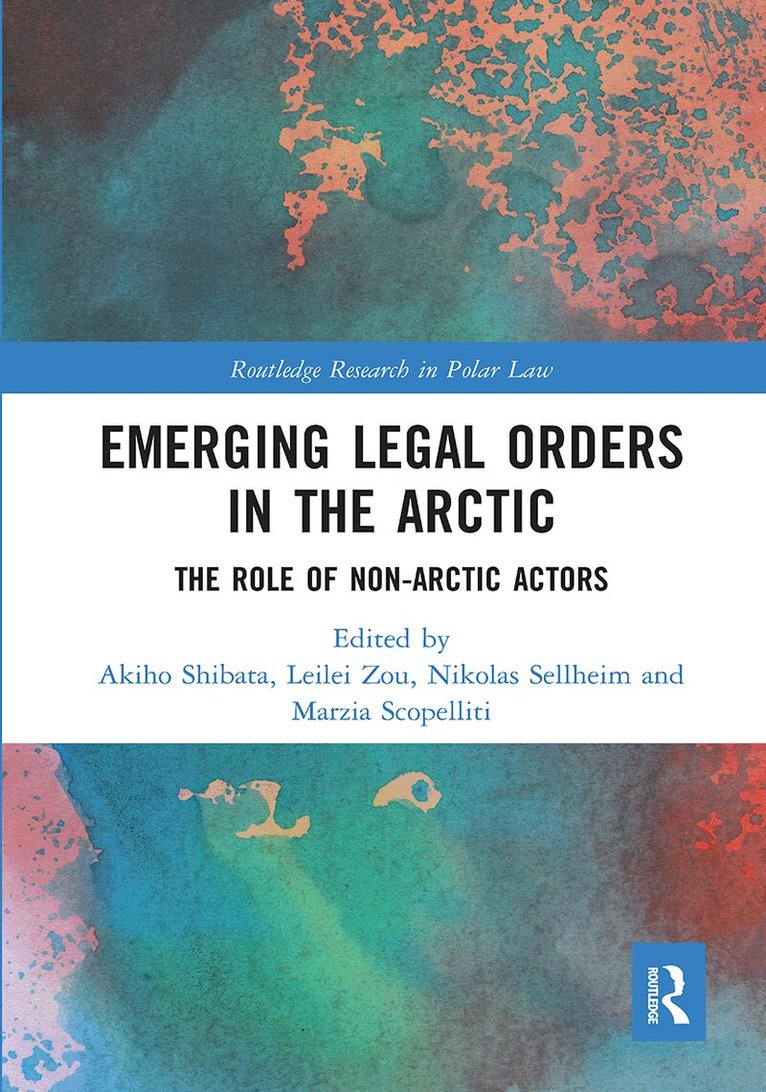
More than ever before the changing environmental and political landscape in the Arctic requires stability and foreseeability based on resilient common norms. The emerging legal orders in the Arctic cannot be legitimately created or effectively implemented unless all relevant actors are involved. Simultaneously, it must always be based on respect for the sovereign rights of the eight Arctic states in the region, as well as the tradition and cultural livelihood of the local communities. It is this delicate balance between Arctic and non-Arctic interests that is the core problématique for the emerging legal orders in the Arctic.Emerging Legal Orders in the Arctic critically examines the role of non-Arctic actors in this advancement of the shape and scope of the Arctic legal order. Discussing the admittance and participation of Observer states and organisations in the Arctic Council, including task force meetings where new treaties are negotiated, it details the issues and successes this can result in. Setting up the context of the current legal orders in the Arctic, the book discusses Asian, indigenous and European perspectives, amongst others. There is a strong focus on the groundbreaking fisheries agreement of November 2017 in the Central Arctic Ocean (CAO), and the impact on both Arctic and non-Arctic actors. Interests in marine living resources, scientific cooperation and the Arctic shipping regimes and governance are also thoroughly discussed from multiple perspectives.The book combines the expertise of academics and practitioners in the fields of international law and Arctic governance, uniquely focusing on Asian actors in the Arctic legal order-making. The resulting study is a fascinating insight into the interplay between non-Arctic actors and the Arctic legal order, and will be invaluable to academics in the field of Arctic and international law.
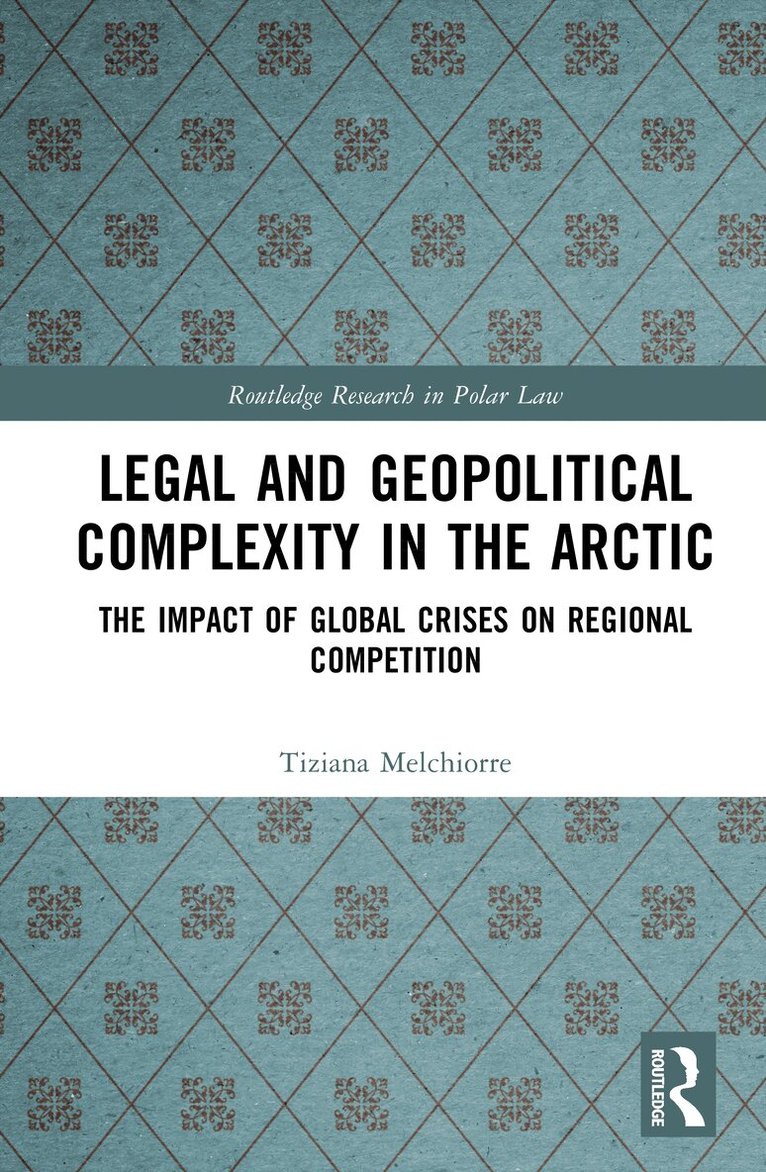
Legal and Geopolitical Complexity in the Arctic
The Impact of Global Crises on Regional Competition
Inbunden, Engelska, 2025
1 944 kr
Skickas inom 10-15 vardagar
This book examines the evolving geopolitical landscape of the Arctic, focusing on the impact of climate change and the war in Ukraine on regional and international relations from a legal and geopolitical perspective.As Arctic ice melts, newly accessible natural resources and transportation routes are intensifying territorial and maritime disputes, heightening competition and tensions among regional states. The war in Ukraine has further strained relations between the West and Russia, disrupting political, economic, and scientific cooperation while accelerating the militarisation of the Arctic. In response to Russia’s aggressive actions in Eastern Europe, Western states have expanded their military presence in the region, while Russia has modernised its Arctic military infrastructure. Through analysing these developments, the book highlights the interconnection between regional and global dynamics. It argues that climate change and geopolitical conflict are transforming the Arctic from the ‘last frontier’ into the ‘first frontier’; a strategic arena where states, both within and beyond the region, seek to assert their geopolitical and economic interests. Adopting an interdisciplinary approach that integrates international relations, international law, and history, this book provides a comprehensive examination of the Arctic’s legal and geopolitical complexities.The book will be of interest to researchers in the field of international relations and public international law, as well as environmental and Arctic law.
1 944 kr
Skickas inom 10-15 vardagar
More than ever before the changing environmental and political landscape in the Arctic requires stability and foreseeability based on resilient common norms. The emerging legal orders in the Arctic cannot be legitimately created or effectively implemented unless all relevant actors are involved. Simultaneously, it must always be based on respect for the sovereign rights of the eight Arctic states in the region, as well as the tradition and cultural livelihood of the local communities. It is this delicate balance between Arctic and non-Arctic interests that is the core problématique for the emerging legal orders in the Arctic.Emerging Legal Orders in the Arctic critically examines the role of non-Arctic actors in this advancement of the shape and scope of the Arctic legal order. Discussing the admittance and participation of Observer states and organisations in the Arctic Council, including task force meetings where new treaties are negotiated, it details the issues and successes this can result in. Setting up the context of the current legal orders in the Arctic, the book discusses Asian, indigenous and European perspectives, amongst others. There is a strong focus on the groundbreaking fisheries agreement of November 2017 in the Central Arctic Ocean (CAO), and the impact on both Arctic and non-Arctic actors. Interests in marine living resources, scientific cooperation and the Arctic shipping regimes and governance are also thoroughly discussed from multiple perspectives.The book combines the expertise of academics and practitioners in the fields of international law and Arctic governance, uniquely focusing on Asian actors in the Arctic legal order-making. The resulting study is a fascinating insight into the interplay between non-Arctic actors and the Arctic legal order, and will be invaluable to academics in the field of Arctic and international law.
1 944 kr
Skickas inom 10-15 vardagar
Analysing the most important concepts and problems of the philosophy of polar law, this book focuses on the legal regimes relating to both the Arctic and Antarctic.The book addresses the most fundamental concepts and problems of polar law, looking beyond the apparent biophysical similarities and differences of the two polar regions, to tackle the distinctive legal problems relating to each polar region. It examines key legal–philosophical areas of the philosophy of law around legal interpretation; the role of nation states, reflected in concepts of territorial sovereignty – whether recognised or merely asserted, the exercise of jurisdiction, and the philosophical justifications for such claims; as well as indigenous rights, land rights, civil commons and issues of justice. The book will be of interest to students and scholars of polar law, land law, heritage law, international relations in the polar regions and the wider polar social sciences and humanities.