Routledge Studies in Middle Eastern Geography - Böcker
Visar alla böcker i serien Routledge Studies in Middle Eastern Geography. Handla med fri frakt och snabb leverans.
5 produkter
5 produkter
618 kr
Skickas inom 10-15 vardagar
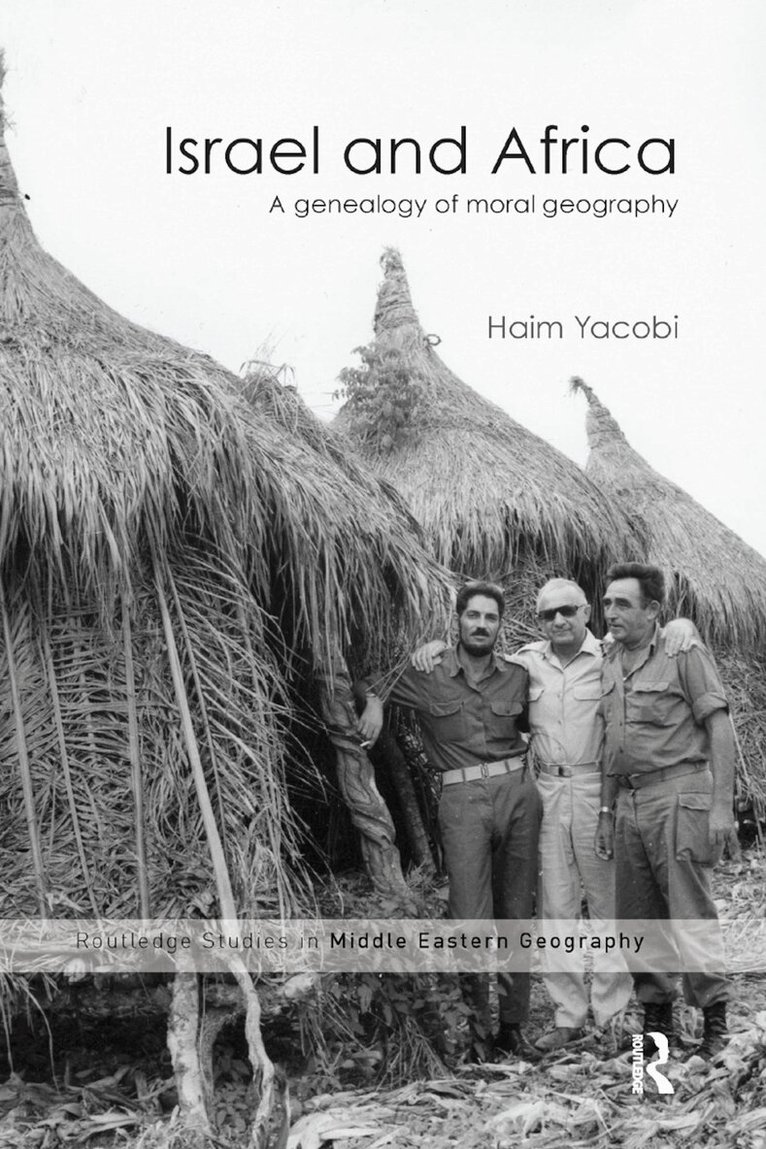
Israel and Africa critically examines the ways in which Africa – as a geopolitical entity - is socially manufactured, collectively imagined but also culturally denied in Israeli politics. Its unique exploration of moral geography and its comprehensive, interdisciplinary research on the two countries offers new perspectives on Israeli history and society.Through a genealogical investigation of the relationships between Israel and Africa, this book sheds light on the processes of nationalism, development and modernization, exploring Africa’s role as an instrument in the constant re-shaping of Zionism. Through looking at "Israel in Africa" as well as "Africa in Israel", it provides insightful analysis on the demarcation of Israel's ethnic boundaries and identity formation as well as proposing the different practices, from architectural influences to the arms trade, that have formed the geopolitical concept of "Africa". It is through these practices that Israel reproduces its internal racial and ethnic boundaries and spaces, contributing to its geographical imagination as detached not solely from the Middle East but also from its African connections.This book would be of interest to students and scholars of Middle East and Jewish Studies, as well as Post-colonial Studies, Geography and Architectural History.
2 113 kr
Skickas inom 10-15 vardagar
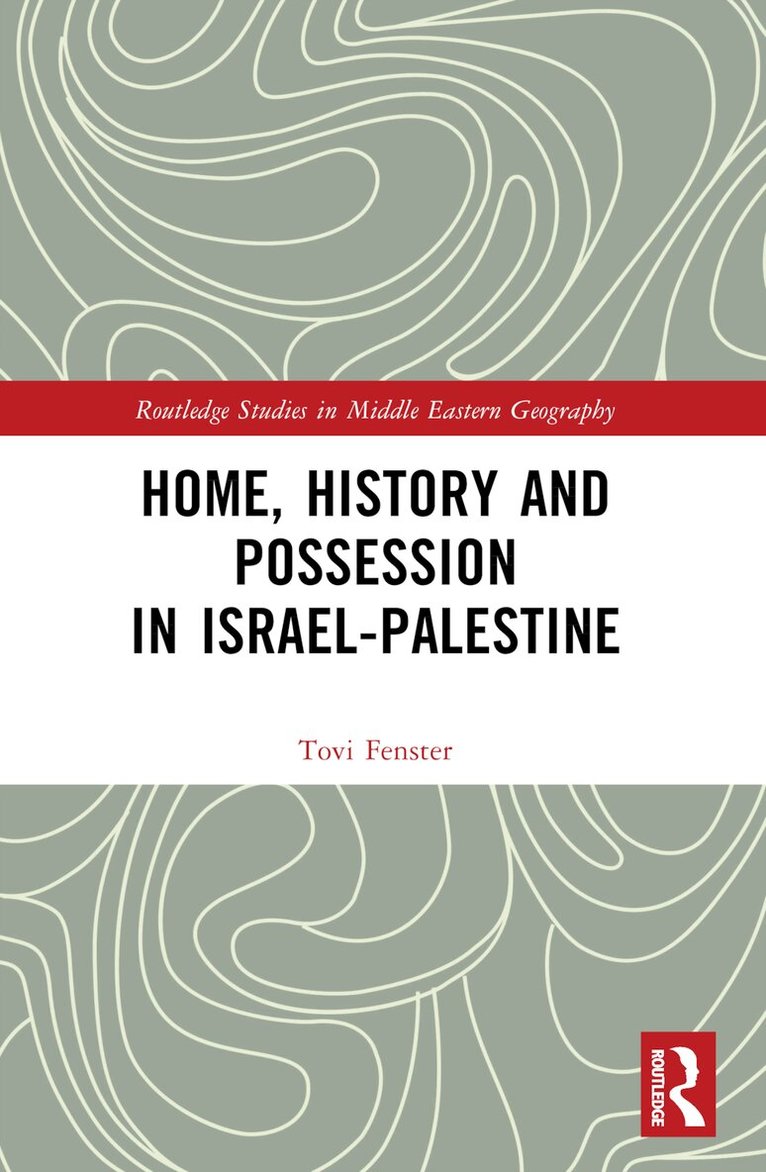
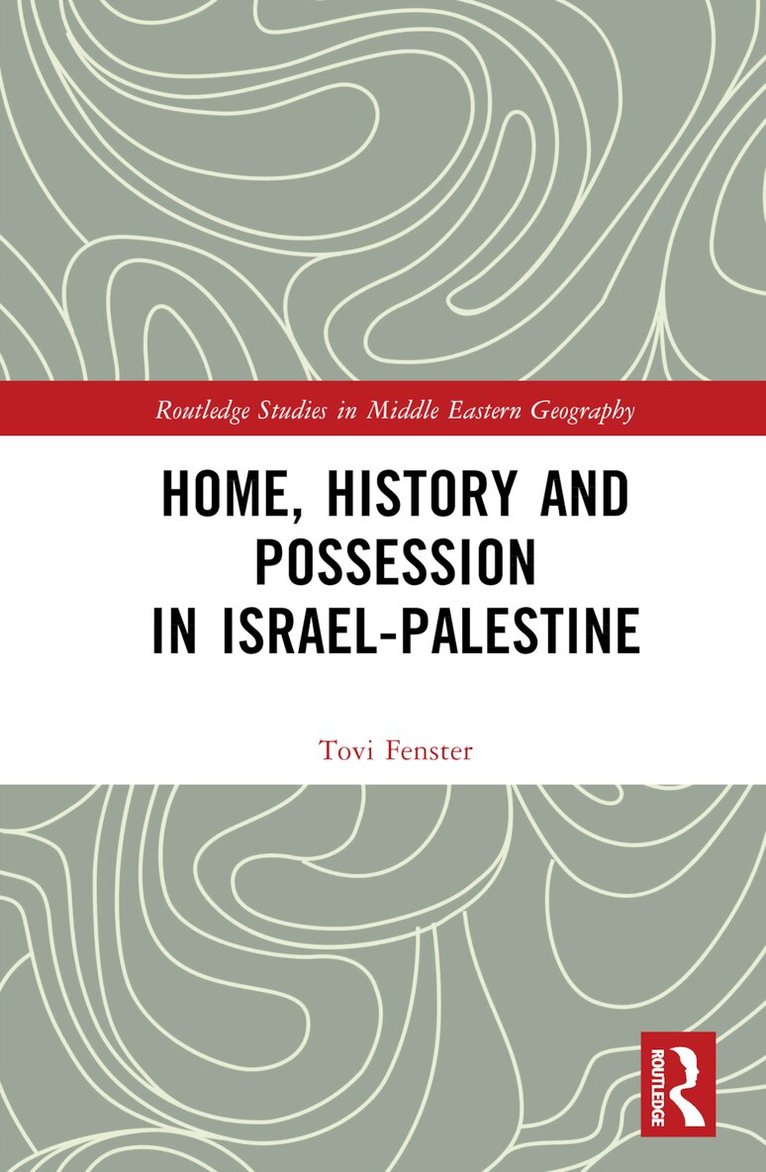
Taking a micro-geographical approach to Israeli-Palestinian relations, this book analyses the history of space and place in West Jerusalem and Jaffa in the context of specific addresses.Based on the unique and innovative ‘archaeology of addresses’ methodology, the book provides an in-depth analysis of 11 specific sites. This ‘micro’ perspective – paying particular attention to the history and past ownership of an individual property – allows the author to draw new insights into the process of ‘population exchange’ that took place in 1948 when Jewish people began to populate Palestinian deserted homes after the Nakba. By looking at archival planning documents, the histories of addresses as ‘contact zones’ between previous and current owners are revealed. Moreover, the research on each address highlights new theoretical understandings, encompassing: the micro-politics of the contact zone; mediated agonism; ruinations and beginnings; creative destruction in urban planning; the right to the city and the right to return; the violence of property; and fragmented settler colonialism. The book concludes by proposing practical applications of the research in teaching and planning practice.The book will prove important reading for students and researchers interested in urban planning, Middle Eastern geography, and the history of the Israeli-Palestinian conflict.
591 kr
Skickas inom 10-15 vardagar
Taking a micro-geographical approach to Israeli-Palestinian relations, this book analyses the history of space and place in West Jerusalem and Jaffa in the context of specific addresses.Based on the unique and innovative ‘archaeology of addresses’ methodology, the book provides an in-depth analysis of 11 specific sites. This ‘micro’ perspective – paying particular attention to the history and past ownership of an individual property – allows the author to draw new insights into the process of ‘population exchange’ that took place in 1948 when Jewish people began to populate Palestinian deserted homes after the Nakba. By looking at archival planning documents, the histories of addresses as ‘contact zones’ between previous and current owners are revealed. Moreover, the research on each address highlights new theoretical understandings, encompassing: the micro-politics of the contact zone; mediated agonism; ruinations and beginnings; creative destruction in urban planning; the right to the city and the right to return; the violence of property; and fragmented settler colonialism. The book concludes by proposing practical applications of the research in teaching and planning practice.The book will prove important reading for students and researchers interested in urban planning, Middle Eastern geography, and the history of the Israeli-Palestinian conflict.
2 176 kr
Skickas inom 10-15 vardagar
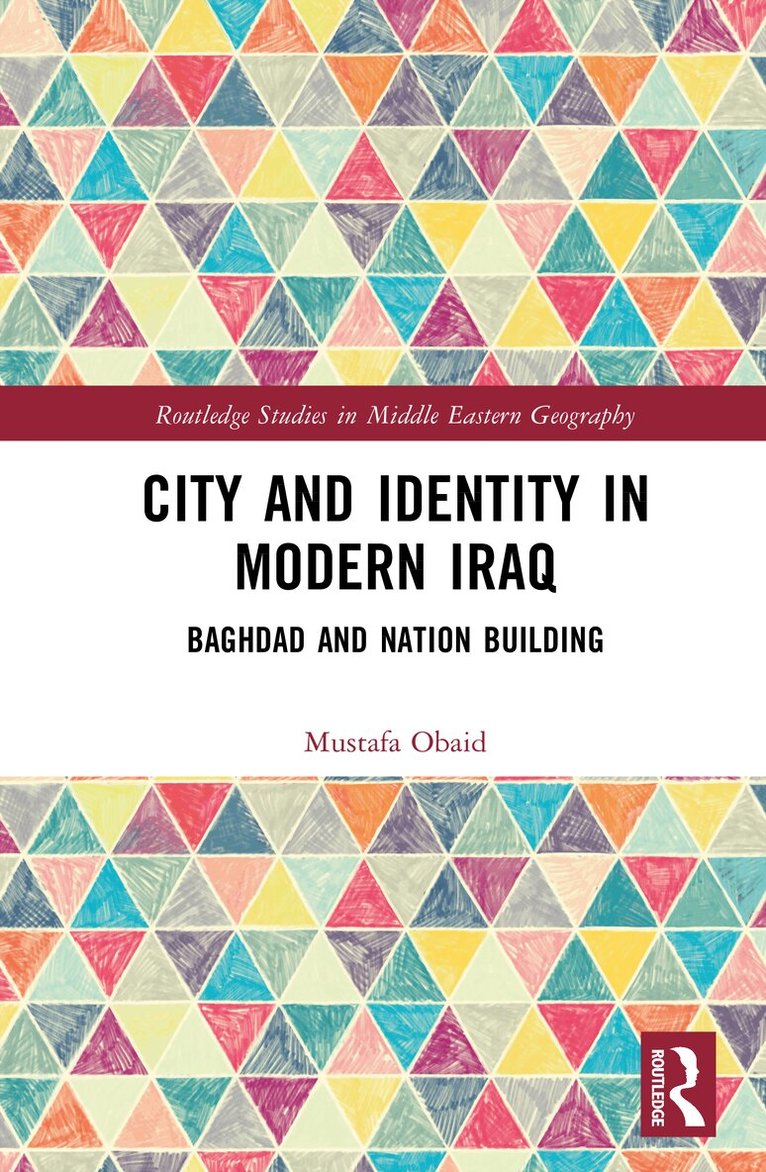
City and Identity in Modern Iraq examines the role of Baghdad in the process of shaping collective identity and analyzes how different visions of citizenship have changed the face of the city. Since the establishment of the modern state in 1921, the capital city was central to questions of belonging and the country’s social stability. Each phase of the city’s history offers insights into processes of identity and nation-building that can be found nowhere else.The book traces Baghdad’s evolution from being a “melting pot” for all Iraqis to becoming an epicenter of division after 2003. The focus is on the era following the American occupation and how the city regained its role in constructing inclusive visions of nationality in recent years. Due to the lack of suitable methodologies, the new concept of “cultural capacity” is developed and implemented here. It serves as a tool to analyze the city’s cultural heterogeneity, the accessibility of its spaces for social interaction and the visibility it offers to different forms of belonging on the micro, mezzo and macro levels. The spaces with the highest relevance for these processes are thoroughly documented to provide insights from the everyday perspective of life. Findings are used to anticipate Baghdad’s role, especially after the end of the last wave of ethnoconfessional violence and the Tahrir uprising in October 2019.The book will be useful for readers and institutions with an interest in Iraq, “the Middle East” or the Arabic-Islamic World. Furthermore, it aims to appeal to researchers and professionals from the disciplines of geography, architecture, urban studies, sociology, political sciences, history, heritage and cultural studies.
2 317 kr
Skickas inom 10-15 vardagar
Israel and Africa critically examines the ways in which Africa – as a geopolitical entity - is socially manufactured, collectively imagined but also culturally denied in Israeli politics. Its unique exploration of moral geography and its comprehensive, interdisciplinary research on the two countries offers new perspectives on Israeli history and society.Through a genealogical investigation of the relationships between Israel and Africa, this book sheds light on the processes of nationalism, development and modernization, exploring Africa’s role as an instrument in the constant re-shaping of Zionism. Through looking at "Israel in Africa" as well as "Africa in Israel", it provides insightful analysis on the demarcation of Israel's ethnic boundaries and identity formation as well as proposing the different practices, from architectural influences to the arms trade, that have formed the geopolitical concept of "Africa". It is through these practices that Israel reproduces its internal racial and ethnic boundaries and spaces, contributing to its geographical imagination as detached not solely from the Middle East but also from its African connections.This book would be of interest to students and scholars of Middle East and Jewish Studies, as well as Post-colonial Studies, Geography and Architectural History.