Tovi Fenster - Böcker
Visar alla böcker från författaren Tovi Fenster. Handla med fri frakt och snabb leverans.
8 produkter
8 produkter
820 kr
Skickas inom 10-15 vardagar
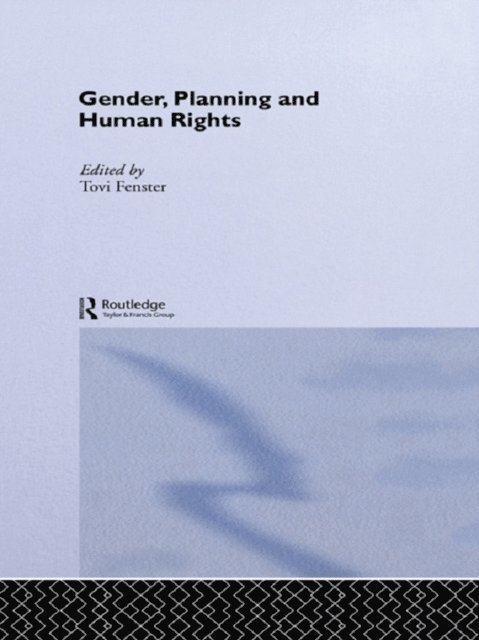
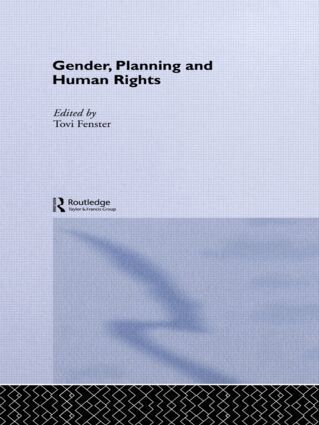
Challenging the traditional treatment of human rights cast in purely legal frameworks, the authors argue that, in order to promote the notion of human rights, its geographies and spatialities must be investigated and be made explicit. A wealth of case studies examine the significance of these components in various countries with multi-cultured societies, and identify ways to integrate human rights issues in planning, development and policy making. The book uses case studies from UK, Israel, Canada, Singapore, USA, Peru, European Union, Australia and the Czech Republic.
2 557 kr
Skickas inom 10-15 vardagar
Challenging the traditional treatment of human rights cast in purely legal frameworks, the authors argue that, in order to promote the notion of human rights, its geographies and spatialities must be investigated and be made explicit. A wealth of case studies examine the significance of these components in various countries with multi-cultured societies, and identify ways to integrate human rights issues in planning, development and policy making. The book uses case studies from UK, Israel, Canada, Singapore, USA, Peru, European Union, Australia and the Czech Republic.
901 kr
Skickas inom 10-15 vardagar
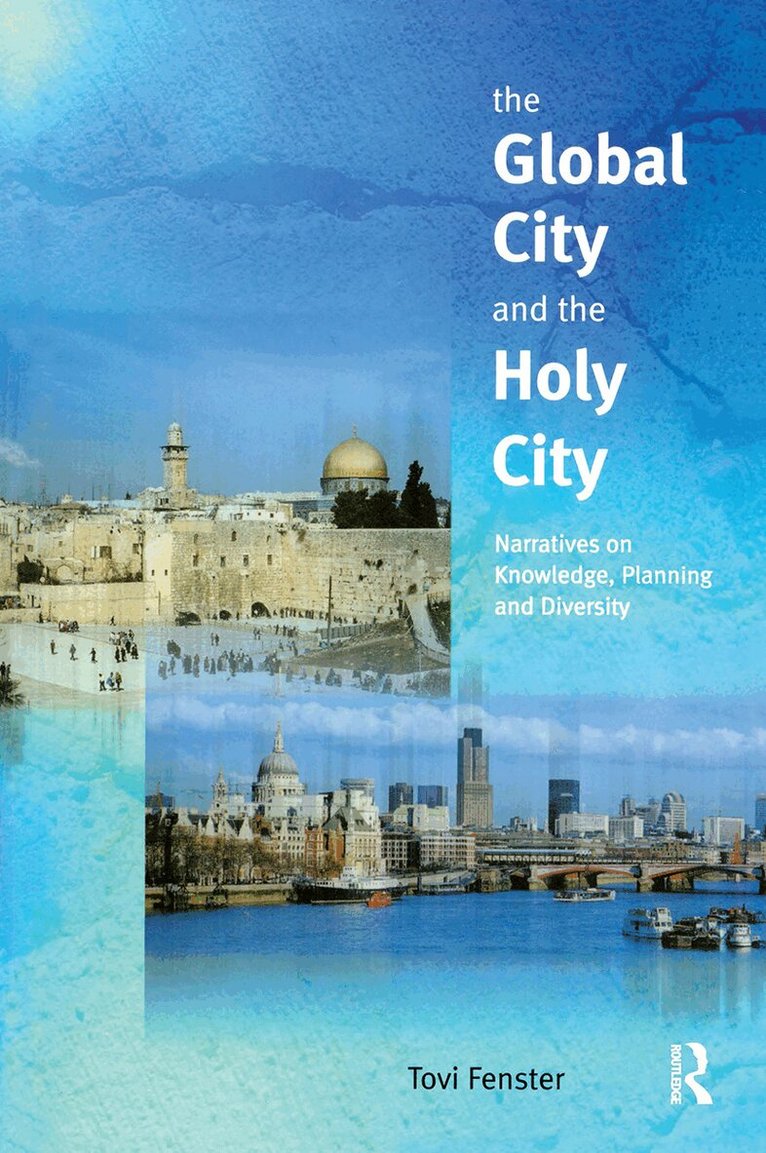
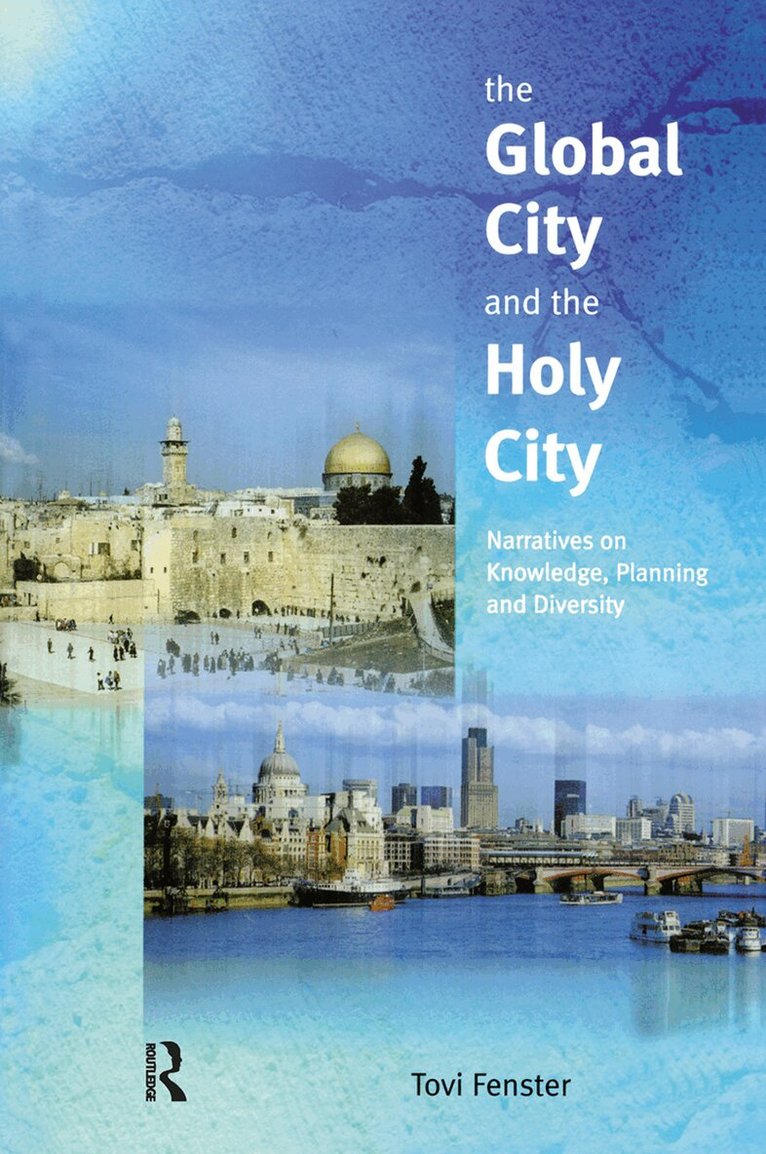
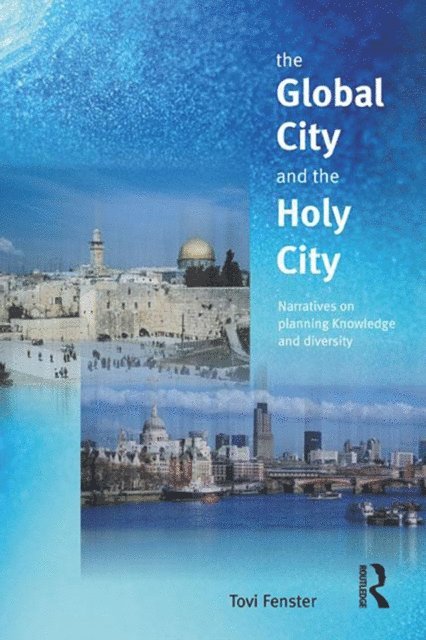
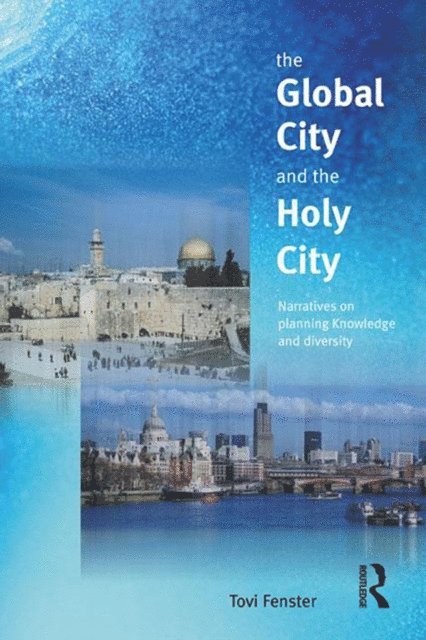
The Global City & the Holy City explores the local embodied knowledge of women and men of different national, cultural and ethnic identities and age groups, living in London and Jerusalem. Their narratives focus on the three main concepts of Comfort, Belonging and Commitment to the various spaces in which they live. By deconstructing the meanings of these three notions and analyzing their expression in cognitive temporal maps, The Global City & The Holy City examines the practicalities of incorporating this kind of local embodied knowledge into the professional planning and management of cities in the age of globalization.
2 088 kr
Skickas inom 10-15 vardagar
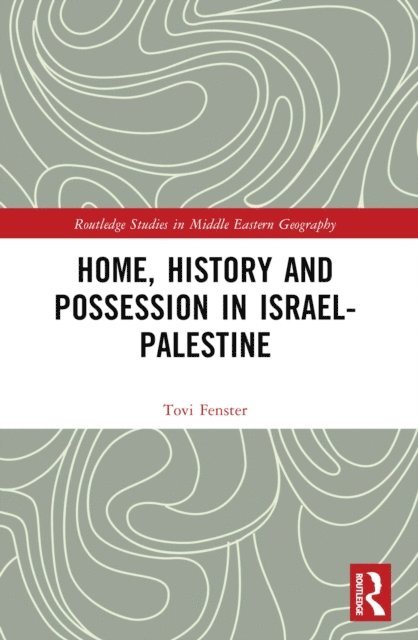
Taking a micro-geographical approach to Israeli-Palestinian relations, this book analyses the history of space and place in West Jerusalem and Jaffa in the context of specific addresses.Based on the unique and innovative ‘archaeology of addresses’ methodology, the book provides an in-depth analysis of 11 specific sites. This ‘micro’ perspective – paying particular attention to the history and past ownership of an individual property – allows the author to draw new insights into the process of ‘population exchange’ that took place in 1948 when Jewish people began to populate Palestinian deserted homes after the Nakba. By looking at archival planning documents, the histories of addresses as ‘contact zones’ between previous and current owners are revealed. Moreover, the research on each address highlights new theoretical understandings, encompassing: the micro-politics of the contact zone; mediated agonism; ruinations and beginnings; creative destruction in urban planning; the right to the city and the right to return; the violence of property; and fragmented settler colonialism. The book concludes by proposing practical applications of the research in teaching and planning practice.The book will prove important reading for students and researchers interested in urban planning, Middle Eastern geography, and the history of the Israeli-Palestinian conflict.

590 kr
Skickas inom 10-15 vardagar
Taking a micro-geographical approach to Israeli-Palestinian relations, this book analyses the history of space and place in West Jerusalem and Jaffa in the context of specific addresses.Based on the unique and innovative ‘archaeology of addresses’ methodology, the book provides an in-depth analysis of 11 specific sites. This ‘micro’ perspective – paying particular attention to the history and past ownership of an individual property – allows the author to draw new insights into the process of ‘population exchange’ that took place in 1948 when Jewish people began to populate Palestinian deserted homes after the Nakba. By looking at archival planning documents, the histories of addresses as ‘contact zones’ between previous and current owners are revealed. Moreover, the research on each address highlights new theoretical understandings, encompassing: the micro-politics of the contact zone; mediated agonism; ruinations and beginnings; creative destruction in urban planning; the right to the city and the right to return; the violence of property; and fragmented settler colonialism. The book concludes by proposing practical applications of the research in teaching and planning practice.The book will prove important reading for students and researchers interested in urban planning, Middle Eastern geography, and the history of the Israeli-Palestinian conflict.
Global City and the Holy City
Narratives on Knowledge, Planning and Diversity
Inbunden, Engelska, 2018
2 289 kr
Skickas inom 10-15 vardagar
The Global City & the Holy City explores the local embodied knowledge of women and men of different national, cultural and ethnic identities and age groups, living in London and Jerusalem. Their narratives focus on the three main concepts of Comfort, Belonging and Commitment to the various spaces in which they live. By deconstructing the meanings of these three notions and analyzing their expression in cognitive temporal maps, The Global City & The Holy City examines the practicalities of incorporating this kind of local embodied knowledge into the professional planning and management of cities in the age of globalization.
332 kr
Skickas inom 10-15 vardagar
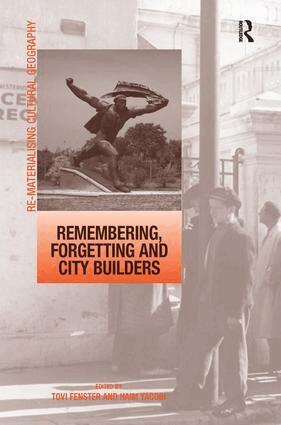
Remembering, Forgetting and City Builders critically explores how urban spaces are designed, planned and experienced in relation to the politics of collective and personal memory construction. Bringing together case studies from North America, South Asia, Eastern Europe and the Middle East, the book analyzes how contested national, ethnic and cultural sentiments clash in planning and experiencing urban spaces. Going beyond the claim that such situations exist in many parts of the world because communities construct their 'past memories' within their current daily life and future aspirations, the book explores how the very acts of planning and urban design are rooted in the existing structures of hegemonic power. With contributors from the fields of architecture, geography, planning, anthropology and sociology, urban studies and cultural studies, the book provides a rich, interdisciplinary view into the conflicts over memory and belonging which are spatially expressed and mediated through the official planning apparatus.
576 kr
Skickas inom 10-15 vardagar
Remembering, Forgetting and City Builders critically explores how urban spaces are designed, planned and experienced in relation to the politics of collective and personal memory construction. Bringing together case studies from North America, South Asia, Eastern Europe and the Middle East, the book analyzes how contested national, ethnic and cultural sentiments clash in planning and experiencing urban spaces. Going beyond the claim that such situations exist in many parts of the world because communities construct their 'past memories' within their current daily life and future aspirations, the book explores how the very acts of planning and urban design are rooted in the existing structures of hegemonic power. With contributors from the fields of architecture, geography, planning, anthropology and sociology, urban studies and cultural studies, the book provides a rich, interdisciplinary view into the conflicts over memory and belonging which are spatially expressed and mediated through the official planning apparatus.