Rulers of the Latin East – serie
Visar alla böcker i serien Rulers of the Latin East. Handla med fri frakt och snabb leverans.
14 produkter
14 produkter
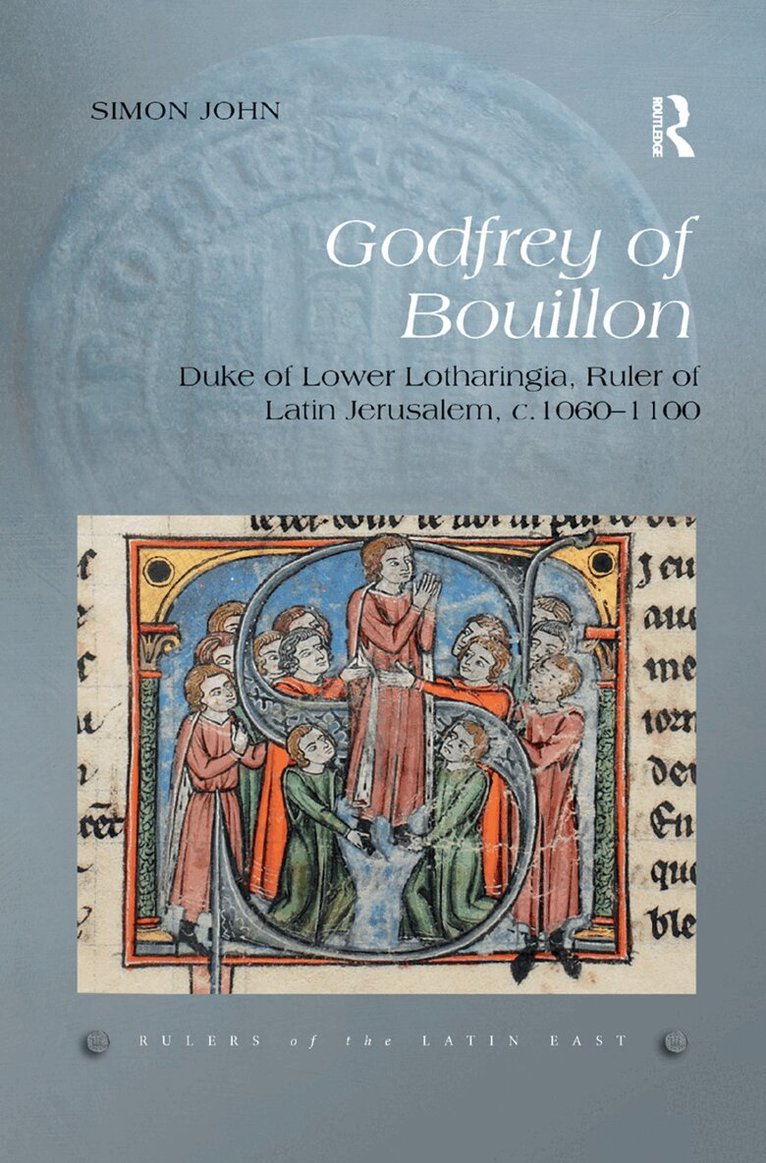
Godfrey of Bouillon
Duke of Lower Lotharingia, Ruler of Latin Jerusalem, c.1060-1100
Häftad, Engelska, 2019
651 kr
Skickas inom 10-15 vardagar
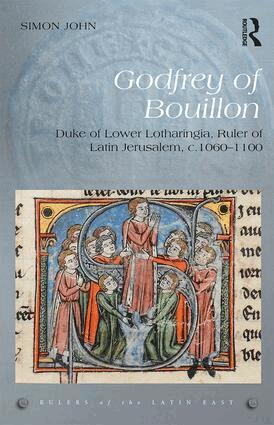
This book offers a new appraisal of the ancestry and career of Godfrey of Bouillon (c.1060-1100), a leading participant in the First Crusade (1096-99), and the first ruler of Latin Jerusalem (1099-1100), the polity established by the crusaders after they captured the Holy City. While previous studies of Godfrey’s life have tended to focus on his career from the point at which he joined the crusade, this book adopts a more holistic approach, situating his involvement in the expedition in the light of the careers of his ancestors and his own activities in Lotharingia, the westernmost part of the kingdom of Germany. The findings of this enquiry shed new light on the repercussions of a range of critical developments in Latin Christendom in the eleventh and early twelfth centuries, including the impact of the ‘Investiture Conflict’ in Lotharingia, the response to the call for the First Crusade in Germany, Godfrey’s influence upon the course of the crusade, his role in its leadership, and his activities during the initial phases of Latin settlement in the Holy Land in its aftermath.
2 243 kr
Skickas inom 10-15 vardagar
Awarded the Verbruggen Prize 2022 for the best book on medieval military history.Baldwin of Bourcq left his home in France in 1096 to join the great crusade summoned by Pope Urban II for the liberation of the holy sites and Christian peoples of Syria and Palestine from the domination of the Muslim Turks. In 1100 he became ruler of the Franco-Armenian county of Edessa. In 1118 he succeeded to the kingdom of Jerusalem. In just over two decades this younger son of a minor French count had become one of only a dozen kings in Western Christendom. To defend the principalities of Outremer against their Turkish and Egyptian enemies he travelled thousands of miles and led his troops in over two dozen campaigns. He spent two extended periods in Turkish captivity, yet he outlived almost all of his fellow crusaders, and died leaving the succession to his kingdom secure. This is the first biography in any language of a remarkable man. Drawing on a wide range of narrative and documentary sources, it gives an account of Baldwin’s ancestry and life from his first recorded appearance up to his death in 1131. It explains the complex and shifting geopolitics of the principalities of Outremer and the Muslim territories around them, and explores Baldwin’s character as a ruler and leader in war, the significance of his wide-ranging kinship network, and the succession to the kingdom of Jerusalem.Baldwin of Bourcq will appeal to students, teachers and researchers in Medieval History, especially Crusade Studies and Military History.
613 kr
Skickas inom 10-15 vardagar
Awarded the Verbruggen Prize 2022 for the best book on medieval military history.Baldwin of Bourcq left his home in France in 1096 to join the great crusade summoned by Pope Urban II for the liberation of the holy sites and Christian peoples of Syria and Palestine from the domination of the Muslim Turks. In 1100 he became ruler of the Franco-Armenian county of Edessa. In 1118 he succeeded to the kingdom of Jerusalem. In just over two decades this younger son of a minor French count had become one of only a dozen kings in Western Christendom. To defend the principalities of Outremer against their Turkish and Egyptian enemies he travelled thousands of miles and led his troops in over two dozen campaigns. He spent two extended periods in Turkish captivity, yet he outlived almost all of his fellow crusaders, and died leaving the succession to his kingdom secure. This is the first biography in any language of a remarkable man. Drawing on a wide range of narrative and documentary sources, it gives an account of Baldwin’s ancestry and life from his first recorded appearance up to his death in 1131. It explains the complex and shifting geopolitics of the principalities of Outremer and the Muslim territories around them, and explores Baldwin’s character as a ruler and leader in war, the significance of his wide-ranging kinship network, and the succession to the kingdom of Jerusalem.Baldwin of Bourcq will appeal to students, teachers and researchers in Medieval History, especially Crusade Studies and Military History.
671 kr
Skickas inom 10-15 vardagar
Baldwin of Boulogne was born the youngest of three sons and marked out for a clerical career, yet in turn he became a First Crusader, first Latin count of Edessa and the founder of the Latin kingdom of Jerusalem. Nevertheless, remarkably, he has never been the subject of a full-length biography. This study examines in detail the stages of Baldwin’s career, returning to the contemporary evidence to discover the qualities that enabled him not only to succeed his brother as ruler in 1100 but to maintain and expand the new kingdom of Jerusalem through the next eighteen years in the face of aggression from Muslim enemies and rivalry from fellow crusaders.
651 kr
Skickas inom 10-15 vardagar
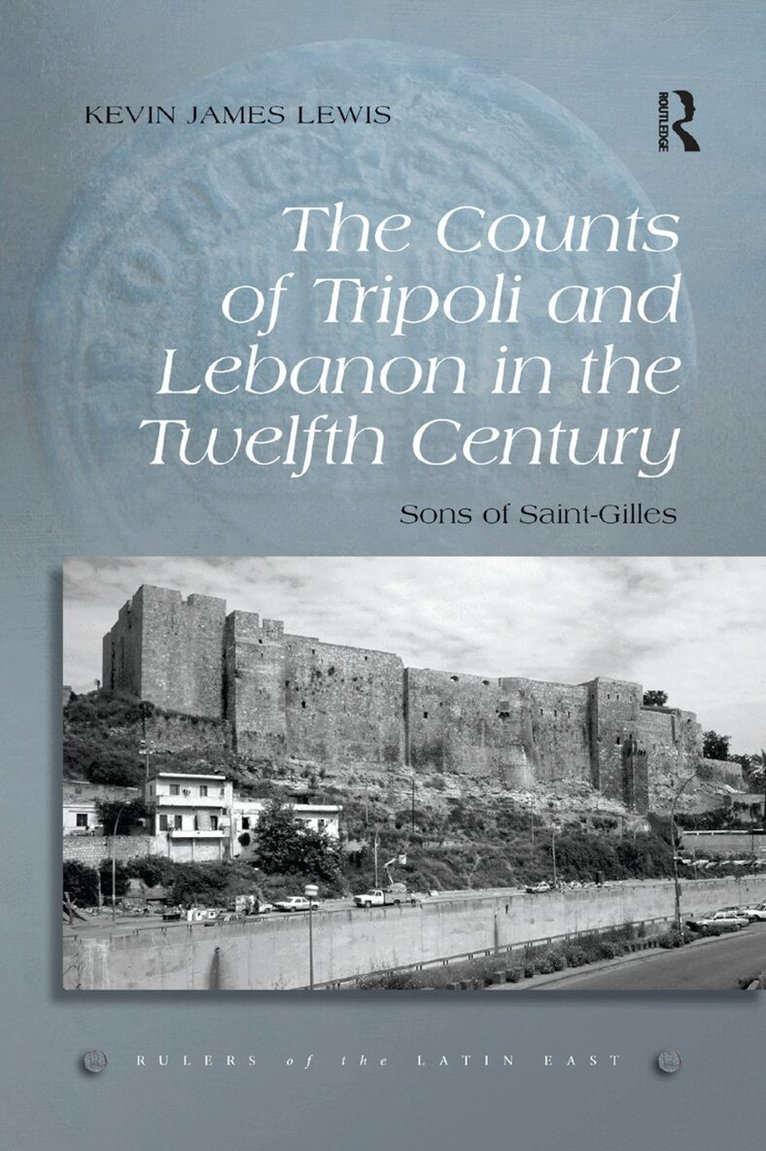
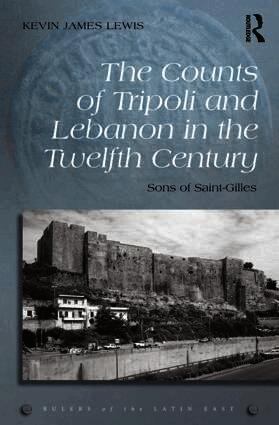
The county of Tripoli in what is now North Lebanon is arguably the most neglected of the so-called ‘crusader states’ established in the Middle East at the beginning of the twelfth century. The present work is the first monograph on the county to be published in English, and the first in any western language since 1945. What little has been written on the subject previously has focused upon the European ancestry of the counts of Tripoli: a specifically Southern French heritage inherited from the famous crusader Raymond IV of Saint-Gilles. Kevin Lewis argues that past historians have at once exaggerated the political importance of the counts’ French descent and ignored the more compelling signs of its cultural impact, highlighting poetry composed by troubadours in Occitan at Tripoli’s court. For Lewis, however, even this belies a deeper understanding of the processes that shaped the county. What emerges is an intriguing portrait of the county in which its rulers struggled to exert their power over Lebanon in the face of this region’s insurmountable geographical forces and its sometimes bewildering, always beguiling diversity of religions, languages and cultures. The counts of Tripoli and contemporary Muslim onlookers certainly viewed the dynasty as sons of Saint-Gilles, but the county’s administration relied upon Arabic, its stability upon the mixed loyalties of its local inhabitants, and its very existence upon the rugged mountains that cradled it. This book challenges prevailing knowledge of this little-known crusader state and by extension the medieval Middle East as a whole..
613 kr
Skickas inom 10-15 vardagar
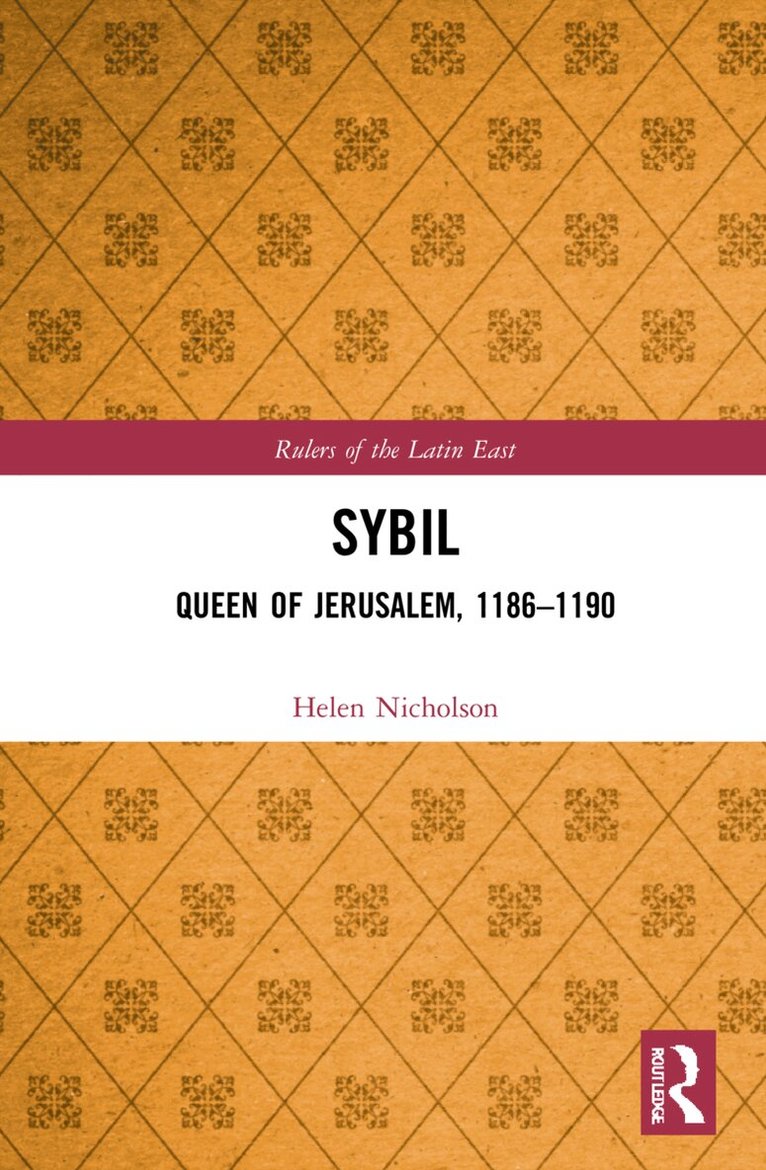
Queen Sybil of Jerusalem, queen in her own right, was ruler of the kingdom of Jerusalem from 1186 to 1190. Her reign saw the loss of the city of Jerusalem to Saladin, and the beginning of the Third Crusade. Her reign began with her nobles divided and crisis looming; by her death the military forces of Christian Europe were uniting with her and her husband, intent on recovering what had been lost. Sybil died before the bulk of the forces of the Third Crusade could arrive in the kingdom, and Jerusalem was never recovered. But although Sybil failed, she went down fighting – spiritually, even if not physically. This study traces Sybil’s life, from her childhood as the daughter of the heir to the throne of Jerusalem to her death in the crusading force outside the city of Acre. It sets her career alongside that of other European queens and noblewomen of the twelfth century who wielded or attempted to wield power and ask how far the eventual survival of the kingdom of Jerusalem in 1192 was due to Sybil’s leadership in 1187 and her determination never to give up.
2 243 kr
Skickas inom 10-15 vardagar
Robert of Nantes was Latin patriarch of Jerusalem from 1240 to 1254, and, according to Bernard Hamilton, was “the most important single person” in the Frankish Kingdom of Jerusalem after the Battle of Forbie in 1244. Despite this importance, he was a rather obscure figure: almost nothing is known about him before he became bishop of Nantes in 1236. How did he rise to such a prominent position in Jerusalem? Robert of Nantes, Patriarch of Jerusalem (1240–1254) follows Robert from his probable origins in Aquitaine, to Italy where he might have been the unnamed bishop of Aquino. He was briefly transferred to Nantes in the duchy of Brittany, but soon returned to Rome, where he was appointed patriarch of Jerusalem in 1240. As patriarch, he was present for the fall of Jerusalem to the Khwarizmian Turks, the Frankish defeat at Forbie, and the subsequent crusade of Louis IX of France.This is the first book-length biography of any of the Latin patriarchs of Jerusalem. It will be of interest not only to historians of the crusades but also to historians of Italy, Sicily, the Papal States, the Holy Roman Empire, Aquitaine and Brittany. It will hopefully inspire further research on other ecclesiastical and secular leaders of Jerusalem and Cyprus, who may not be traditionally considered “rulers”, but who nevertheless helped govern the Frankish kingdoms.
632 kr
Skickas inom 10-15 vardagar
Robert of Nantes was Latin patriarch of Jerusalem from 1240 to 1254, and, according to Bernard Hamilton, was “the most important single person” in the Frankish Kingdom of Jerusalem after the Battle of Forbie in 1244. Despite this importance, he was a rather obscure figure: almost nothing is known about him before he became bishop of Nantes in 1236. How did he rise to such a prominent position in Jerusalem? Robert of Nantes, Patriarch of Jerusalem (1240–1254) follows Robert from his probable origins in Aquitaine, to Italy where he might have been the unnamed bishop of Aquino. He was briefly transferred to Nantes in the duchy of Brittany, but soon returned to Rome, where he was appointed patriarch of Jerusalem in 1240. As patriarch, he was present for the fall of Jerusalem to the Khwarizmian Turks, the Frankish defeat at Forbie, and the subsequent crusade of Louis IX of France.This is the first book-length biography of any of the Latin patriarchs of Jerusalem. It will be of interest not only to historians of the crusades but also to historians of Italy, Sicily, the Papal States, the Holy Roman Empire, Aquitaine and Brittany. It will hopefully inspire further research on other ecclesiastical and secular leaders of Jerusalem and Cyprus, who may not be traditionally considered “rulers”, but who nevertheless helped govern the Frankish kingdoms.
2 476 kr
Kommande
This book discusses the Lusignan kingdom of Cyprus and its interactions with Latin Europe and the Eastern Mediterranean under King Henry II (1285–1324). His eventful reign covered the loss of Latin Syria, the emergence of Cyprus and especially Famagusta as a major commercial hub in East–West trade, Cypriot relations with the papacy, the growing involvement of the Italian and French trading cities and of Catalonia in Cyprus and the existential threat faced by the Cilician kingdom of Armenia.It evaluates how effectively Henry II dealt with these pressing issues, a difficult task because of the highly biased extant evidence for his reign, especially regarding his brother Amaury’s seizure of power (1306–1310). It argues that while not a great monarch, Henry II was no mere cipher but was pro-active in defending the Latin East, in developing Famagusta, in assisting Cilician Armenia, in his dealings with foreign powers and in his relations with the papacy, the military orders and other branches of the Latin Church. Above all, he was dogged in the face of adversity.This book will appeal to students of Lusignan Cyprus, the Crusades and the Latin East and Mediterranean trade in the later Middle Ages. More specifically, it will interest those examining rulership in medieval multicultural societies, justifications in Western Canon Law for replacing allegedly ineffective rulers, the relations and involvement of the papacy with the Eastern Mediterranean and how Latin military, mendicant and monastic orders functioned within a Latin kingdom where Latins were a minority.
2 113 kr
Skickas inom 10-15 vardagar
Queen Sybil of Jerusalem, queen in her own right, was ruler of the kingdom of Jerusalem from 1186 to 1190. Her reign saw the loss of the city of Jerusalem to Saladin, and the beginning of the Third Crusade. Her reign began with her nobles divided and crisis looming; by her death the military forces of Christian Europe were uniting with her and her husband, intent on recovering what had been lost. Sybil died before the bulk of the forces of the Third Crusade could arrive in the kingdom, and Jerusalem was never recovered. But although Sybil failed, she went down fighting – spiritually, even if not physically. This study traces Sybil’s life, from her childhood as the daughter of the heir to the throne of Jerusalem to her death in the crusading force outside the city of Acre. It sets her career alongside that of other European queens and noblewomen of the twelfth century who wielded or attempted to wield power and ask how far the eventual survival of the kingdom of Jerusalem in 1192 was due to Sybil’s leadership in 1187 and her determination never to give up.
2 243 kr
Skickas inom 10-15 vardagar
Baldwin of Boulogne was born the youngest of three sons and marked out for a clerical career, yet in turn he became a First Crusader, first Latin count of Edessa and the founder of the Latin kingdom of Jerusalem. Nevertheless, remarkably, he has never been the subject of a full-length biography. This study examines in detail the stages of Baldwin’s career, returning to the contemporary evidence to discover the qualities that enabled him not only to succeed his brother as ruler in 1100 but to maintain and expand the new kingdom of Jerusalem through the next eighteen years in the face of aggression from Muslim enemies and rivalry from fellow crusaders.
958 kr
Tillfälligt slut
2 176 kr
Skickas inom 10-15 vardagar
The county of Tripoli in what is now North Lebanon is arguably the most neglected of the so-called ‘crusader states’ established in the Middle East at the beginning of the twelfth century. The present work is the first monograph on the county to be published in English, and the first in any western language since 1945. What little has been written on the subject previously has focused upon the European ancestry of the counts of Tripoli: a specifically Southern French heritage inherited from the famous crusader Raymond IV of Saint-Gilles. Kevin Lewis argues that past historians have at once exaggerated the political importance of the counts’ French descent and ignored the more compelling signs of its cultural impact, highlighting poetry composed by troubadours in Occitan at Tripoli’s court. For Lewis, however, even this belies a deeper understanding of the processes that shaped the county. What emerges is an intriguing portrait of the county in which its rulers struggled to exert their power over Lebanon in the face of this region’s insurmountable geographical forces and its sometimes bewildering, always beguiling diversity of religions, languages and cultures. The counts of Tripoli and contemporary Muslim onlookers certainly viewed the dynasty as sons of Saint-Gilles, but the county’s administration relied upon Arabic, its stability upon the mixed loyalties of its local inhabitants, and its very existence upon the rugged mountains that cradled it. This book challenges prevailing knowledge of this little-known crusader state and by extension the medieval Middle East as a whole..
Godfrey of Bouillon
Duke of Lower Lotharingia, Ruler of Latin Jerusalem, c.1060-1100
Inbunden, Engelska, 2017
2 176 kr
Skickas inom 10-15 vardagar
This book offers a new appraisal of the ancestry and career of Godfrey of Bouillon (c.1060-1100), a leading participant in the First Crusade (1096-99), and the first ruler of Latin Jerusalem (1099-1100), the polity established by the crusaders after they captured the Holy City. While previous studies of Godfrey’s life have tended to focus on his career from the point at which he joined the crusade, this book adopts a more holistic approach, situating his involvement in the expedition in the light of the careers of his ancestors and his own activities in Lotharingia, the westernmost part of the kingdom of Germany. The findings of this enquiry shed new light on the repercussions of a range of critical developments in Latin Christendom in the eleventh and early twelfth centuries, including the impact of the ‘Investiture Conflict’ in Lotharingia, the response to the call for the First Crusade in Germany, Godfrey’s influence upon the course of the crusade, his role in its leadership, and his activities during the initial phases of Latin settlement in the Holy Land in its aftermath.