Published in Collaboration with: Georgetown University Centre for International and Regional Studies, School of Foreign Service – serie
Visar alla böcker i serien Published in Collaboration with: Georgetown University Centre for International and Regional Studies, School of Foreign Service. Handla med fri frakt och snabb leverans.
3 produkter
3 produkter
322 kr
Skickas inom 7-10 vardagar
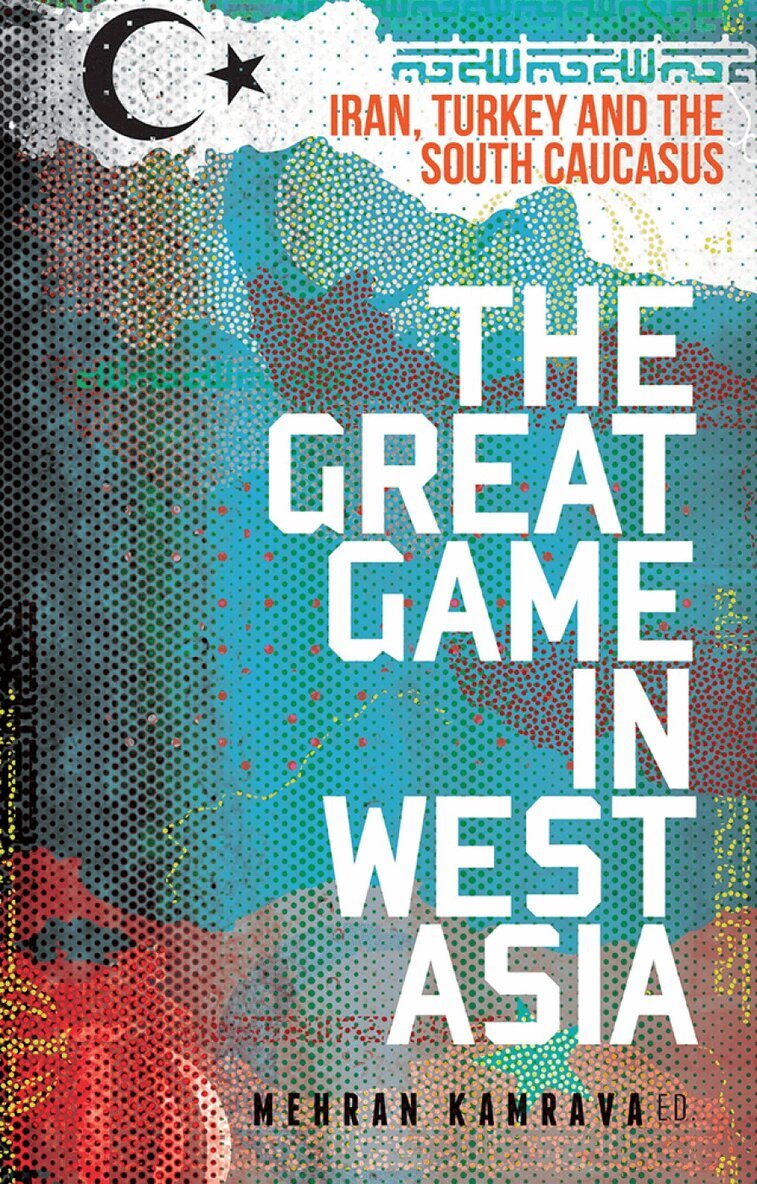
The Great Game in West Asia examines the strategic competition between Iran and Turkey for power and influence in the South Caucasus. These neighbouring Middle East powers have vied for supremacy and influence throughout the region and especially in their immediate vicinity, while both contending with ethnic heterogeneity within their own territories and across their borders. Turkey has long conceived of itself as not just a bridge between Asia and Europe but in more substantive terms as a central player in regional and global affairs. If somewhat more modest in its public statements, Iran's parallel ambitions for strategic centrality and influence have only been masked by its own inarticulate foreign policy agendas and the repeated missteps of its revolutionary leaders. But both have sought to deepen their regional influence and power, and in the South Caucasus each has achieved a modicum of success. In fact, as the contributions to this volume demonstrate, as much of the world's attention has been diverted to conflicts and flashpoints near and far, a new great game has been unravelling between Iran and Turkey in the South Caucasus.
331 kr
Skickas inom 7-10 vardagar
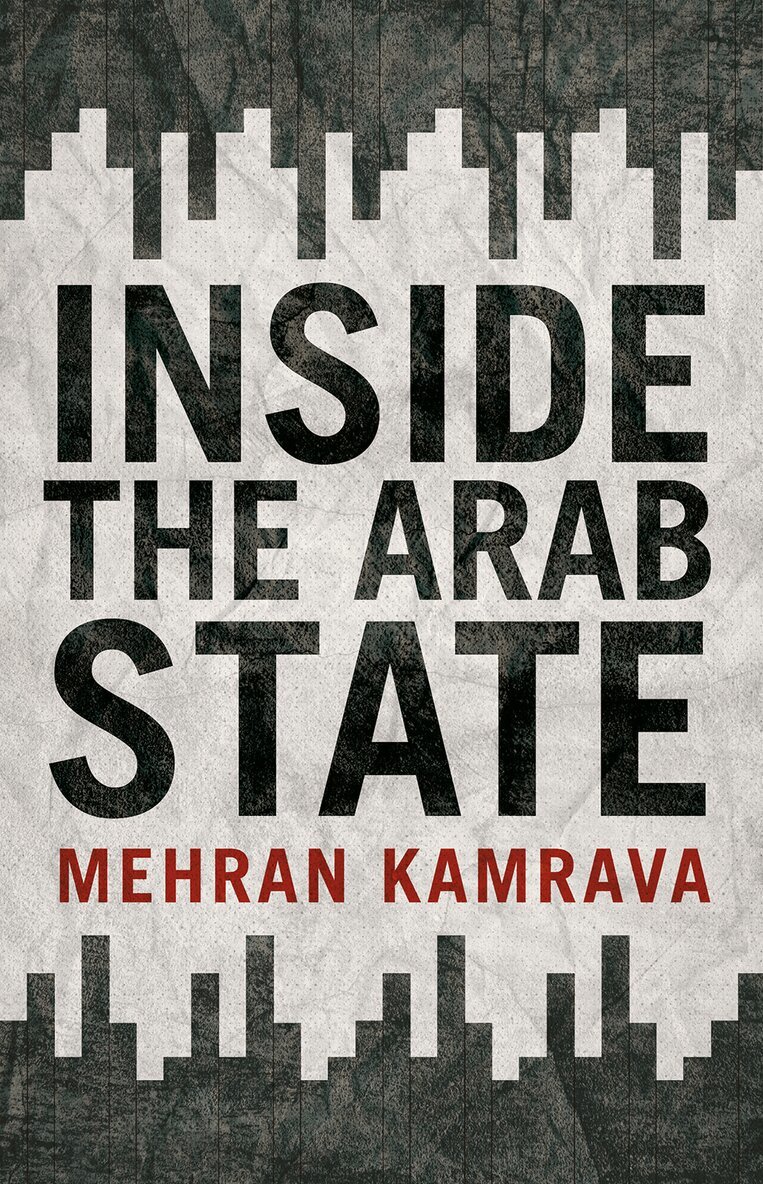
Inside the Arab State offers a comprehensive examination of contemporary Arab politics before and after the 2011 uprisings. Mehran Kamrava examines a broad range of political, economic, and social variables that shaped conceptions of power, functions and institutions of the state, the rise and evolution of social movements, the eruption of civil war in some countries and fragile polities in others, and evolving civil–military relations before and after the 2011 uprisings. Beginning with an examination of politics, and more specifically political institutions, in the Arab world from the 1950s on, the book traces the challenges faced by Arab states, and the wounds they inflicted on their societies and on themselves along the way. And at the crux of the book are the 2011 uprisings, states' responses to them, and efforts by political leaders to carve out new forms of legitimacy, as well as the reasons for the emergence and rise of the Islamic State. Power, and an increasingly narrow conception of it in terms of submission and conformity, remains at the heart of Arab politics, popular protests and yearnings for change notwithstanding. The 2011 uprisings changed much in the Arab world, but even more has stayed the same.
331 kr
Skickas inom 7-10 vardagar
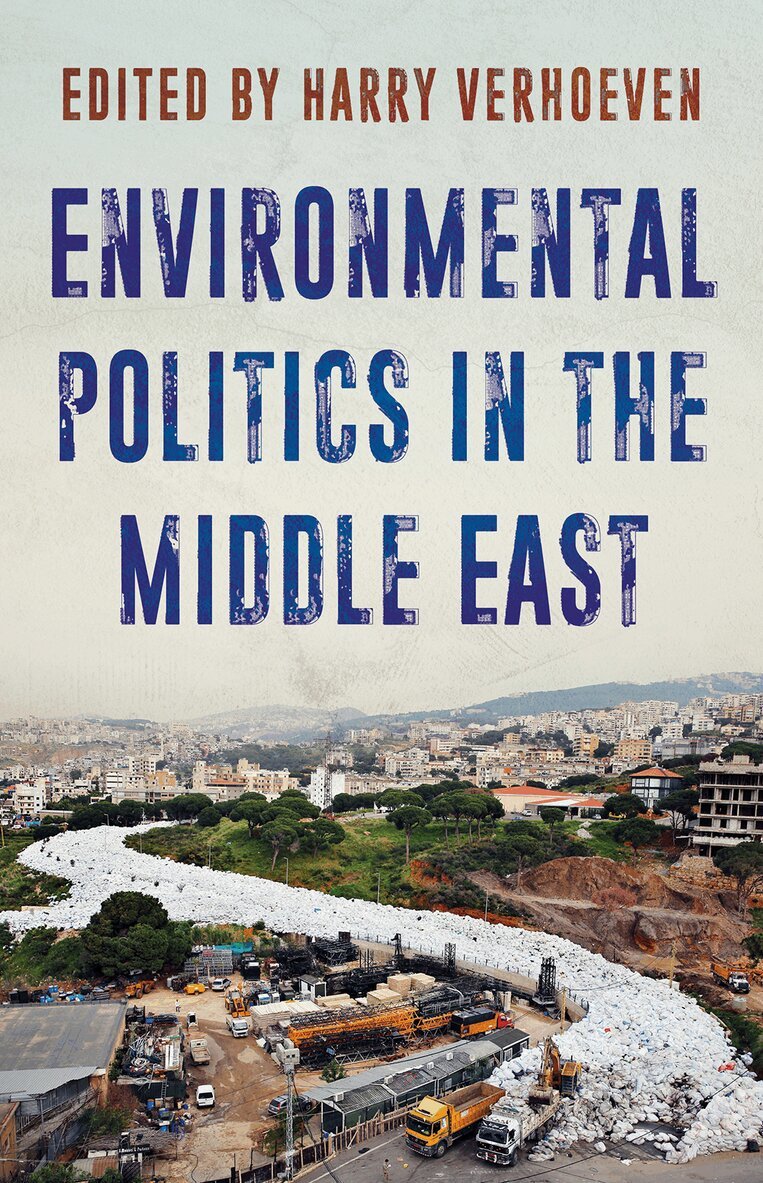
This book investigates how ecology and politics meet in the Middle East and how those interactions connect to the global political economy. Through region-wide analyses and case studies from the Arabian Peninsula, the Gulf of Aden, the Levant and North Africa, the volume highlights the intimate connections of environmental activism, energy infrastructure and illicit commodity trading with the political economies of Central Asia, the Horn of Africa and the Indian subcontinent. The book's nine chapters analyse how the exploitation and representation of the environment have shaped the history of the region--and determined its place in global politics. It argues that how the ecological is understood, instrumentalised and intervened upon is the product of political struggle: deconstructing ideas and practices of environmental change means unravelling claims of authority and legitimacy. This is particularly important in a region frequently seen through the prism of environmental determinism, where ruling elites have imposed authoritarian control as the corollary of 'environmental crisis'. This unique and urgent collection will question much of what we think we know about this pressing issue.