Harry Verhoeven – författare
Visar alla böcker från författaren Harry Verhoeven. Handla med fri frakt och snabb leverans.
14 produkter
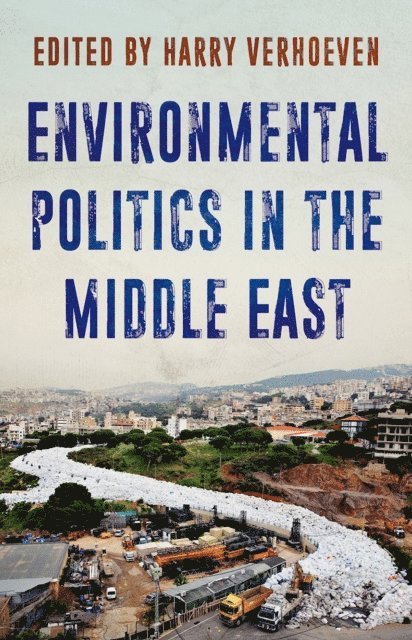
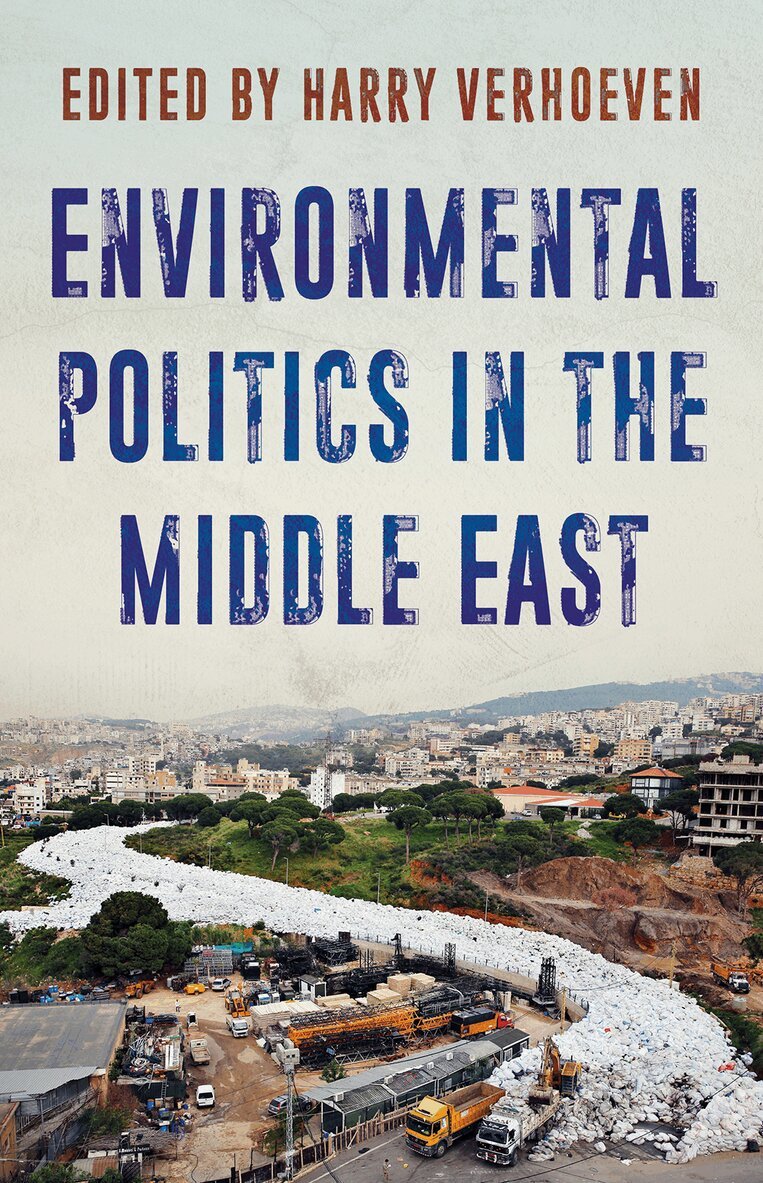
Environmental Politics in the Middle East
E-bok, 2018
472 kr
Lägg i varukorg
This book investigates how ecology and politics meet in the Middle East and how those interactions connect to the global political economy. Through region-wide analyses and case studies from the Arabian Peninsula, the Gulf of Aden, the Levant and North Africa, the volume highlights the intimate …
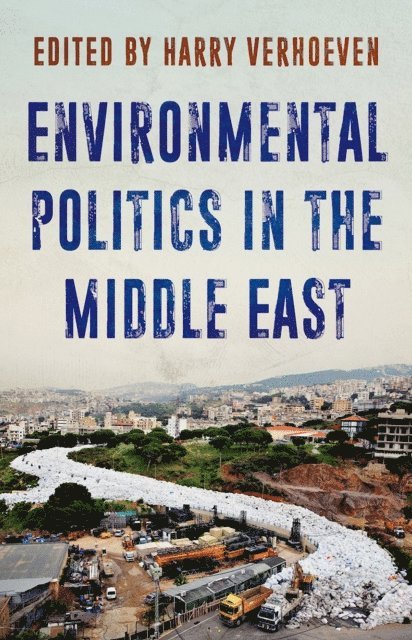
Environmental Politics in the Middle East
E-bok, 2018
472 kr
Lägg i varukorg
This book investigates how ecology and politics meet in the Middle East and how those interactions connect to the global political economy. Through region-wide analyses and case studies from the Arabian Peninsula, the Gulf of Aden, the Levant and North Africa, the volume highlights the intimate …
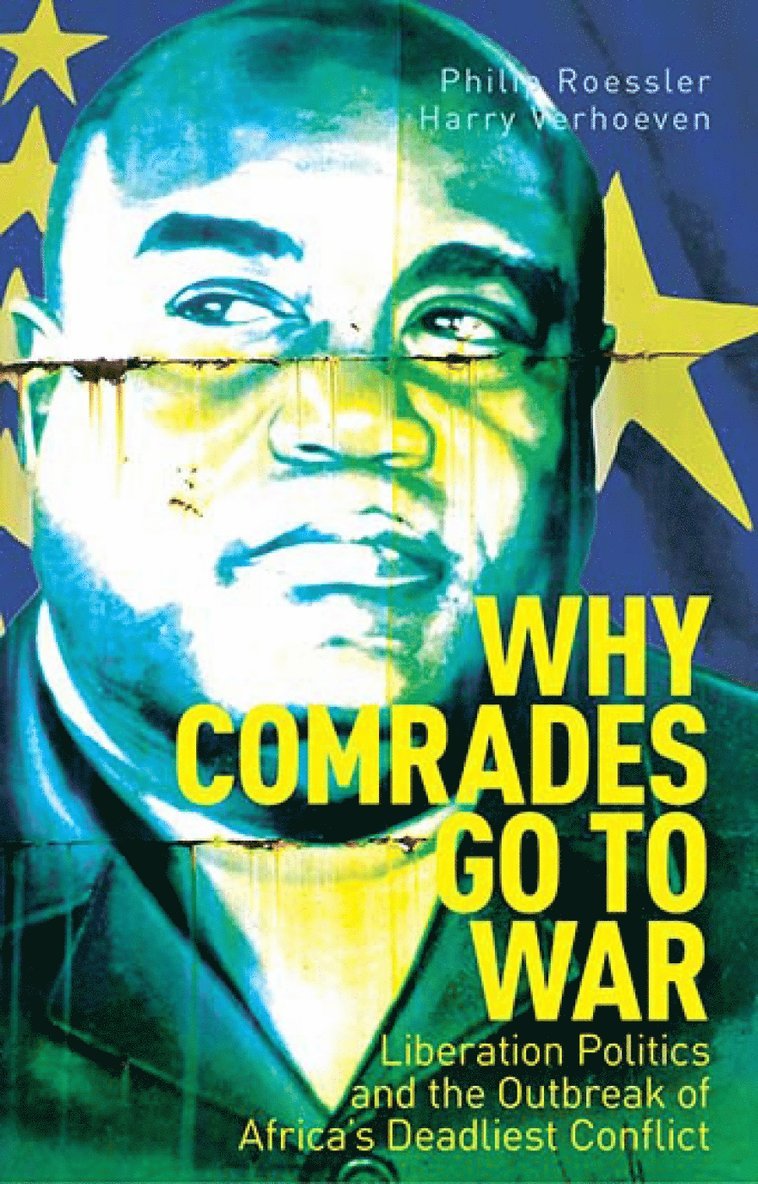
Why Comrades Go to War: Liberation Politics and the Outbreak of Africa's Deadliest Conflict
Av Philip Roessler, Harry Verhoeven
Häftad, 2017
518 kr
Lägg i varukorg
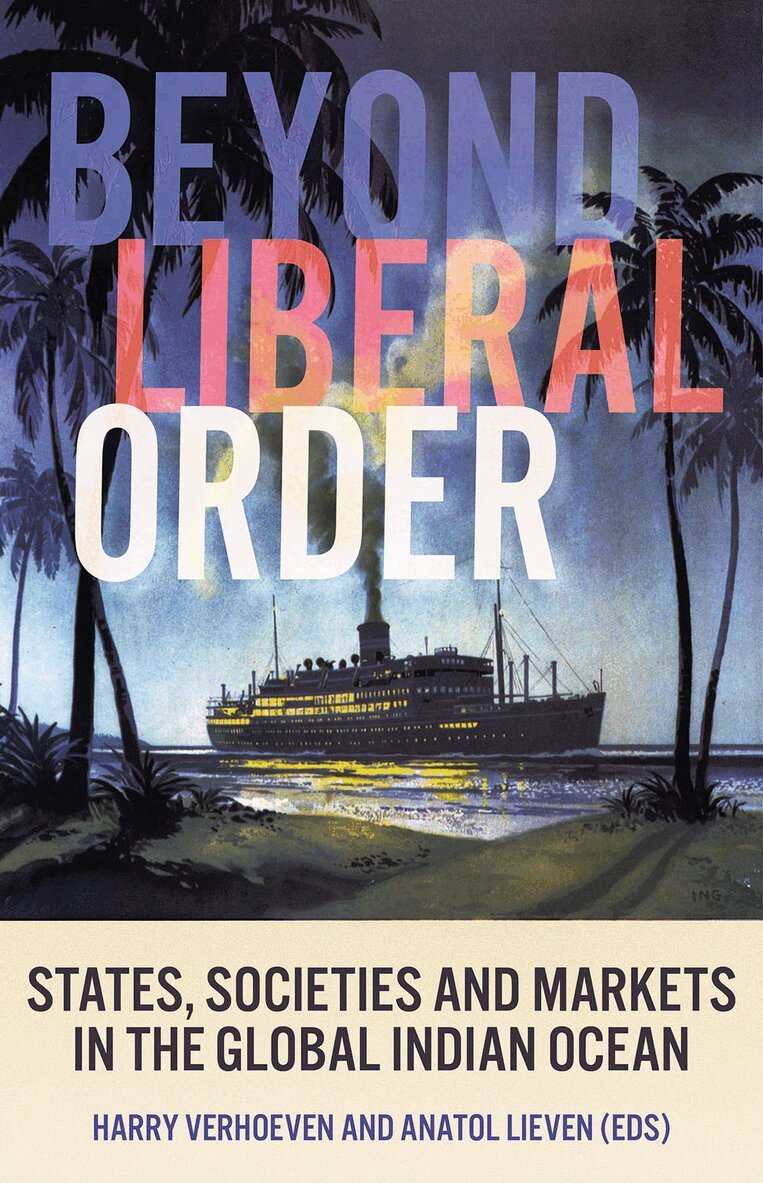
Beyond Liberal Order: States, Societies and Markets in the Global Indian Ocean
Av Harry Verhoeven, Anatol Lieven
Häftad, 2022
619 kr
Lägg i varukorg
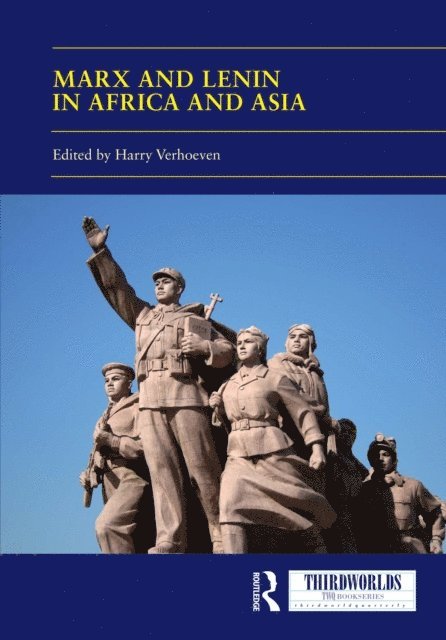
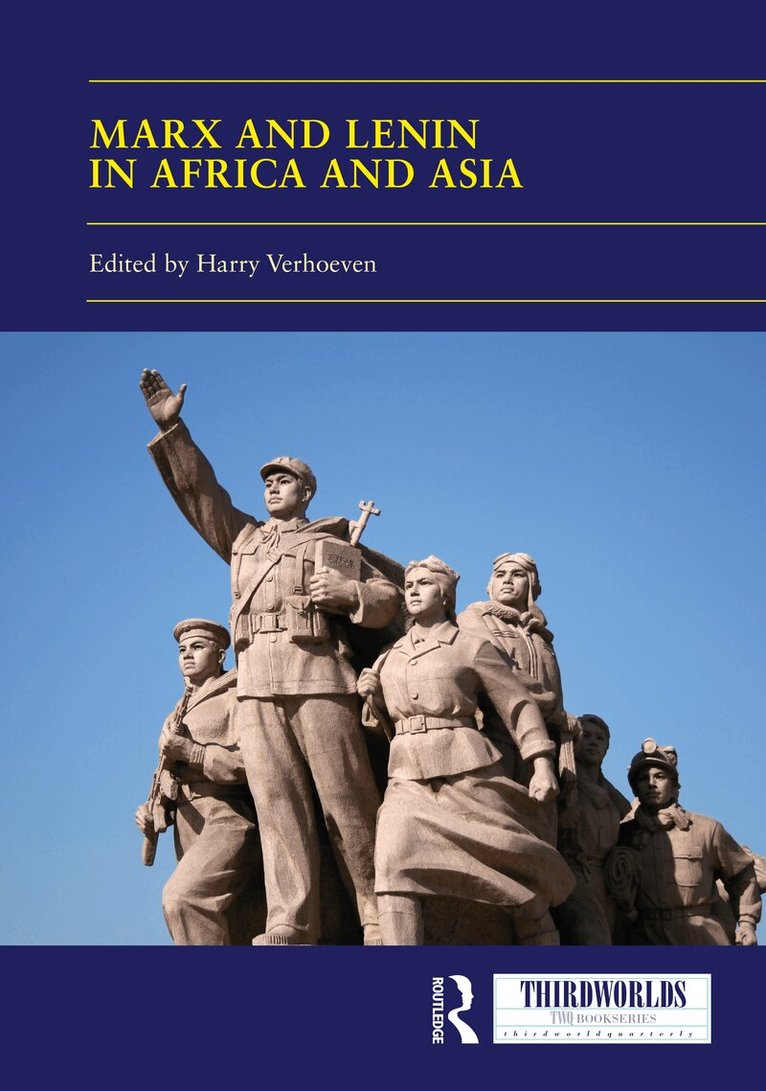
Marx and Lenin in Africa and Asia
Socialism(s) and Socialist Legacies
E-bok, 2021
838 kr
Lägg i varukorg
The spectres of Marx and Lenin have long loomed prominently in Africa and Asia and they still do so in the 21st century. Many of the founding fathers of postcolonial republics believed socialism could transform their societies. Yet what socialism meant in theory and in practice has always been …
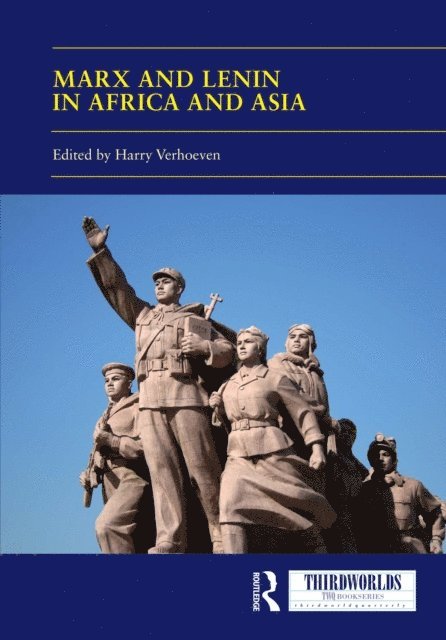
Marx and Lenin in Africa and Asia
Socialism(s) and Socialist Legacies
E-bok, 2021
820 kr
Lägg i varukorg
The spectres of Marx and Lenin have long loomed prominently in Africa and Asia and they still do so in the 21st century. Many of the founding fathers of postcolonial republics believed socialism could transform their societies. Yet what socialism meant in theory and in practice has always been …
Marx and Lenin in Africa and Asia
Socialism(s) and Socialist Legacies
Inbunden, 2021
2510 kr
Lägg i varukorg
The spectres of Marx and Lenin have long loomed prominently in Africa and Asia and they still do so in the 21st century. Many of the founding fathers of postcolonial republics believed socialism could transform their societies. Yet what socialism meant in theory and in practice has always been …
Marx and Lenin in Africa and Asia
Socialism(s) and Socialist Legacies
Häftad, 2023
691 kr
Lägg i varukorg
The spectres of Marx and Lenin have long loomed prominently in Africa and Asia and they still do so in the 21st century. Many of the founding fathers of postcolonial republics believed socialism could transform their societies. Yet what socialism meant in theory and in practice has always been …
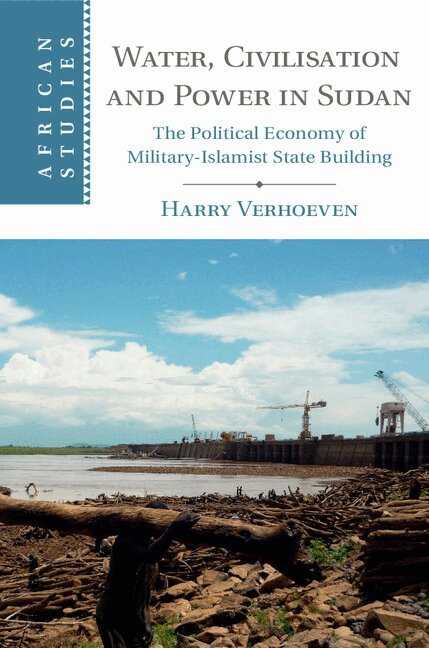
Water, Civilisation and Power in Sudan
The Political Economy of Military-Islamist State Building
Inbunden, 2015
1520 kr
Lägg i varukorg
In 1989, a secretive movement of Islamists allied itself to a military cabal to violently take power in Africa's biggest country. Sudan's revolutionary regime was built on four pillars - a new politics, economic liberalisation, an Islamic revival, and a U-turn in foreign relations - and mixed …
Water, Civilisation and Power in Sudan
The Political Economy of Military-Islamist State Building
Häftad, 2017
569 kr
Lägg i varukorg
In 1989, a secretive movement of Islamists allied itself to a military cabal to violently take power in Africa's biggest country. Sudan's revolutionary regime was built on four pillars - a new politics, economic liberalisation, an Islamic revival, and a U-turn in foreign relations - and mixed …
Beyond Liberal Order
States, Societies and Markets in the Global Indian Ocean
Av Harry Verhoeven, Anatol Lieven
Häftad, 2021
338 kr
Lägg i varukorg
What does liberal order actually amount to outside the West, where it has been most institutionalised? Contrary to the Atlantic or Pacific, liberal hegemony is thin in the Indian Ocean World; there are no equivalents of NATO, the EU or the US-Japan defence relationship.Yet what this book calls the …
Beyond Liberal Order
States, Societies and Markets in the Global Indian Ocean
Av Anatol Lieven, Harry Verhoeven
E-bok, 2022
277 kr
Lägg i varukorg
What does liberal order actually amount to outside the West, where it has been most institutionalised? Contrary to the Atlantic or Pacific, liberal hegemony is thin in the Indian Ocean World; there are no equivalents of NATO, the EU or the US-Japan defence relationship. Yet what this book calls the …
Why Comrades Go to War
Liberation Politics and the Outbreak of Africa's Deadliest Conflict
Av Harry Verhoeven, Philip Roessler
Häftad, 2017
370 kr
Lägg i varukorg
In October 1996, a motley crew of ageing Marxists and unemployed youth coalesced to revolt against Mobutu Seso Seko, president of Zaire/Congo since 1965. The rebels of the AFDL marched over 1500km in seven months to crush the dictatorship, heralding liberation as a second independence for Central …
Environmental Politics in the Middle East
Local Struggles, Global Connections
Häftad, 2018
348 kr
Lägg i varukorg
This book investigates how ecology and politics meet in the Middle East and how those interactions connect to the global political economy. Through region-wide analyses and case studies from the Arabian Peninsula, the Gulf of Aden, the Levant and North Africa, the volume highlights the intimate …