Anatol Lieven – författare
Visar alla böcker från författaren Anatol Lieven. Handla med fri frakt och snabb leverans.
16 produkter
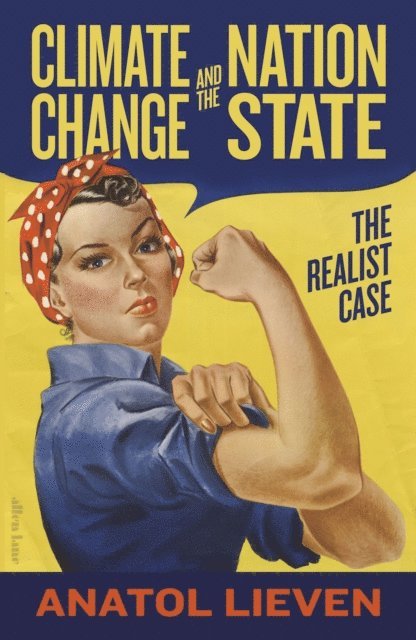
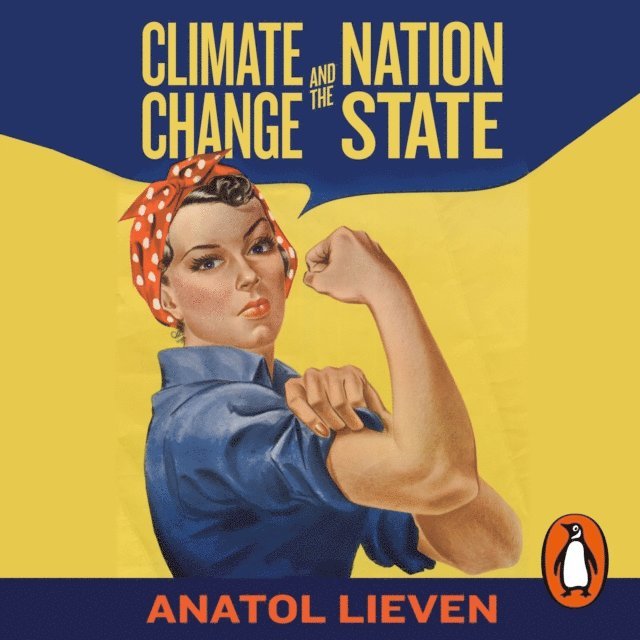
Climate Change and the Nation State
The Realist Case
Häftad, 2021
121 kr
Lägg i varukorg
'This is one of those rare books that have something really important to say. Anatol Lieven is telling his fellow realists that at this moment the world's great powers are far more threatened by climate change than they are by each other' Ivan Krastev, author of The Light That FailedIn the past two …
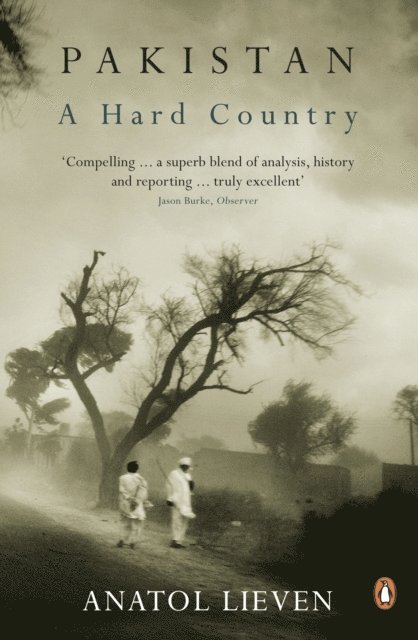
Pakistan: A Hard Country
Häftad, 2012
214 kr
Lägg i varukorg
DAILY TELEGRAPH and INDEPENDENT BOOKS OF THE YEARLONGLISTED FOR THE ORWELL PRIZE 20122011 LOS ANGELES TIMES BOOK PRIZE FINALISTIn the wake of Pakistan's development of nuclear weapons, unpoliceable border areas, shelter of the Afghan Taliban and Bin Laden, and the spread of terrorist attacks by …
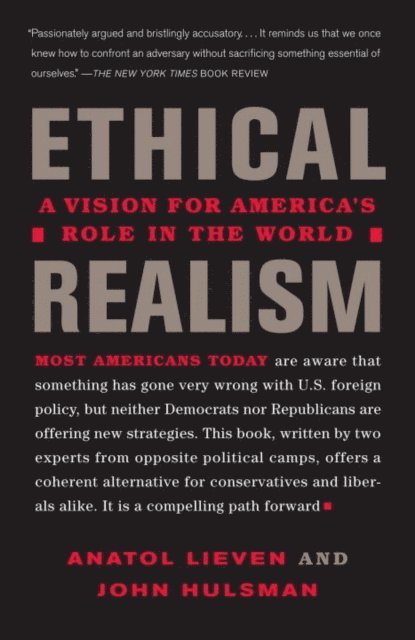
Ethical Realism
Av John Hulsman, Anatol Lieven
E-bok, 2009
151 kr
Lägg i varukorg
America today faces a world more complicated than ever before, but our politicians have failed to envision a foreign policy that addresses our greatest threats. Ethical Realism shows how the United States can successfully combine genuine morality with tough and practical common sense. By outlining …
Pakistan: A Hard Country
E-bok, 2011
108 kr
Lägg i varukorg
DAILY TELEGRAPH and INDEPENDENT BOOKS OF THE YEARLONGLISTED FOR THE ORWELL PRIZE 20122011 LOS ANGELES TIMES BOOK PRIZE FINALISTIn the wake of Pakistan's development of nuclear weapons, unpoliceable border areas, shelter of the Afghan Taliban and Bin Laden, and the spread of terrorist attacks by …
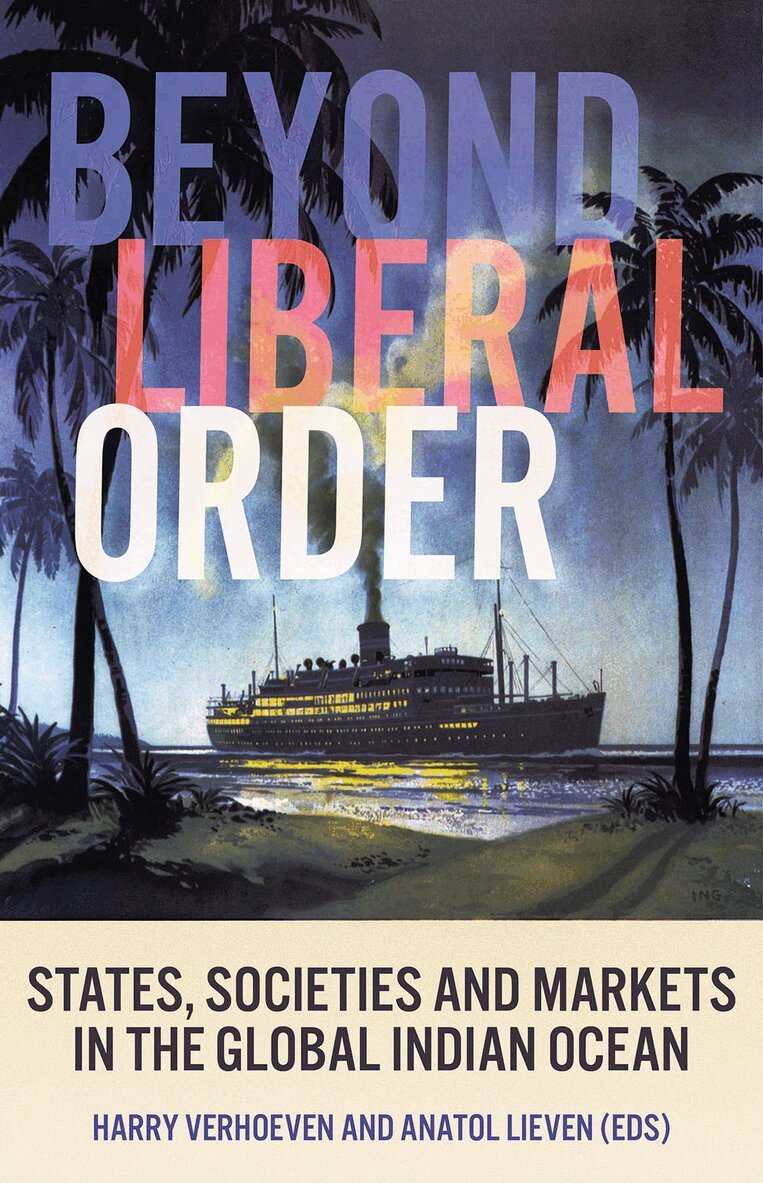
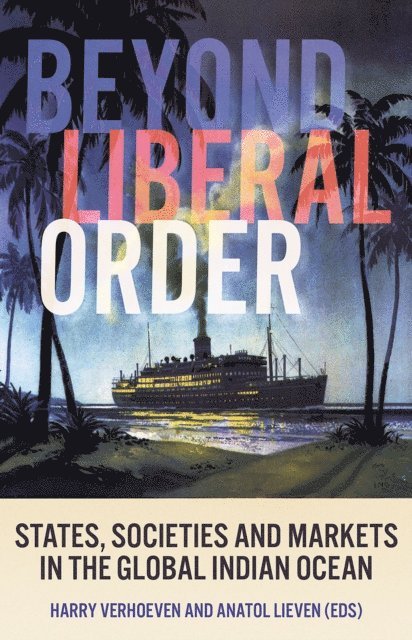
Beyond Liberal Order: States, Societies and Markets in the Global Indian Ocean
Av Harry Verhoeven, Anatol Lieven
Häftad, 2022
619 kr
Lägg i varukorg
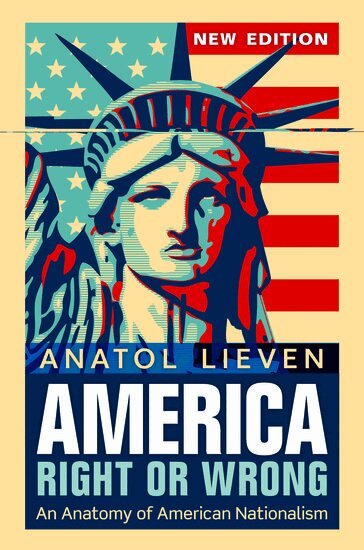
America Right or Wrong
An Anatomy of American Nationalism NEW EDITION
Häftad, 2012
334 kr
Lägg i varukorg
American policies, the American economy, and the health of the American political system are all of crucial importance to the world - and to other Western democracies in particular. Yet in recent years, the American political scene has become increasingly radicalized, embittered, and polarized - …
Climate Change and the Nation State
The Realist Case
E-bok, 2020
108 kr
Lägg i varukorg
'This is one of those rare books that have something really important to say. Anatol Lieven is telling his fellow realists that at this moment the world's great powers are far more threatened by climate change than they are by each other' Ivan Krastev, author of The Light That FailedIn the past two …
Climate Change and the Nation State
The Realist Case
Ljudbok, 2020
162 kr
Lägg i varukorg
Brought to you by Penguin. In the past two centuries we have experienced wave after wave of overwhelming change. Entire continents have been resettled; there are billions more of us; the jobs done by countless people would be unrecognizable to their predecessors; scientific change has transformed …
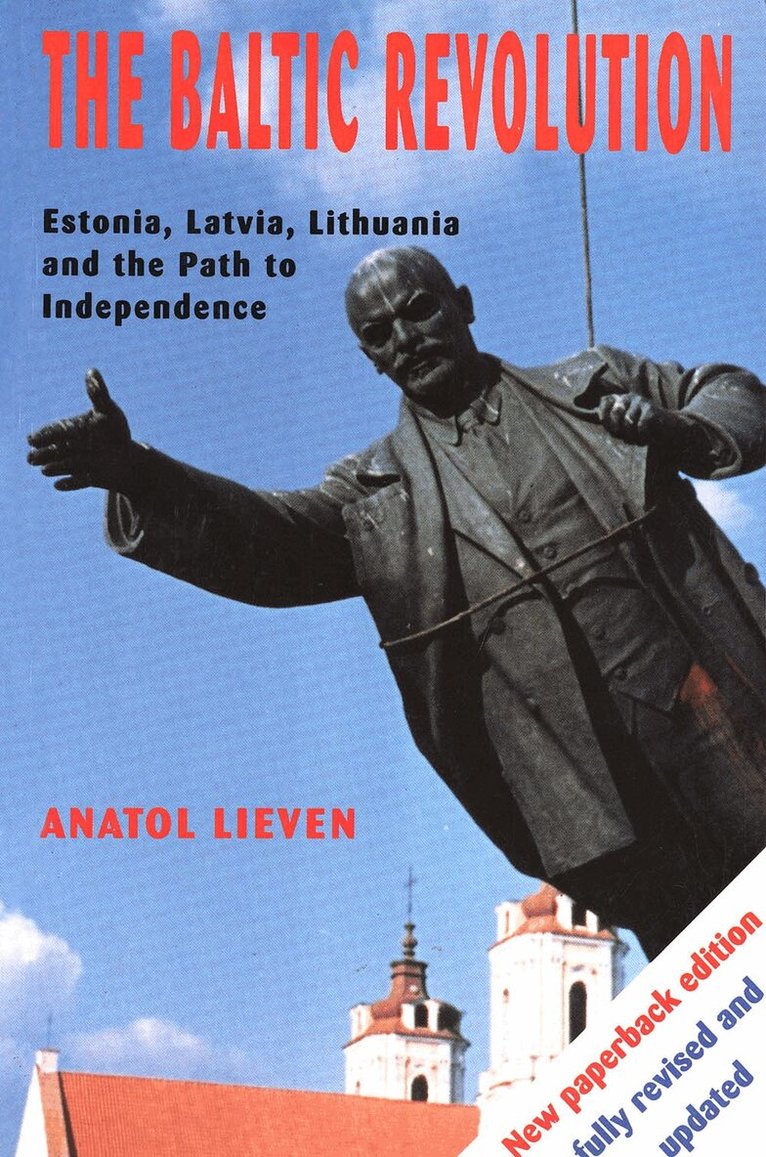
Baltic Revolution
Estonia, Latvia, Lithuania and the Path to Independence
Häftad, 1994
752 kr
Lägg i varukorg
World attention has focused on the newly independent Baltic states of Latvia, Estonia, and Lithuania, as they struggle to become politically and economically viable. In this timely book, Anatol Lieven presents an intimate and engaging portrait of the history and culture of the Baltic states from …
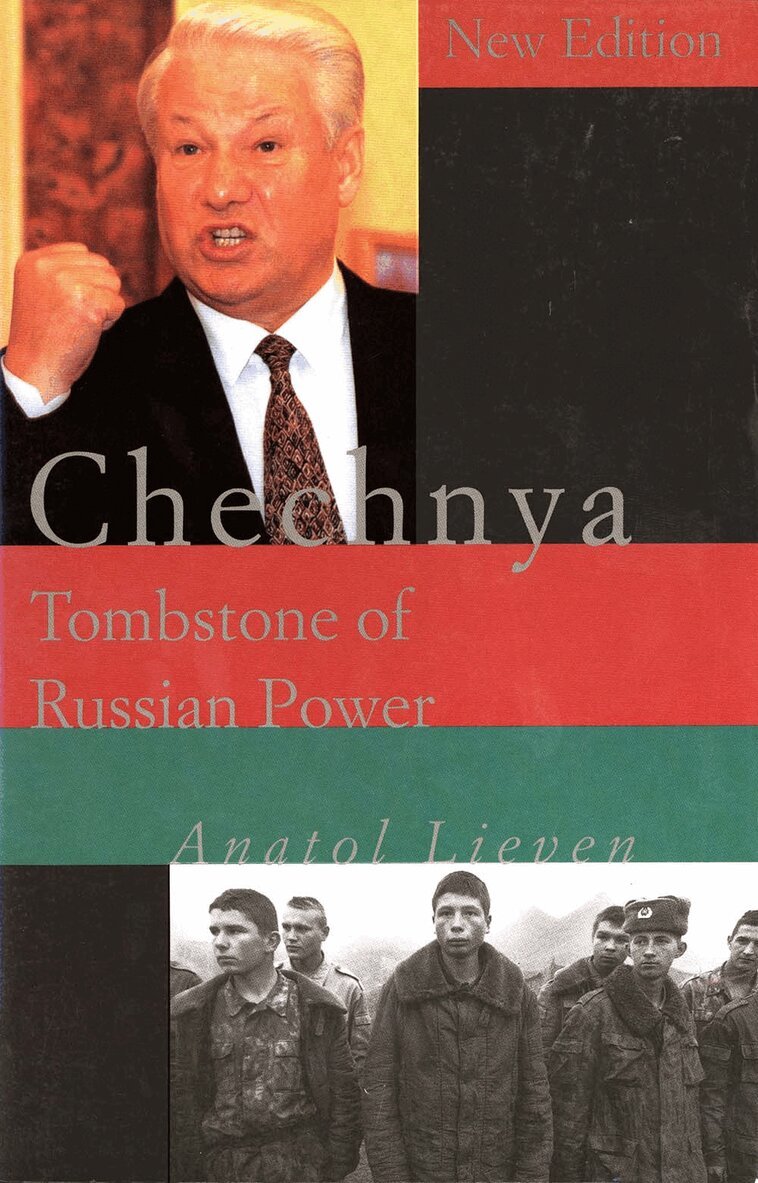
Chechnya
Tombstone of Russian Power
Häftad, 1999
692 kr
Lägg i varukorg
The war between Russia and the Chechen separatist forces, from December 1994 to August 1996, was a key moment in Russian and even world history, shedding a stark light on the end of Russia as a great military and imperial power. Anatol Lieven, a distinguished writer and political commentator, was a …
Ambivalent Neighbors
the Eu, Nato, and the Price of Membership
Av Anatol Lieven, Anatol Lieven m. fl.
Häftad, 2002
259 kr
Lägg i varukorg
Russia™s Restless Frontier
the Chechnya Factor in Post-Soviet Russia
Av Dmitri Trenin, Alesksei Malashenko m. fl.
Häftad, 2004
259 kr
Lägg i varukorg
Ambivalent Neighbors
The EU, NATO and the Price of Membership
Av Anatol Lieven, Dmitri V. Trenin
E-bok, 2013
196 kr
Lägg i varukorg
Almost fifteen years after the end of the Cold War, the process of creating a "Europe whole and free" is incomplete and likely to be so for the foreseeable future. In this volume, a group of highly distinguished contributors from both East and West examines the complicated and multi-faceted process …
Beyond Liberal Order
States, Societies and Markets in the Global Indian Ocean
Av Harry Verhoeven, Anatol Lieven
Häftad, 2021
338 kr
Lägg i varukorg
What does liberal order actually amount to outside the West, where it has been most institutionalised? Contrary to the Atlantic or Pacific, liberal hegemony is thin in the Indian Ocean World; there are no equivalents of NATO, the EU or the US-Japan defence relationship.Yet what this book calls the …
Beyond Liberal Order
States, Societies and Markets in the Global Indian Ocean
Av Anatol Lieven, Harry Verhoeven
E-bok, 2022
277 kr
Lägg i varukorg
What does liberal order actually amount to outside the West, where it has been most institutionalised? Contrary to the Atlantic or Pacific, liberal hegemony is thin in the Indian Ocean World; there are no equivalents of NATO, the EU or the US-Japan defence relationship. Yet what this book calls the …