Atlas of Non-Tumor Pathology, Series 1, – serie
Visar alla böcker i serien Atlas of Non-Tumor Pathology, Series 1,. Handla med fri frakt och snabb leverans.
9 produkter
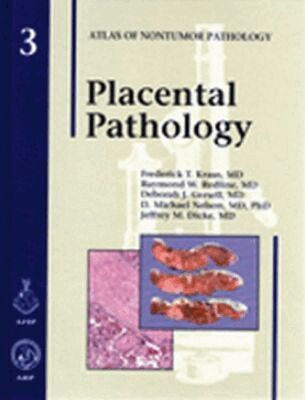
Placental Pathology
Av Frederick T. Kraus, Raymond W. Redline m. fl.
Inbunden, 2005
1203 kr
Lägg i varukorg
Offers a concise guide to understanding the placent - a unique organ involving both mother and child during pregnancy. Divided into fourteen chapters and an appendix and with 490 illustrations, it includes the structure and function of the normal placenta and then proceeds to review the major …
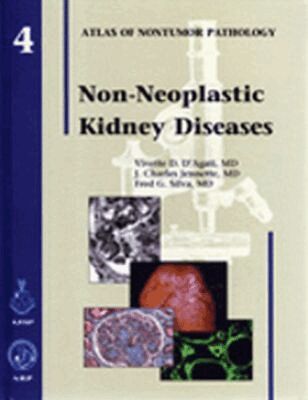
Non-Neoplastic Kidney Diseases
Av Vivette D. D'Agati, J. Charles Jennette m. fl.
Inbunden, 2005
1915 kr
Lägg i varukorg
The twenty-six chapters in this Atlas are organised around standardised disease entities or patterns of disease, including congenital and hereditary diseases, acquired diseases of the native kidney, and diseases of the renal allograft. Wherever possible, the authors have tried to remain consistent …
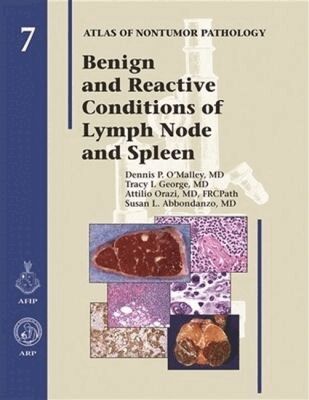
Benign and Reactive Conditions of Lymph Node and Spleen
Av Dennis P. O’Malley, Tracy I. George m. fl.
Inbunden, 2009
2084 kr
Lägg i varukorg
One of the main reasons that this edition was undertaken is that for some years there has been no single, up-to-date book containing extensive information on benign and reactive lymphoid conditions. Although malignant processes garner the majority of attention, it is the benign processes that have …
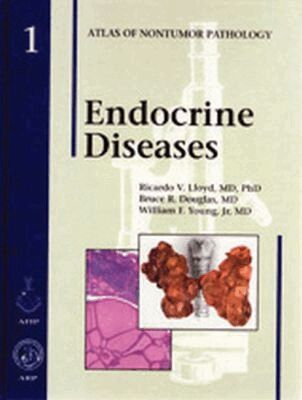
Endocrine Diseases
Av Ricardo V. Lloyd, Bruce R. Douglas m. fl.
Inbunden, 2002
1395 kr
Tillfälligt slut
The purpose of this atlas is to provide surgical pathologists with ready expert reference material most helpful in their daily practice. The lesions described relate principally to medical non-neoplastic conditions as exemplified by our first three Fascicles on endocrine, pulmonary, and skin …
Non-Neoplastic Disorders of the Lower Respiratory Tract
Av William D. Travis, Thomas V. Colby m. fl.
Inbunden, 2002
2262 kr
Tillfälligt slut
Addresses one of the most difficult areas in surgical pathology, non-neoplastic disorders of the lower respiratory tract. Recognising the need for a multidisciplinary approach to the successful diagnosis of many of these diseases, a pulmonologist and two radiologists have been included as authors …
Gastrointestinal Diseases
Av Amy Noffsinger, Cecilia Fenoglio-Preiser m. fl.
Inbunden, 2008
5,0 utav 5 stjärnor. Totalt antal röster: (1)
1973 kr
Tillfälligt slut
This edition is devoted to benign gastrointestinal diseases and provides an in-depth discussion of many lesions, both common and uncommon. It is, for the most part, organised by category of disease rather than by anatomic site. This approach allows for comprehensive coverage of each entity and …
Non-Neoplastic Diseases of Bone Marrow
Av Amy Noffsinger, David S. Viswanatha m. fl.
Inbunden, 2009
1510 kr
Tillfälligt slut
This volume is devoted to the assessment of non-neoplastic disease in bone marrow in paediatric and adult patients, though neoplastic processes are briefly highlighted in discussions of differential diagnostic considerations. Lineage-based non-neoplastic erythroid, myeloid, megakaryocytic, and …
Non-Neoplastic Diseases of the Central Nervous System
Av David N. Louis, Matthew P. Frosch m. fl.
Inbunden, 2010
1684 kr
Tillfälligt slut
Of the various subspecialty areas in anatomic pathology, neuropathology tends to be one of the least familiar to general pathologists. Most surgical pathologists at institutions with neurosurgical practices gain quick familiarity with the common tumours of the central nervous system. Non-neoplastic …
Inflammatory Disorders of the Skin
Av George F. Murphy, Arturo P. Saavedra m. fl.
Inbunden, 2012
1915 kr
Tillfälligt slut
Because inflammatory skin disorders represent the most common and significant non-neoplastic skin diseases, as well as the most frequently-encountered diagnostic hurdle for the practising pathologist, they are the focus of this volume. This Atlas seeks to summarise and illuminate relevant clinical …