Shapers of International History – serie
Visar alla böcker i serien Shapers of International History. Handla med fri frakt och snabb leverans.
2 produkter
2 produkter
220 kr
Skickas inom 10-15 vardagar
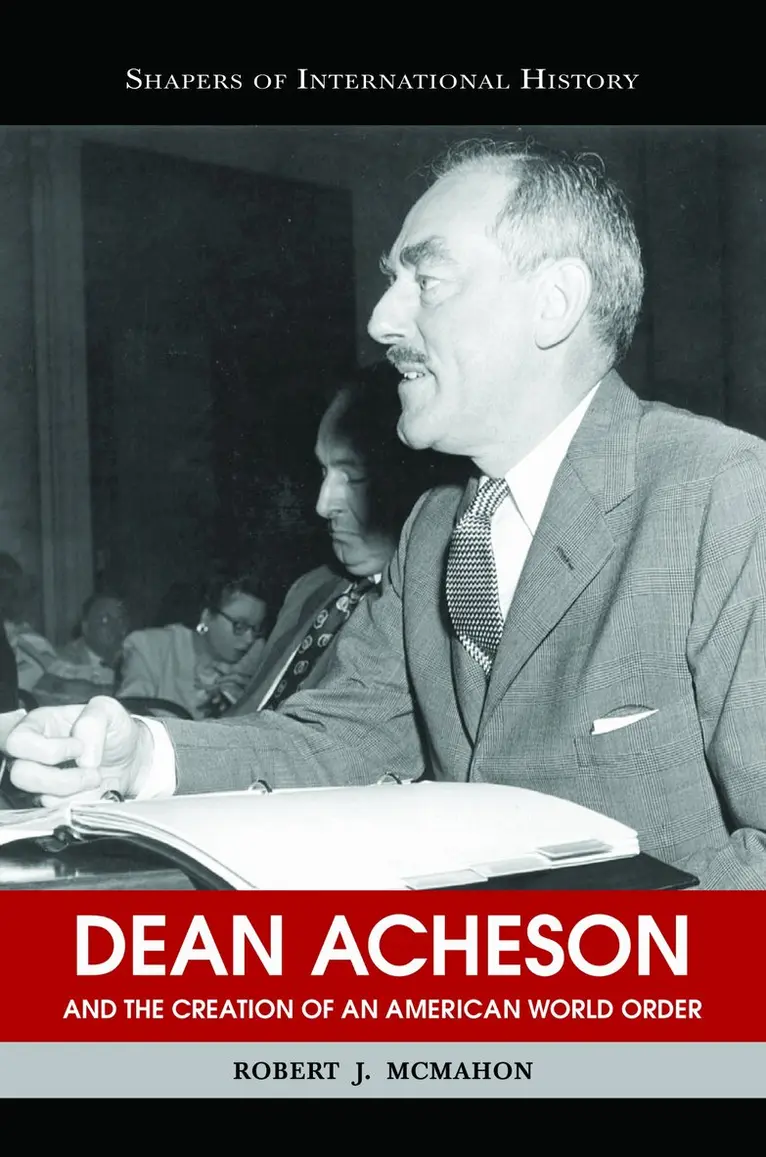
This compact and accessible biography critically assesses the life and career of Dean Acheson, one of America's foremost diplomats and strategists. As a top State Department official from 1941 to 1947 and as Harry S. Truman's secretary of state from 1949 to 1953, Acheson shaped many of the key U.S. foreign policy initiatives of those years, including the Truman Doctrine, the Marshall Plan, the creation of the North Atlantic Treaty Organization, the rebuilding of Germany and Japan, America's intervention in Korea, and its early involvement in the Middle East and Southeast Asia. Right up until his death in 1971, Acheson continued to participate in major policy decisions and debates, including the Cuban missile and Berlin crises and the Vietnam War.Dean Acheson can justifiably be called the principal architect of the American Century. More than any other individual, Acheson is responsible for designing and implementing the ultimately successful U.S. Cold War strategy for containing the Soviet Union. In an even broader sense, Acheson played an instrumental role in creating the institutions, alliances, and economic arrangements that, in the 1940s, brought to life an American-dominated world order. The remarkable durability of that world order—which has remained the dominant fact of international life long after the end of the Cold War—makes a careful examination of Acheson's diplomacy especially relevant to today's international challenges.
291 kr
Skickas inom 10-15 vardagar
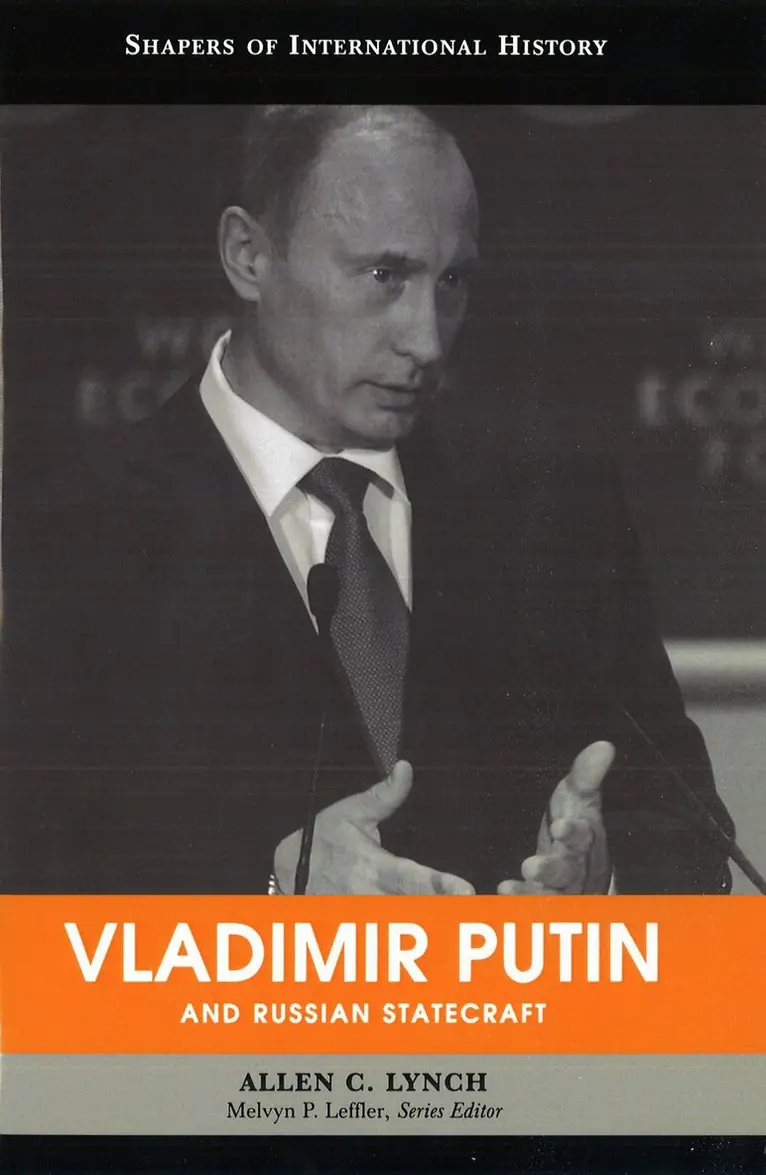
Since Russian leader Vladimir Putin assumed power in August 1999, speculation about his character, motives, and plans for Russia's future has been rampant in the West. A portrait of Putin has emerged in the West that is one-dimensional, ill informed, and diametrically opposed to the image of Putin the majority of Russians hold. Even after he stepped down as president in May 2008, retaining a significant measure of power as prime minister under his hand-picked successor, President Dmitri Medvedev, Putin remains poorly understood. In this interpretive biography of Putin, Allen C. Lynch seeks to reconcile the two conflicting images and find out just where the truth lies about the man and the statesman.Westerners view Putin as an authoritarian holdover from the Soviet era who has clamped down on domestic opposition, freedom of the press, and other elements of a functioning democracy and who has relentlessly exerted Russian influence abroad, challenging the West and seeking to control its post-Soviet periphery. Most Russians, in contrast, are likely to be grateful to Putin for presiding over an economic recovery and reasserting Russian dignity on the world stage. A complete apprehension of the Russian leader, according to Lynch, requires an understanding of the way in which Putin's personal experiences and critical events in recent Russian history have shaped his outlook. Lynch convincingly demonstrates how a complex interplay of Russia's post-Soviet circumstances and the particular path of Putin's career have informed his choices as leader.