Allen C. Lynch – författare
Visar alla böcker från författaren Allen C. Lynch. Handla med fri frakt och snabb leverans.
3 produkter
3 produkter
360 kr
Skickas inom 7-10 vardagar
The state remains as important to Russia's prospects as ever. This is so not only because, as in any society, an effectively functioning state administration is necessary to the proper functioning of a complex economy and legal system, but also because, in Russian circumstances, factors of economic geography tend to increase costs of production compared to the rest of the world. These mutually reinforcing factors include: the extreme severity of the climate, the immense distances to be covered, the dislocation between (European) population centers and (Siberian) natural resource centers, and the inevitable predominance of relatively costly land transportation over sea-borne transportation. As a result, it is questionable whether Russia can exist as a world civilization under predominantly liberal economic circumstances: in a unified liberal global capital market, large-scale private direct capital investment will not be directed to massive, outdoor infrastructure projects typical of state investment in the Soviet period.
560 kr
Skickas inom 7-10 vardagar
The state remains as important to Russia's prospects as ever. This is so not only because, as in any society, an effectively functioning state administration is necessary to the proper functioning of a complex economy and legal system, but also because, in Russian circumstances, factors of economic geography tend to increase costs of production compared to the rest of the world. These mutually reinforcing factors include: the extreme severity of the climate, the immense distances to be covered, the dislocation between (European) population centers and (Siberian) natural resource centers, and the inevitable predominance of relatively costly land transportation over sea-borne transportation. As a result, it is questionable whether Russia can exist as a world civilization under predominantly liberal economic circumstances: in a unified liberal global capital market, large-scale private direct capital investment will not be directed to massive, outdoor infrastructure projects typical of state investment in the Soviet period.
291 kr
Skickas inom 10-15 vardagar
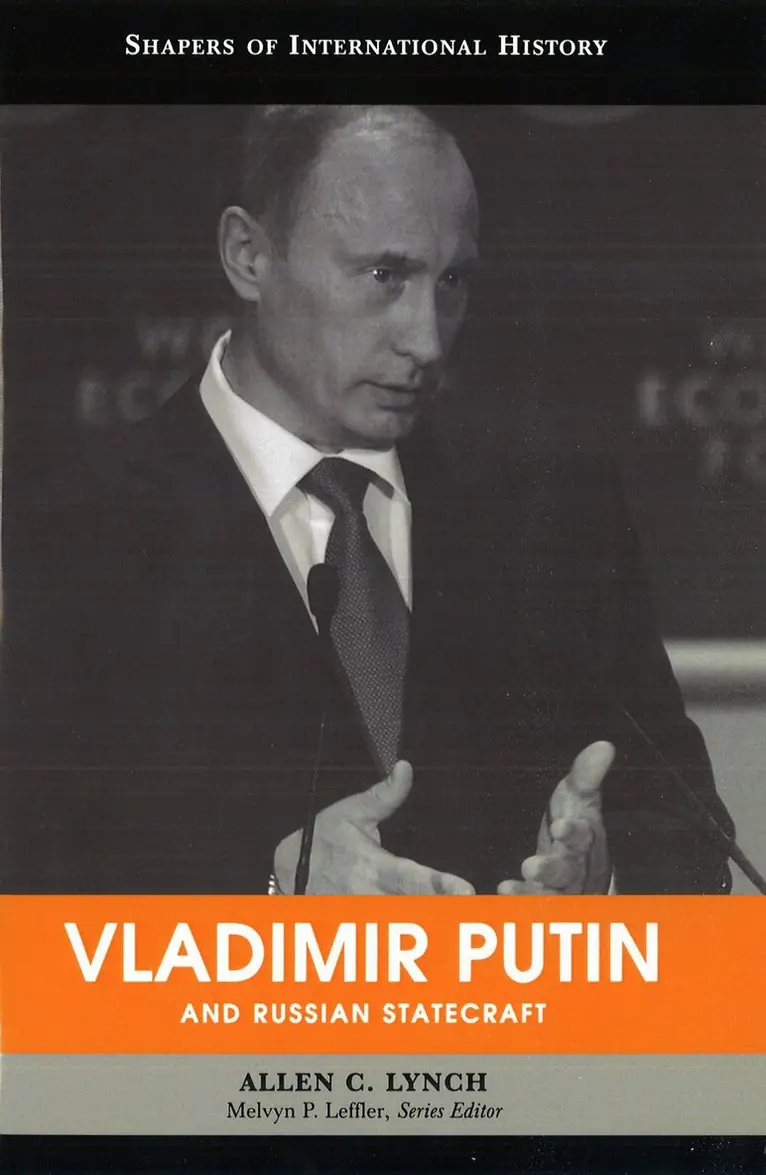
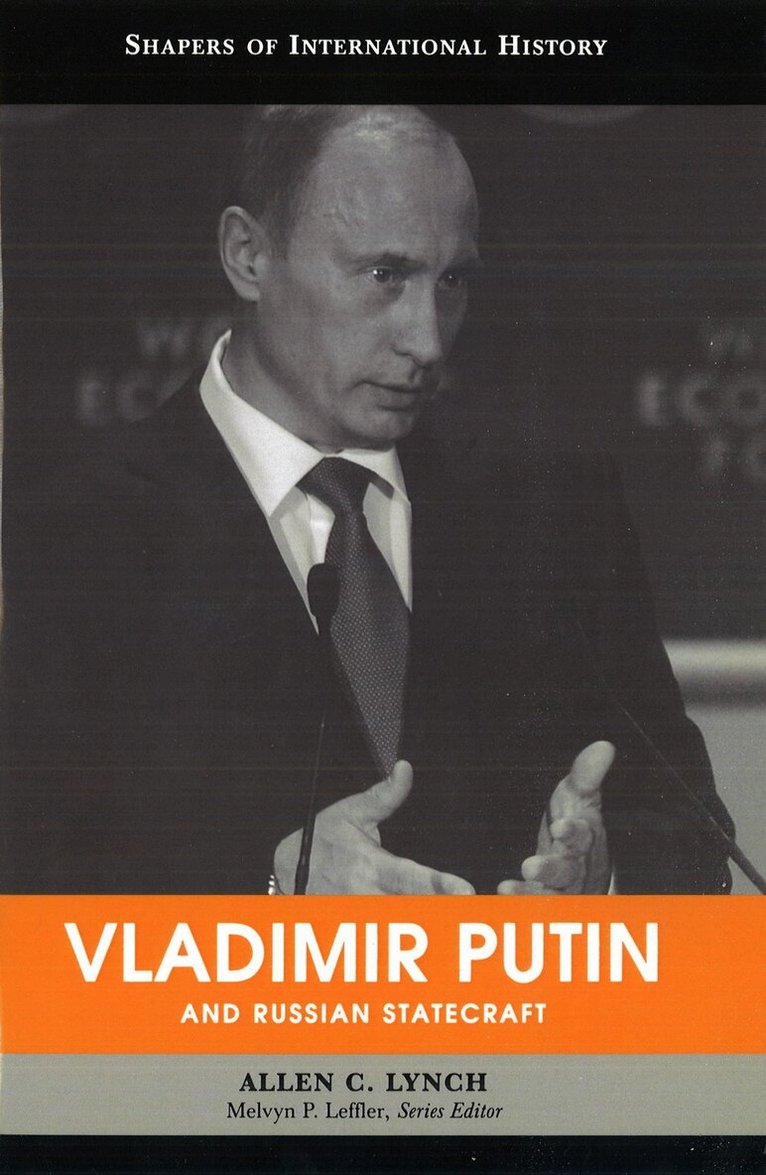
Since Russian leader Vladimir Putin assumed power in August 1999, speculation about his character, motives, and plans for Russia's future has been rampant in the West. A portrait of Putin has emerged in the West that is one-dimensional, ill informed, and diametrically opposed to the image of Putin the majority of Russians hold. Even after he stepped down as president in May 2008, retaining a significant measure of power as prime minister under his hand-picked successor, President Dmitri Medvedev, Putin remains poorly understood. In this interpretive biography of Putin, Allen C. Lynch seeks to reconcile the two conflicting images and find out just where the truth lies about the man and the statesman.Westerners view Putin as an authoritarian holdover from the Soviet era who has clamped down on domestic opposition, freedom of the press, and other elements of a functioning democracy and who has relentlessly exerted Russian influence abroad, challenging the West and seeking to control its post-Soviet periphery. Most Russians, in contrast, are likely to be grateful to Putin for presiding over an economic recovery and reasserting Russian dignity on the world stage. A complete apprehension of the Russian leader, according to Lynch, requires an understanding of the way in which Putin's personal experiences and critical events in recent Russian history have shaped his outlook. Lynch convincingly demonstrates how a complex interplay of Russia's post-Soviet circumstances and the particular path of Putin's career have informed his choices as leader.